|
Click on pictures to enlarge
|
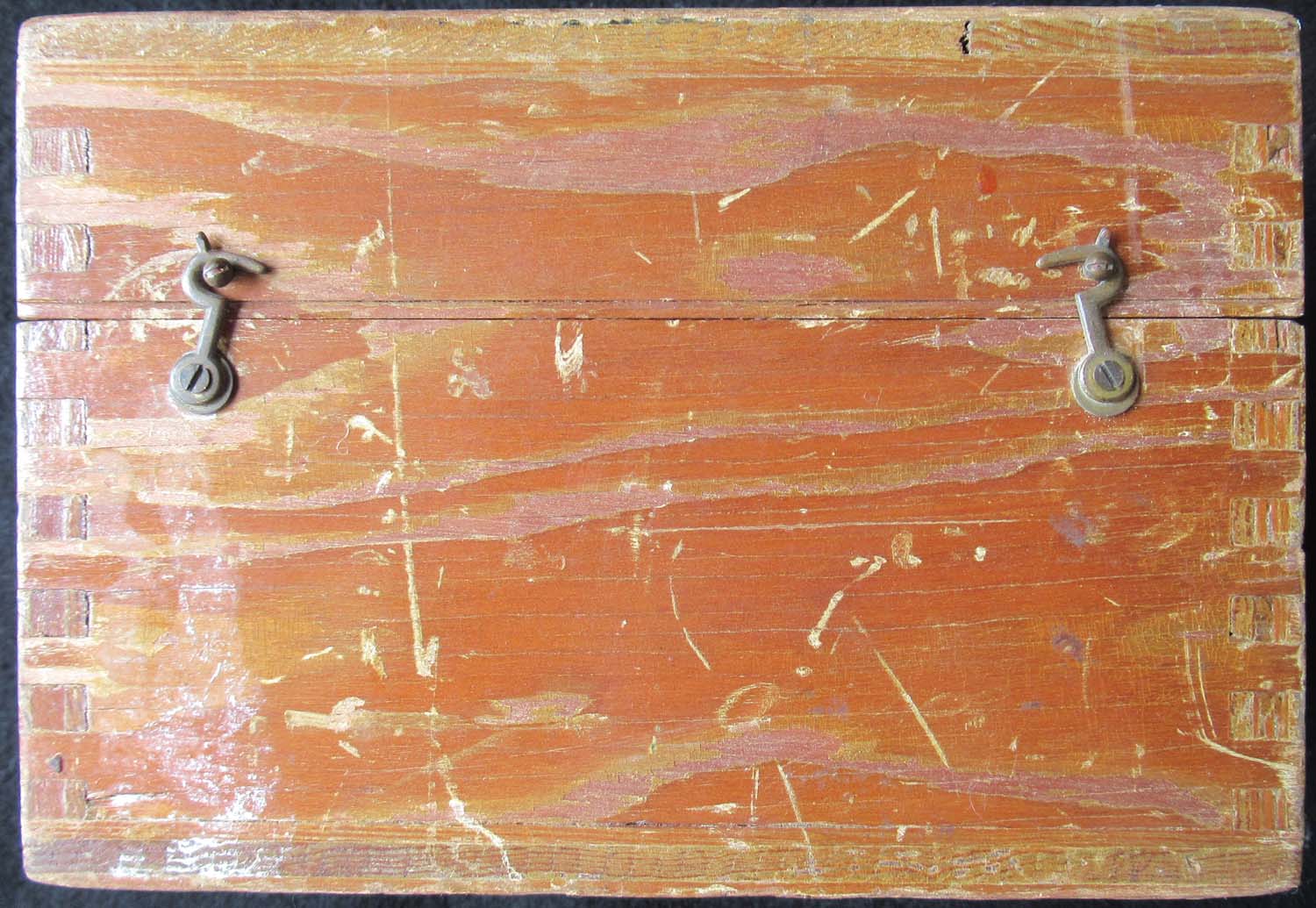
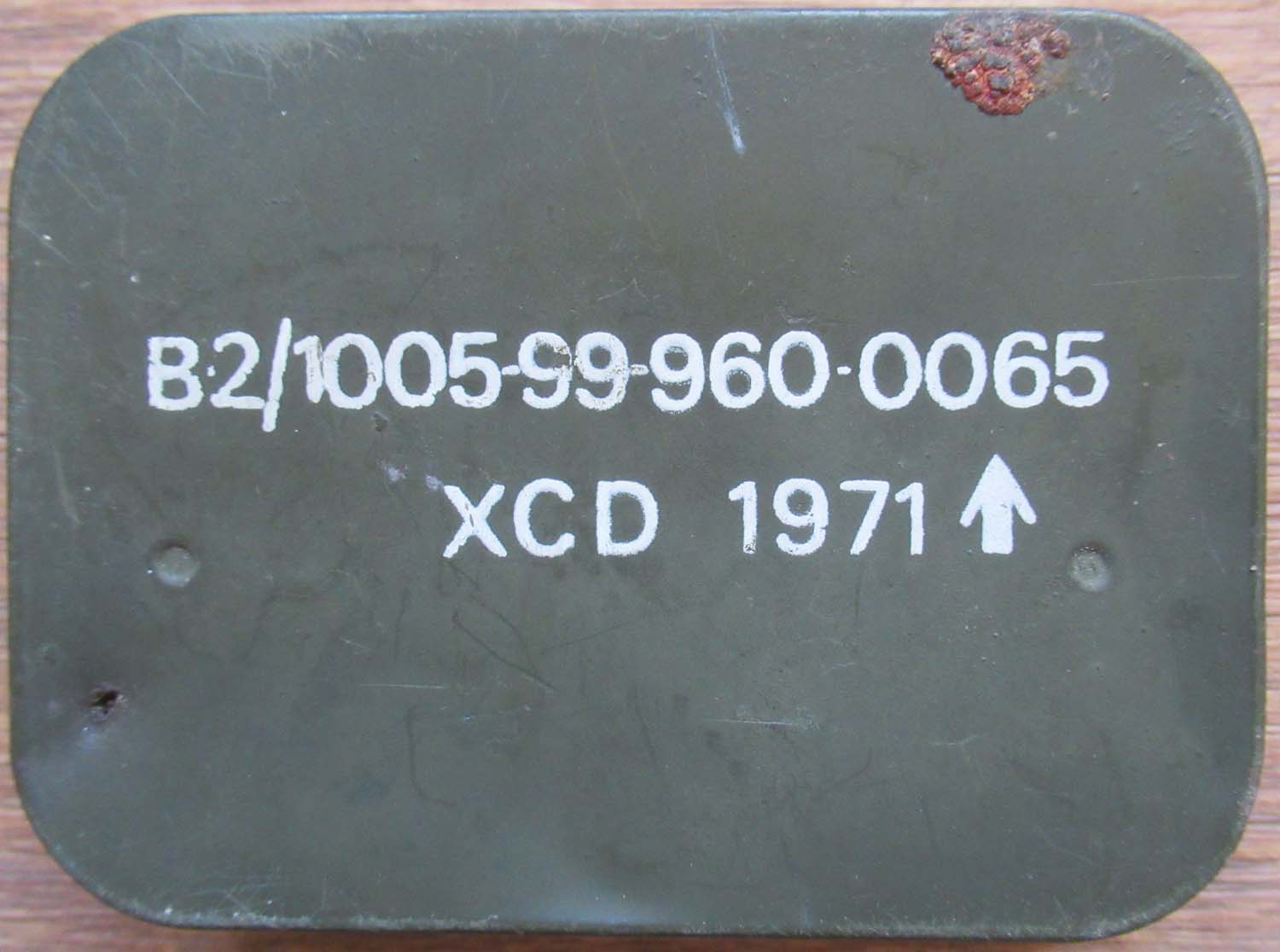
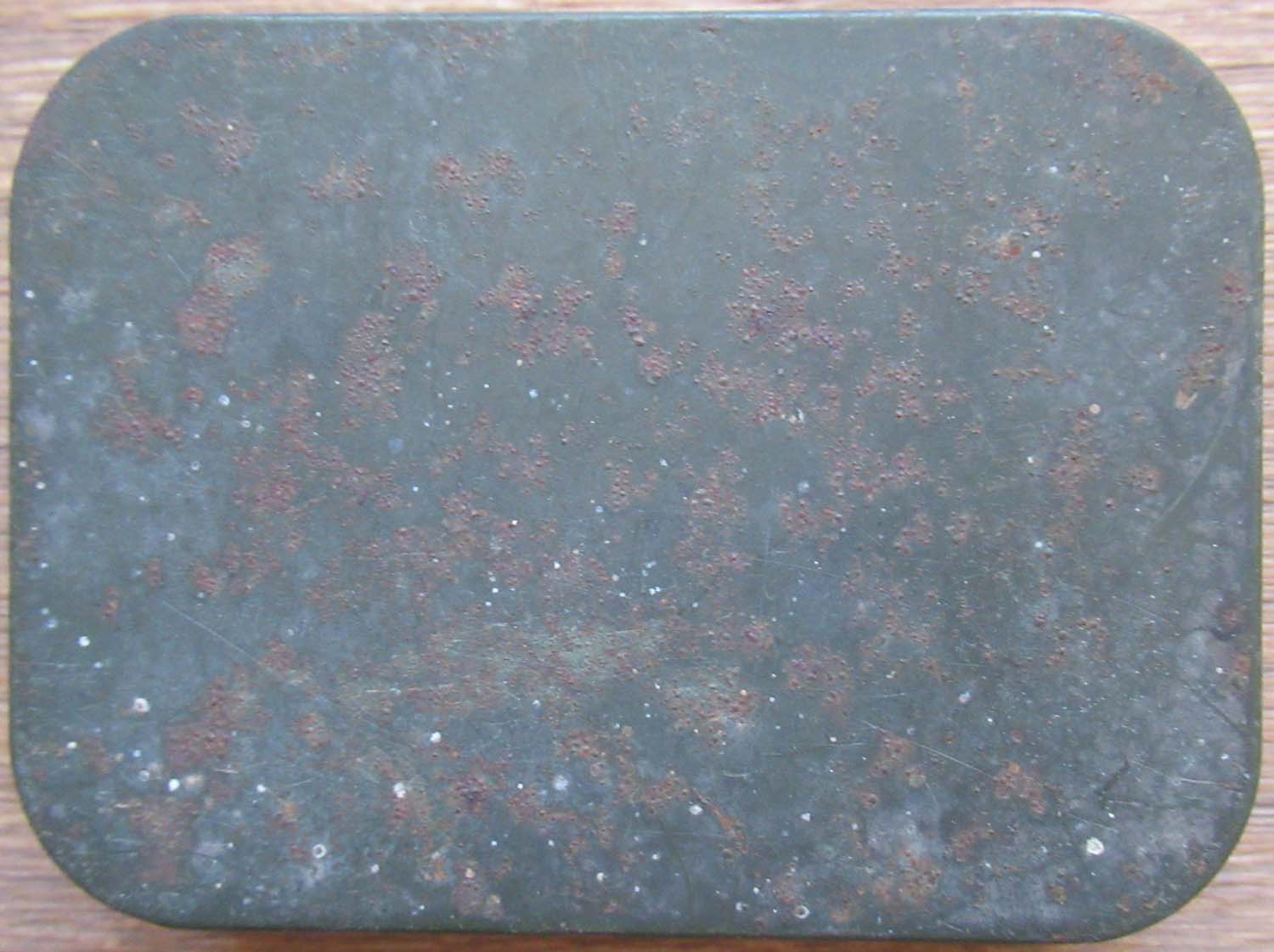
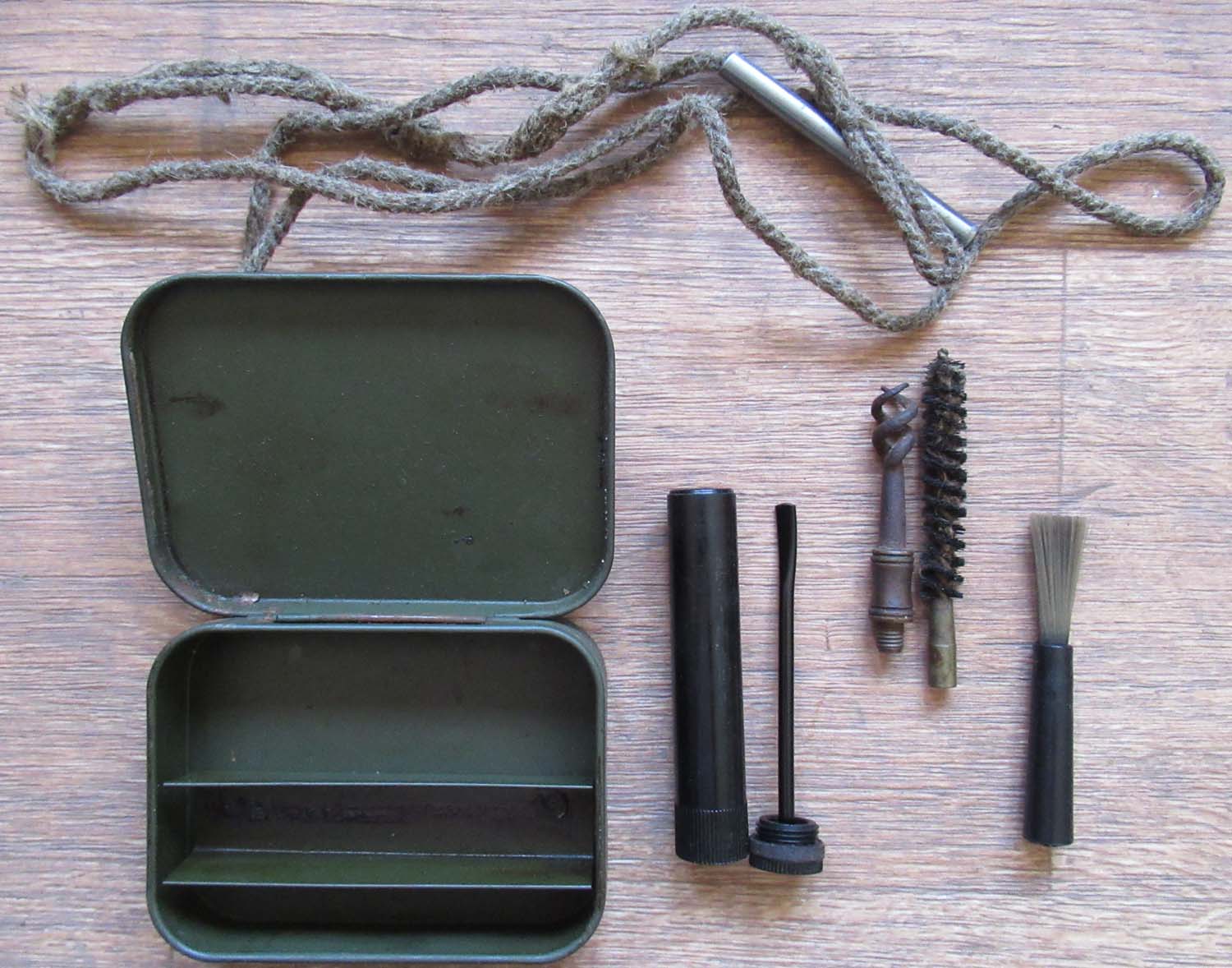
SLR Cleaning Kit (Pg 1 SAS)
This is a British military
rifle cleaning kit, specifically designed for the L1A1
Self-Loading Rifle (SLR).
The text on the lid is a NATO Stock Number (NSN), which
identifies specific pieces of military equipment:
1005-99-960-0065: This is the specific NSN for the L1A1 SLR
cleaning kit.
1005: Represents the supply class for "Guns, through 30mm."
99: The country code for the United Kingdom.
1971: The year of manufacture.
£ 49


|
|
Click on pictures to enlarge
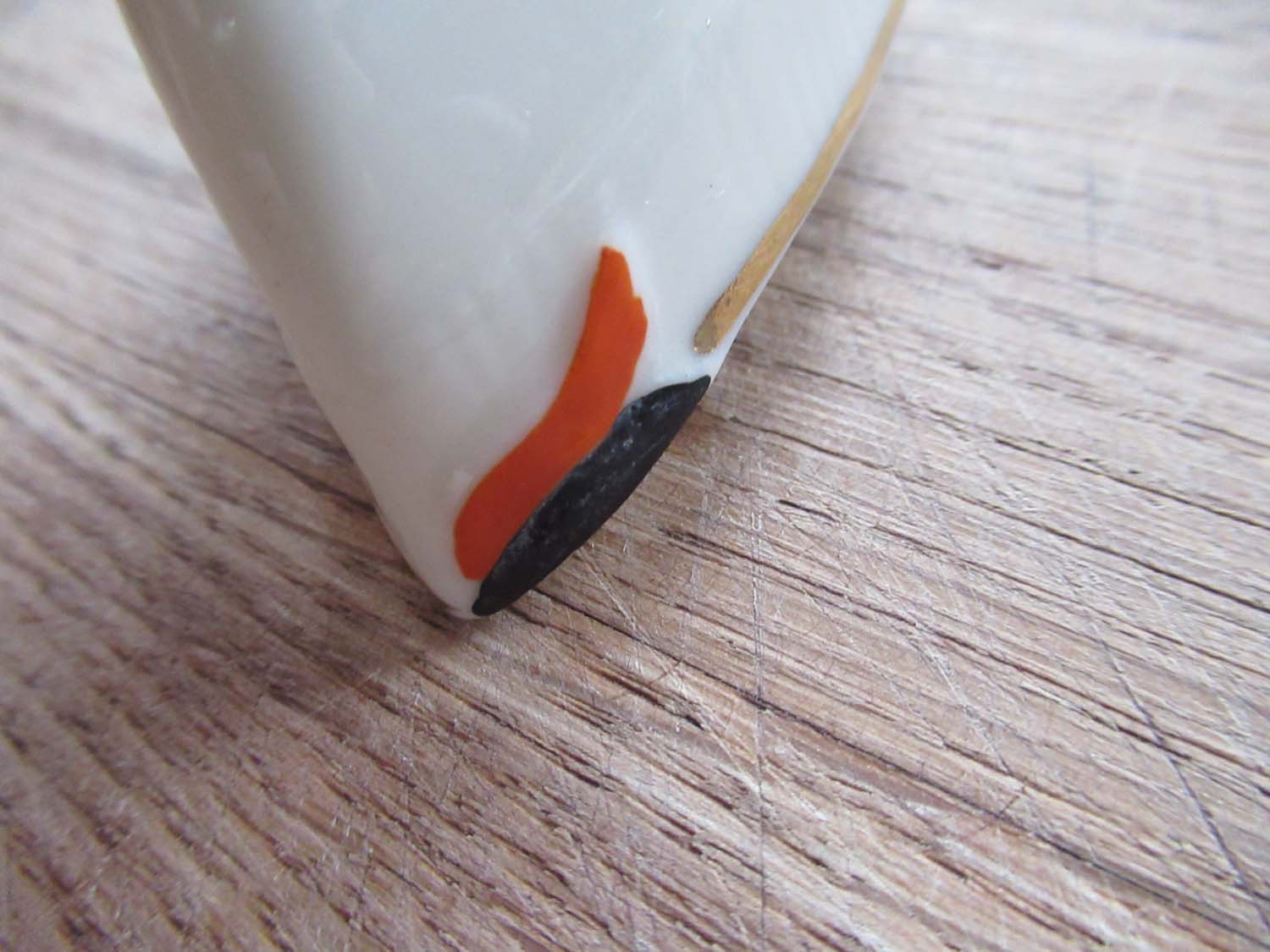 |
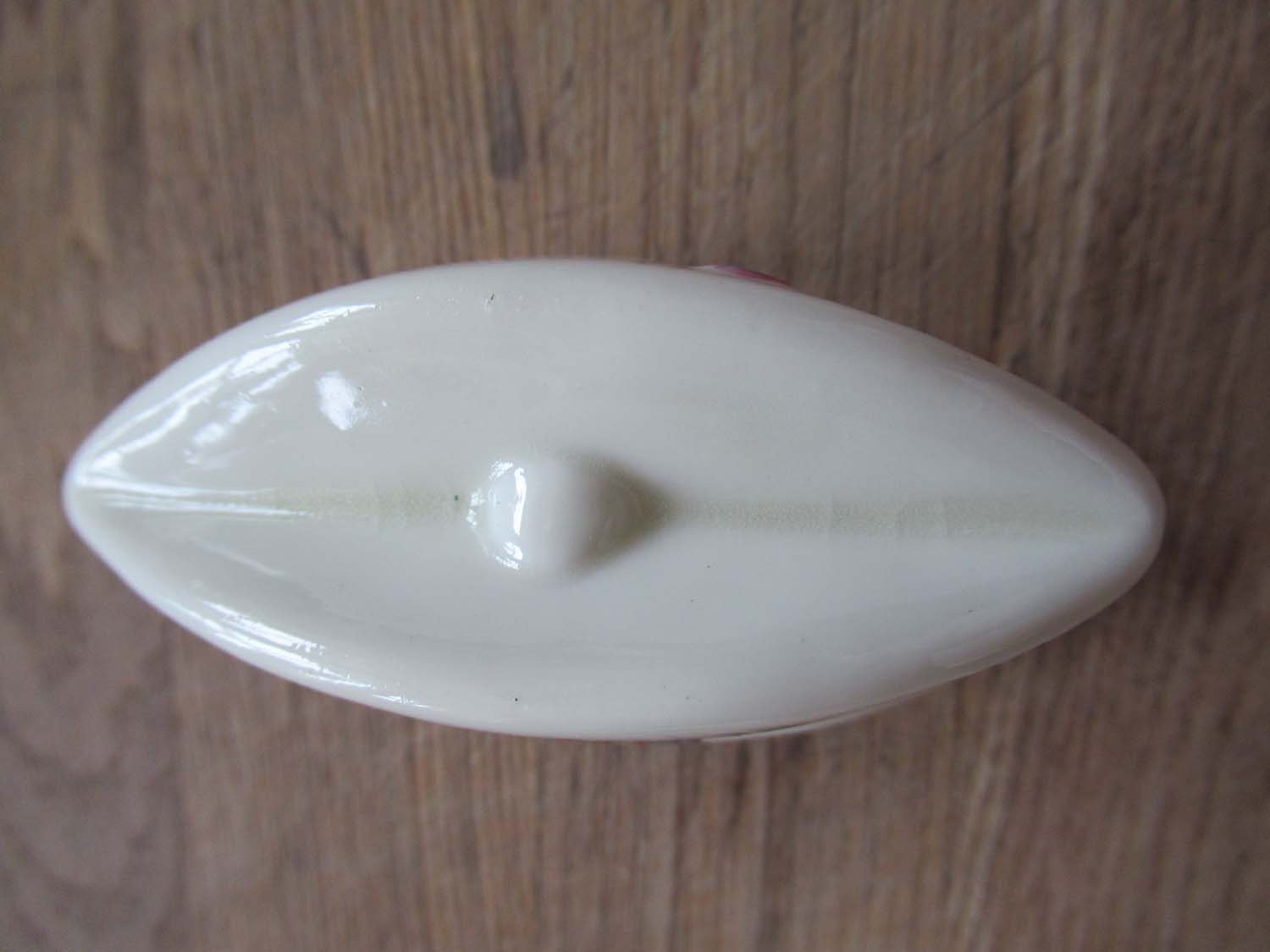
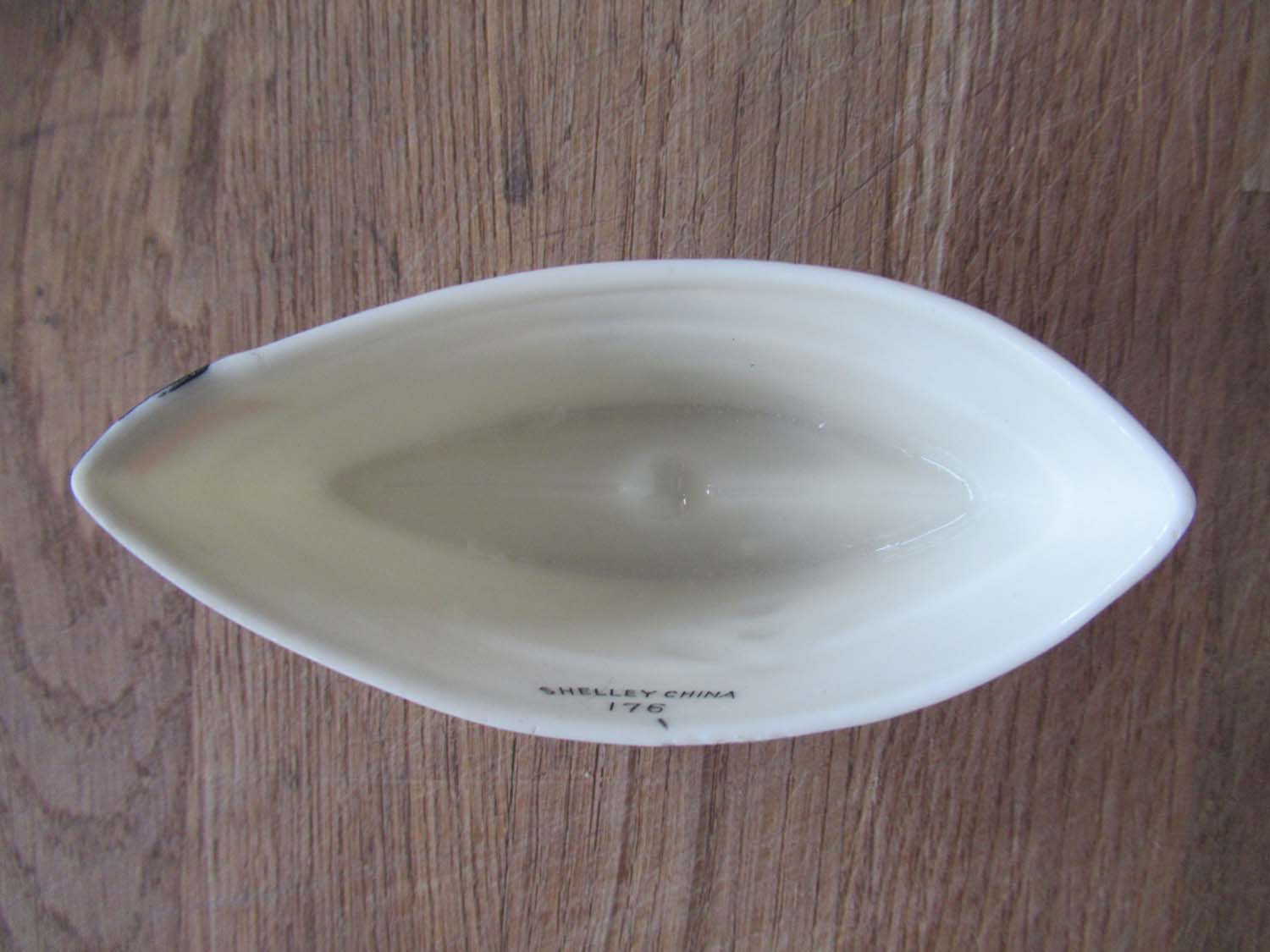
Collectable Shelley Crested
China Military Cap (Pg 1 SAS)
Here we have a WW1
Military Cap collectable made by Shelley China and has the large crest.
Shelley China is no longer in production and as such
these pieces like this one are now sought after.
No: 176
Click on pictures to enlarge
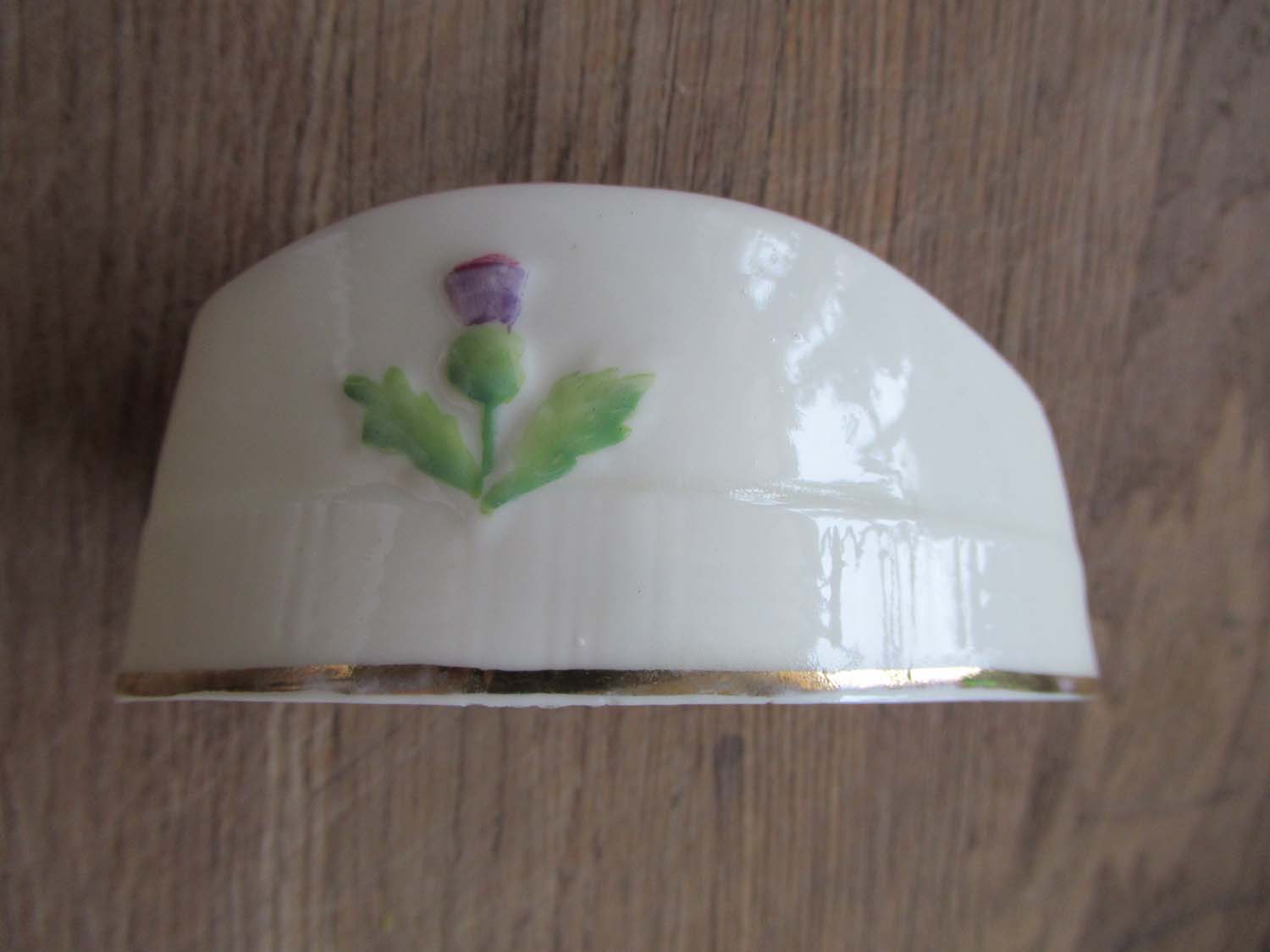
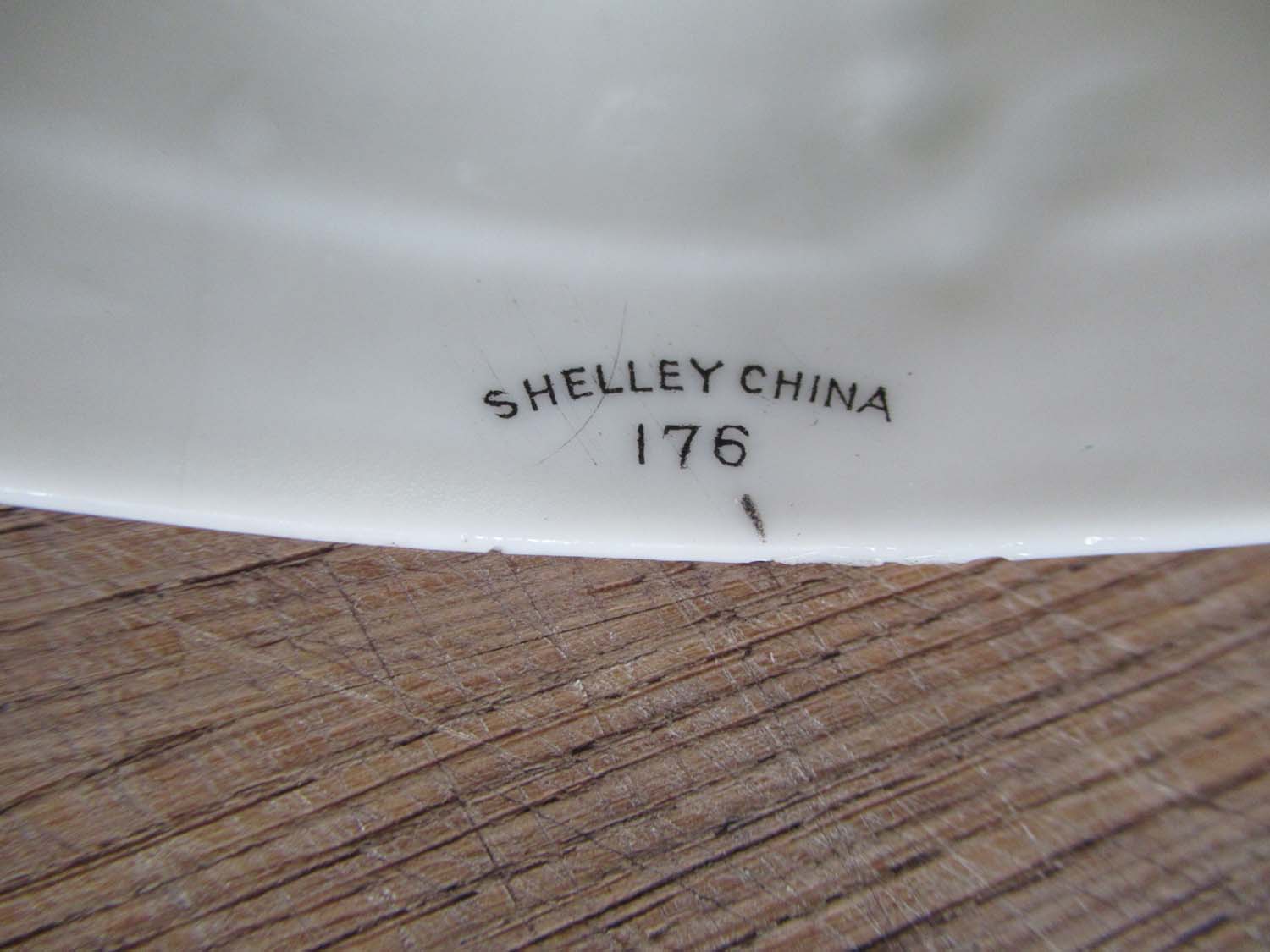
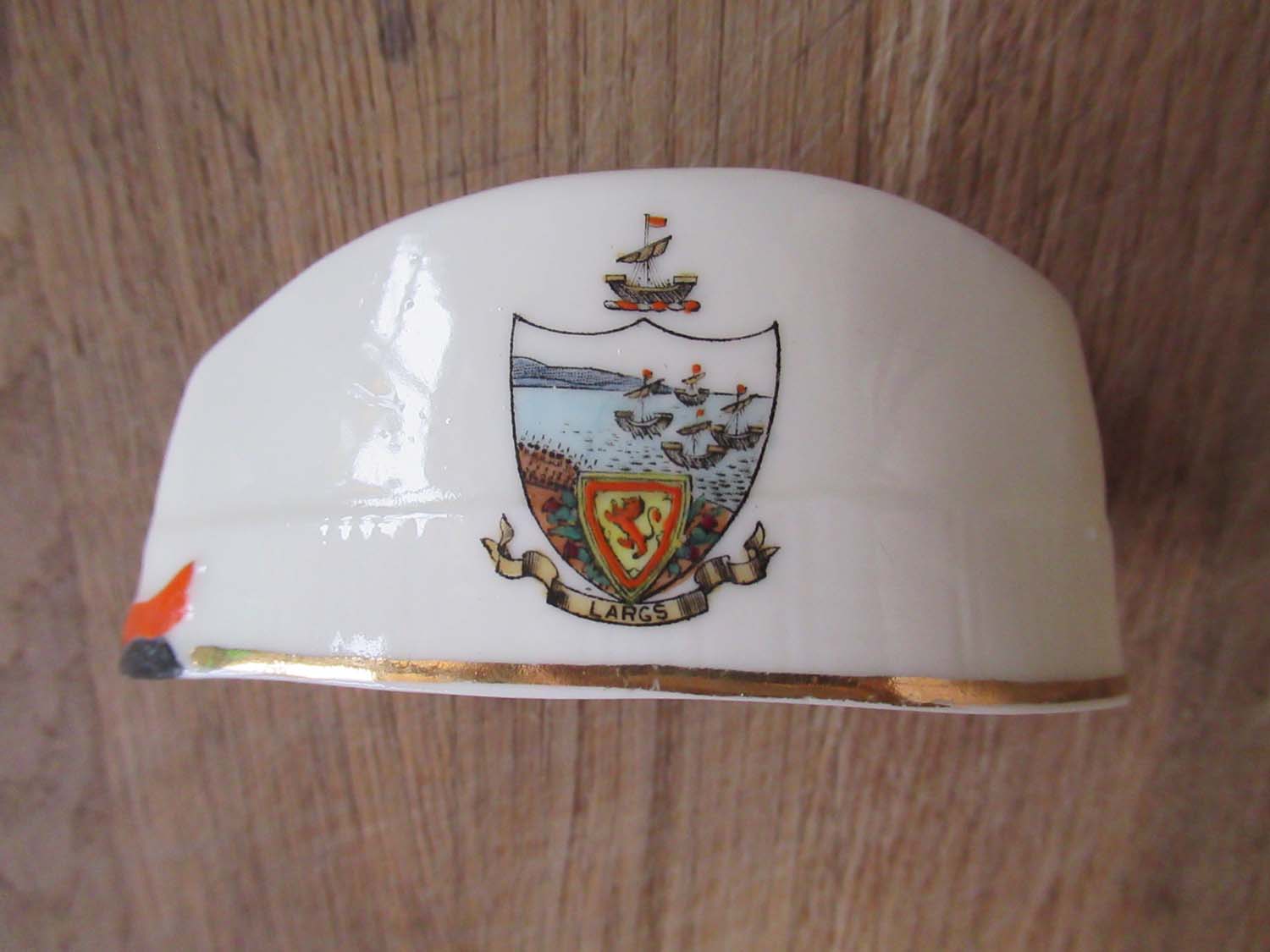
£35
|
|
Click on pictures to enlarge
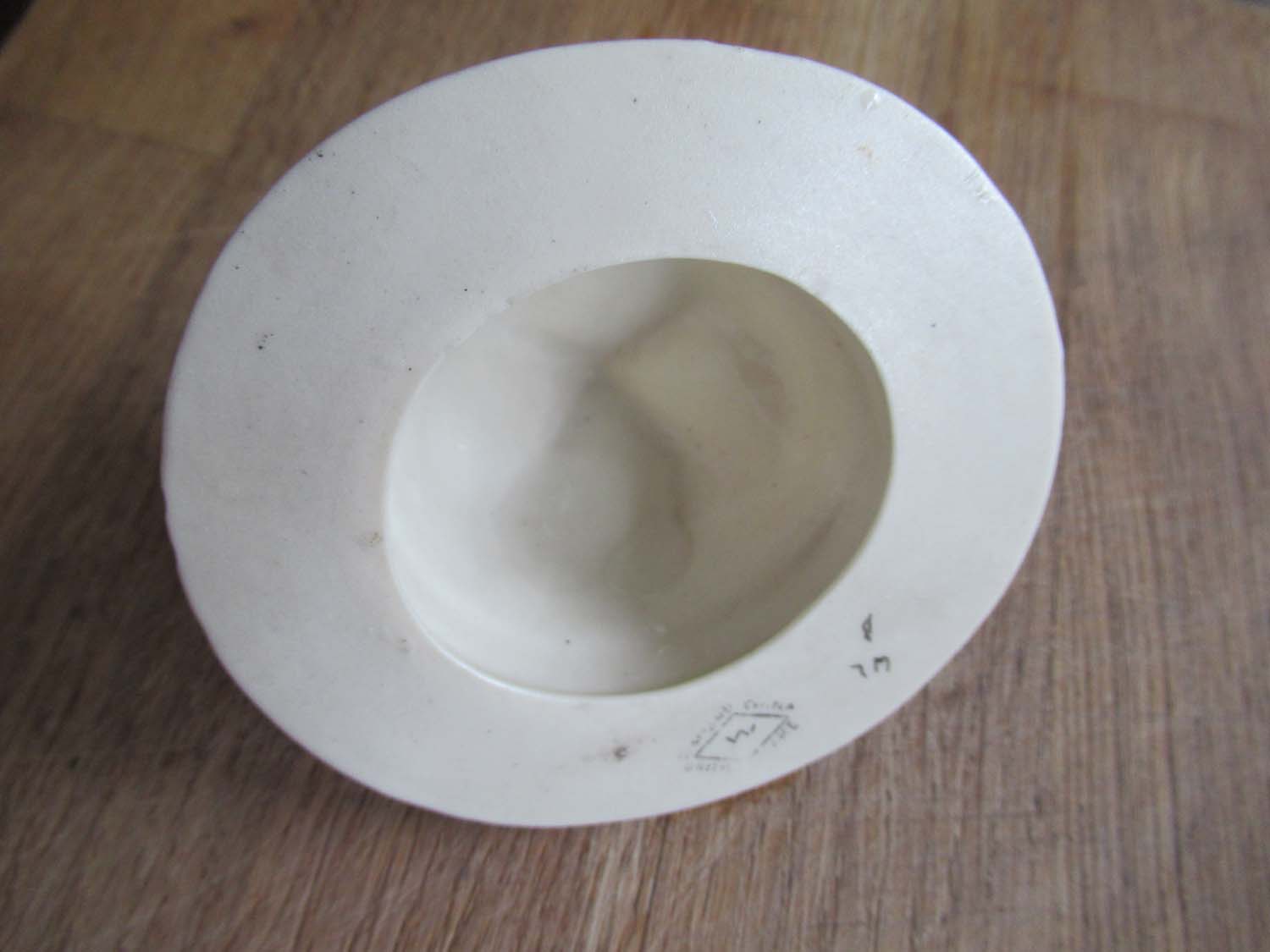
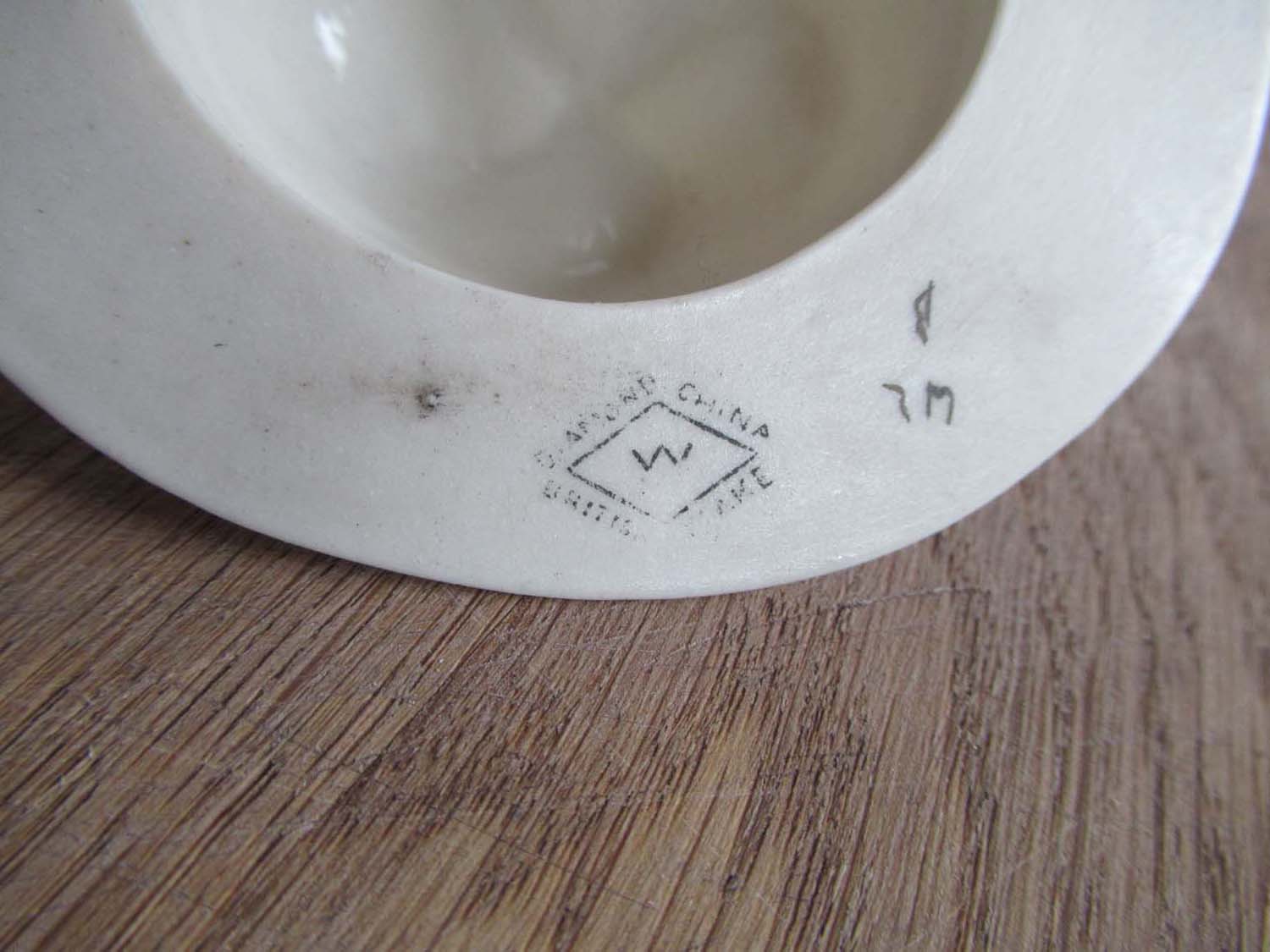 |
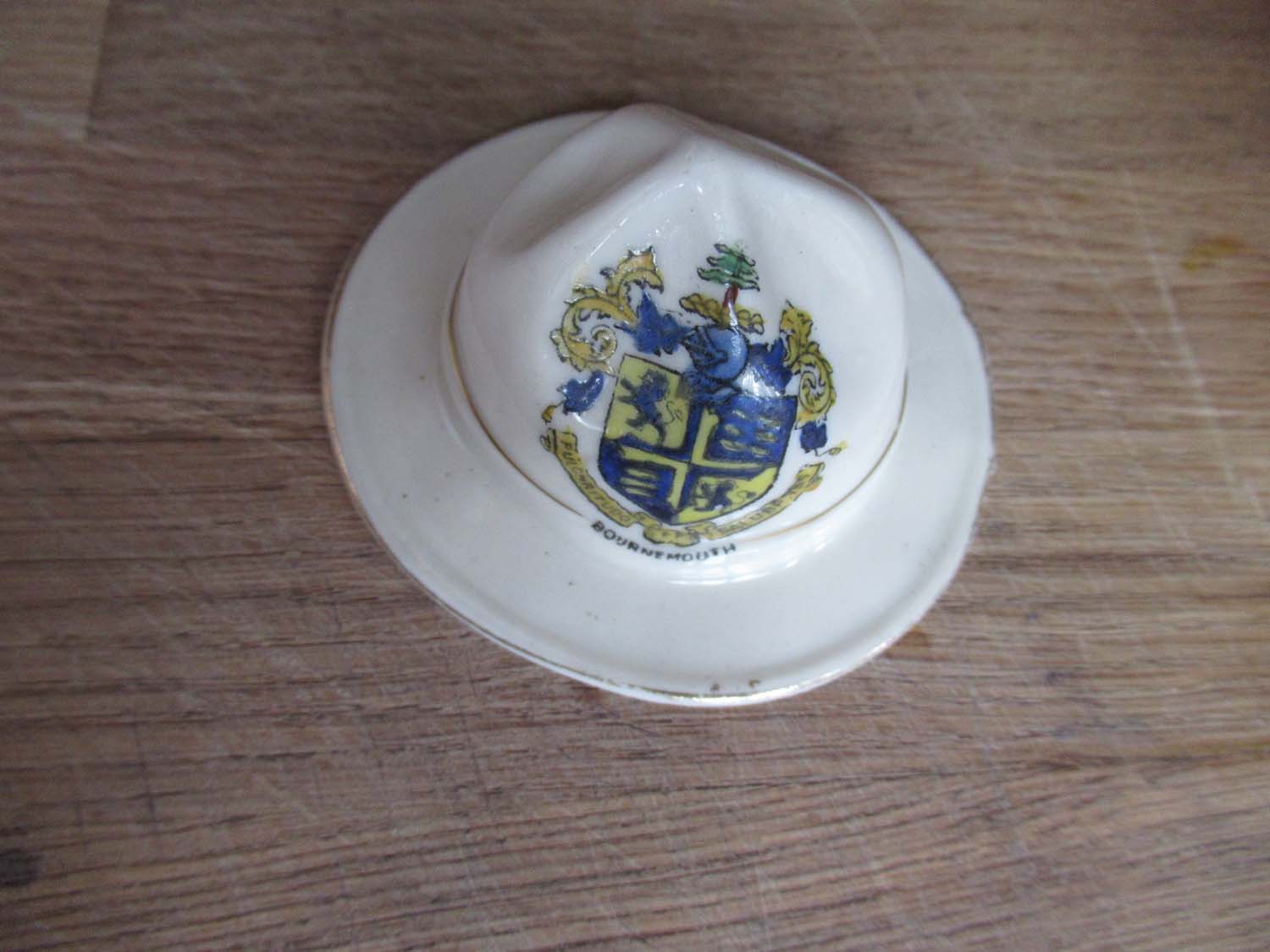
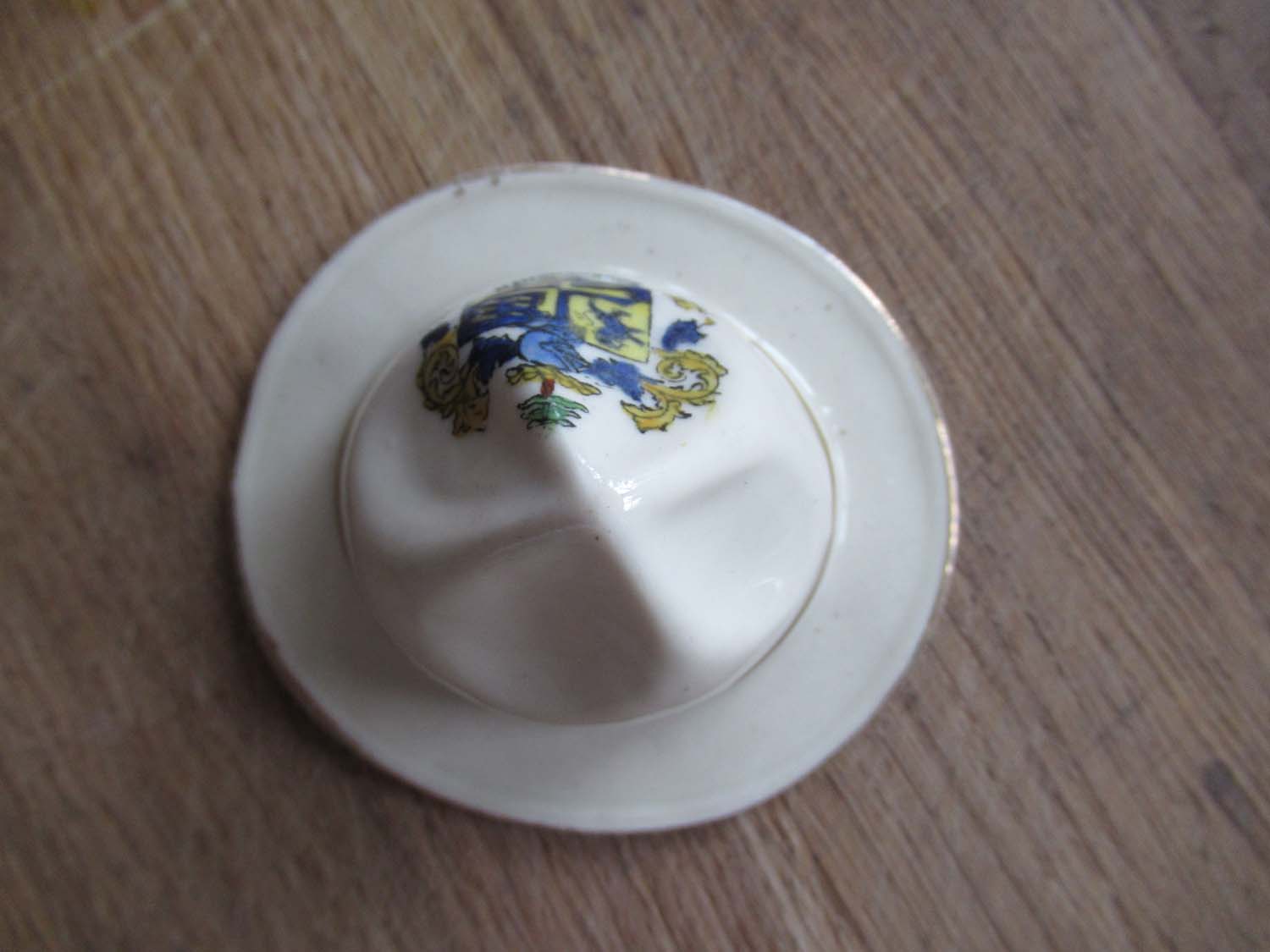
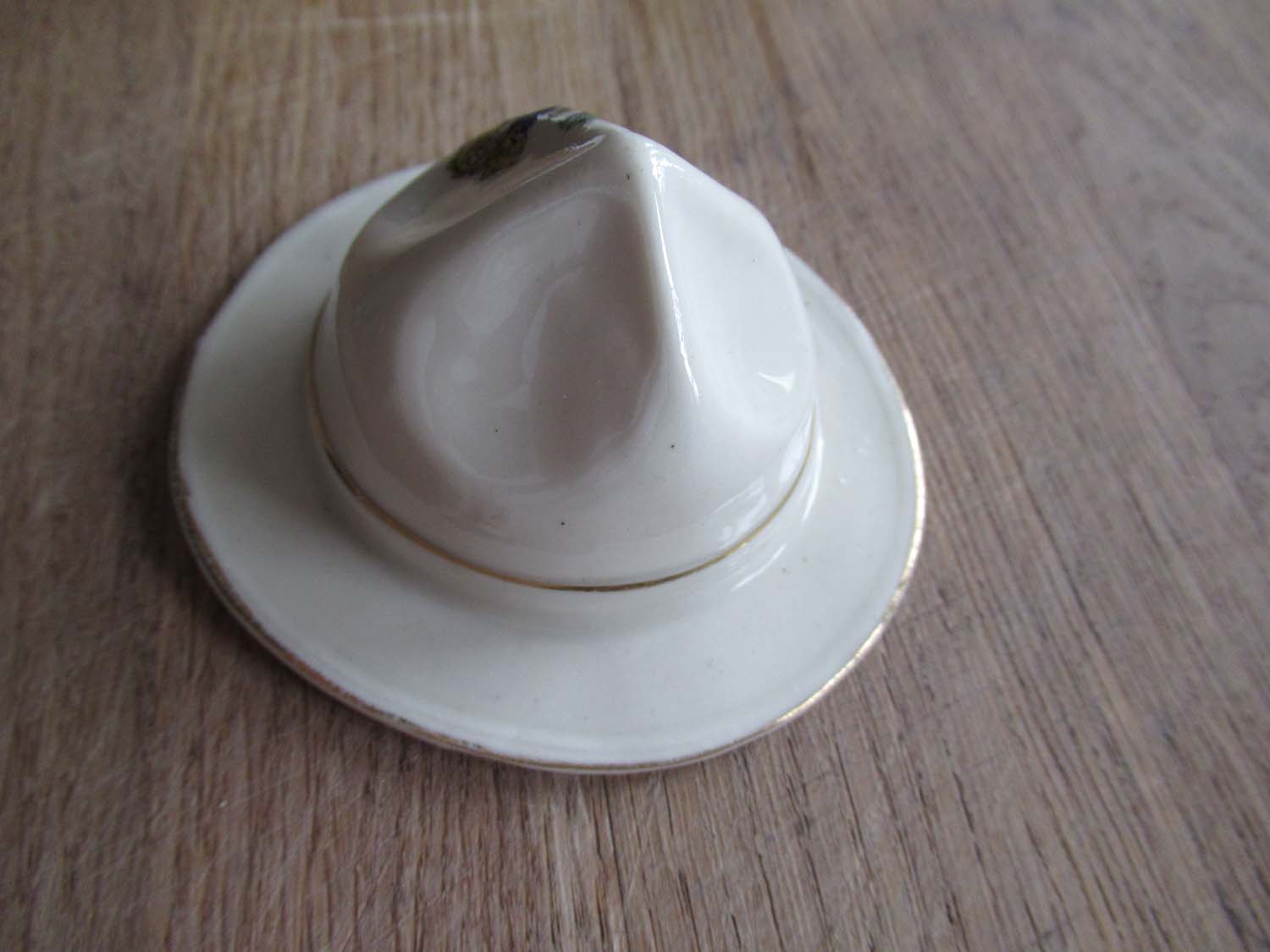
Diamond
China Colonial Scouts Hat (Pg 1 SAS)
Here we have a Colonial Scoutshat
collectable.
This has the Bournemouth Crest.
Click on pictures to enlarge
£30
|
|
Click on pictures to enlarge
|
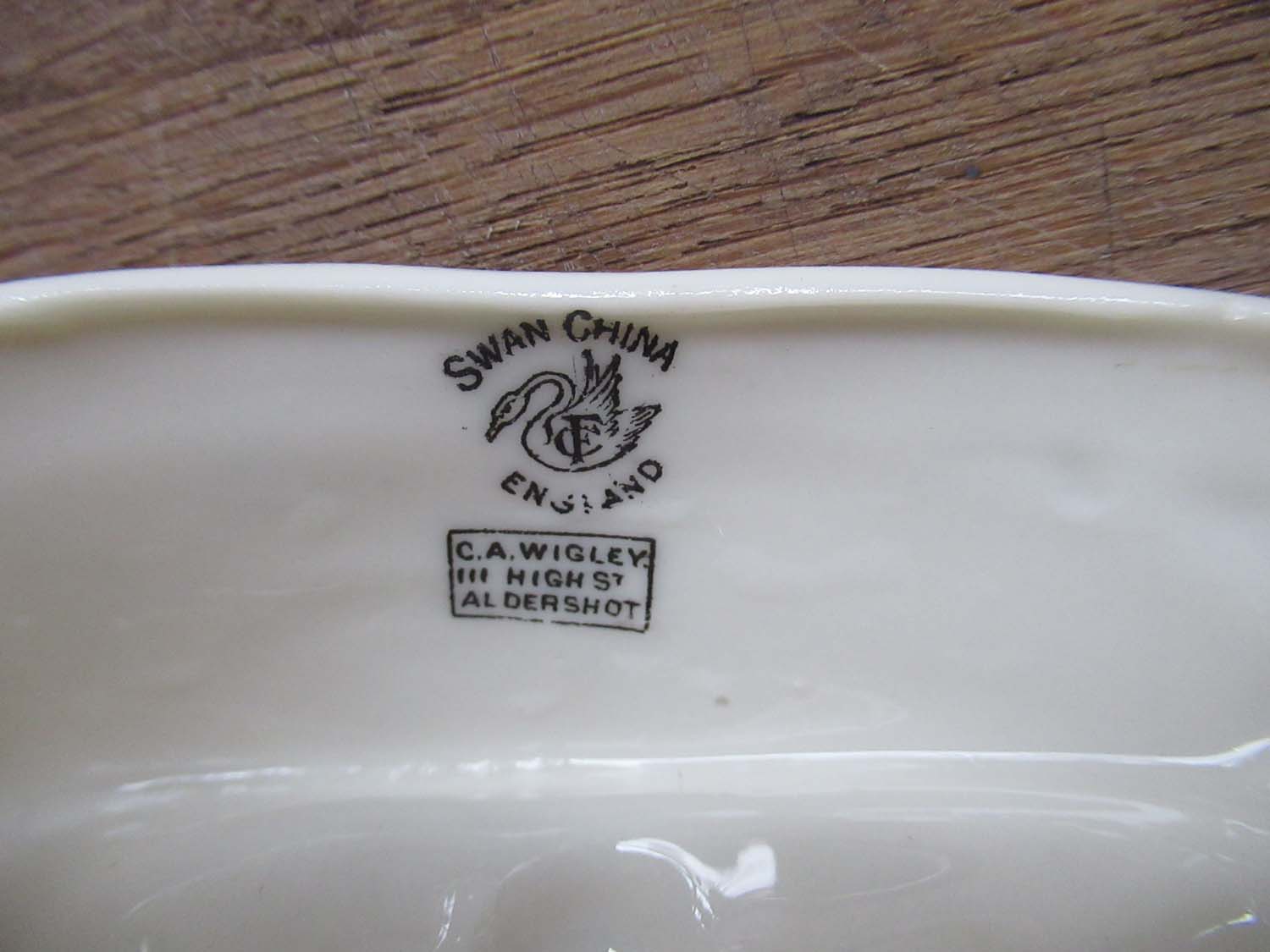
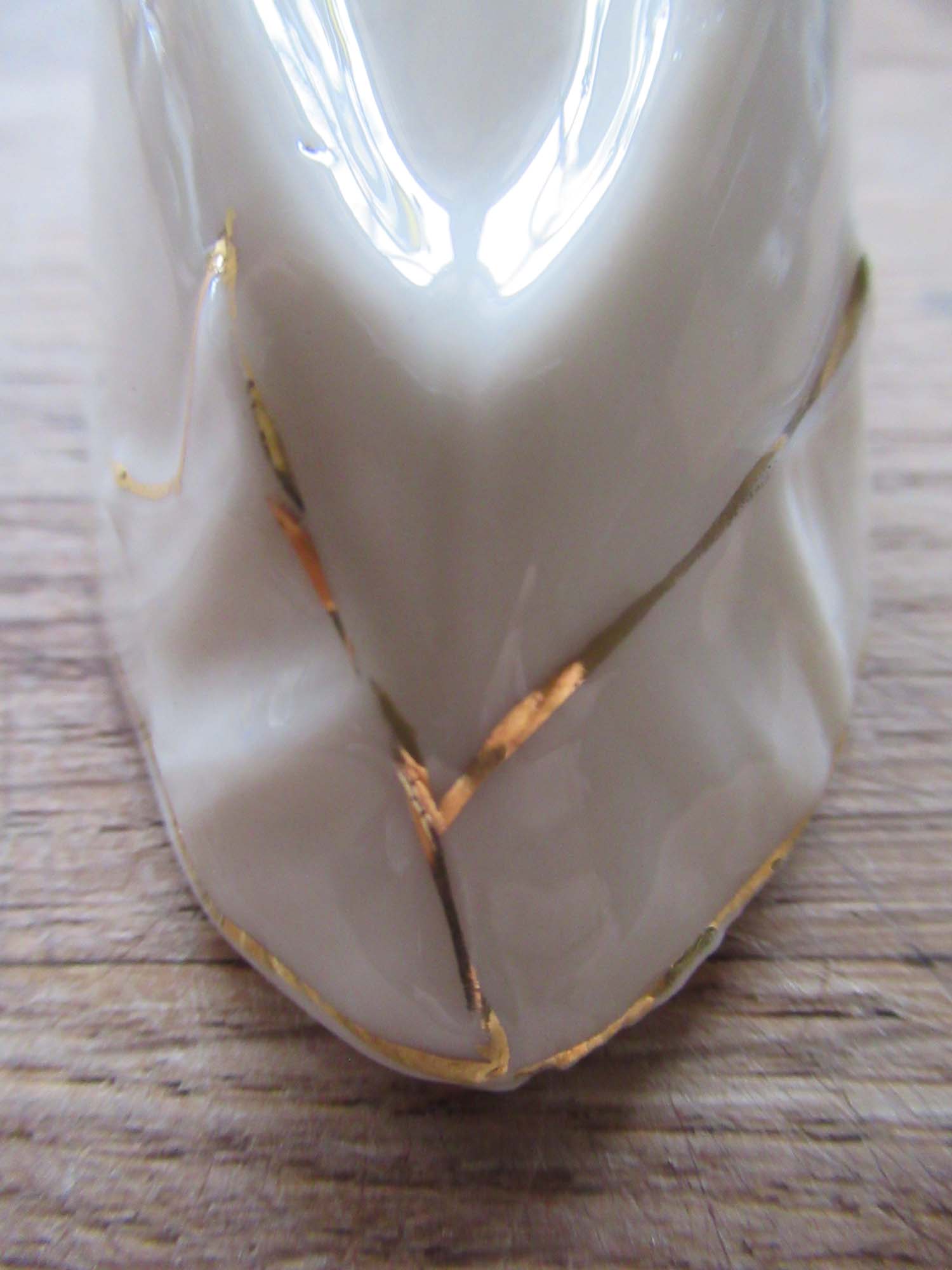
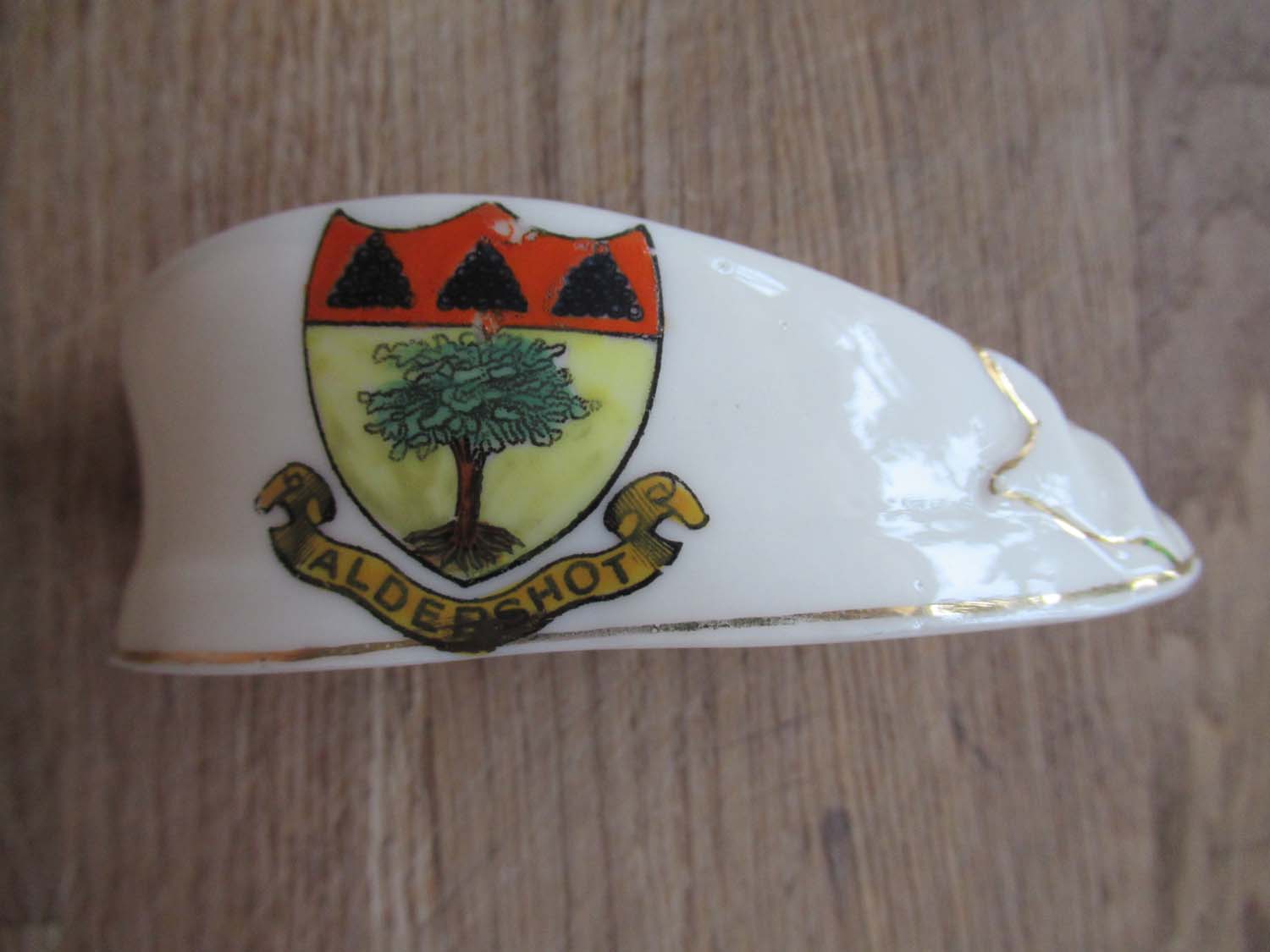
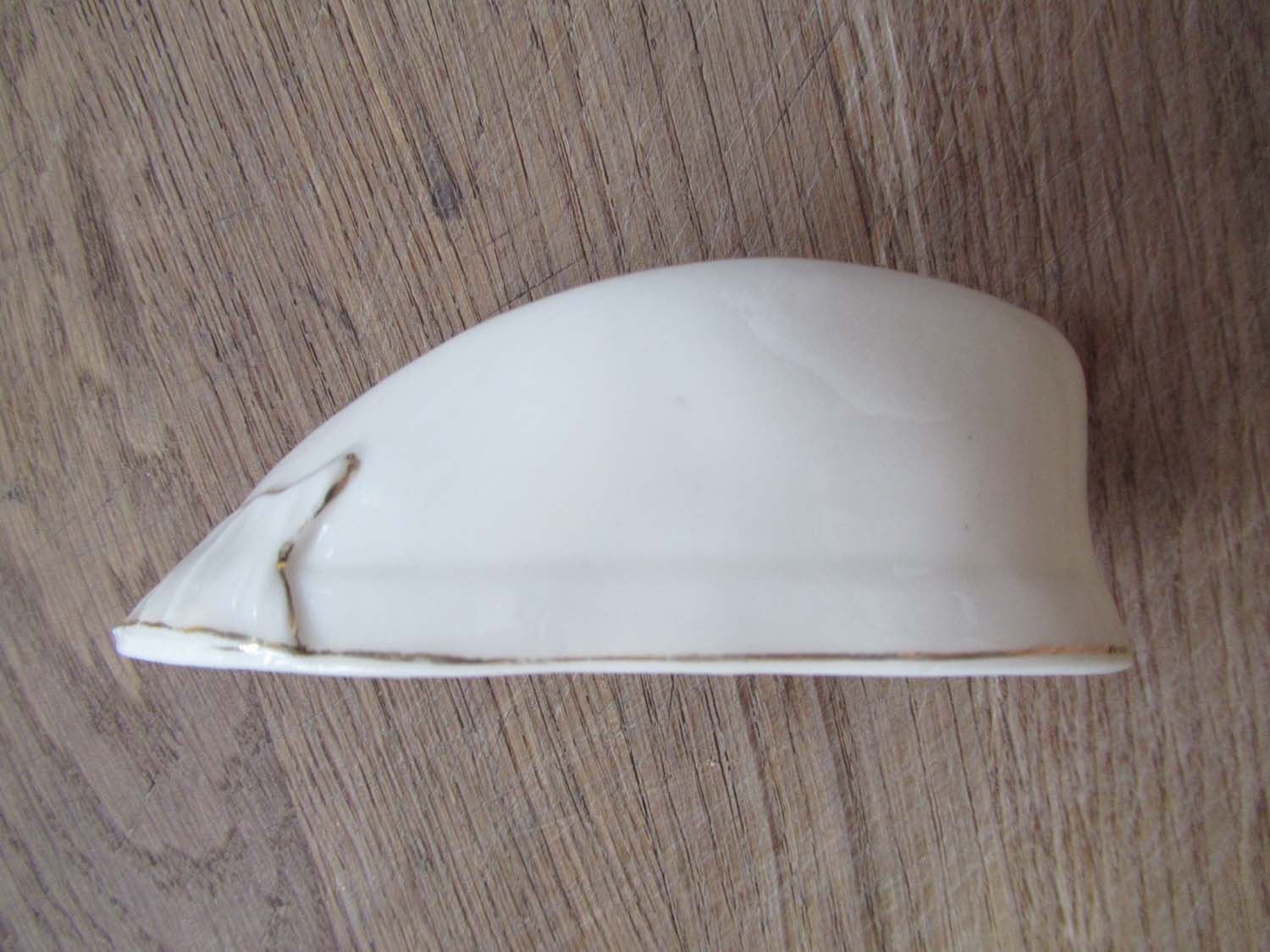
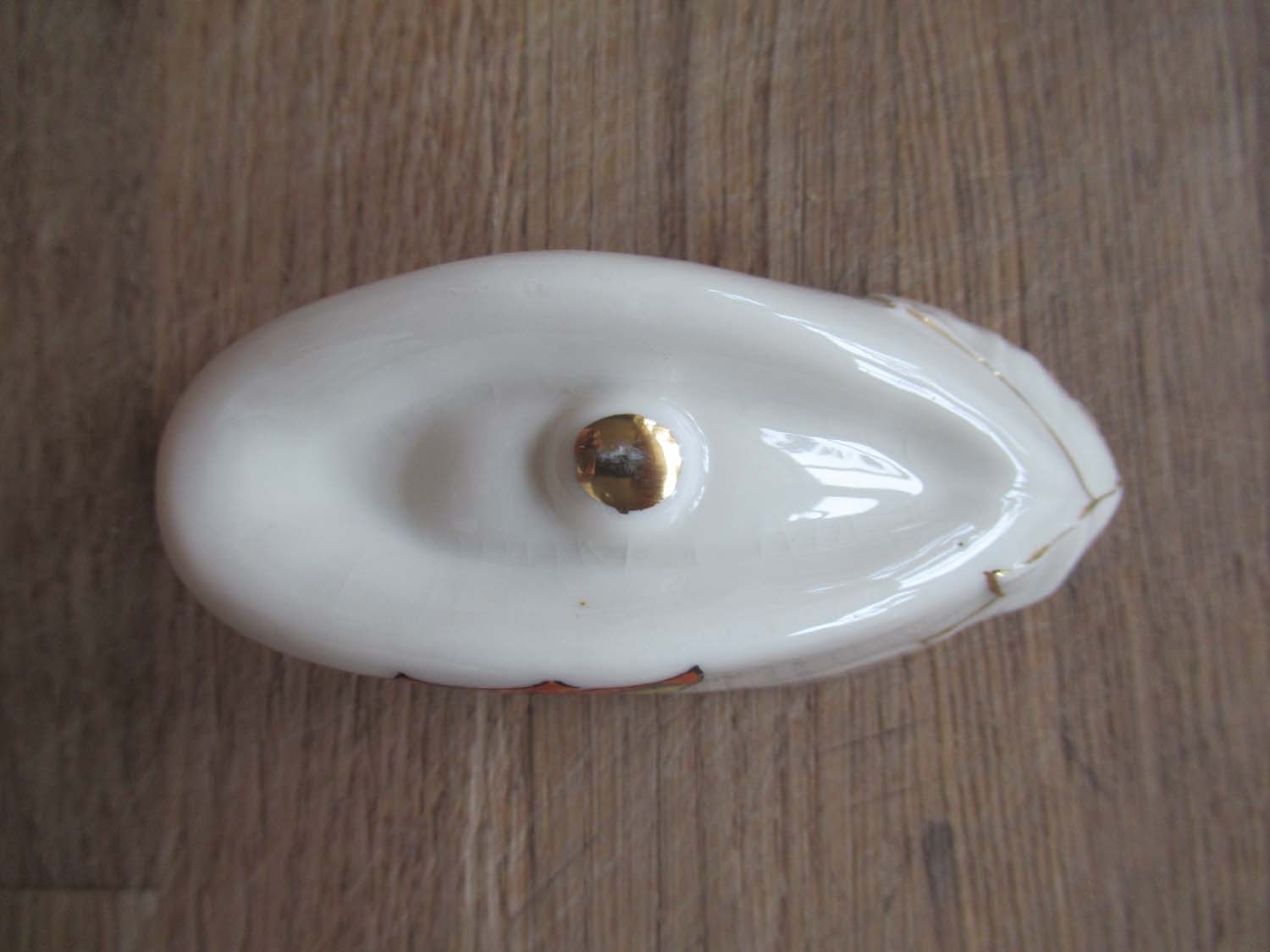
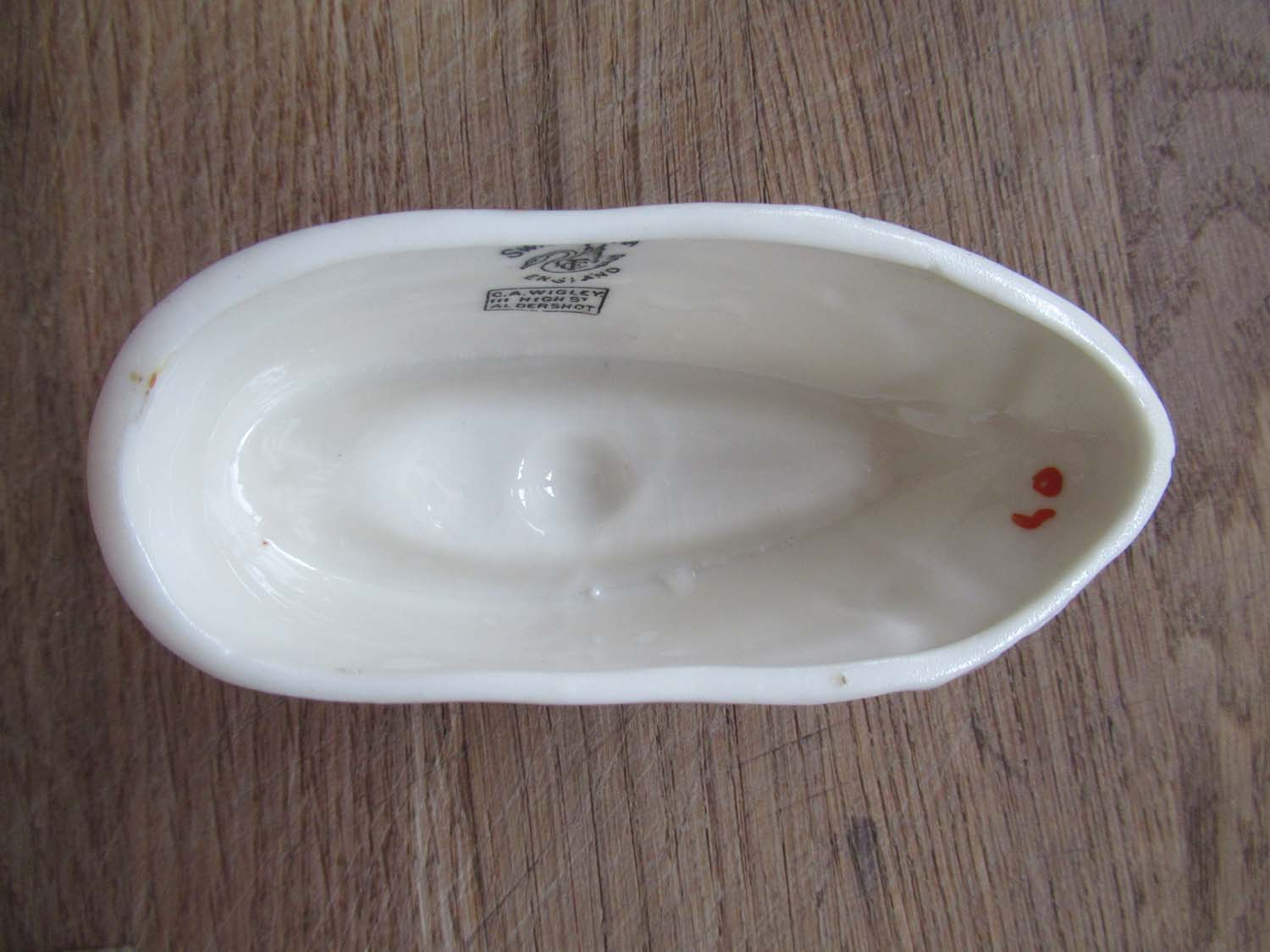
Swan Crested
China Military Cap (Pg 1 SAS)
Here we have a cap collectable. This is
made by Swan China and has the Aldershot Crest.
Click on pictures to enlarge
£30
|
|
Click on pictures to enlarge
|
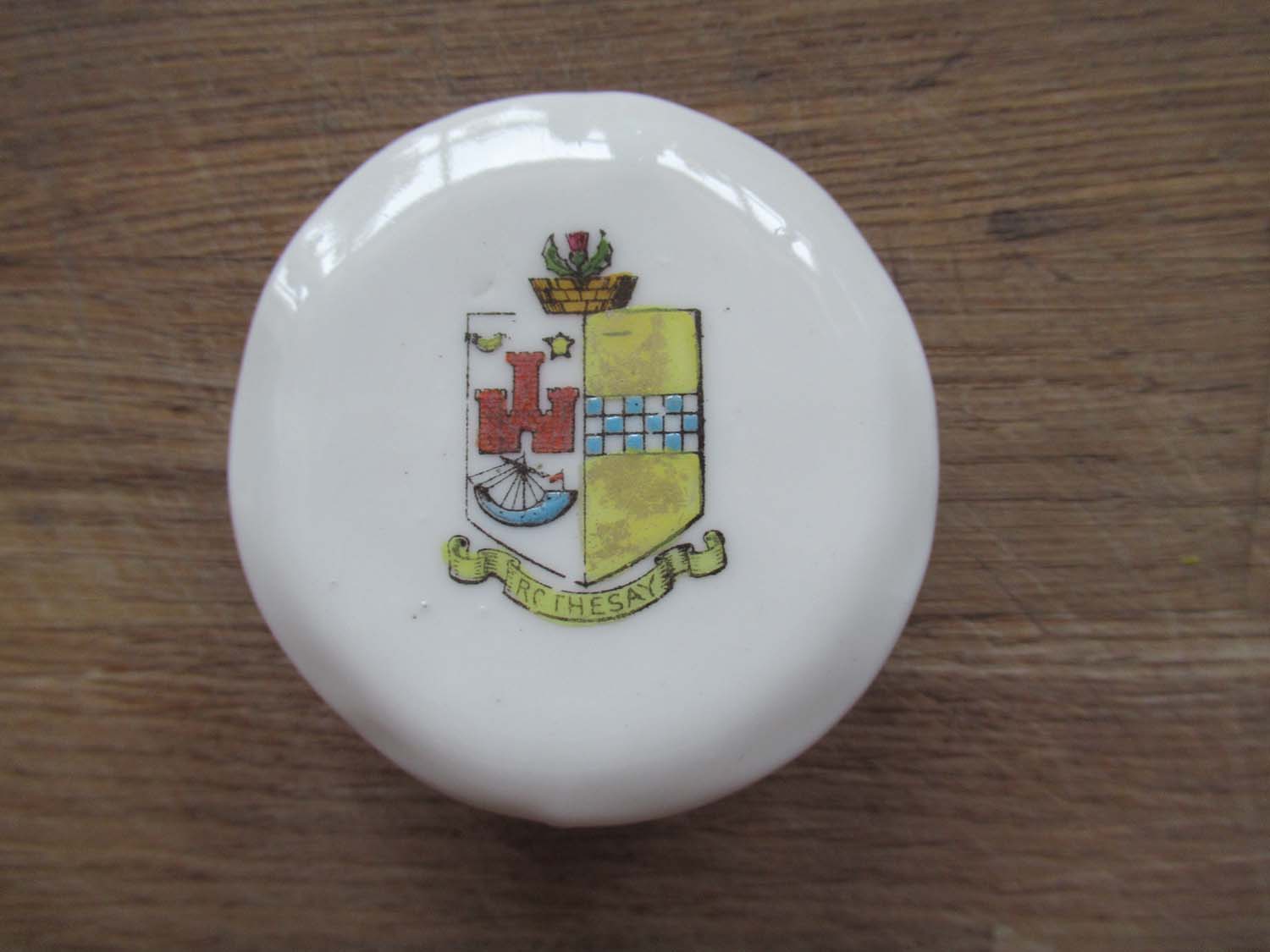
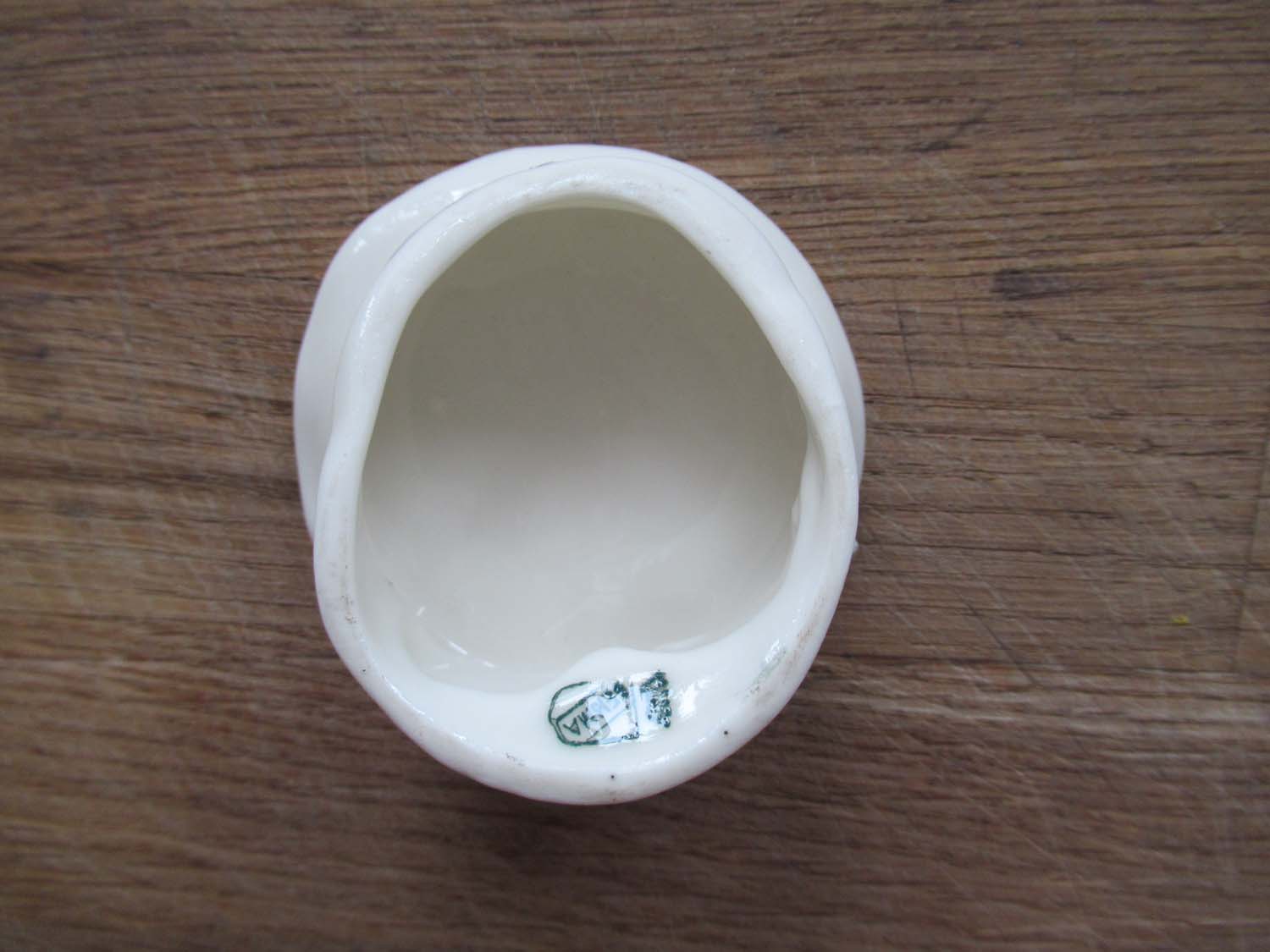
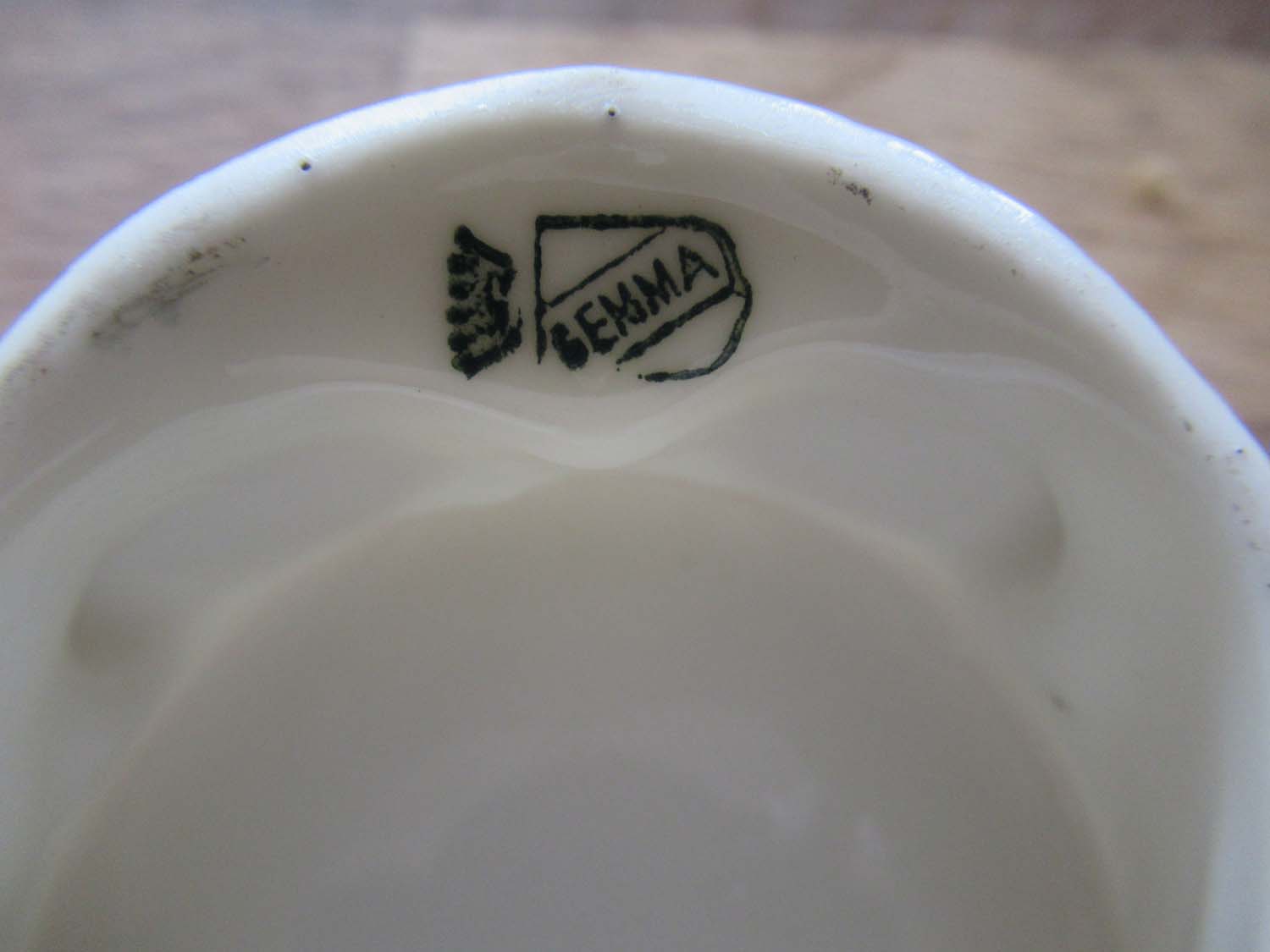
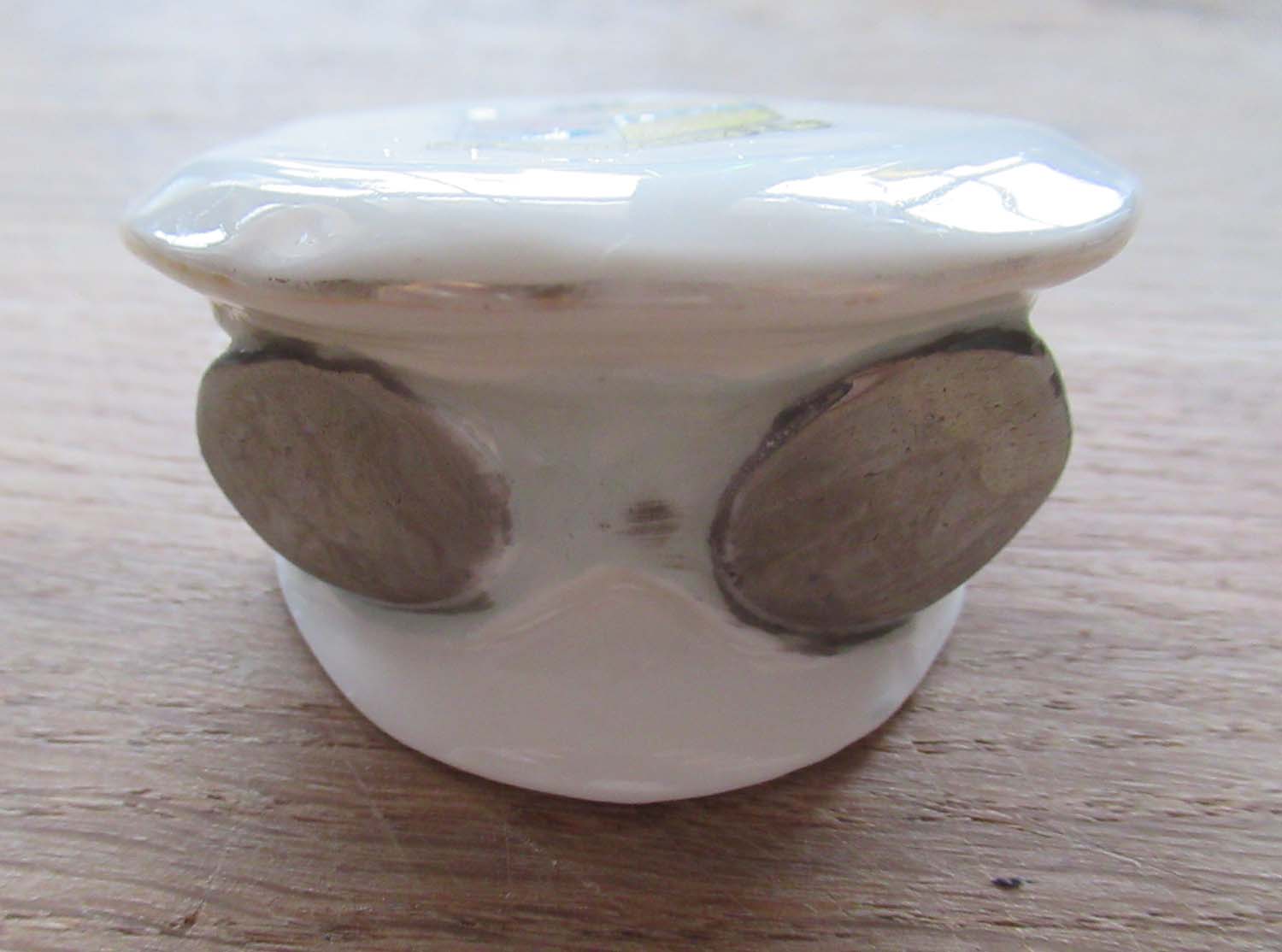
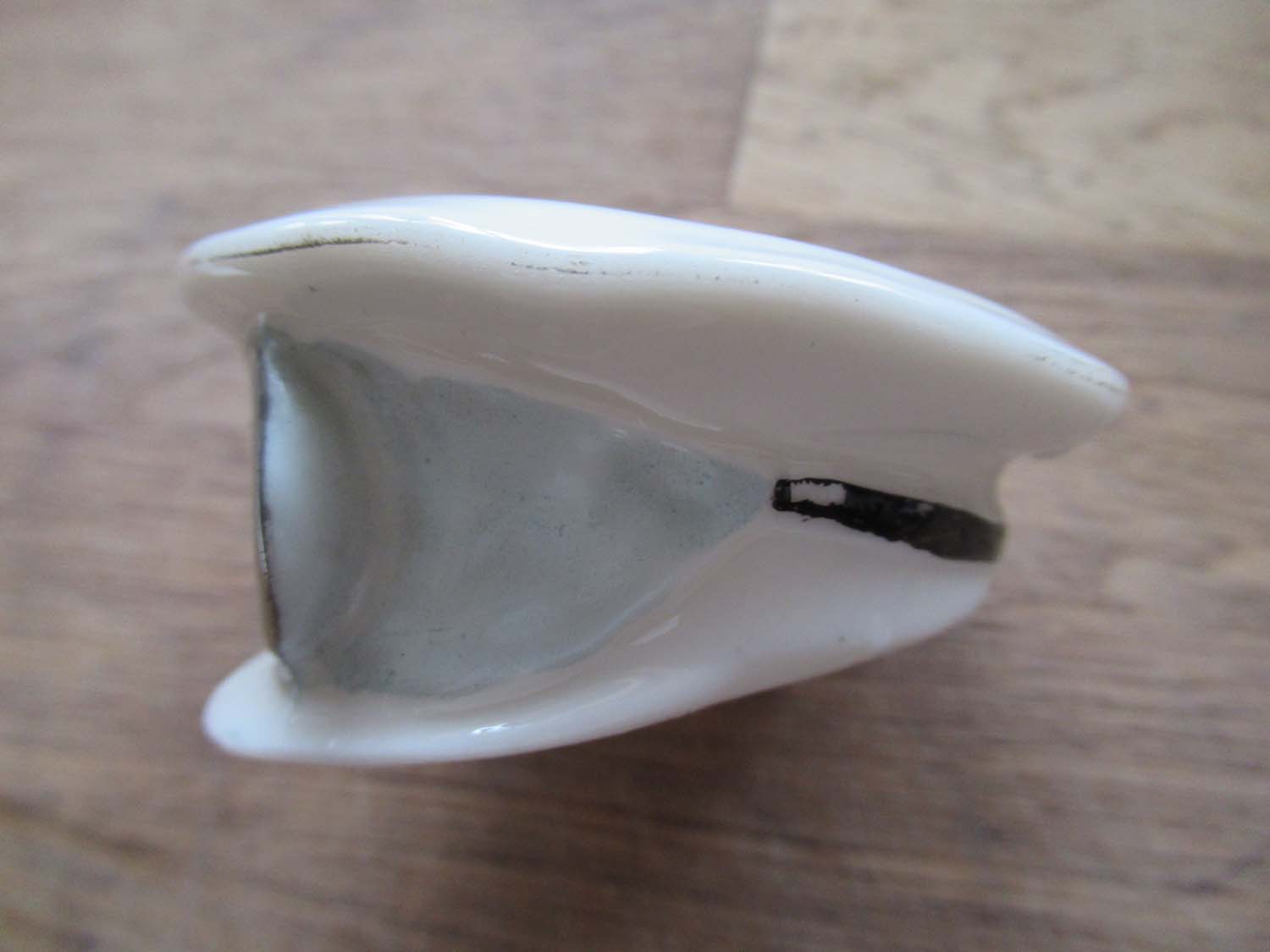
Gemma Crested
China Military Cap (Pg 1 SAS)
Here we have a WW1
Military Cap collectable.
This is made by Gemma China and has the Rothesay Crest.
Click on pictures to enlarge 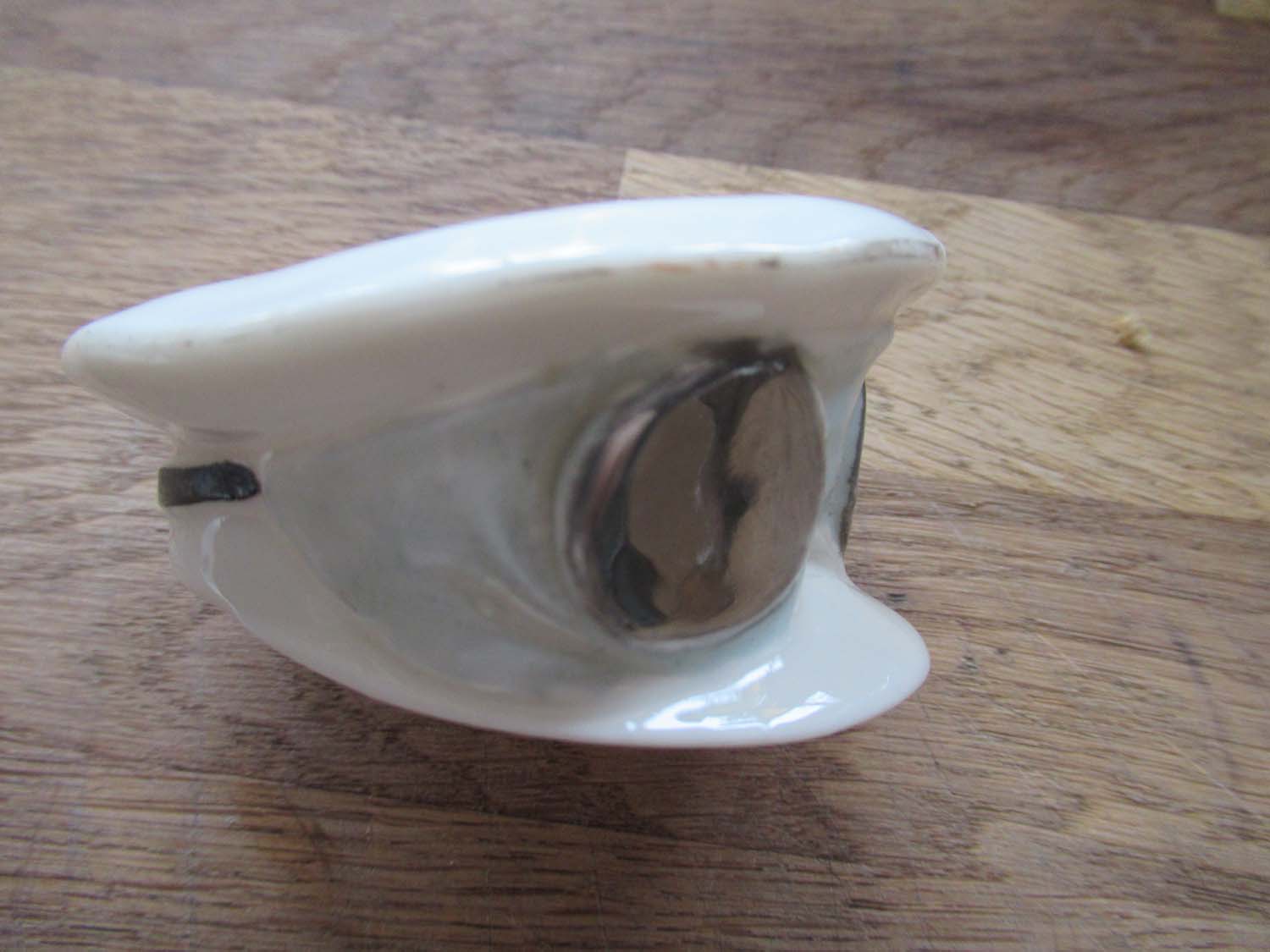
£30
|
|
Click on pictures to enlarge
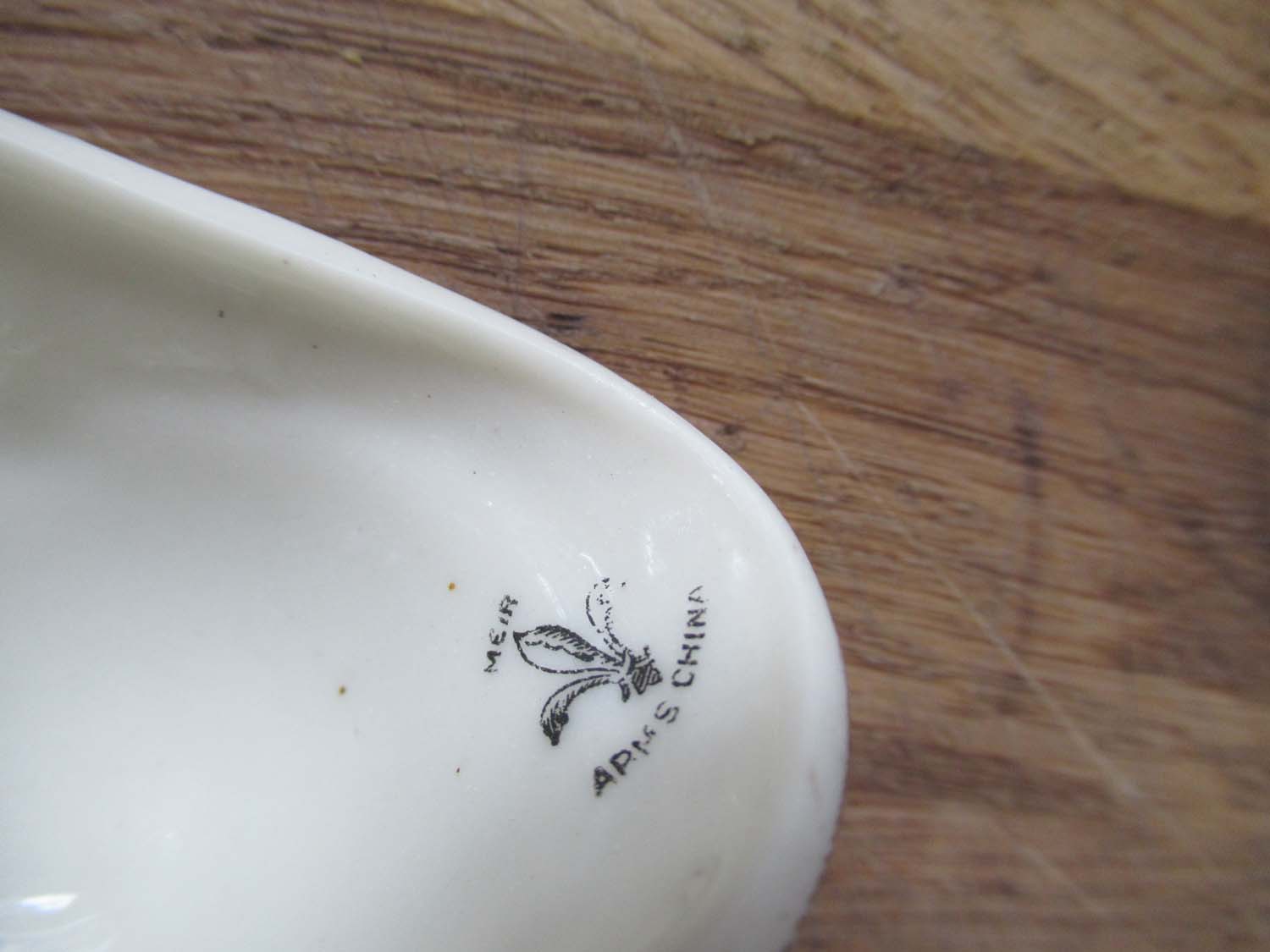 |
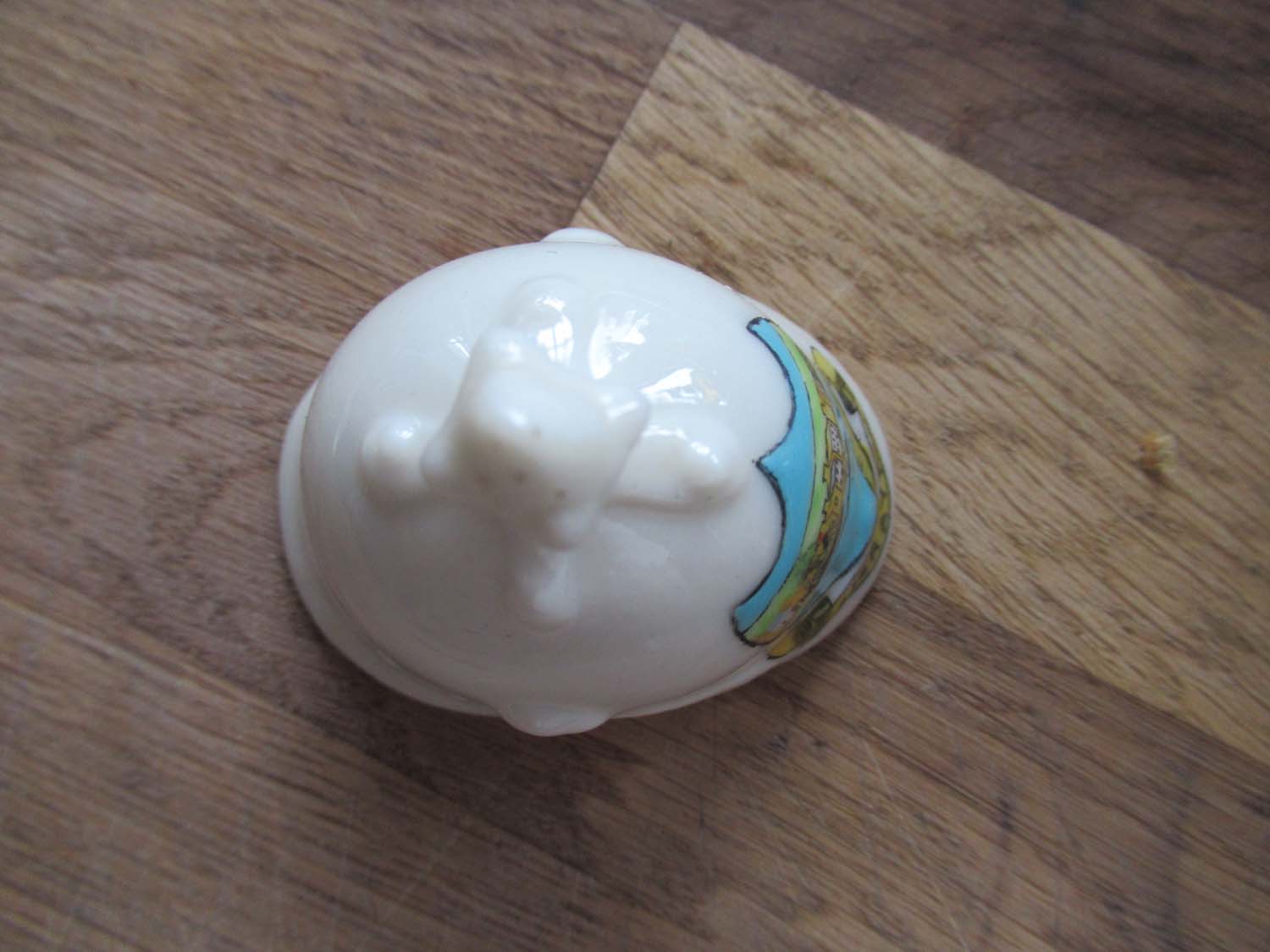
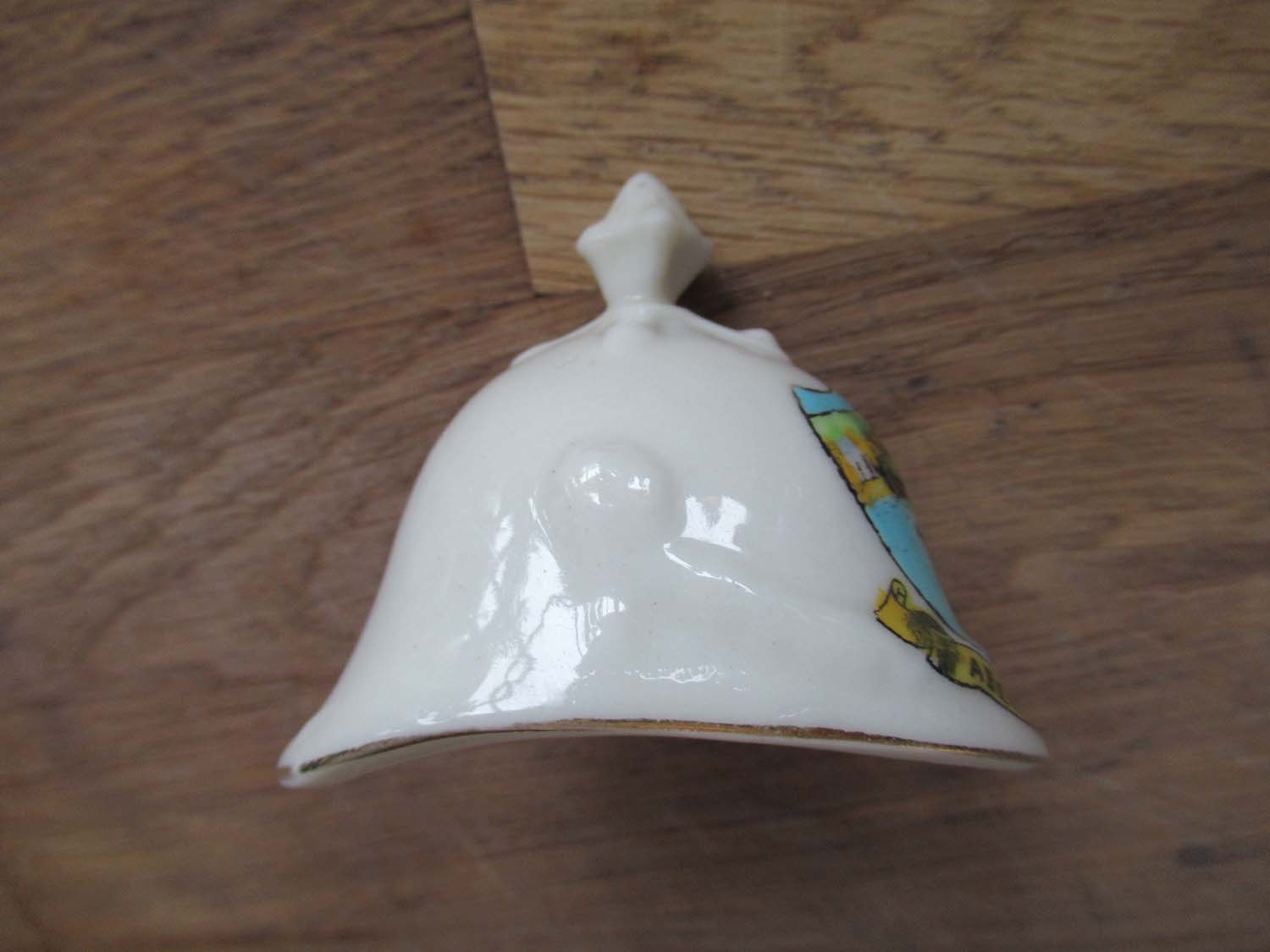
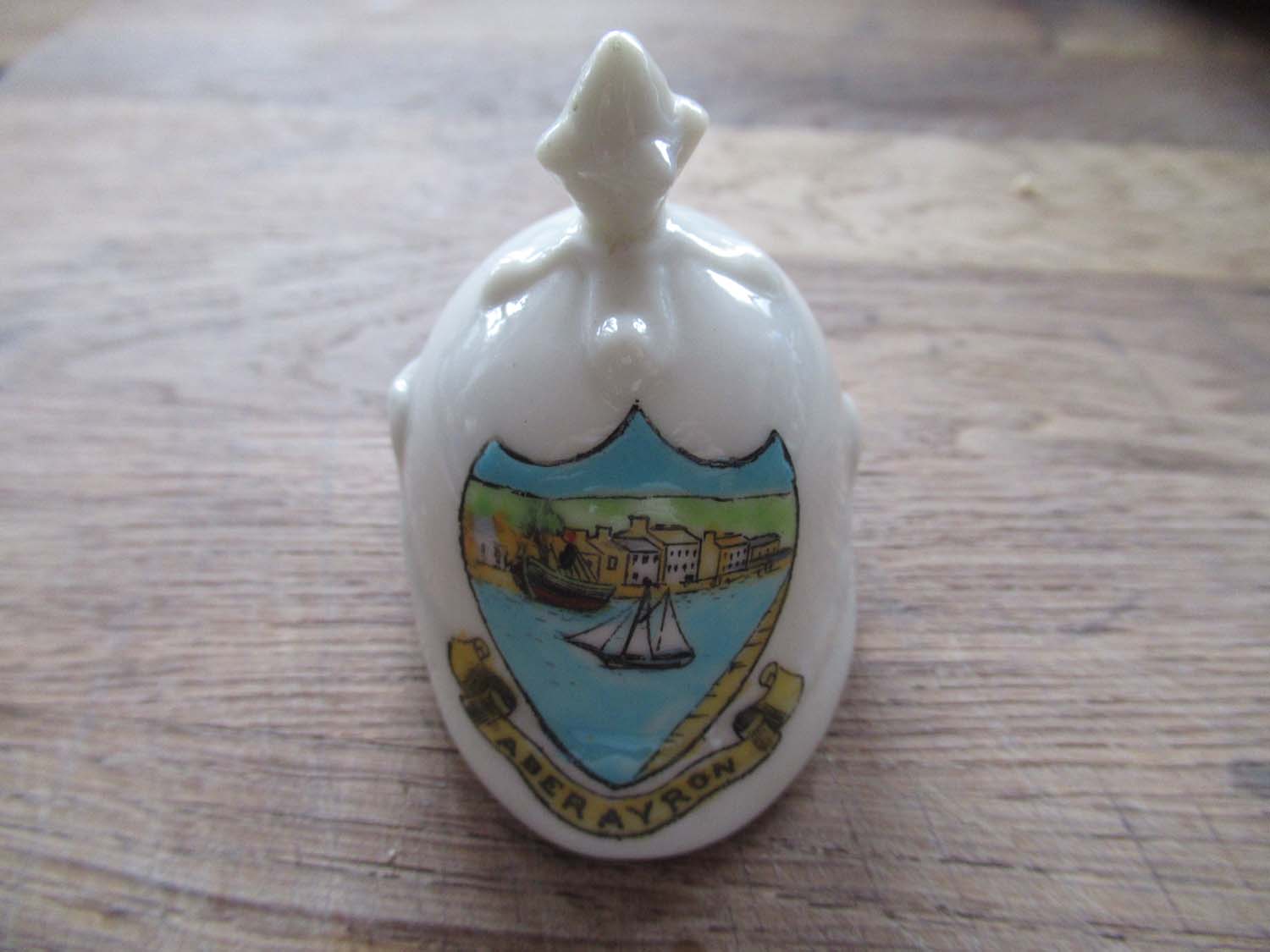
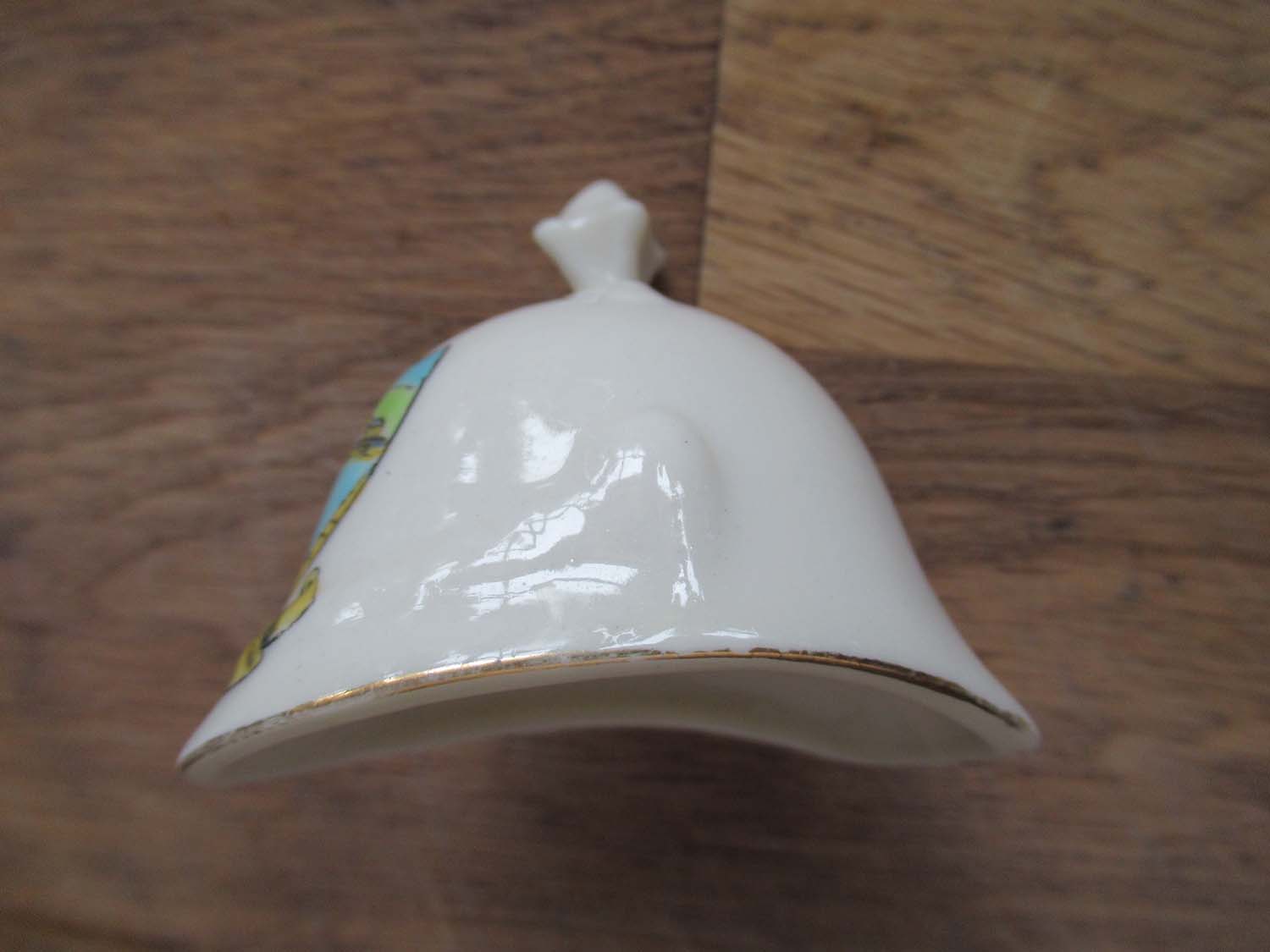
Arms Crested
China Military Helmet (Pg 1 SAS)
Here we have a WW1 military helmet
collectable.
This is made by Arms China and has the Aberayron Crest.
Click on pictures to enlarge
£30
|
|
Click on pictures to enlarge
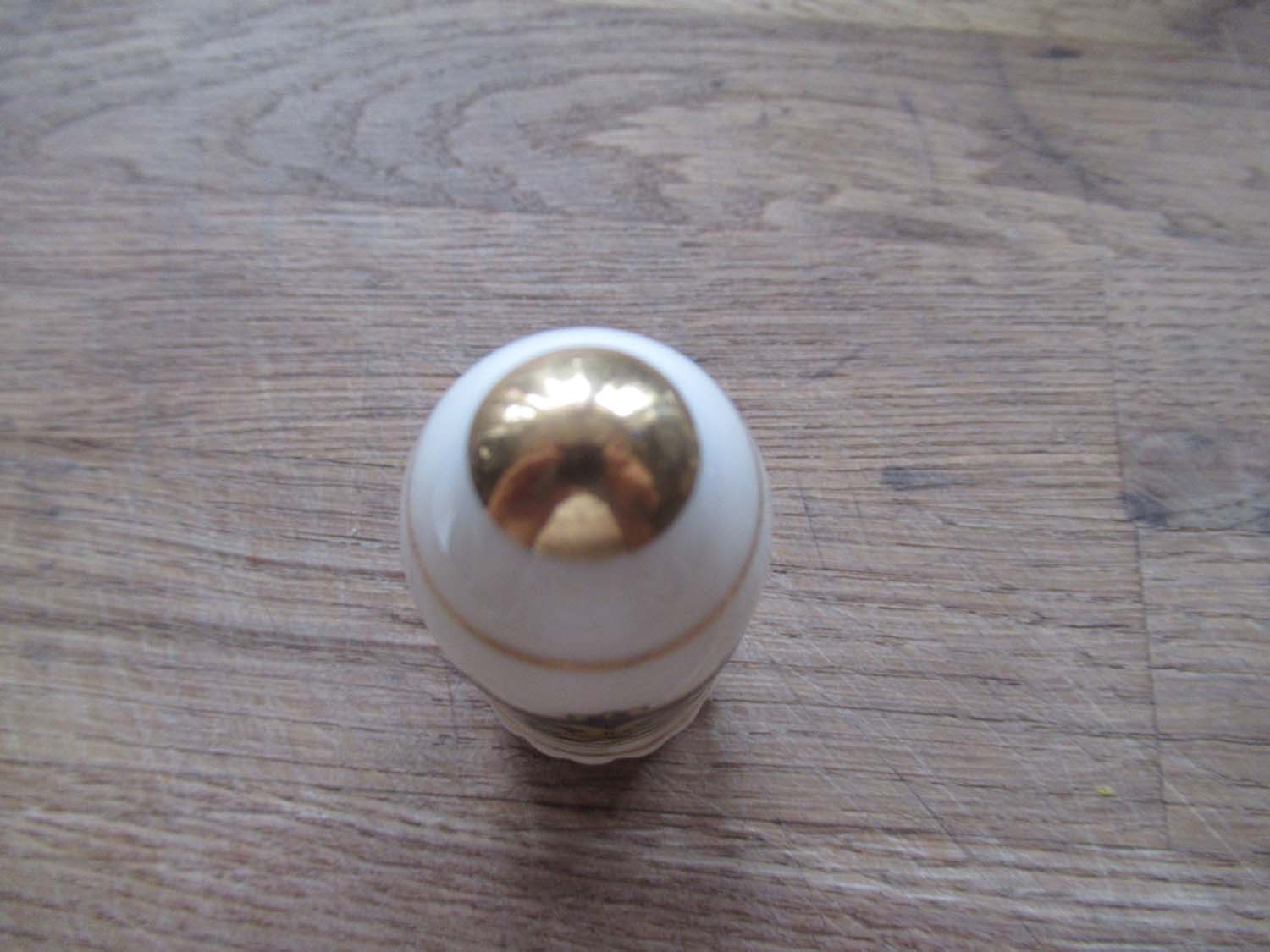 |
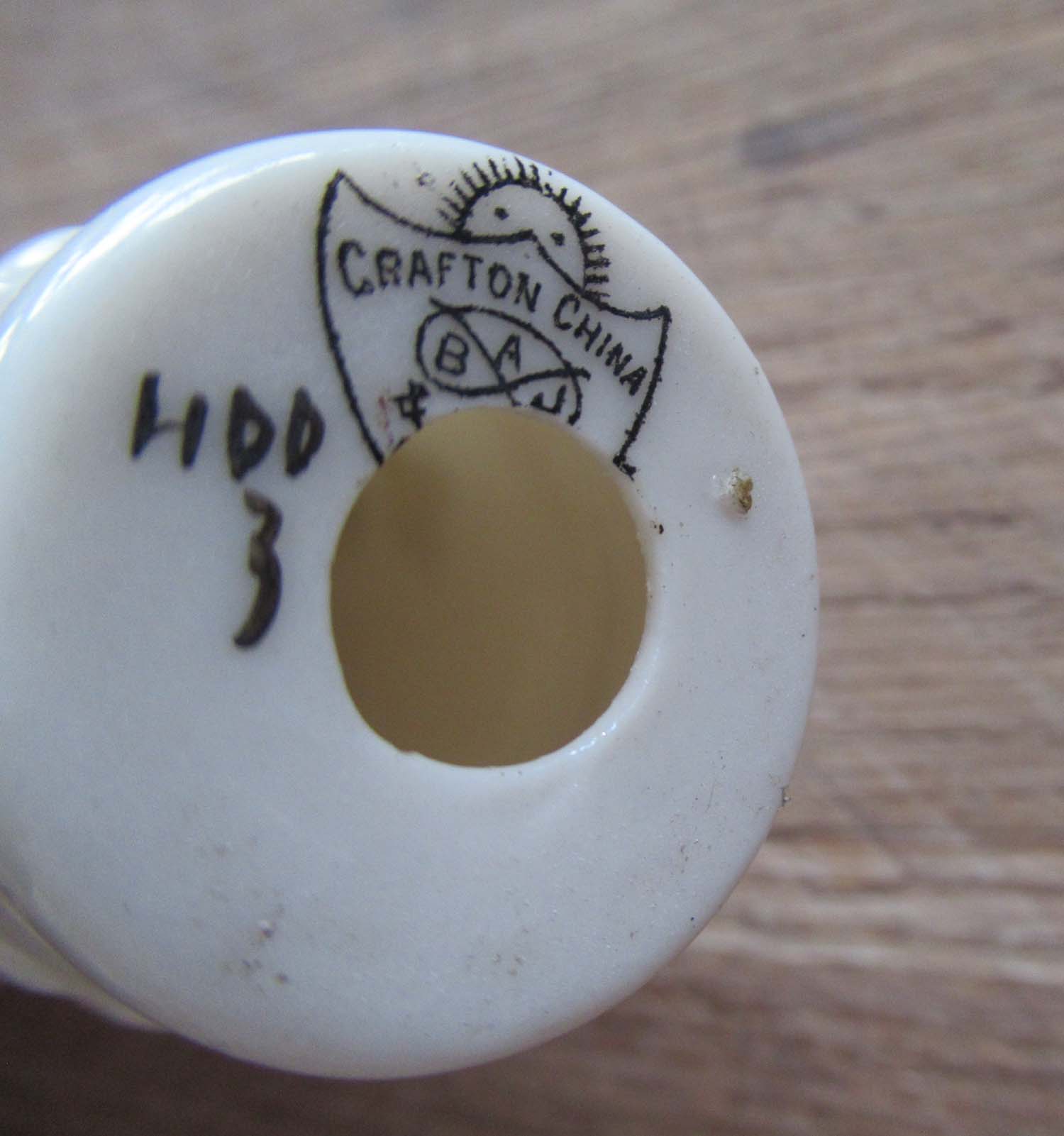
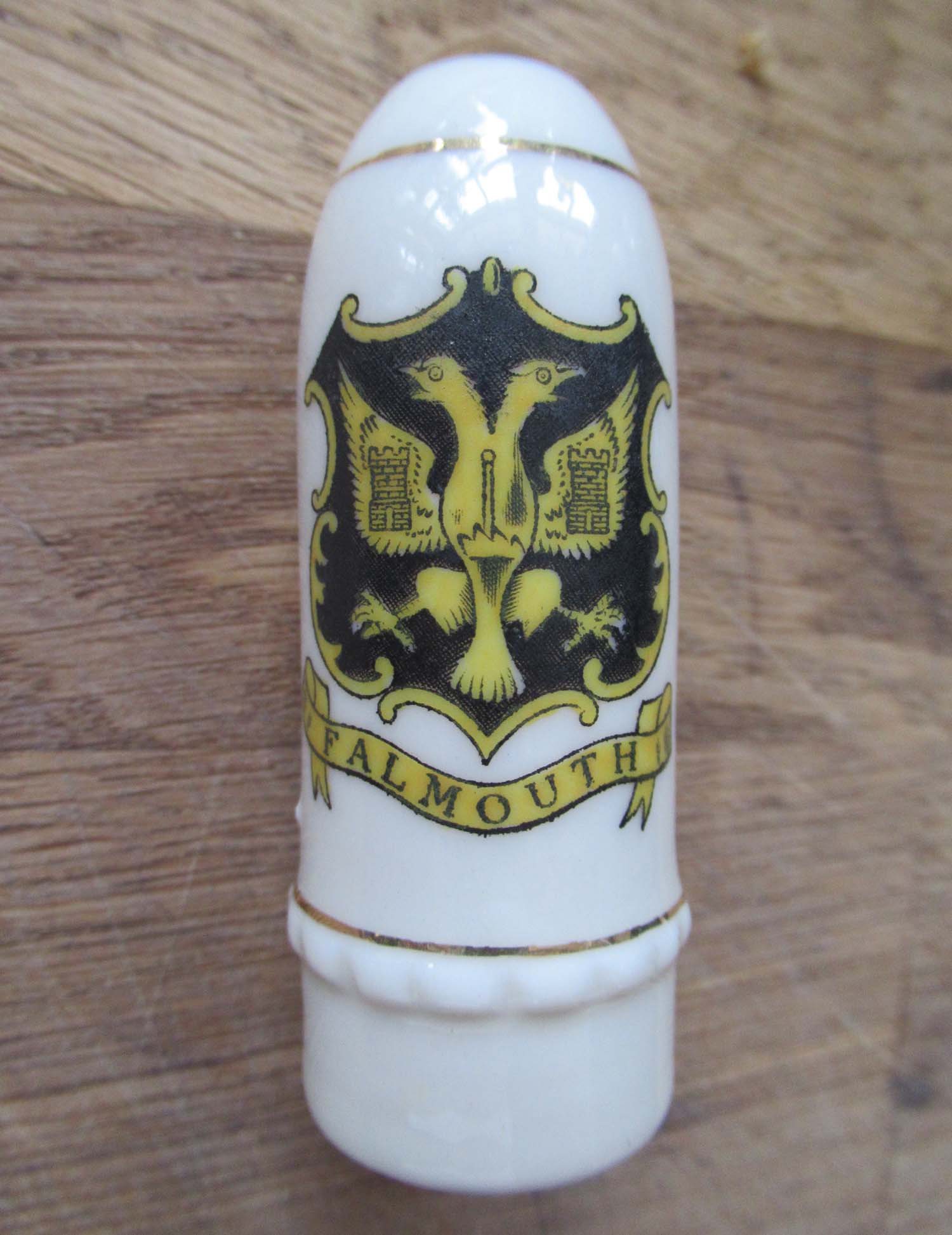
Grafton Crested
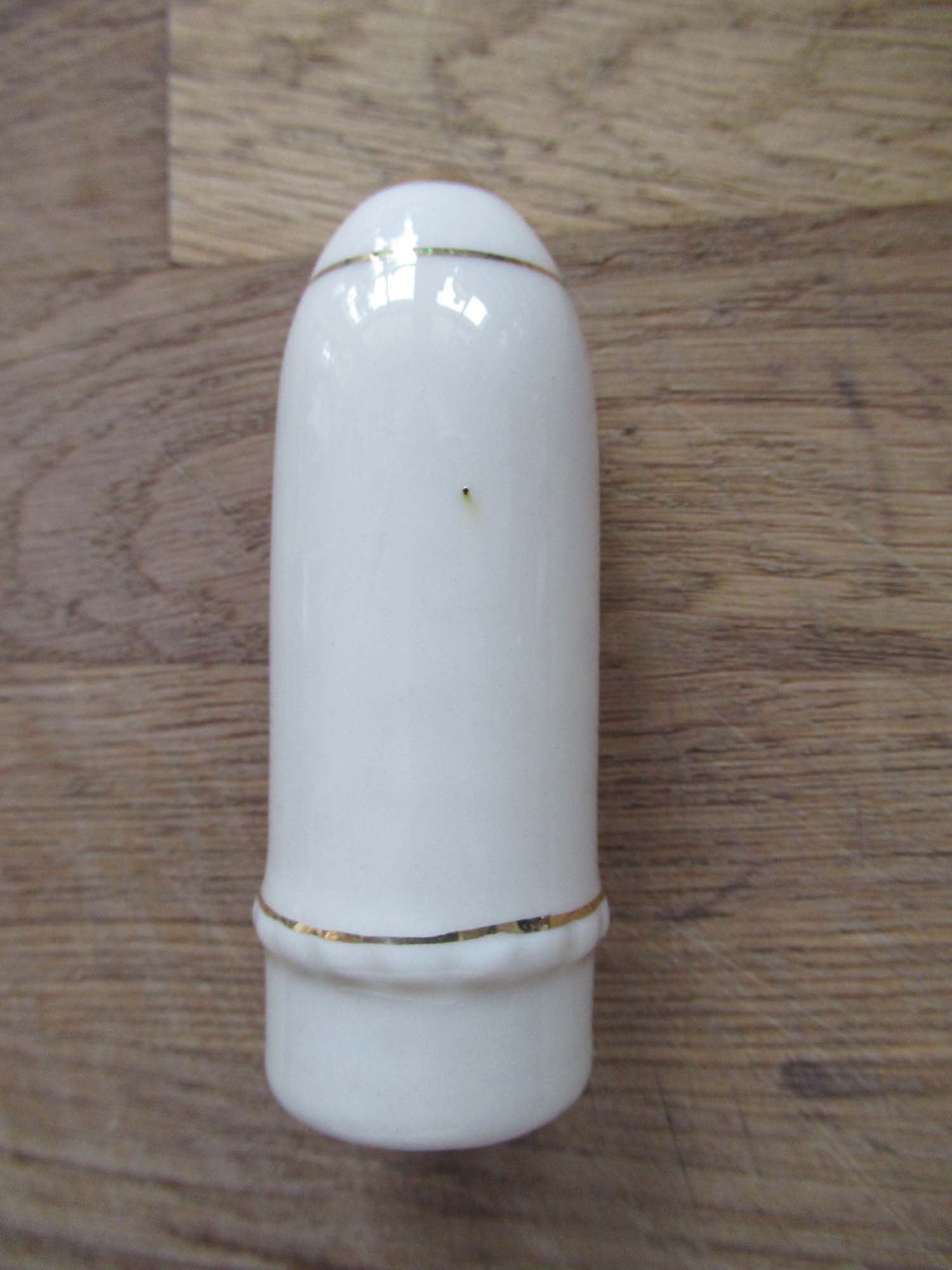
China Artillery Shell (Pg 1 SAS)
Here we have a WW1 artillery
shell collectable.
This is made by Grafton China and has the Falmouth Crest.
Click on pictures to enlarge
£30
|
|
Click on pictures to enlarge
 |
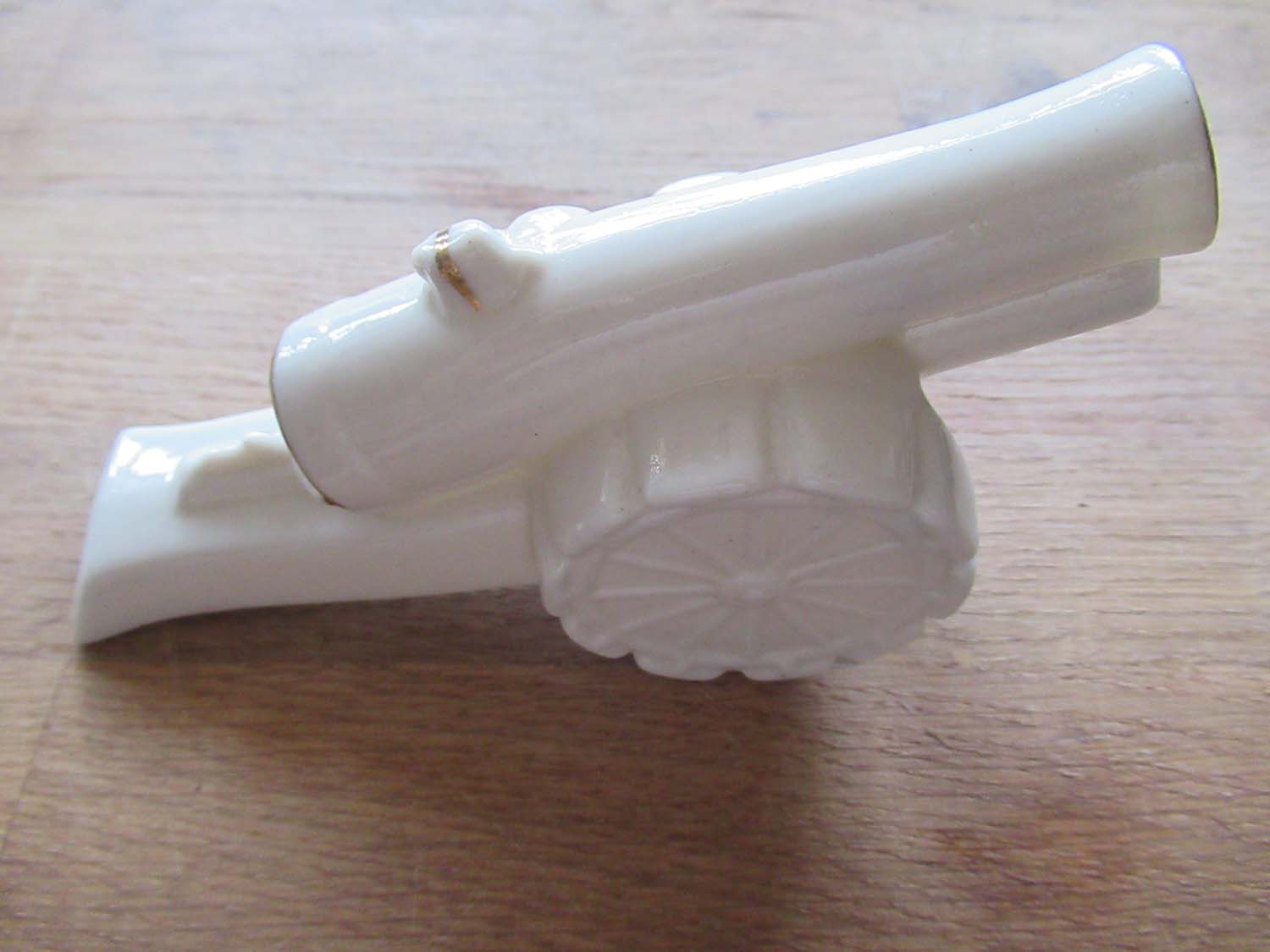
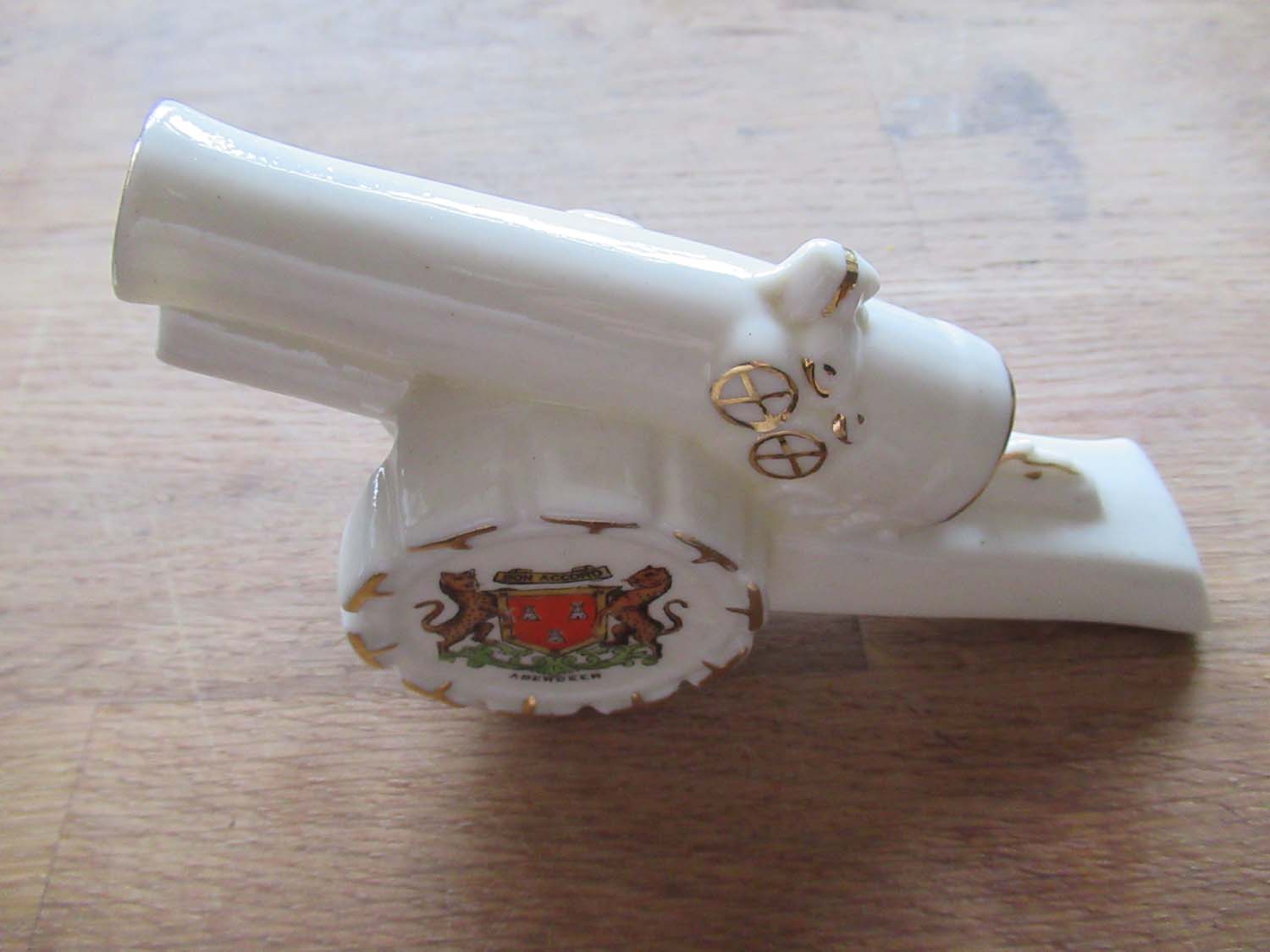
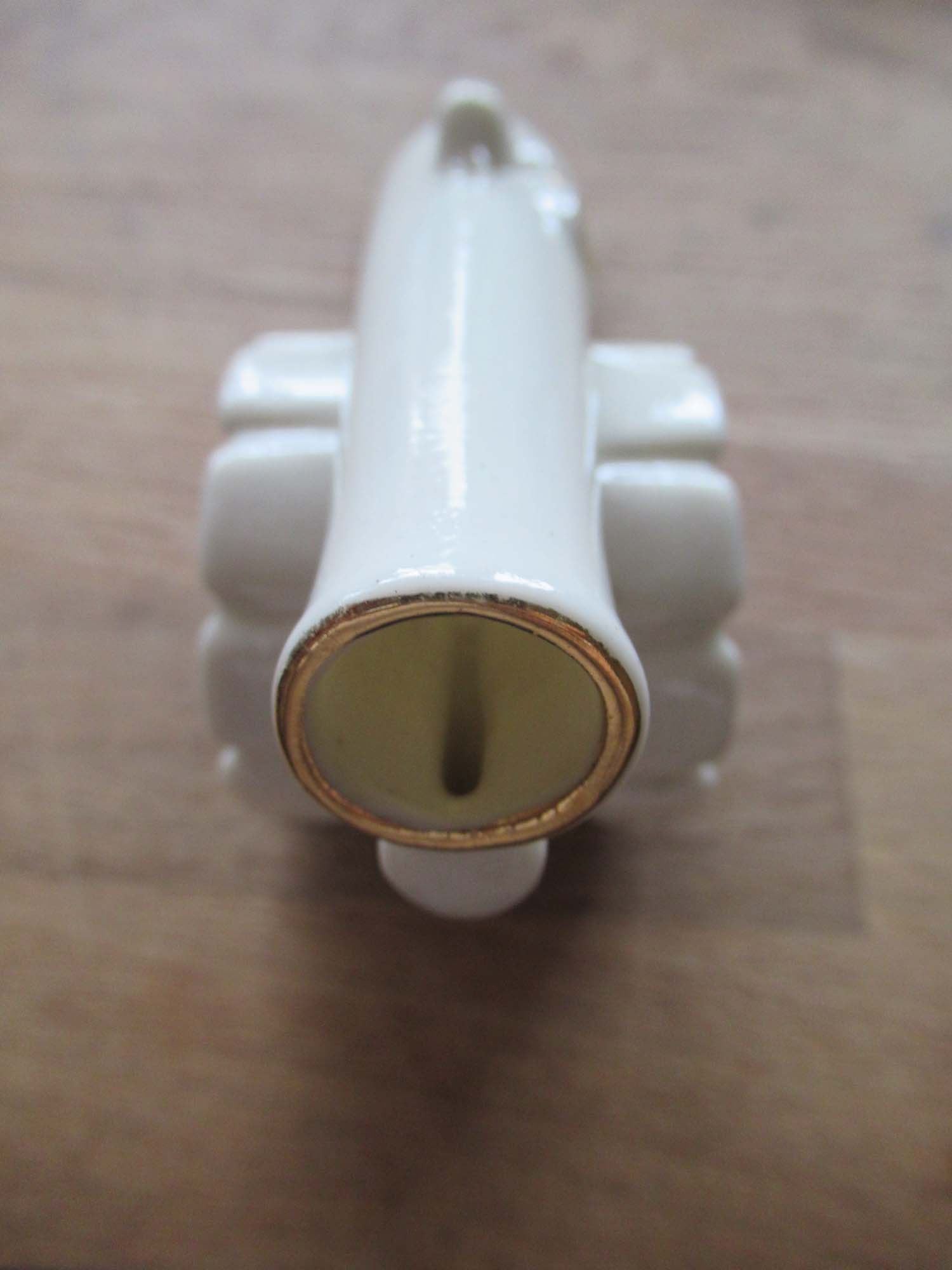
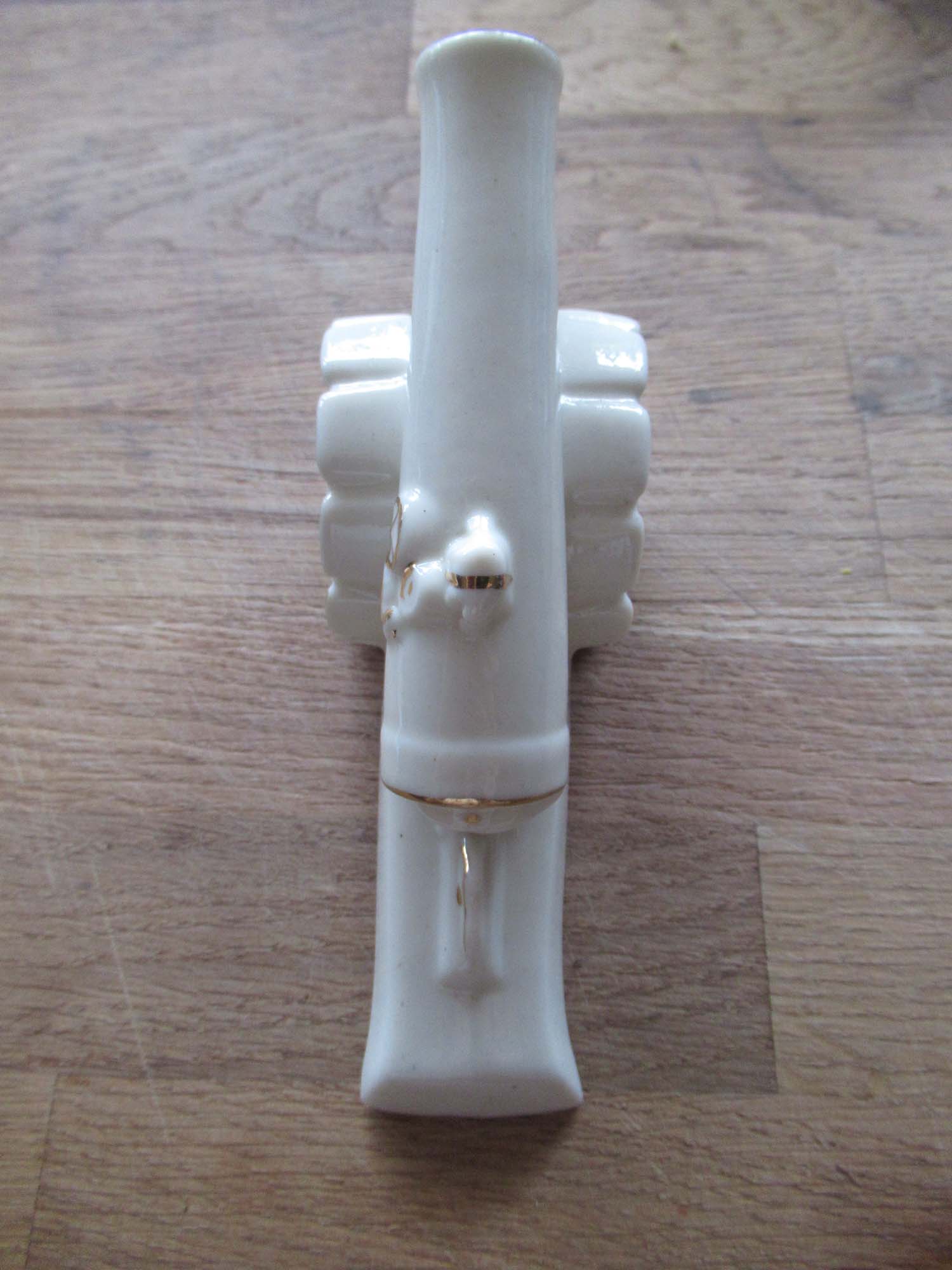
Shelley Crested
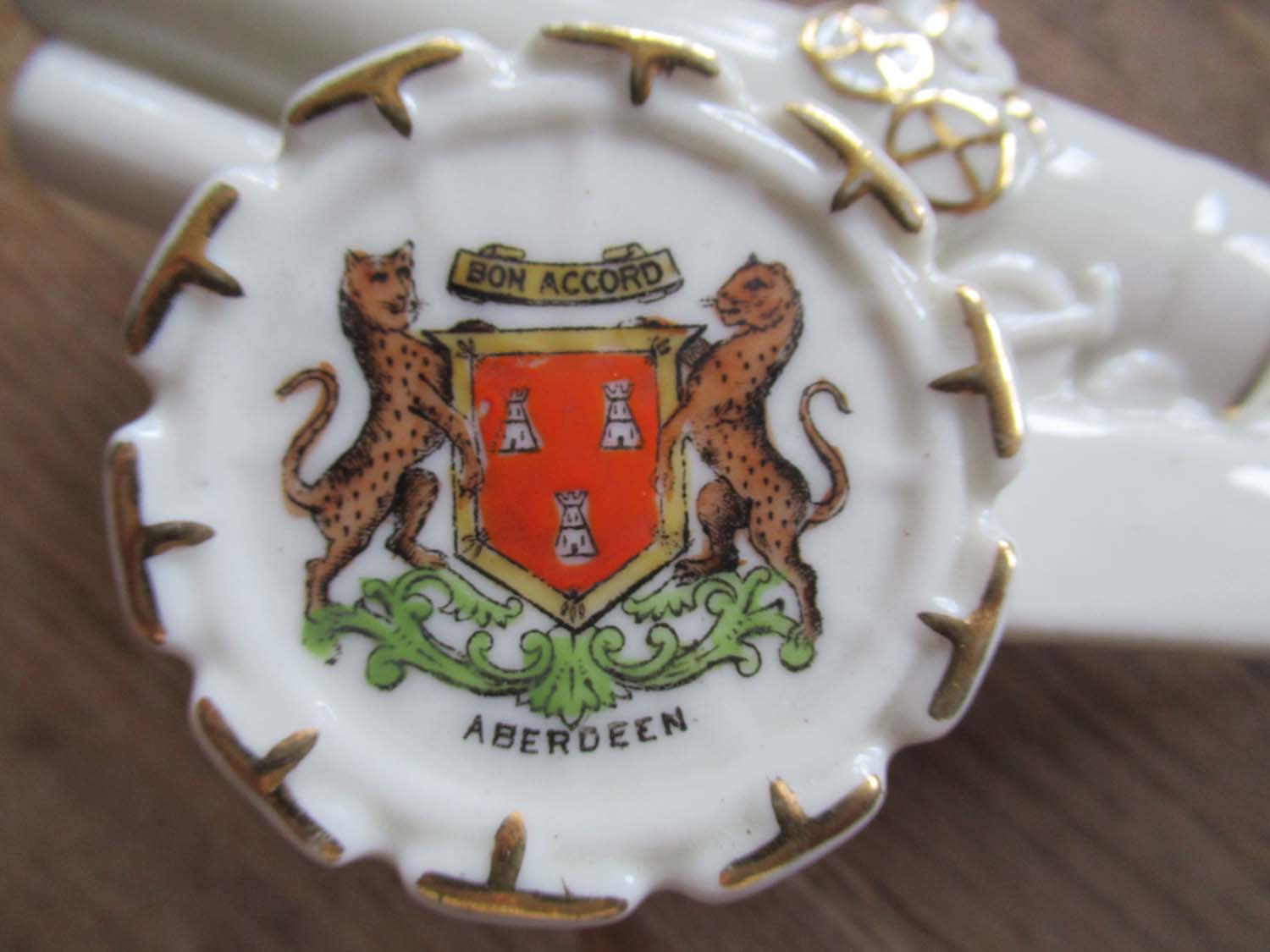
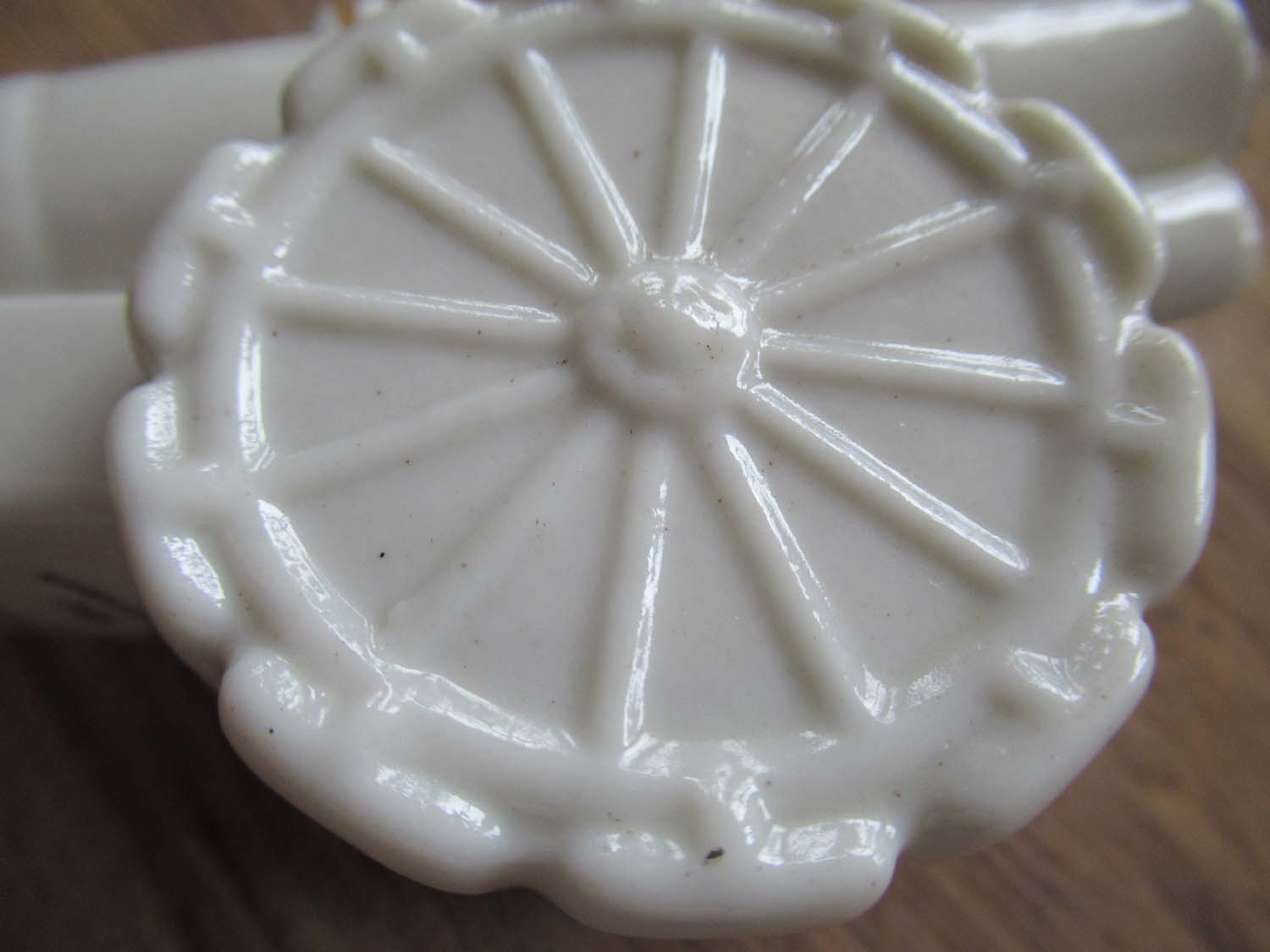
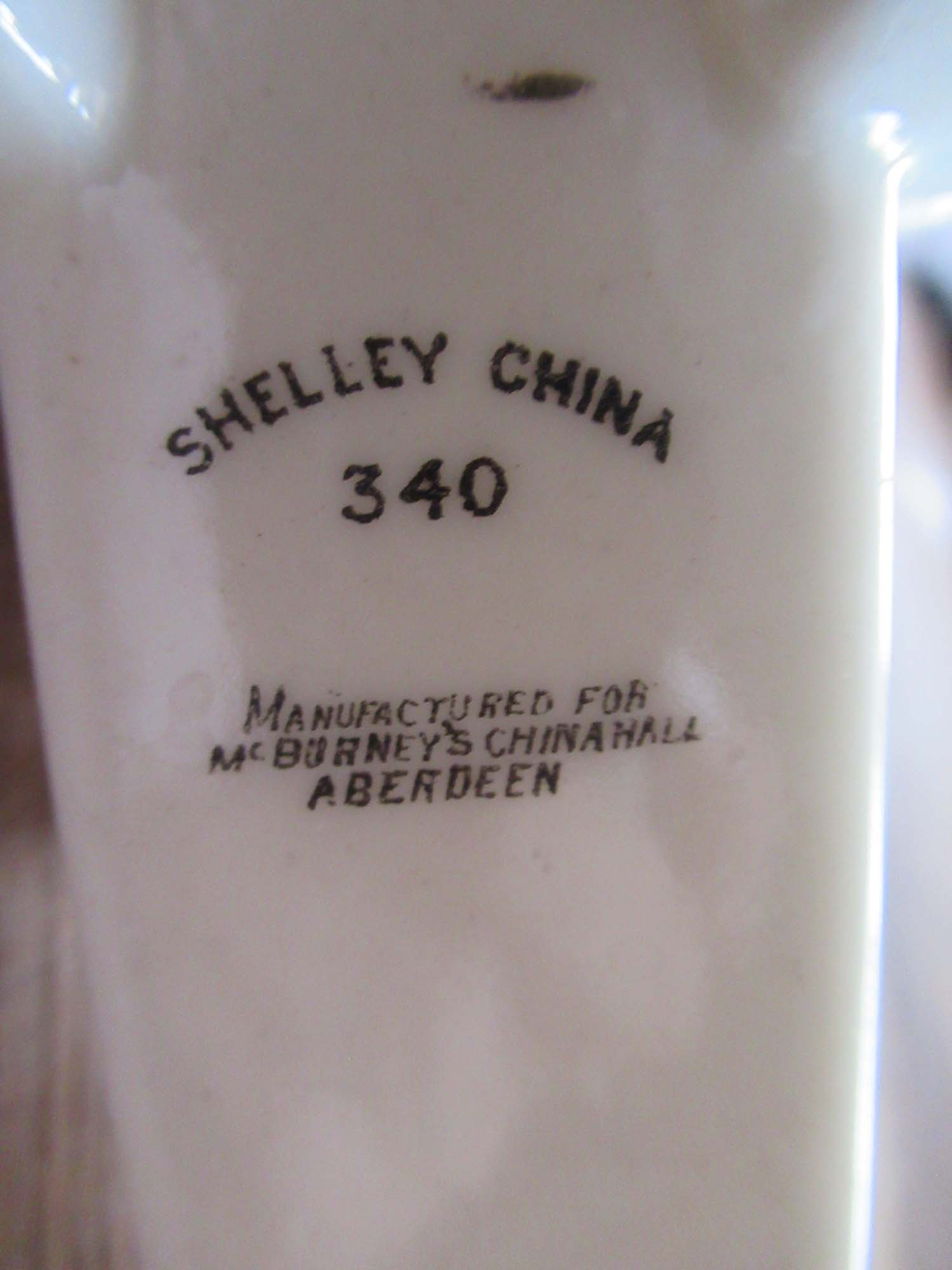
China Artillery Cannon (Pg 1 SAS)
Here we have a WW1 artillery
cannon collectable.
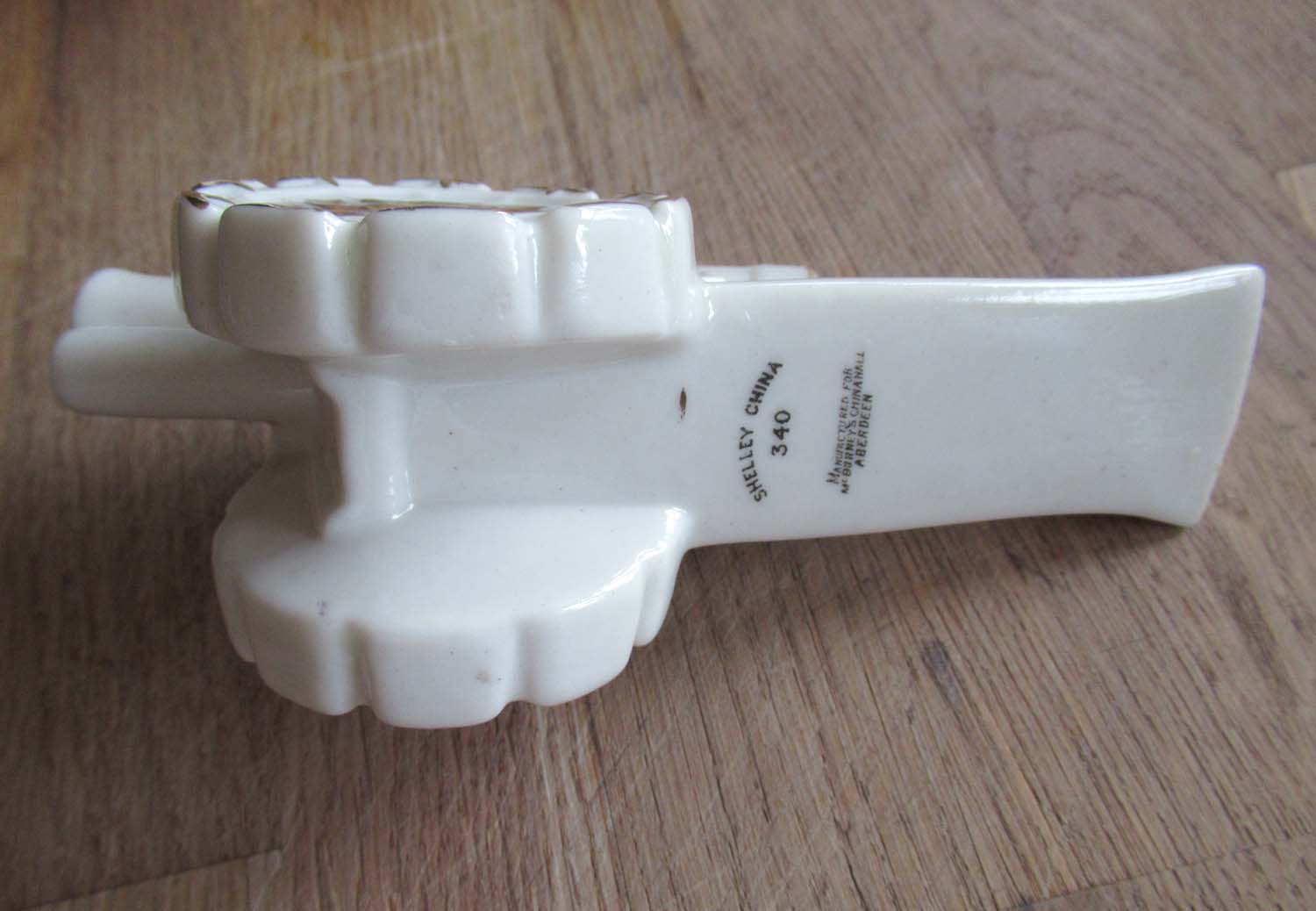
This is made by Shelley China and has the City of
Aberdeen Crest.
Shelley China is no longer in production and as such
these pieces like this one are now sought after.
No: 340
Click on pictures to enlarge
£40
|
|
Click on pictures to enlarge
 |
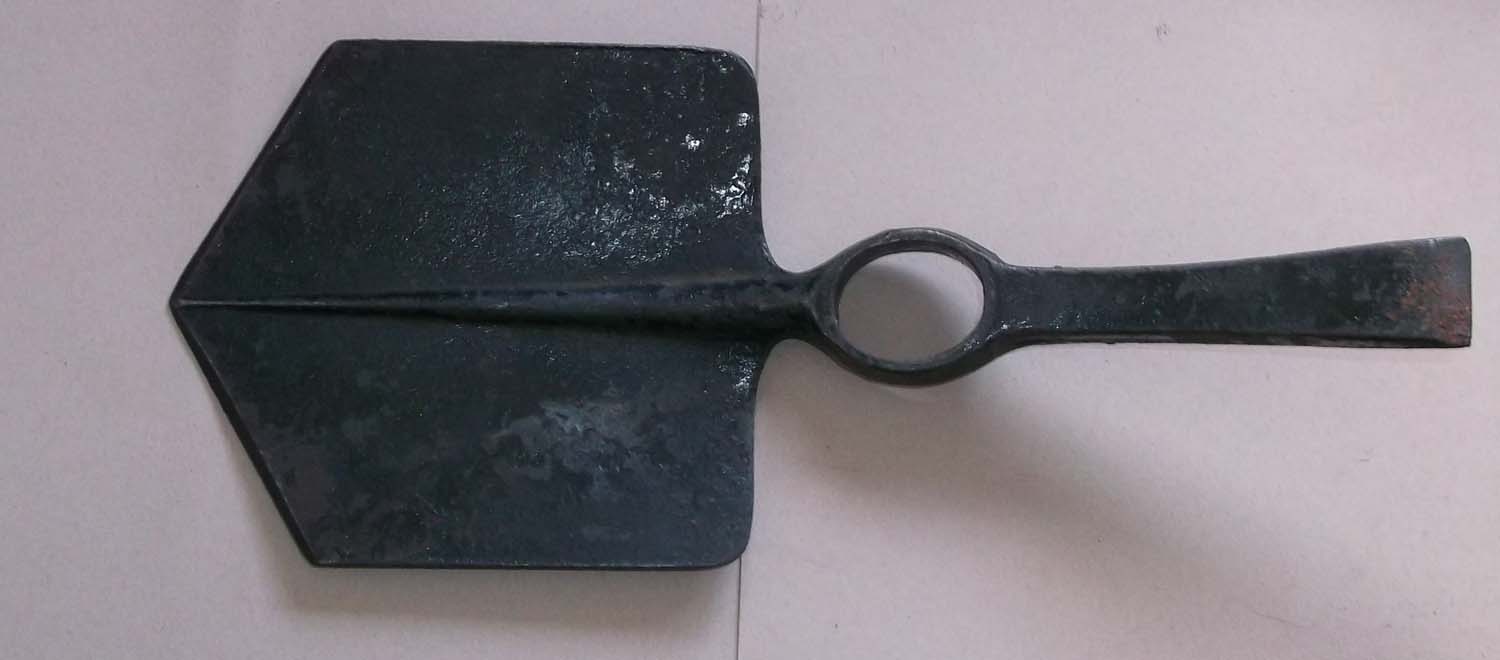
Trench Tool 1945 (Pg 1 SAS) This is
British Trench tool. This pattern was used from WWI right
through WWII.
£75
|
|
Click on pictures to enlarge
|
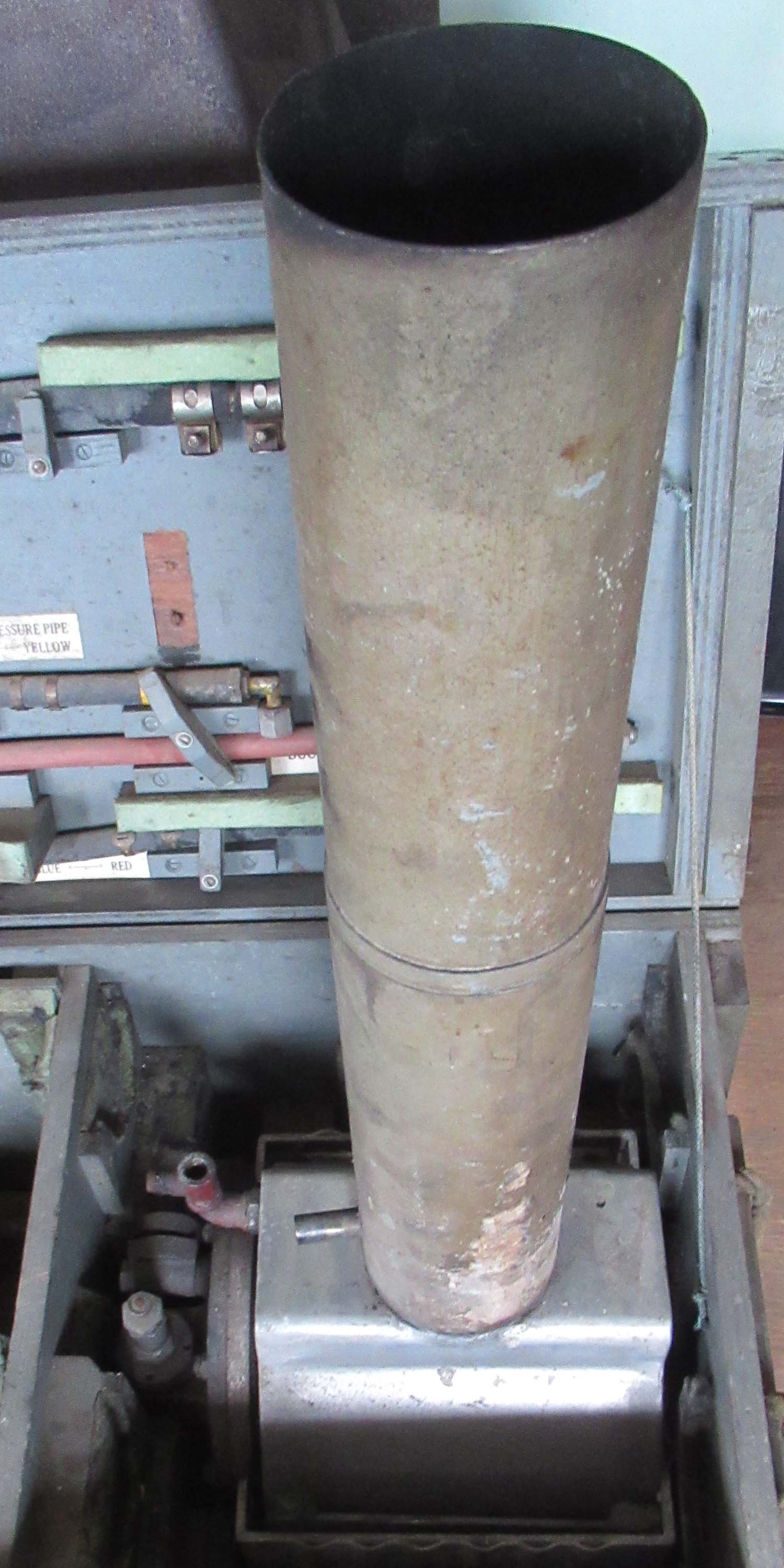
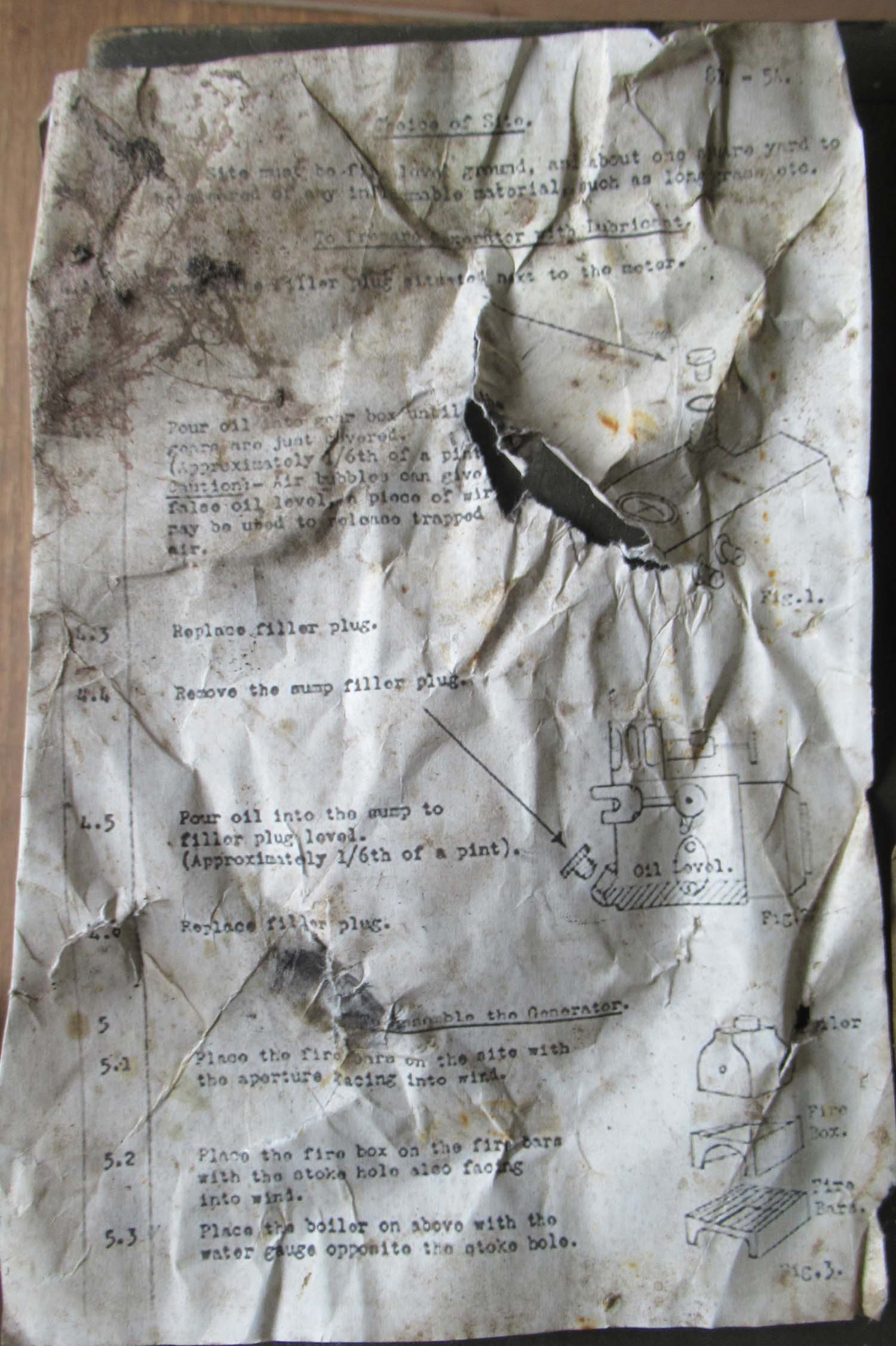
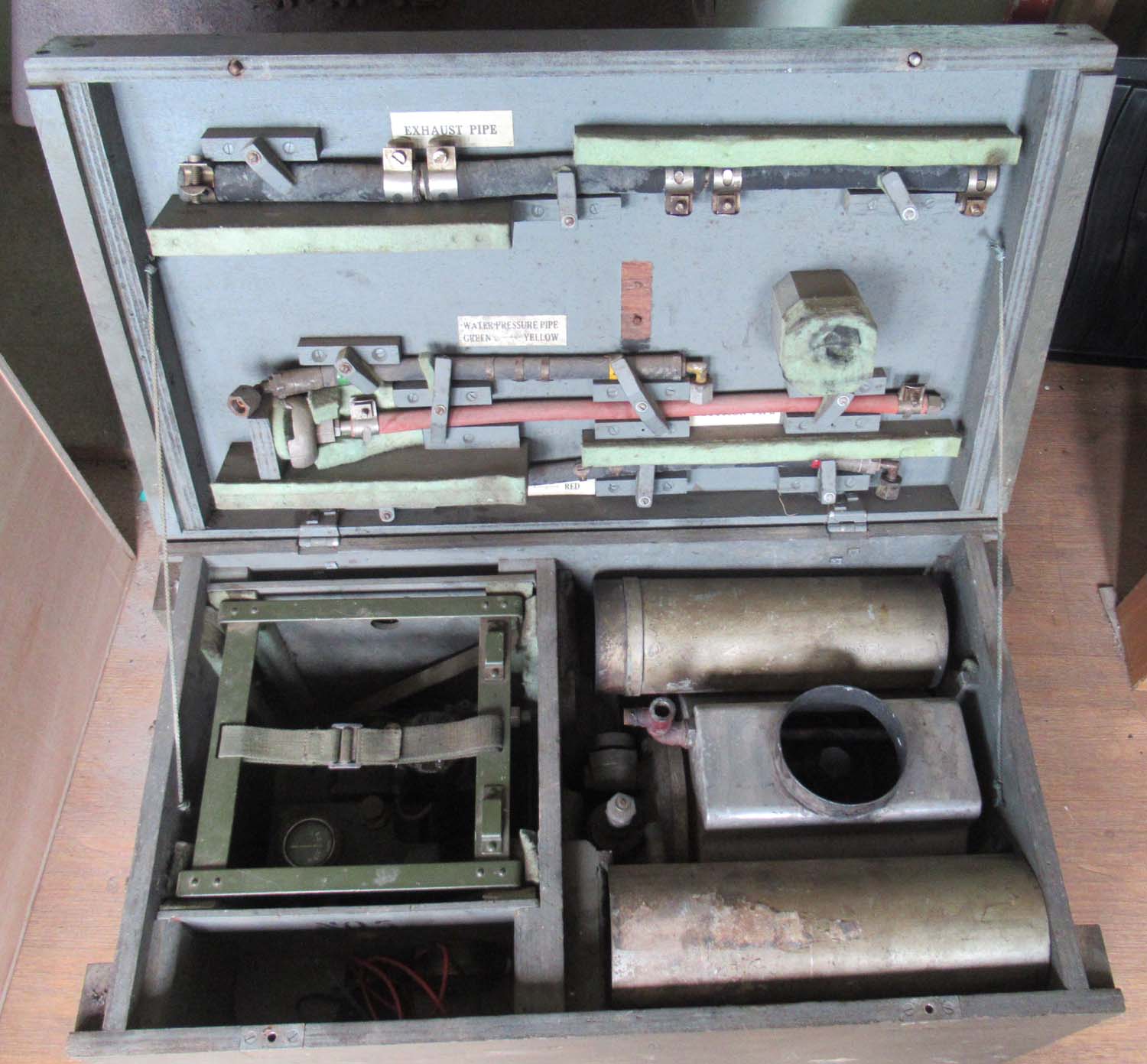
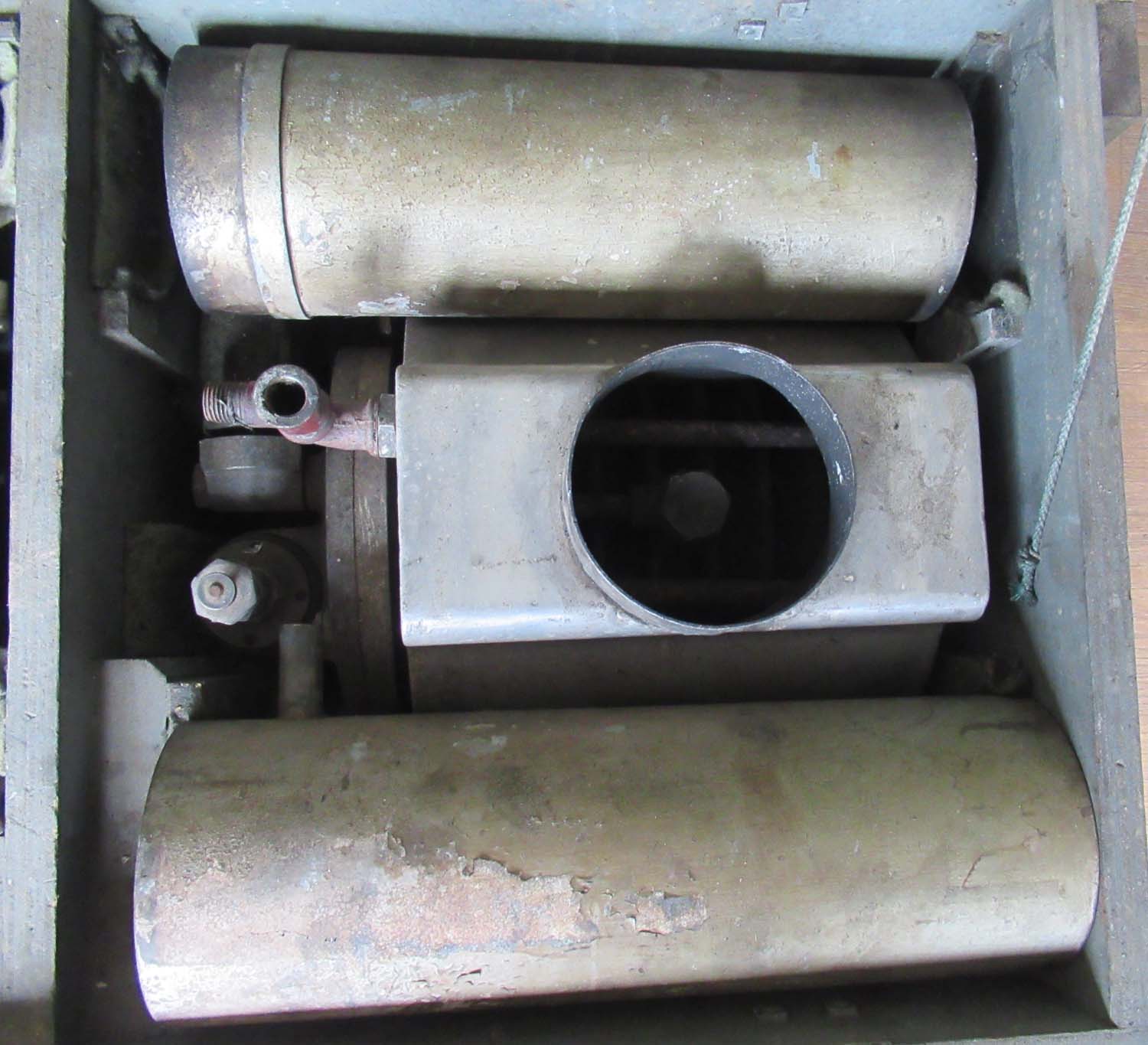
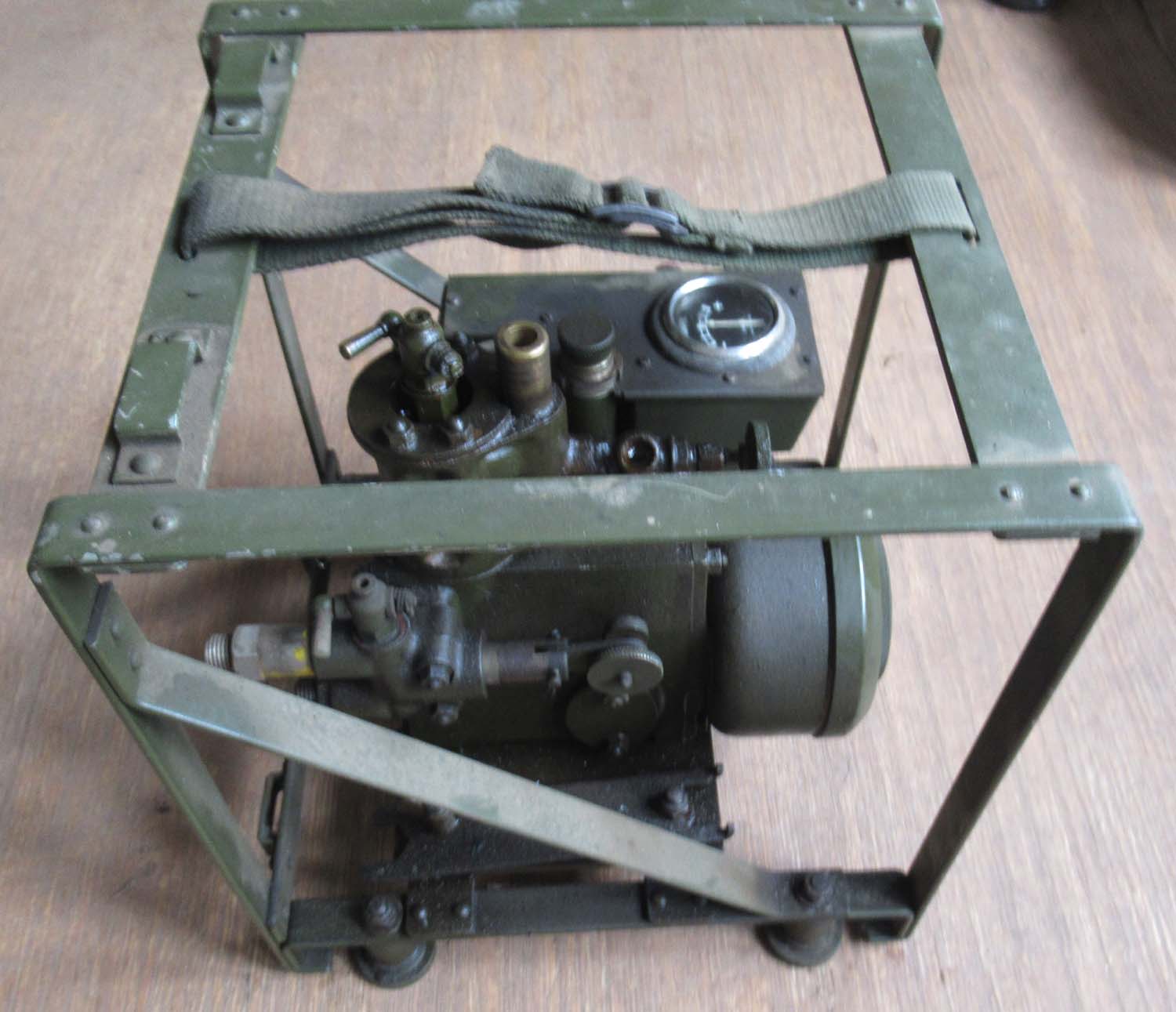
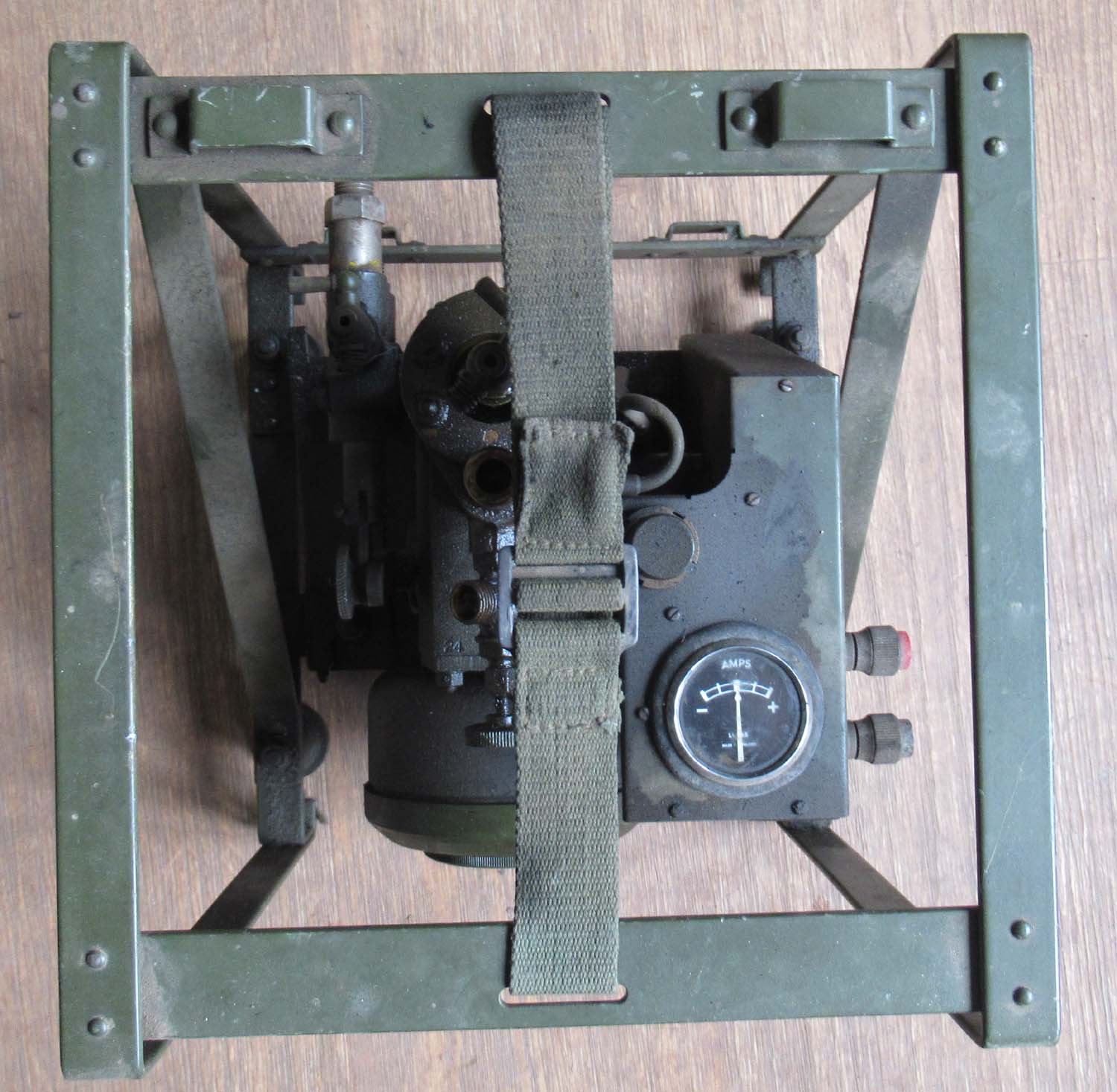
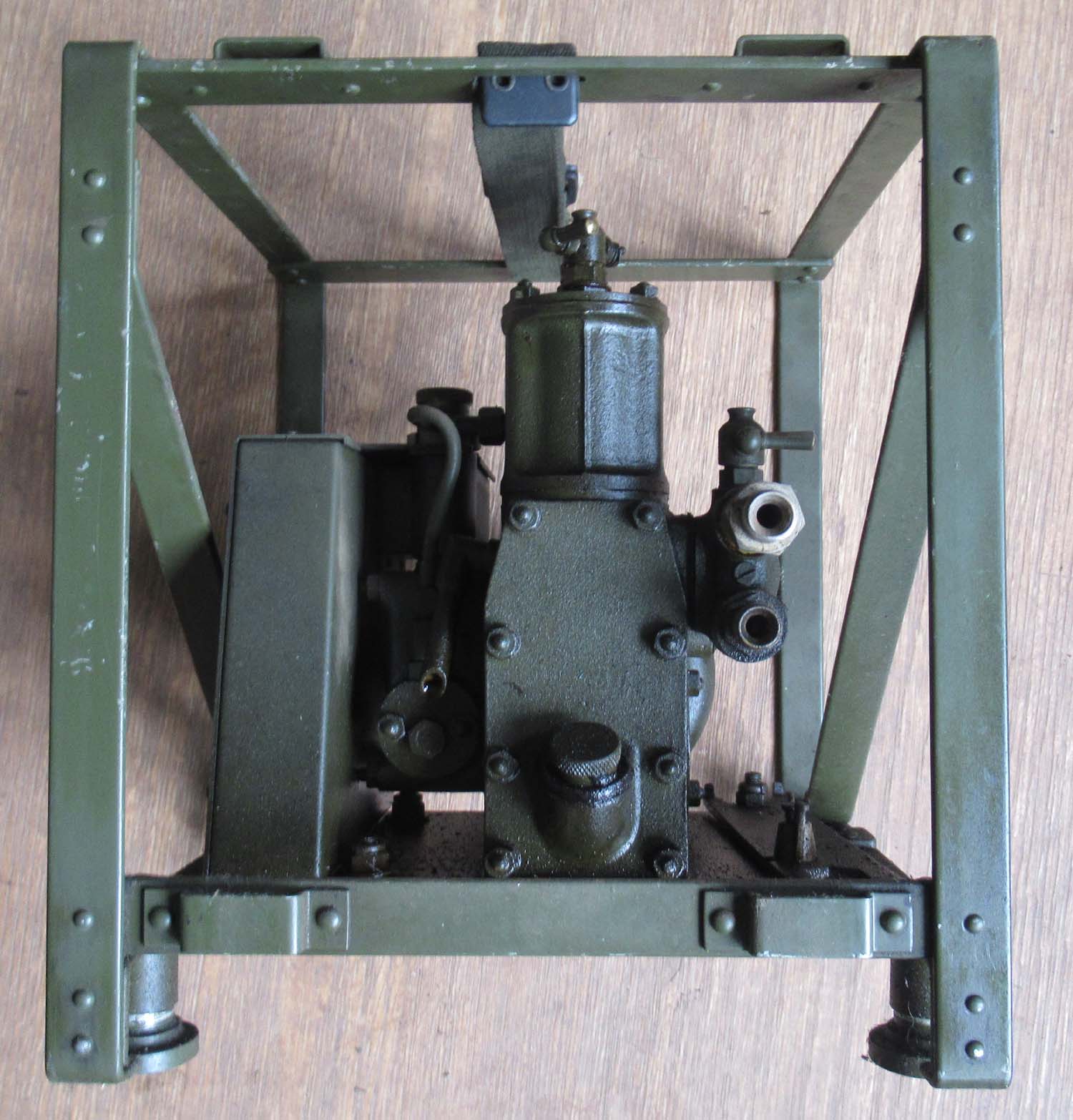
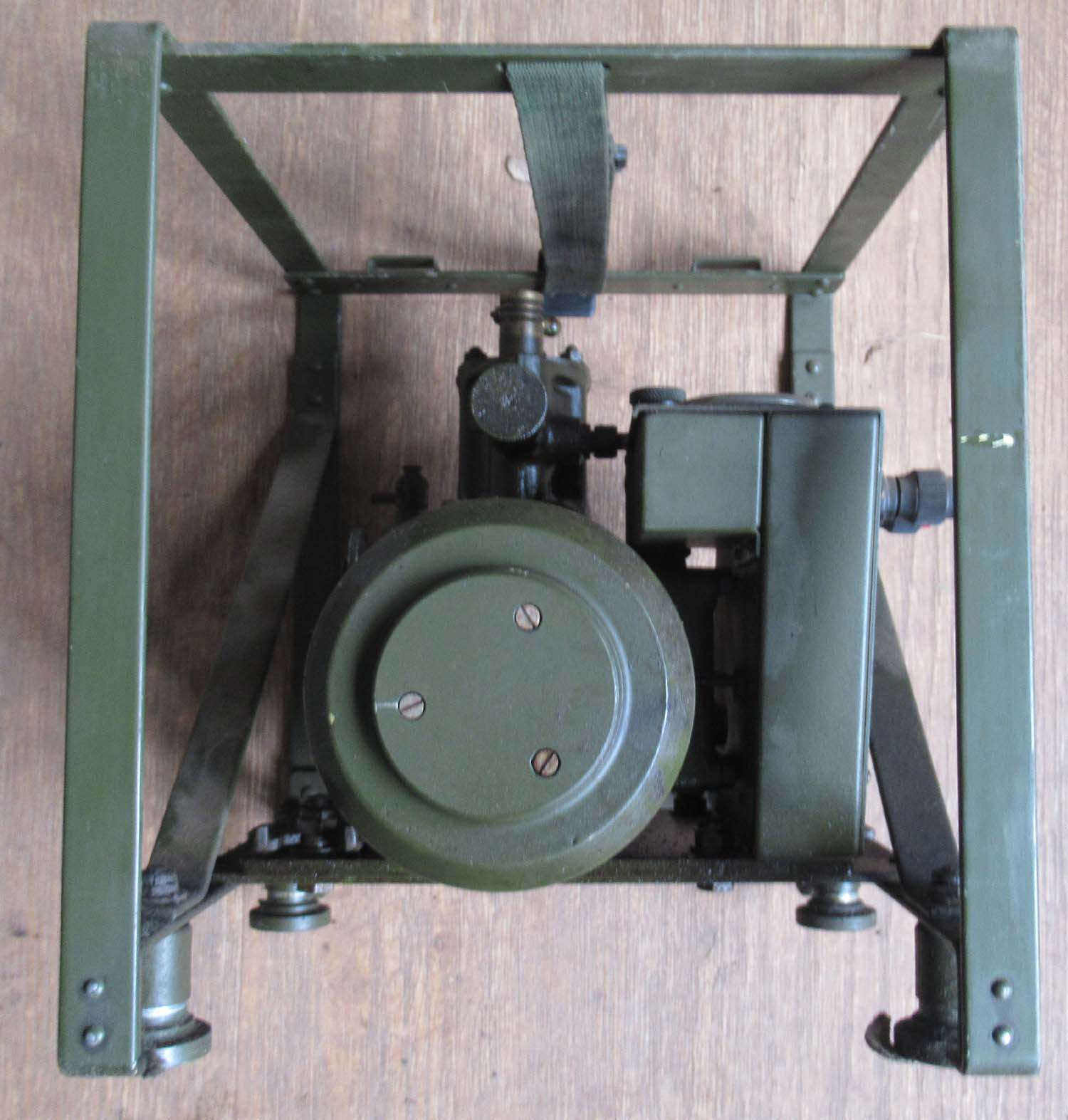
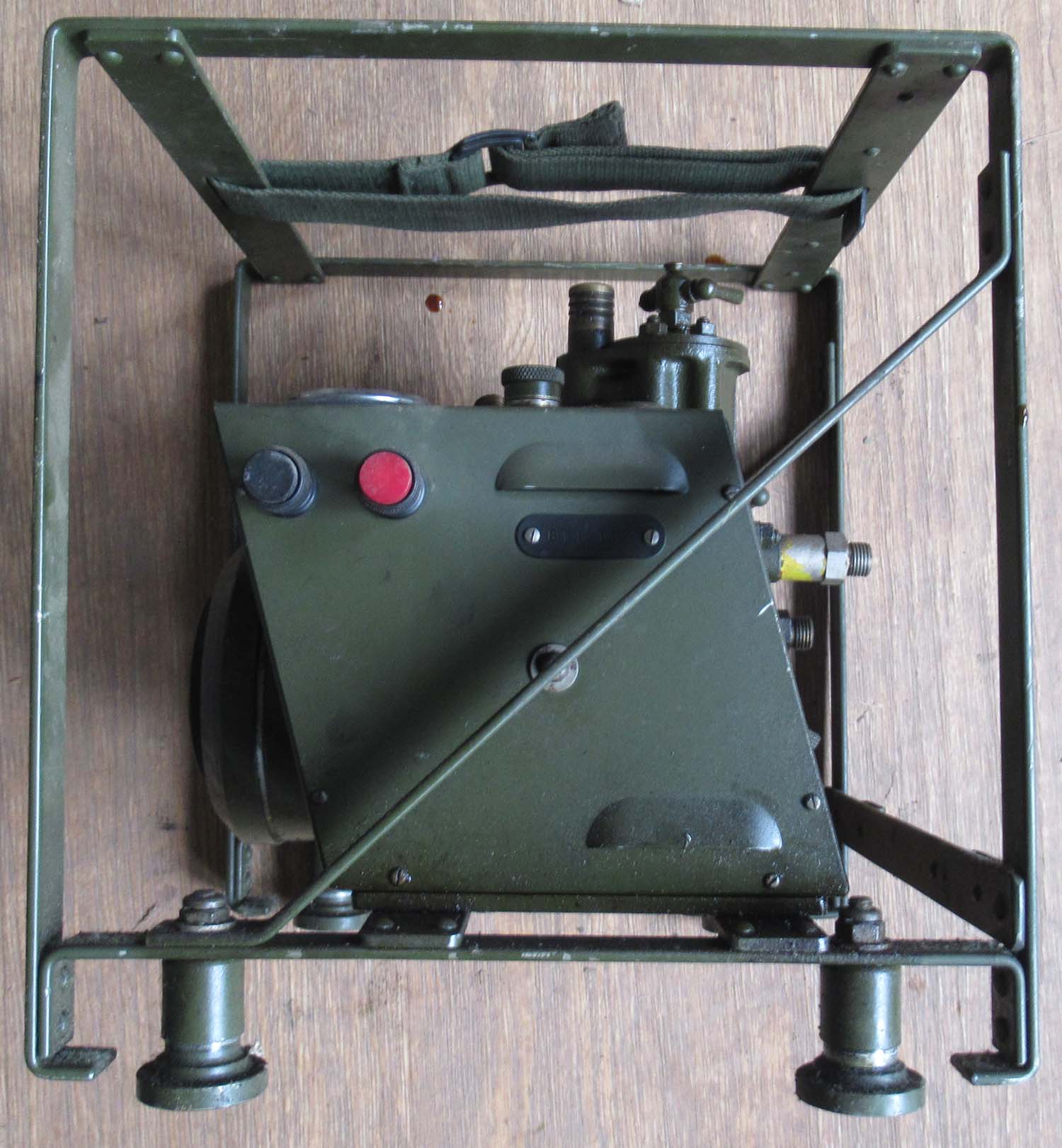
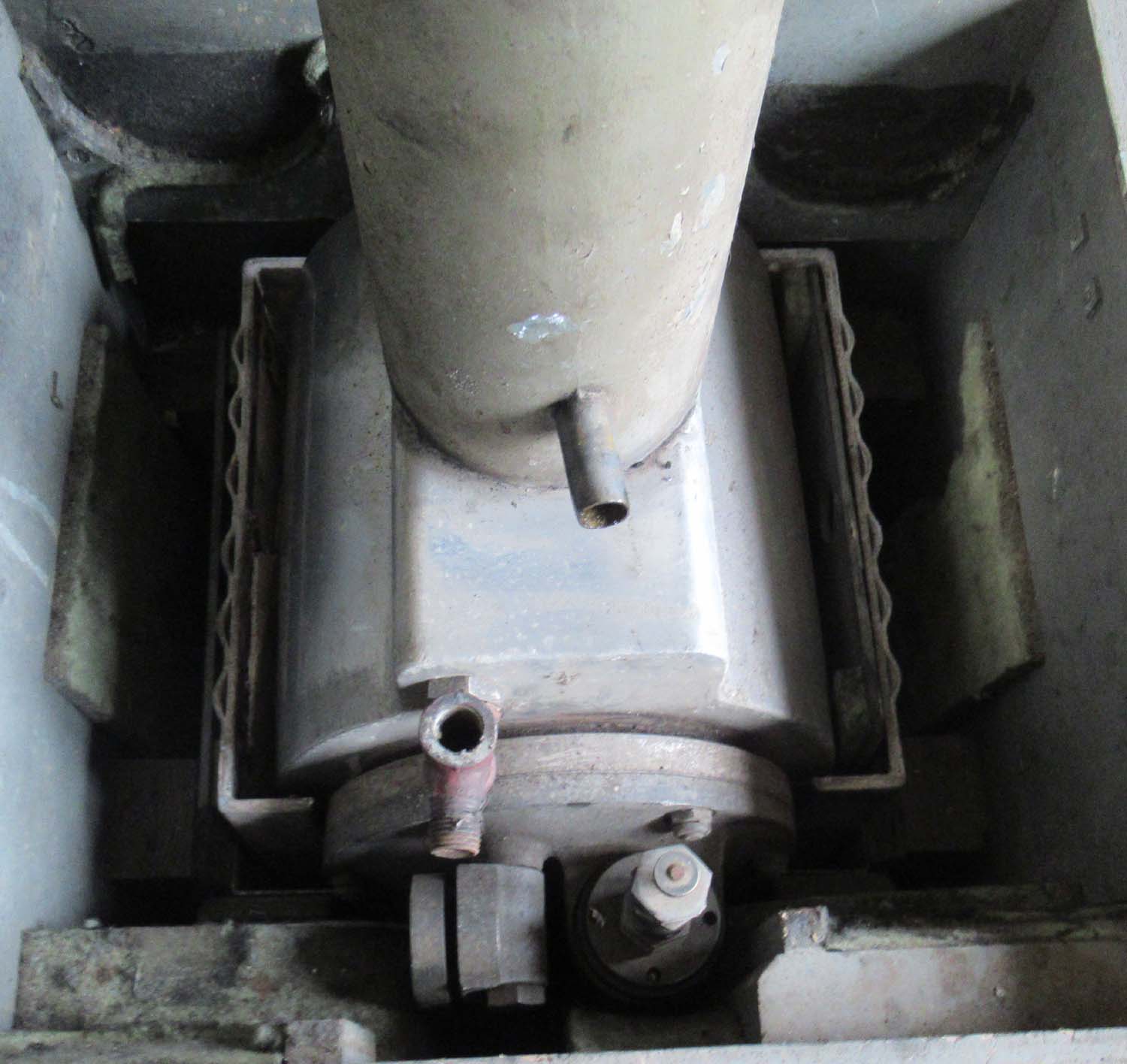
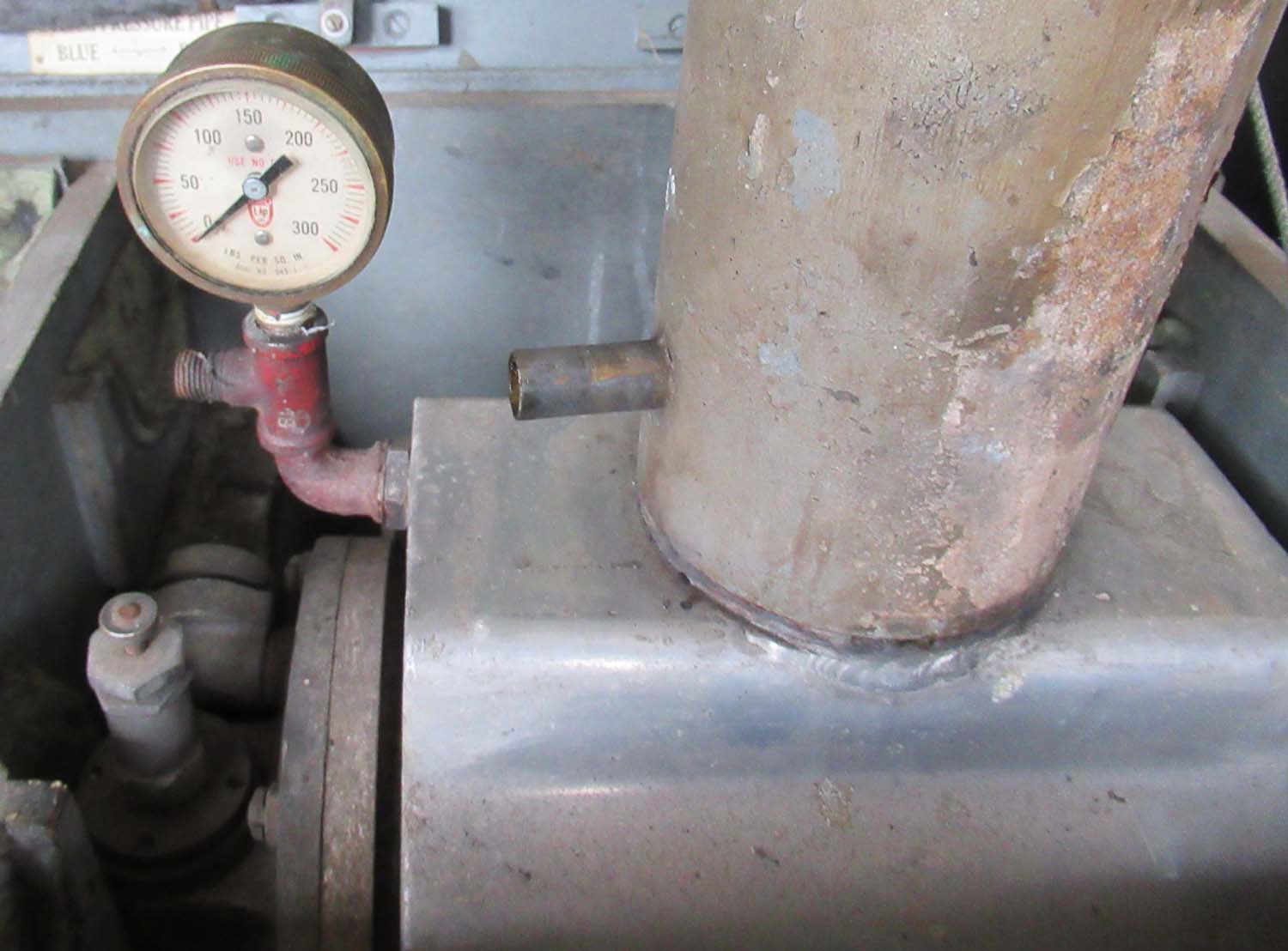
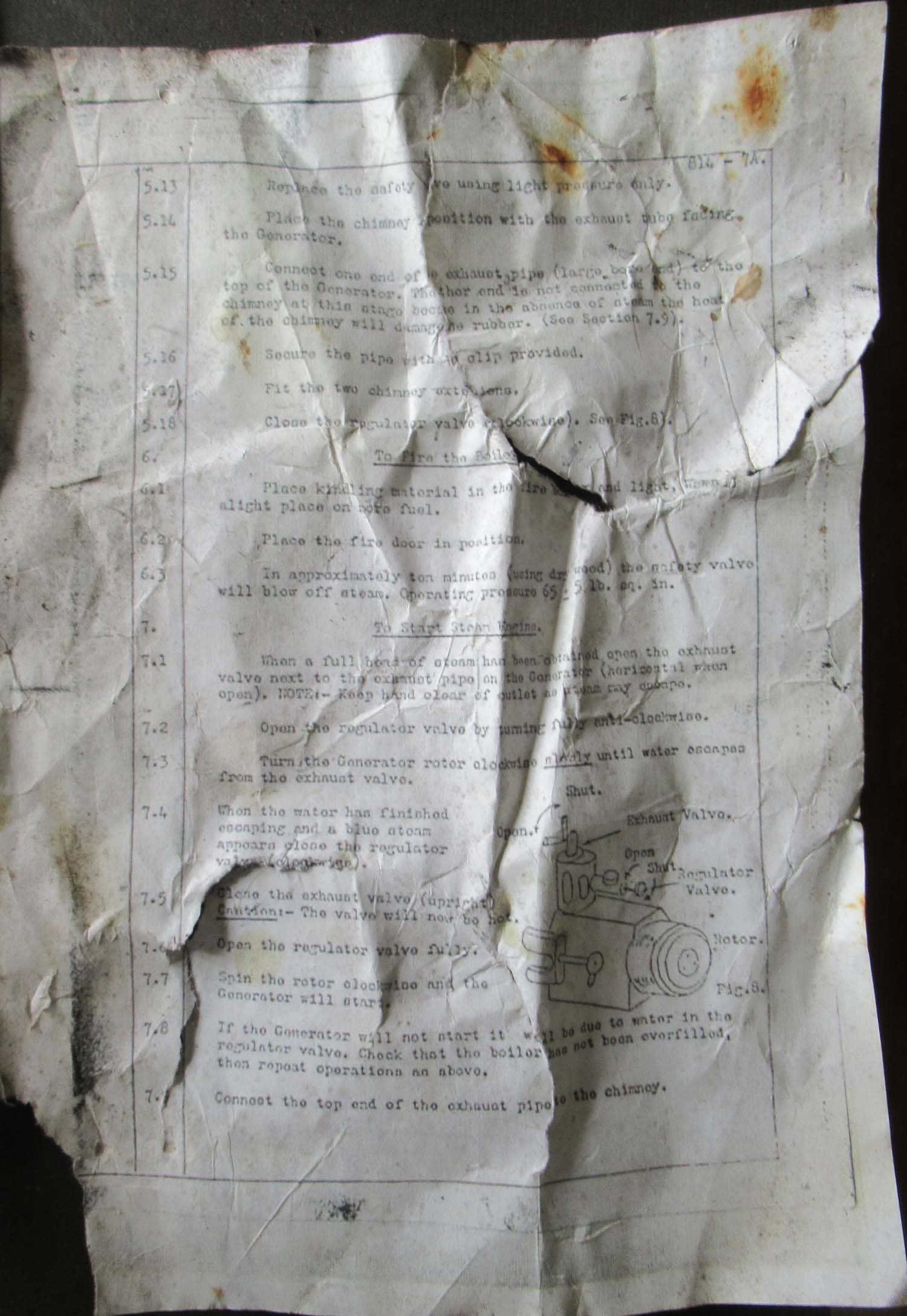
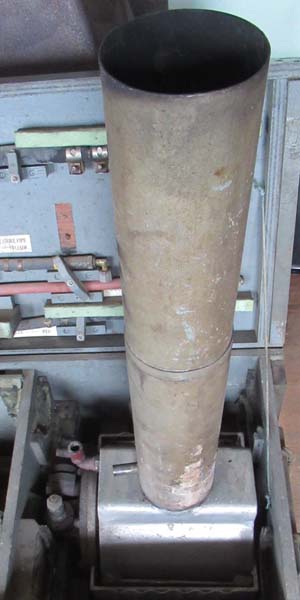
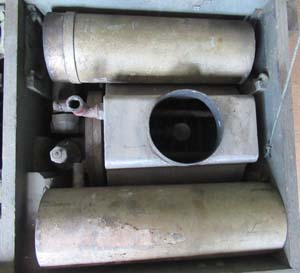
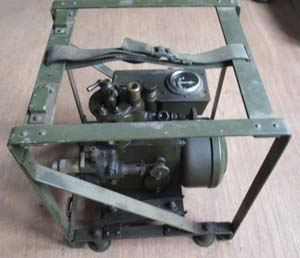
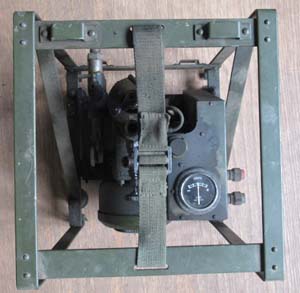
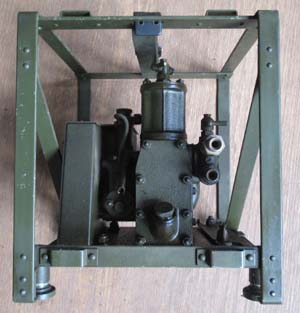
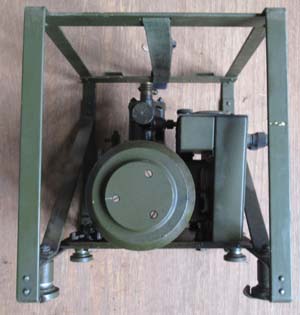
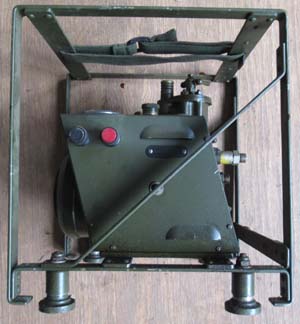
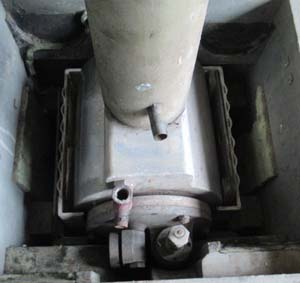
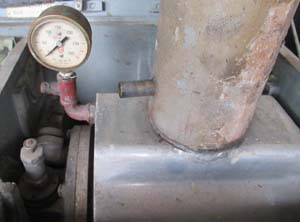
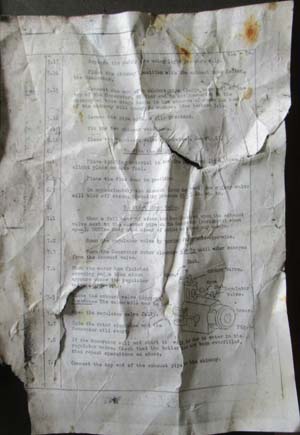
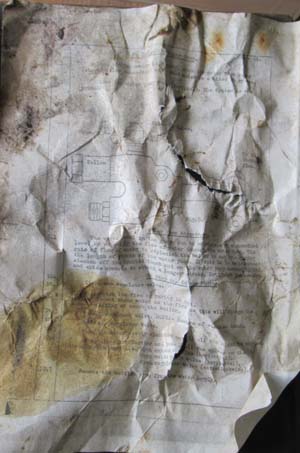
Steam Powered Generator (pg1 SAS)
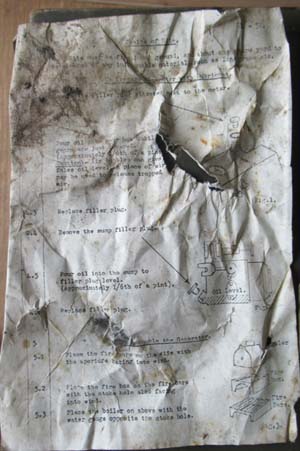
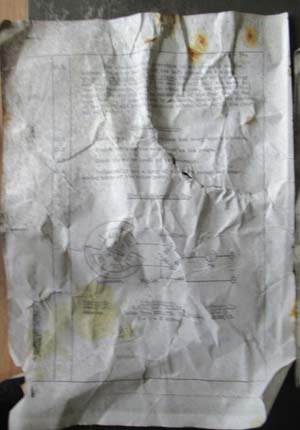
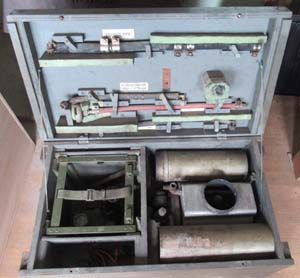
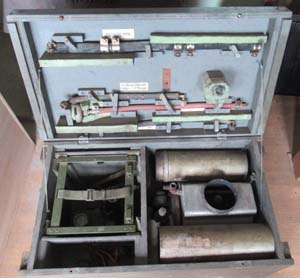
This is a superb and extremely rare
Wartime generator set for charging batteries for radios in
the combat zone. The difference with this set is that it is
steam powered, this unique set can be operated by heating
the boiler with any fuel that comes to hand including the
box it was dropped in. Invaluable in situations where no
petrol is available it can literary be powered by anything
flammable. The set is complete with everything needed to
make it work and is in great condition.
Click on pictures to enlarge
£2495
International buyers should
contact me for a shipping
quote .
|
|
Click on pictures to enlarge
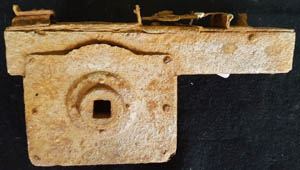 |
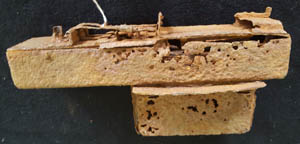
German MG 34/42
Ammo Loader Normandy (pg1 SAS) Here we
have an ammo loader for the MG 34/42 recovered from
Normandy.
The most advance MG of its time with an extremely
rapid fire it caused carnage among the Allied troops in
Normandy.
£220
|
|
Click on pictures to enlarge
|
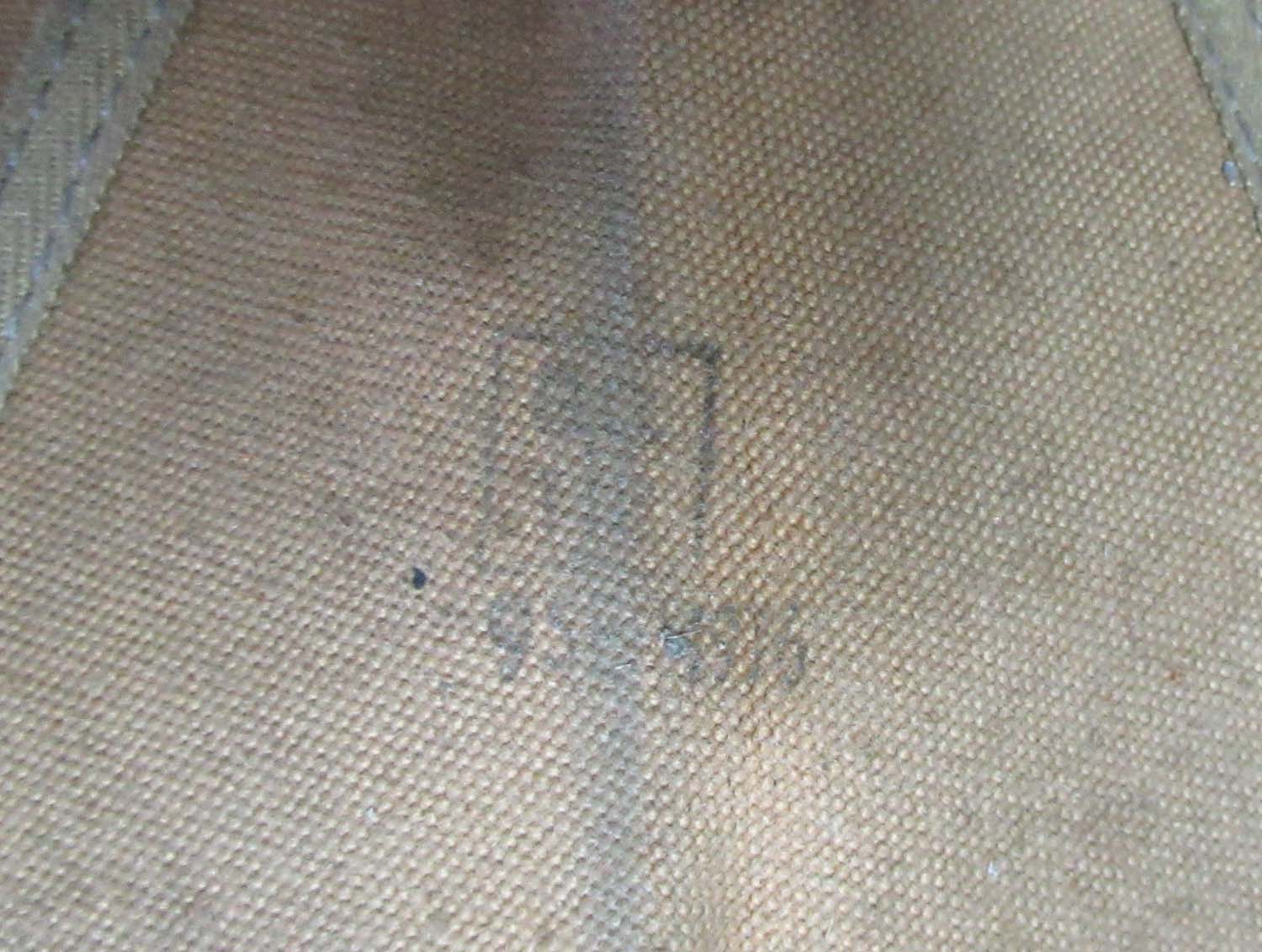
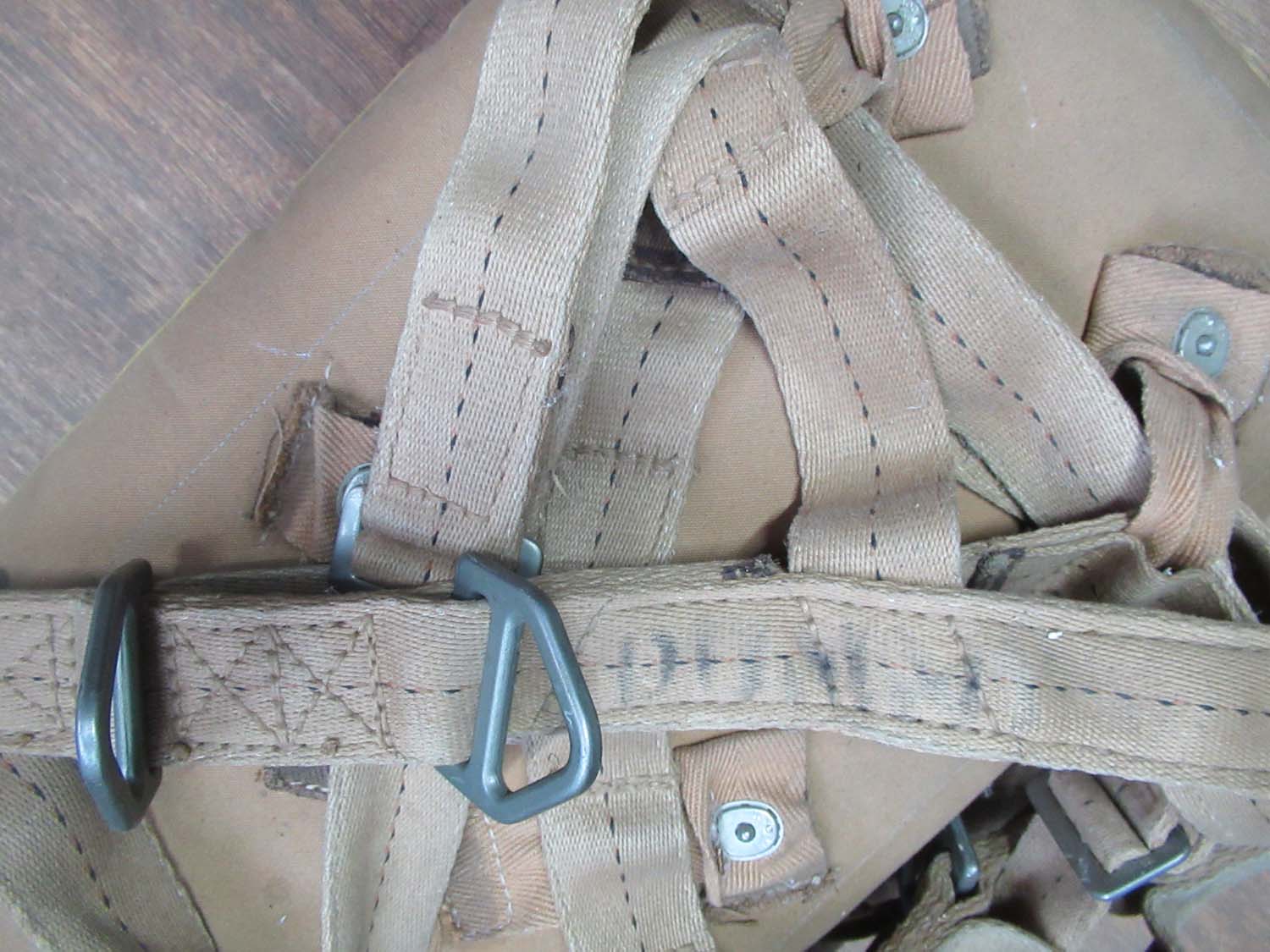
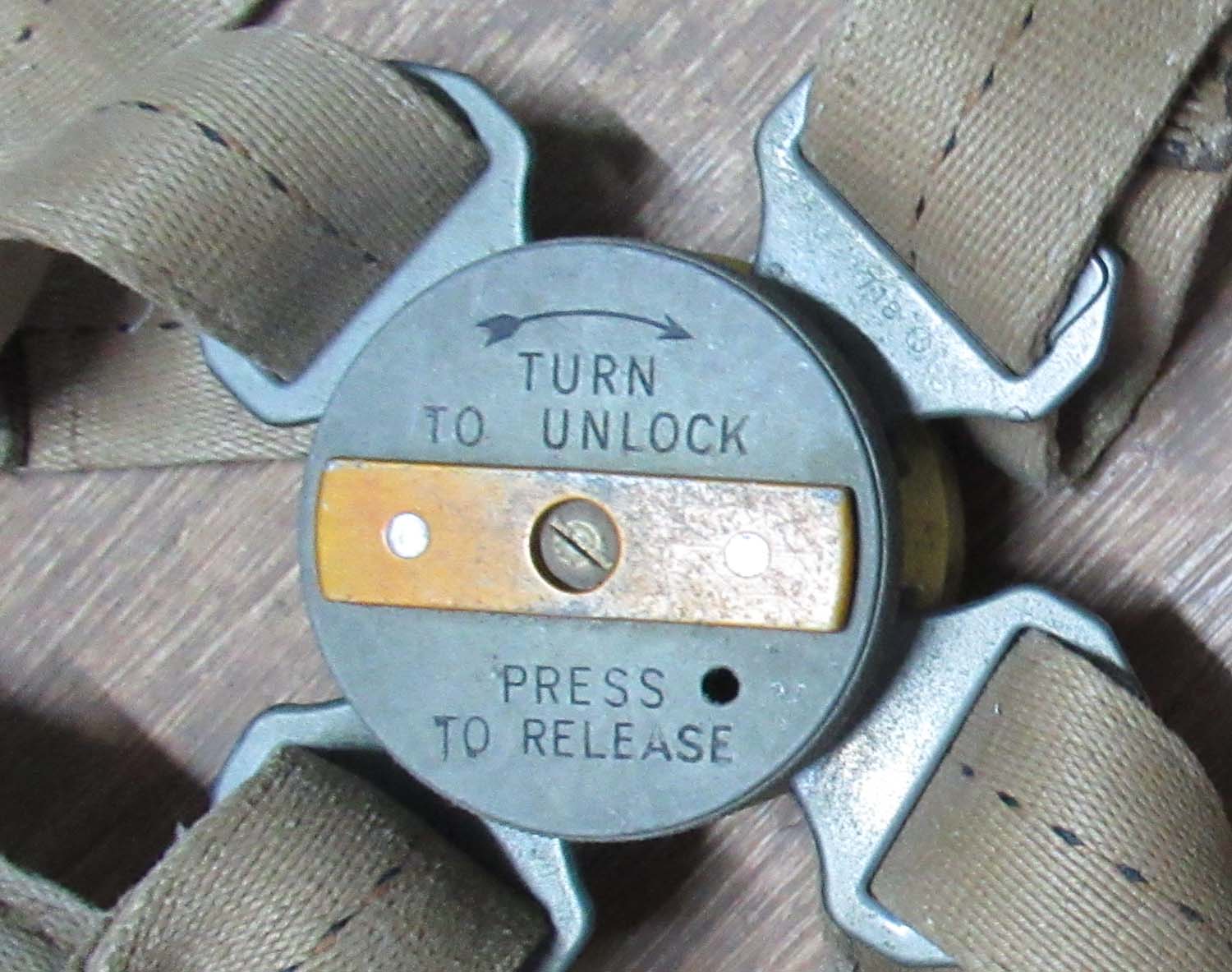
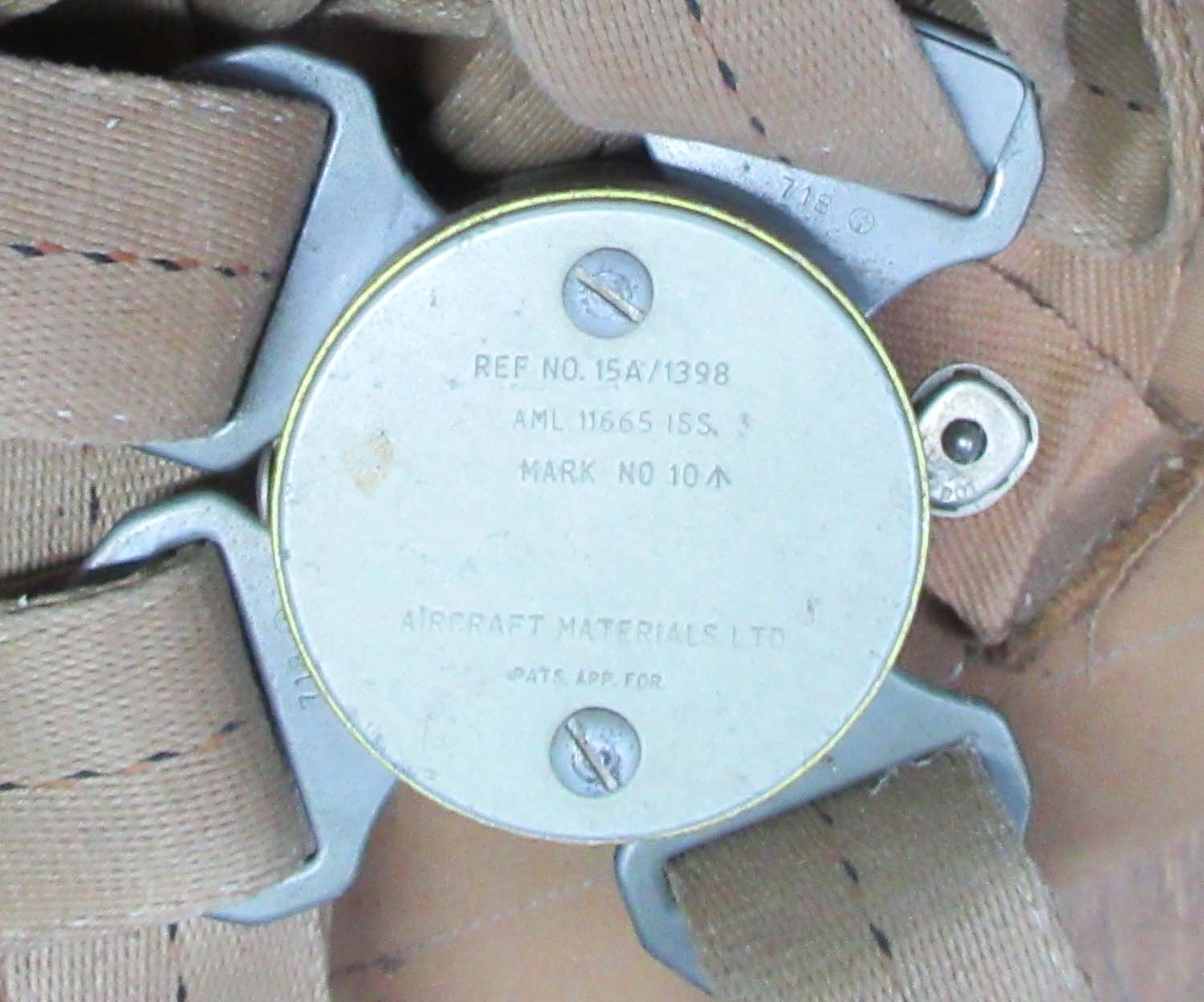
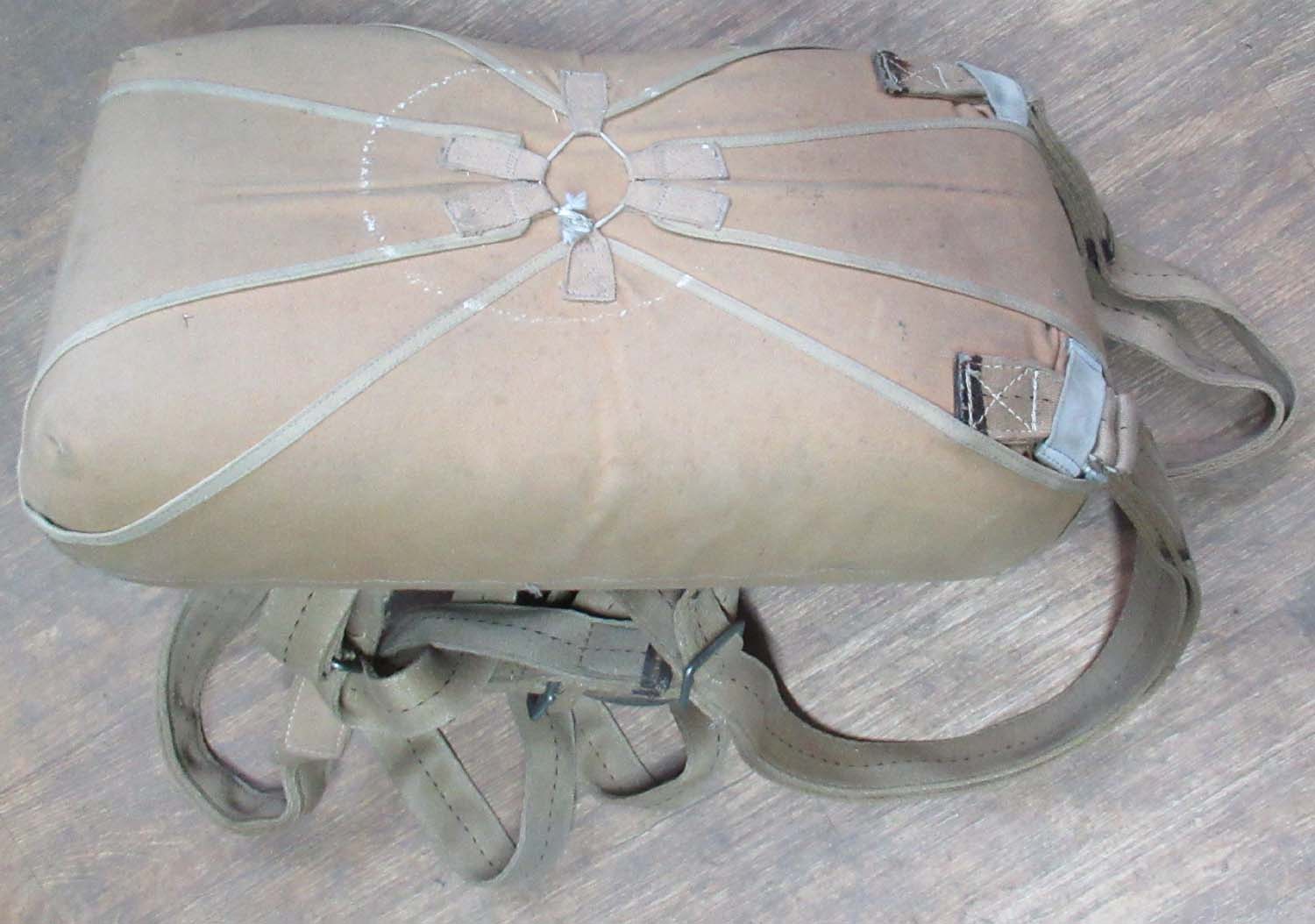
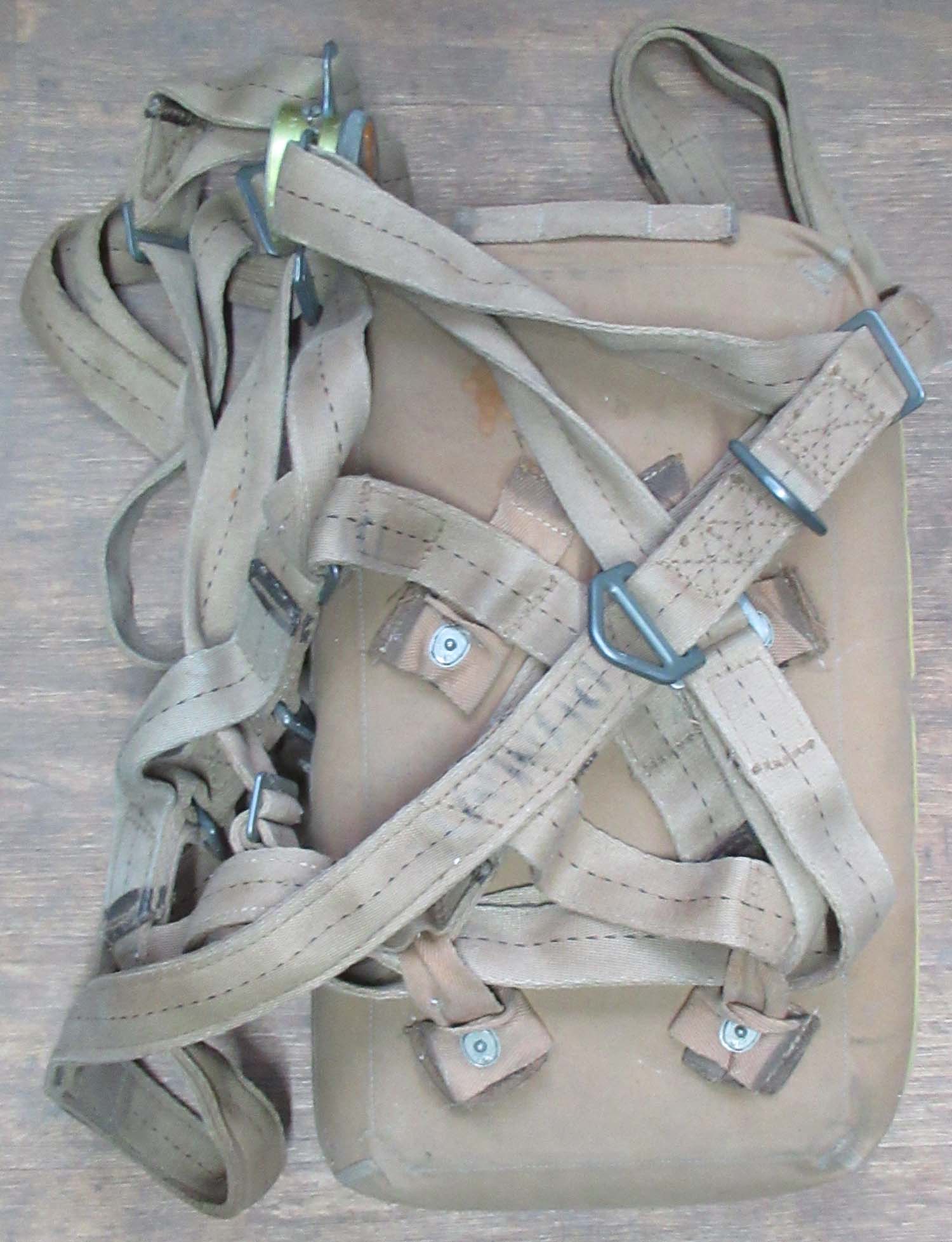
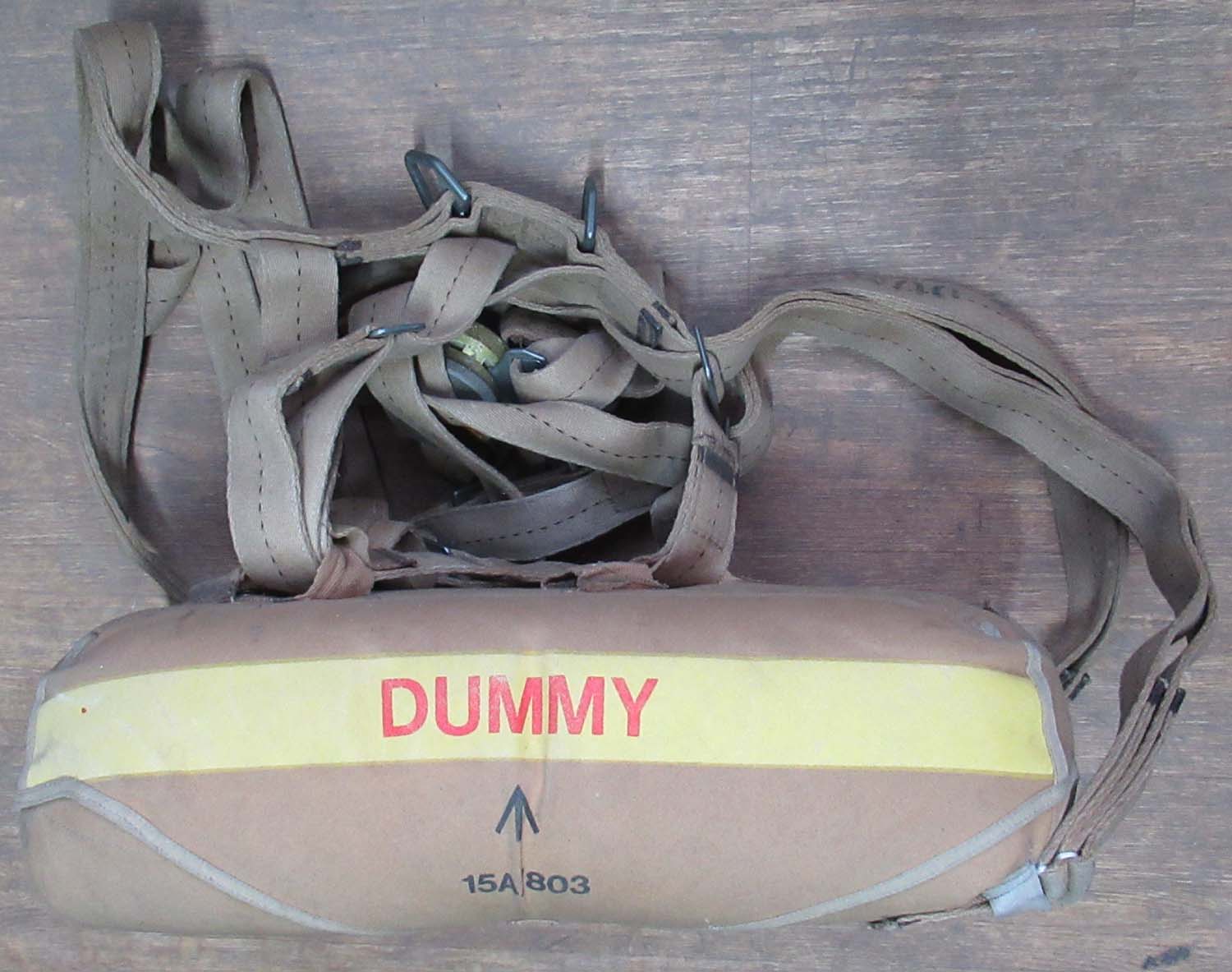
British WWII Dummy Training X Type Paratrooper Parachute (Pg1 SAS)
Here is a dummy X type parachute
for Airborne troops parachute made for training
purposes.
It is in really good
original condition with no visible damage. This is ideal for
a re-enactor or for a mannequin depicting a WWII British
Paratrooper.
The original X type is
hard to find and expensive, this is a period peace not a
reproduction .
15A/1803
15/A is
the designation for Man carrying parachute.
Click on pictures to enlarge
£995
|
|
Click on pictures to enlarge
|
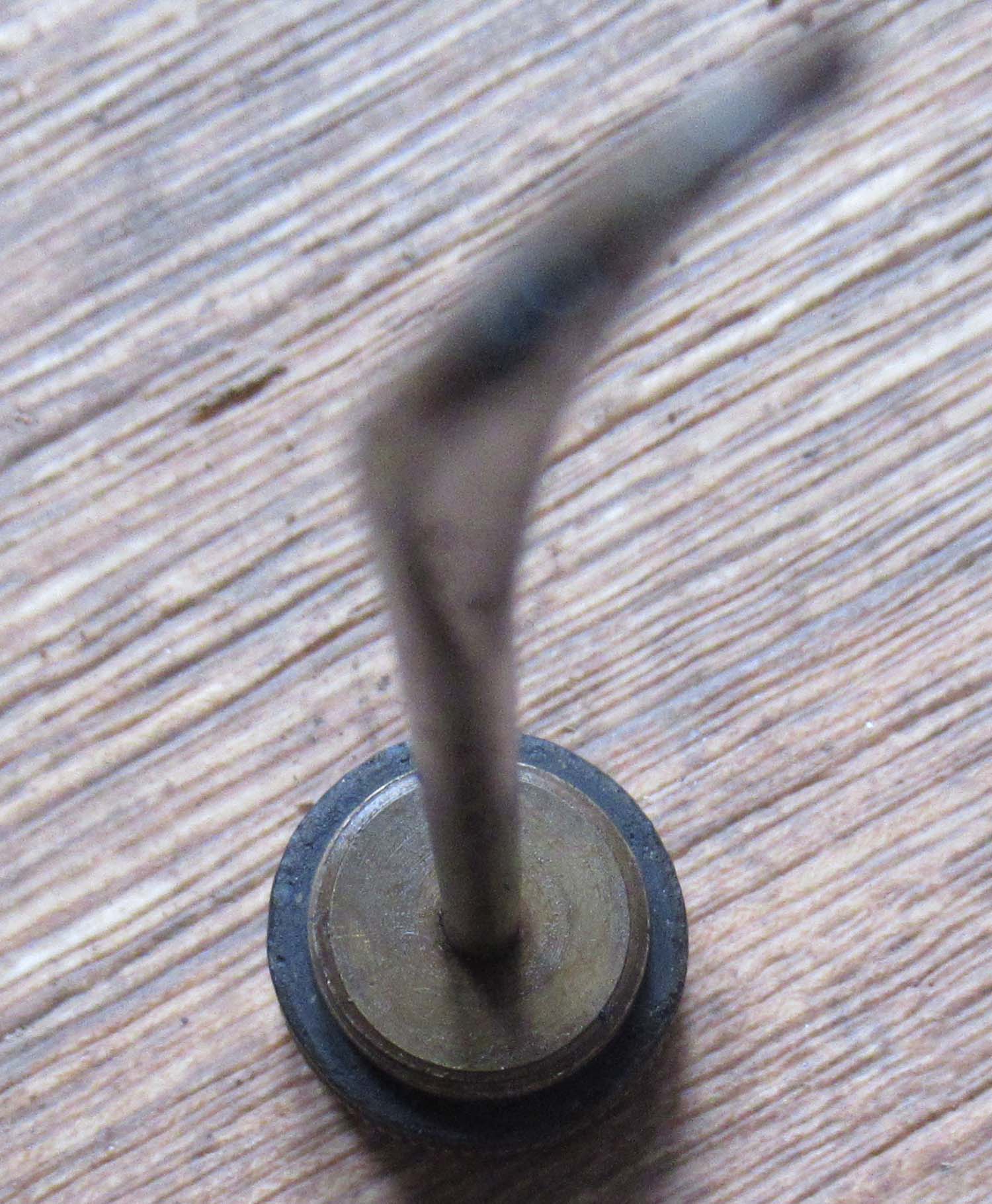
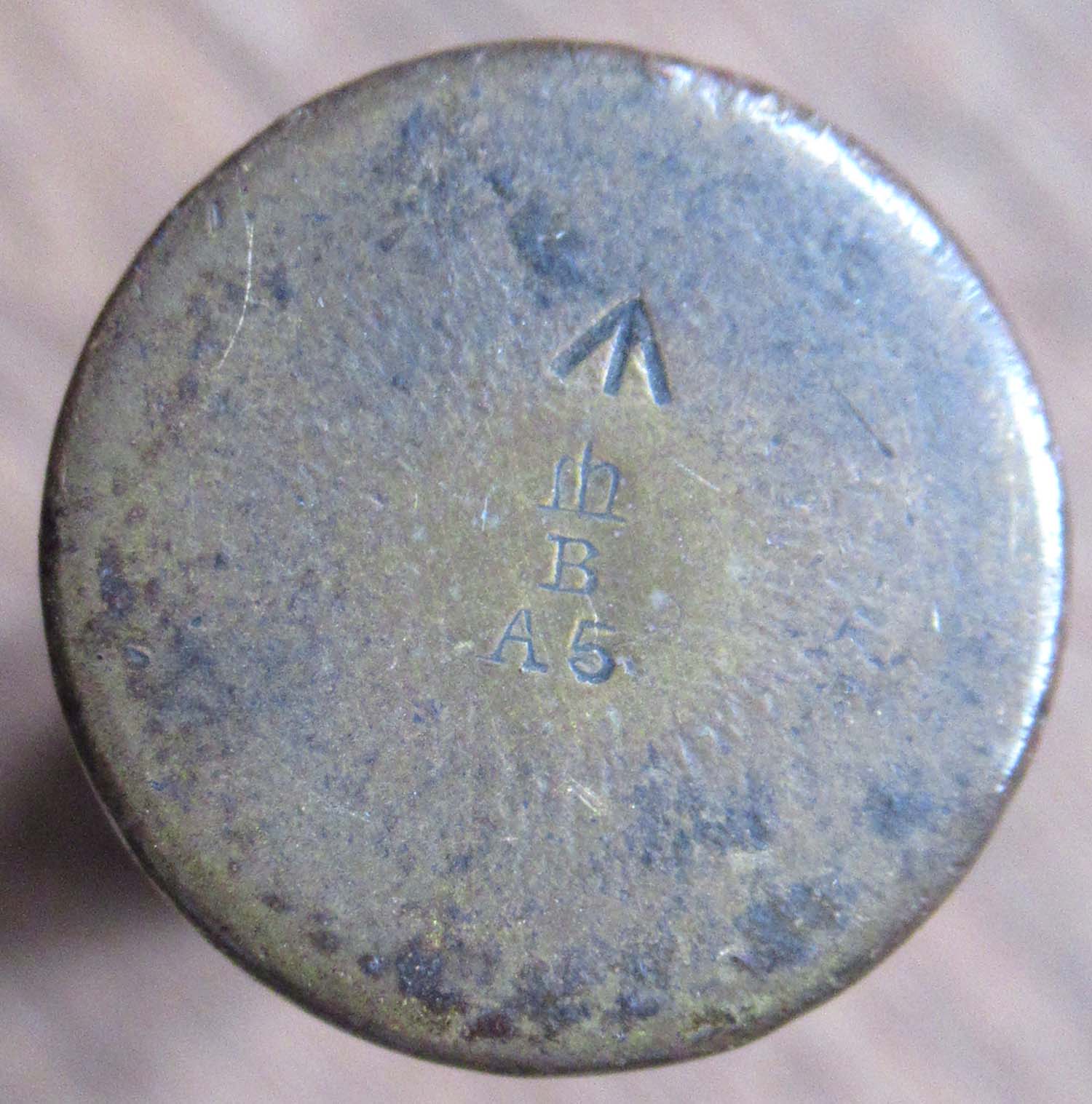
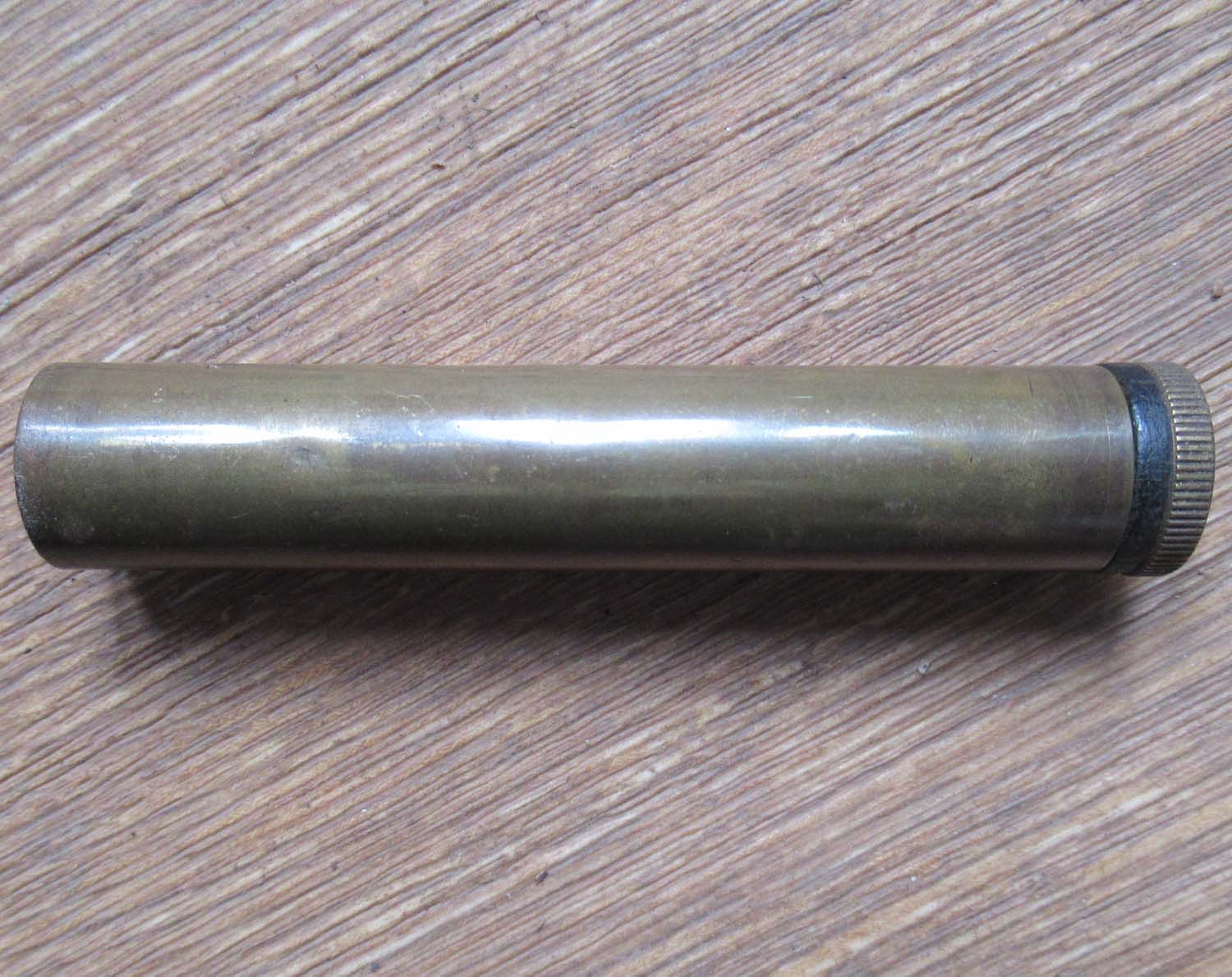
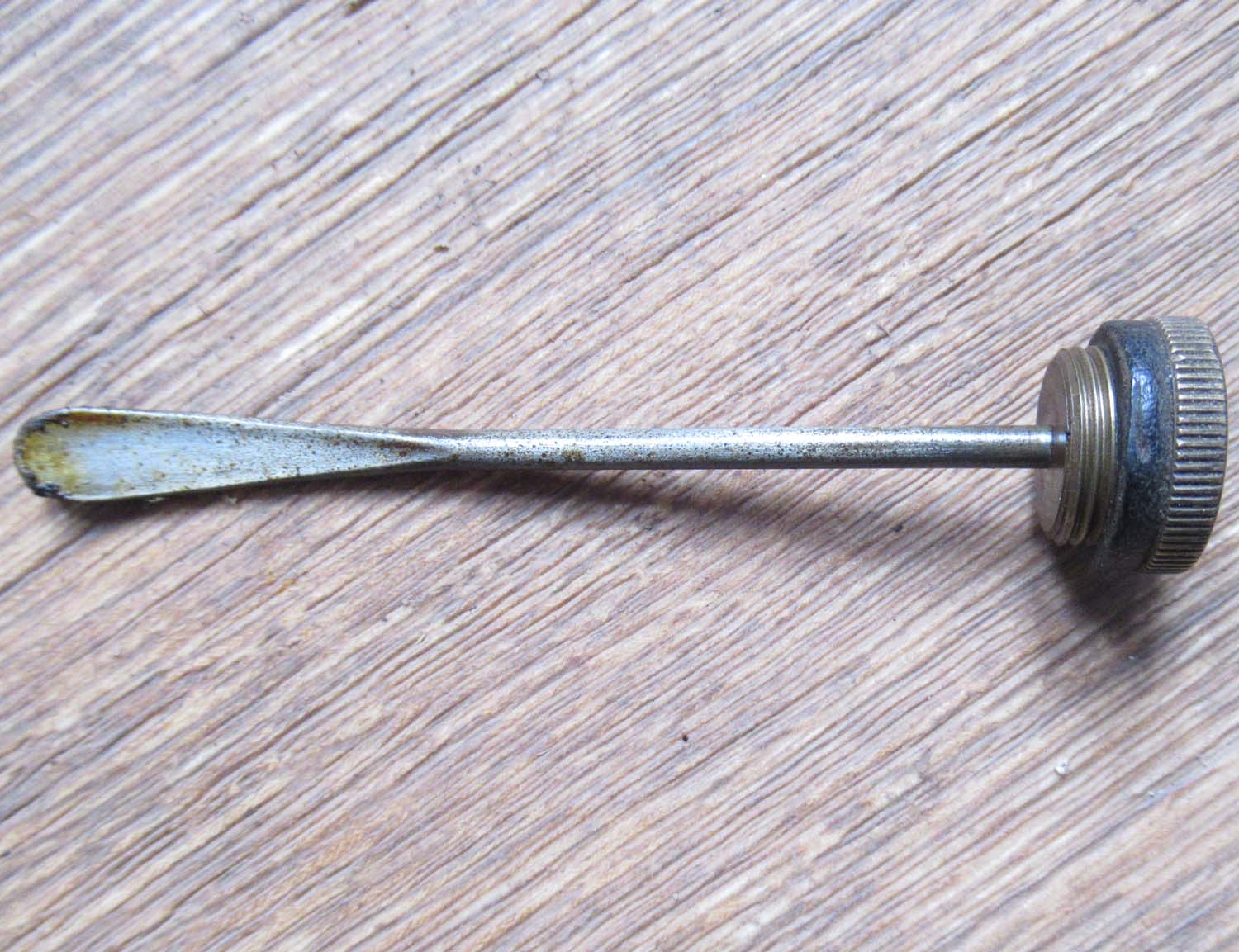
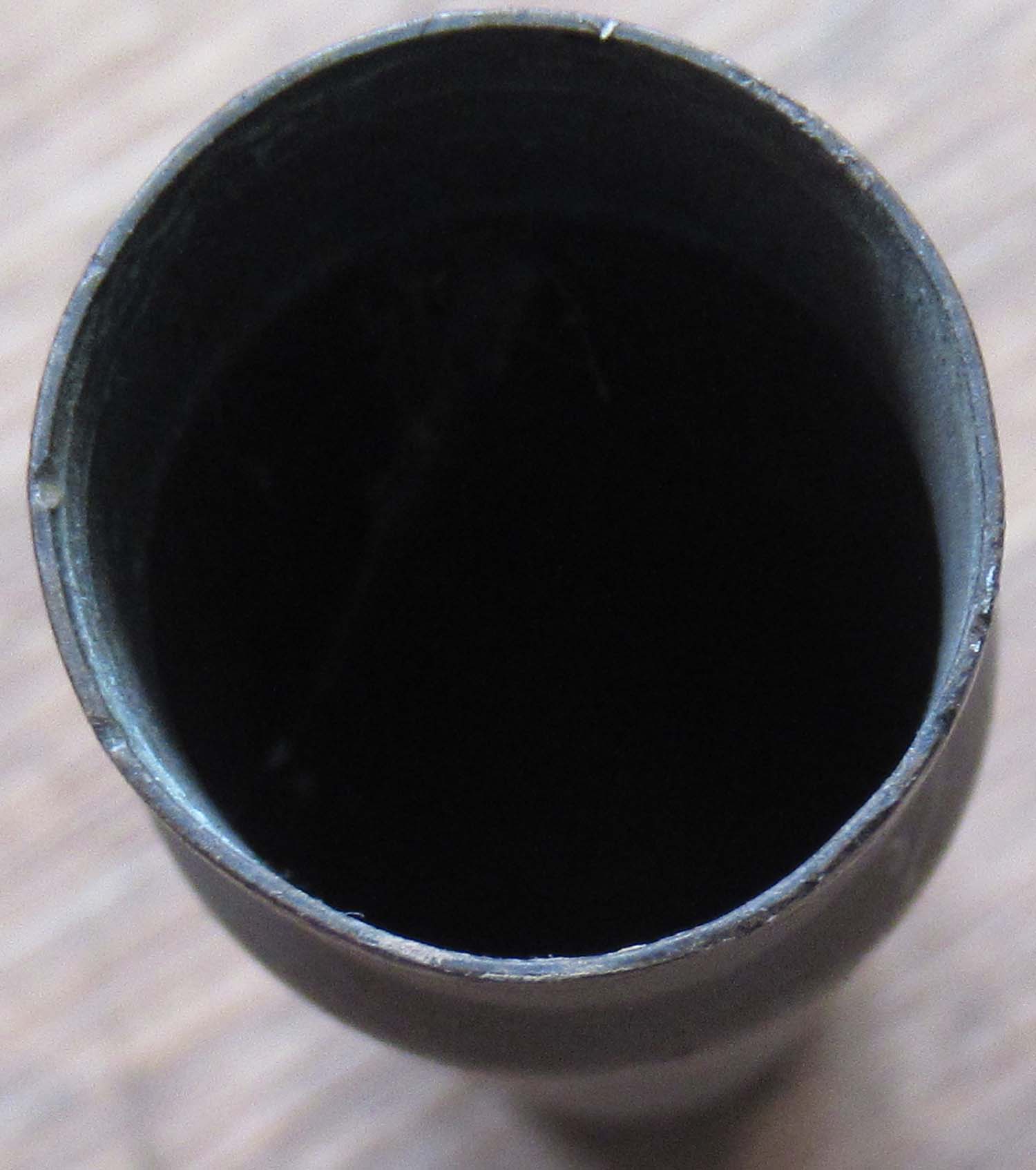
Brass Oil
Cleaning Kit From A .303 Rifle (pg1 SAS)
Here we have an oil cleaning
kit for a .303 rifle.
B
A 5
Click on pictures to enlarge
£35
|
|
Click on pictures to enlarge
|
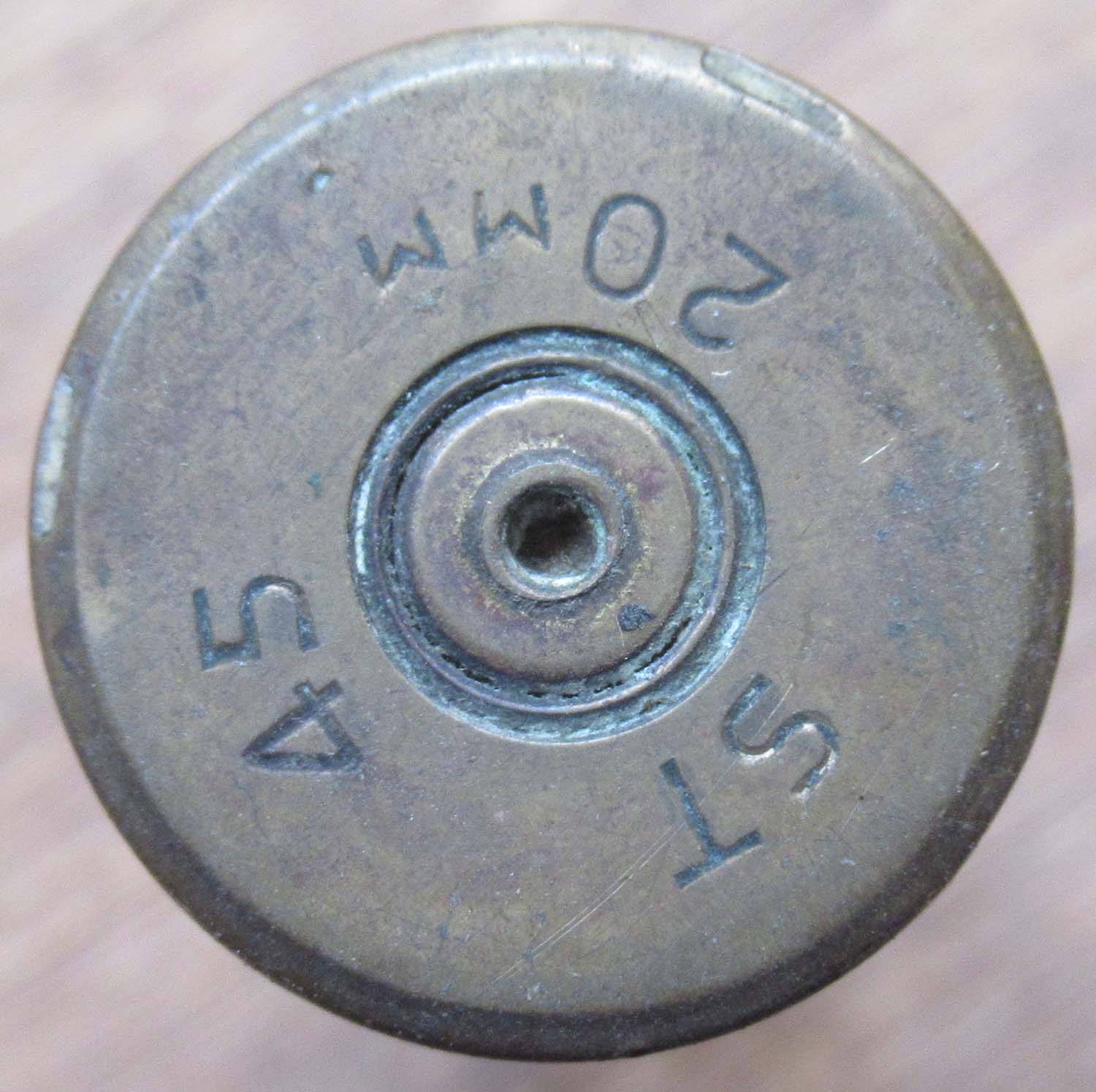
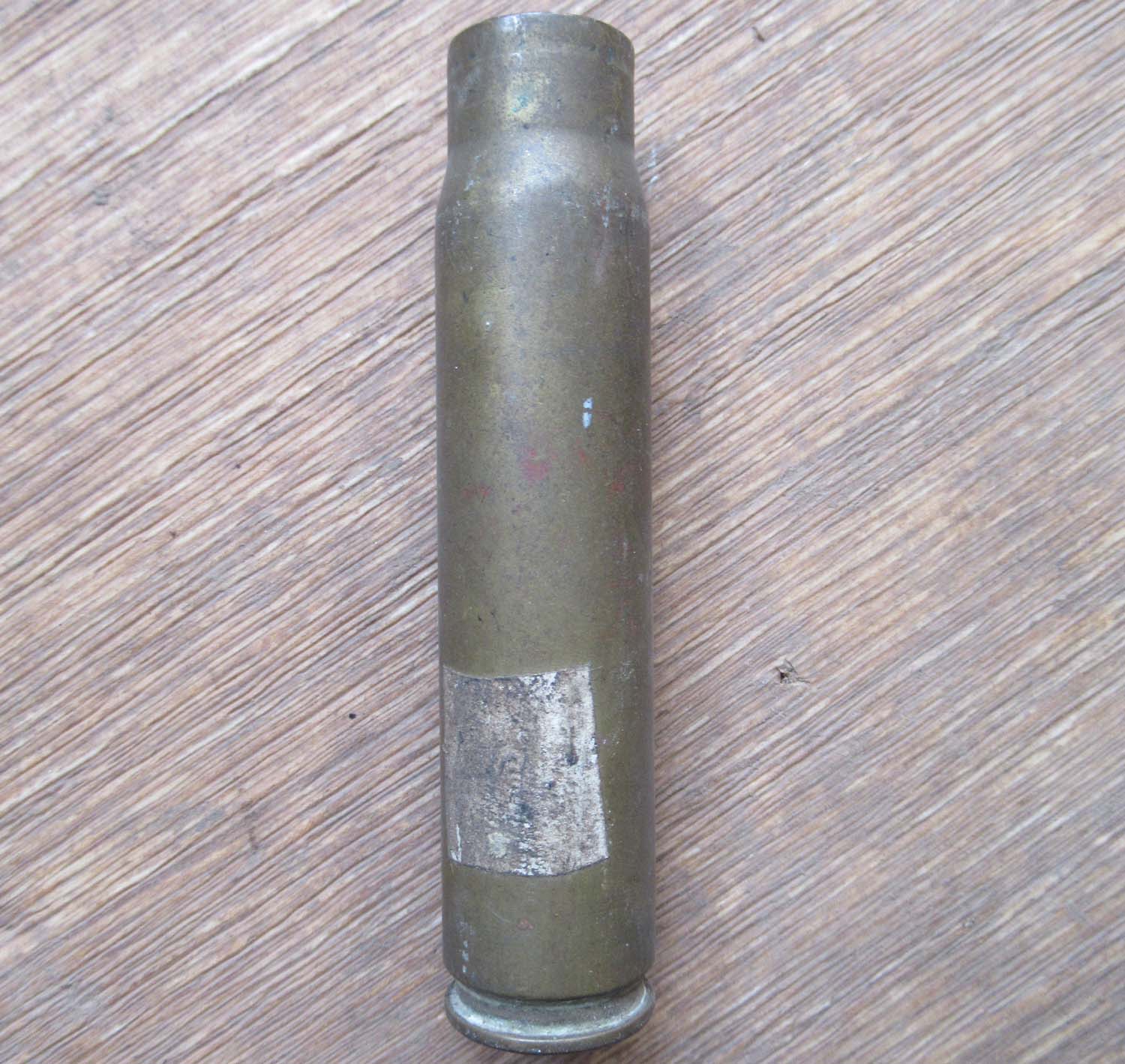
20mm Shell
Casing (pg1 SAS)
Here we have a shell casing
dated 1945.
Click on pictures to enlarge
£35
|
|
Click on
pictures to enlarge
|
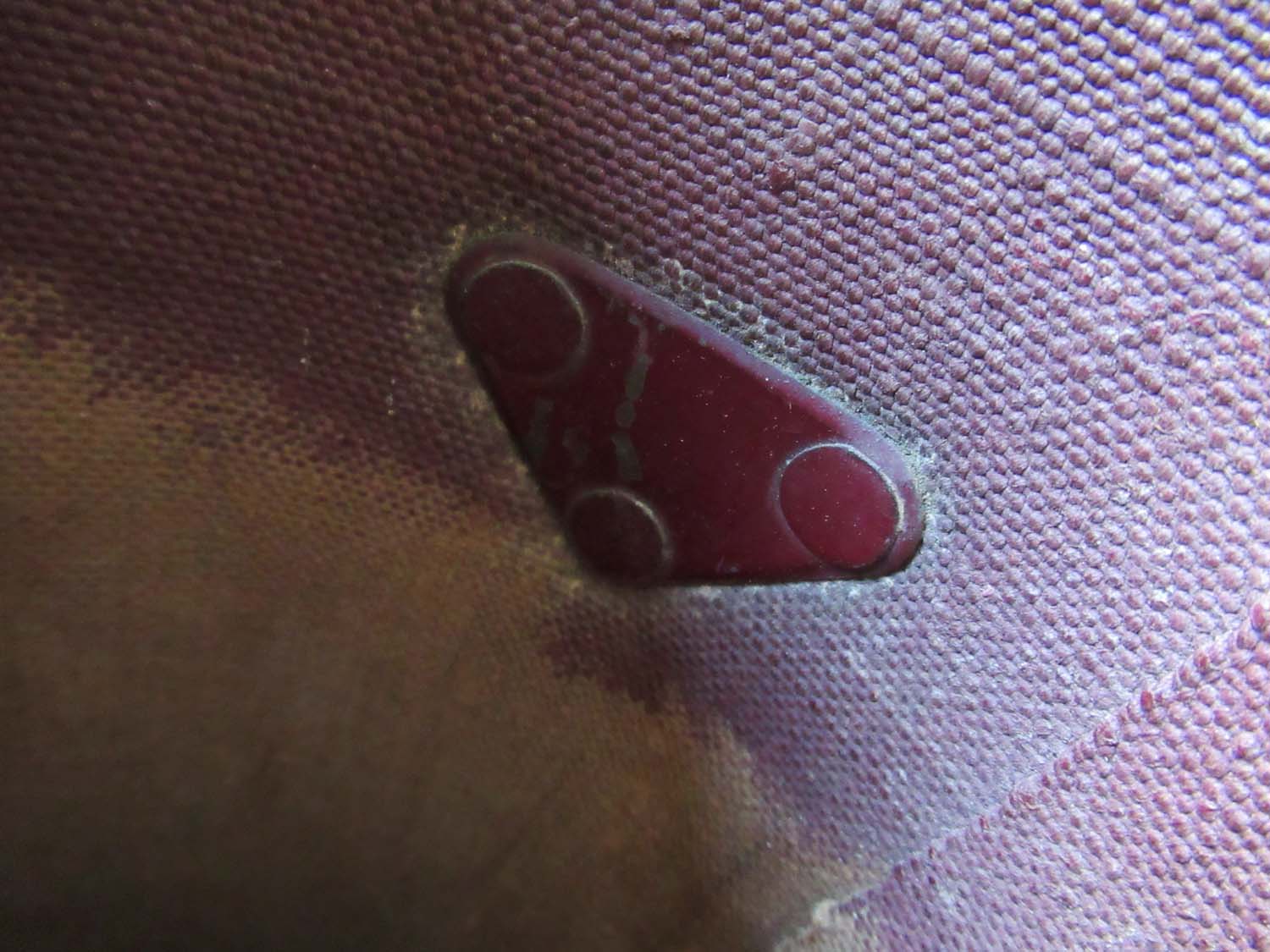
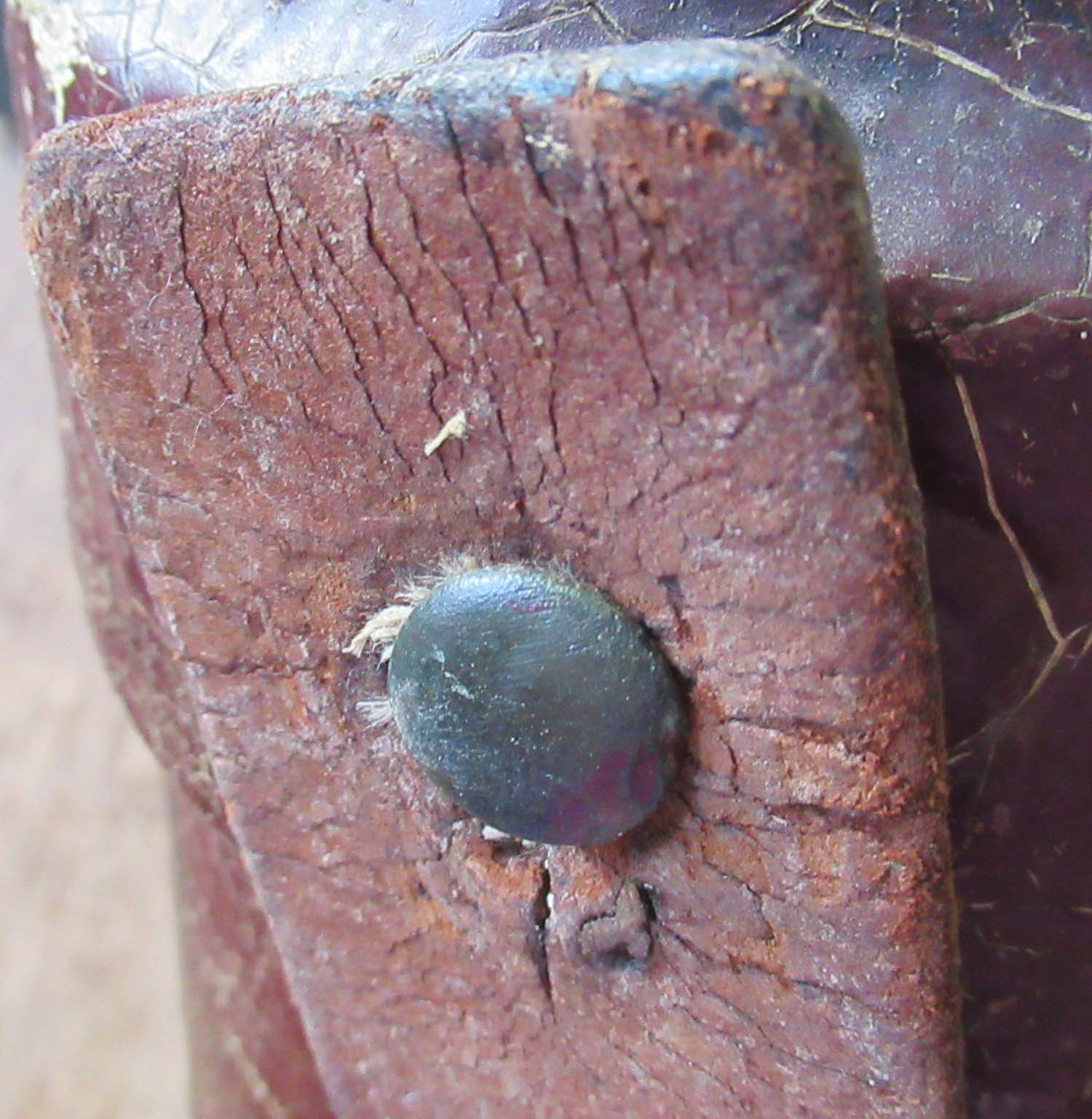
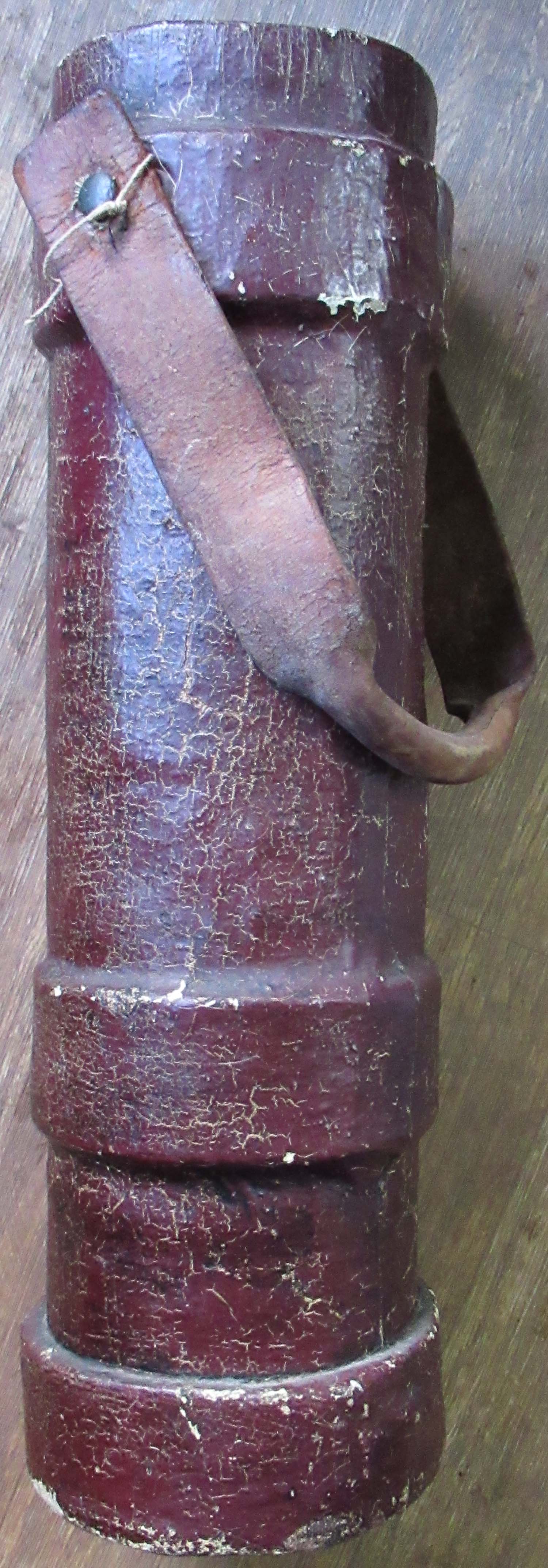
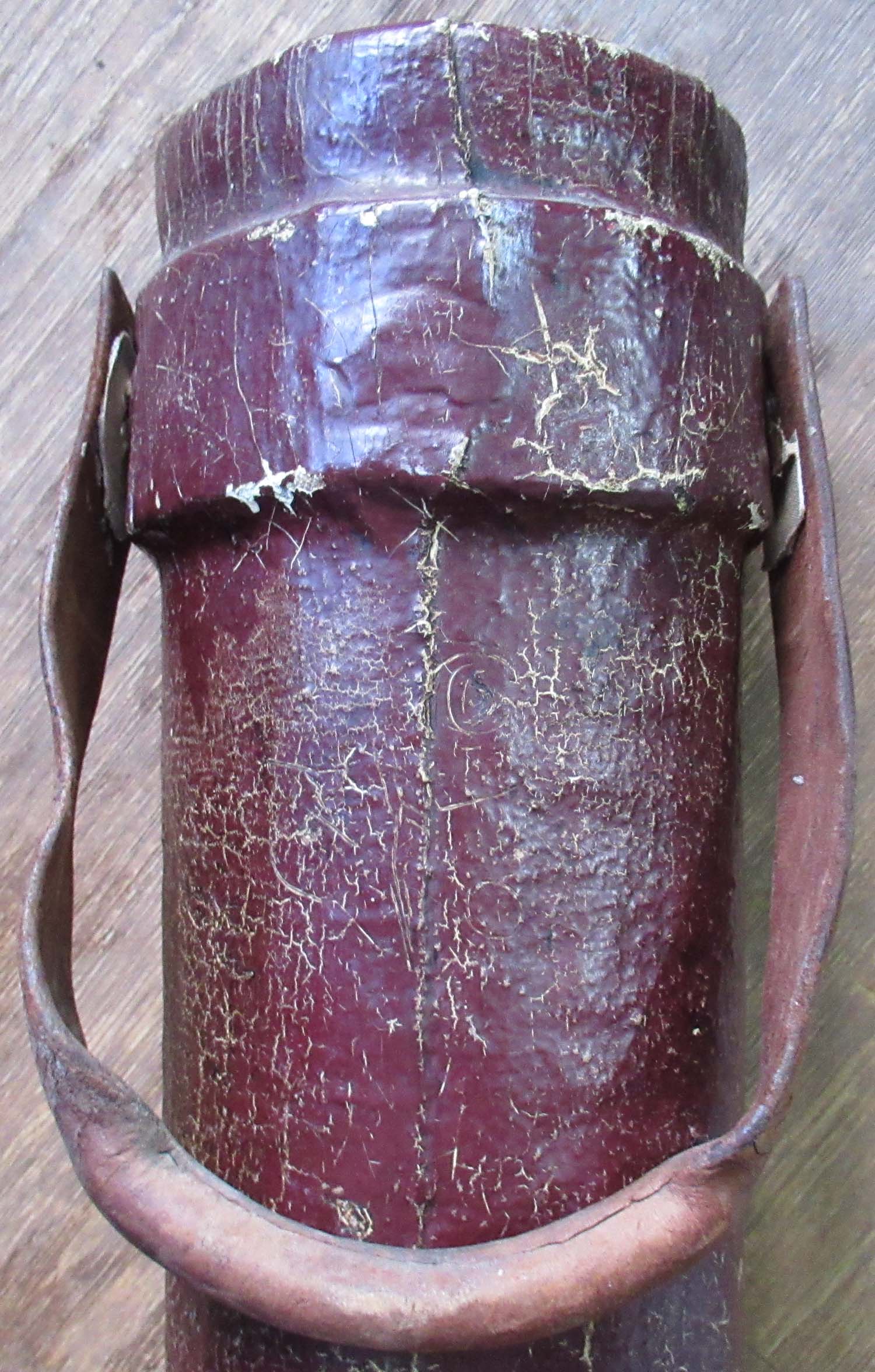
Mid 19th
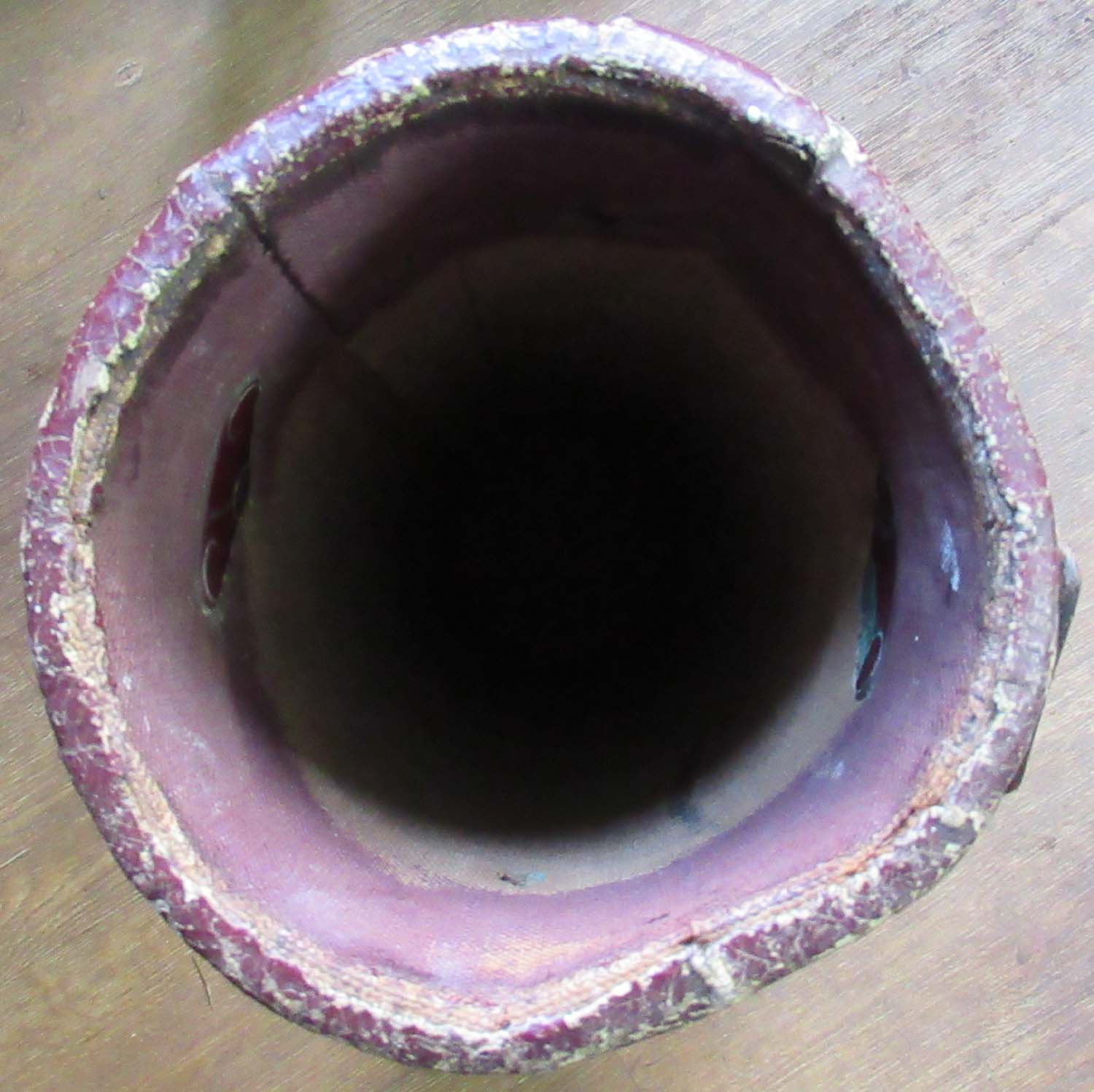
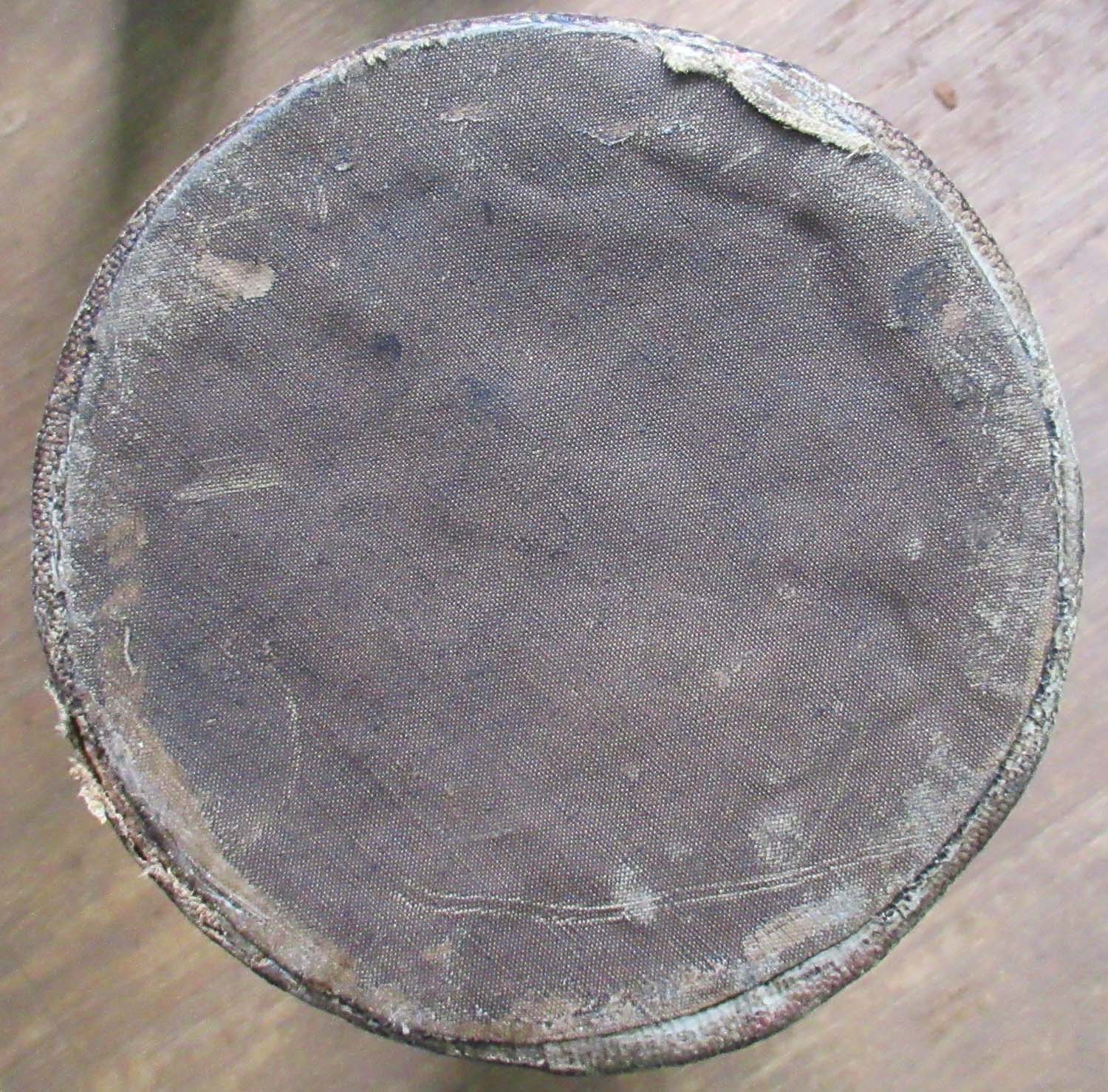
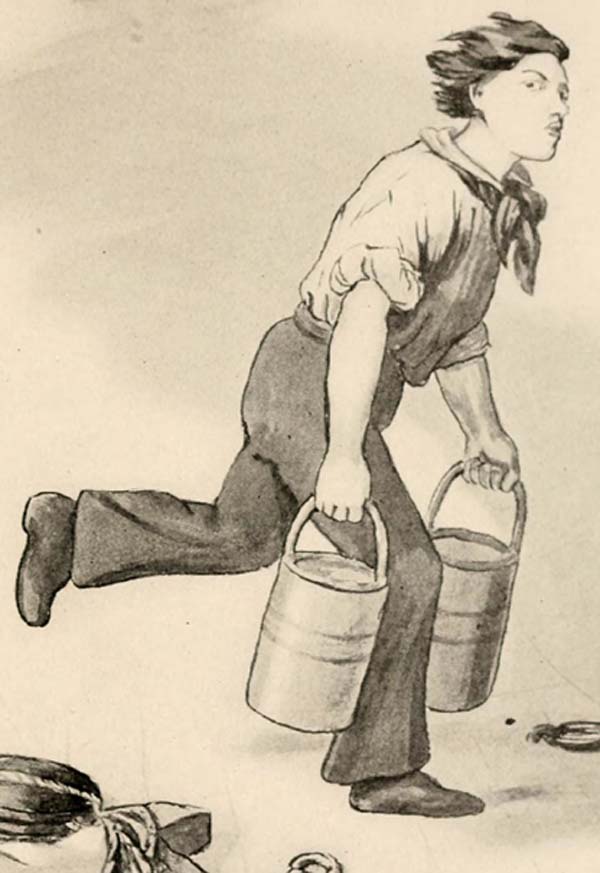
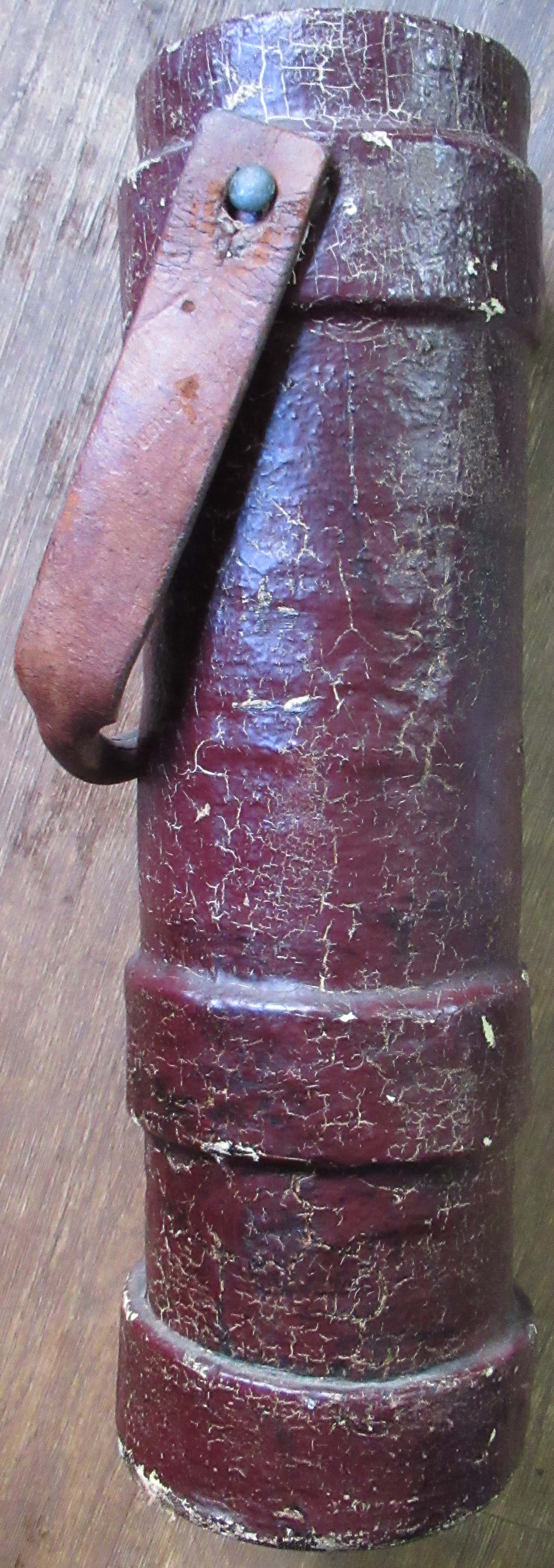
Century Cordite Powder Bucket (pg1 SAS)
Here we have a mid 19th
century Royal Navy powder bucket.
"Made of a cork frame and
painted, with leather handles.
These were used by the
a powder
boy or powder
monkey who
manned naval
artillery guns
as a member of a warship's crew, primarily during the Age
of Sail
in ships like HMS Victory.
His chief role was to
ferry gunpowder from
the powder
magazine in
the ship's hold to cannons, either in bulk or as cartridges,
to minimize the risk of fires and explosions The function
was usually fulfilled by boy
seamen of
12 to 14 years of age.
Powder monkeys were usually
boys or young teens, selected for the job for their speed
and height.
They were short and
could move more easily in the limited space between decks
and would also be hidden behind the ship's gunwale,
keeping them from being shot by enemy ships sharpshooters.
These powder monkeys held no
official naval rank on the ships that they sailed on.
Click on pictures to enlarge
£395
|
|
Click on picture to enlarge
£85
|
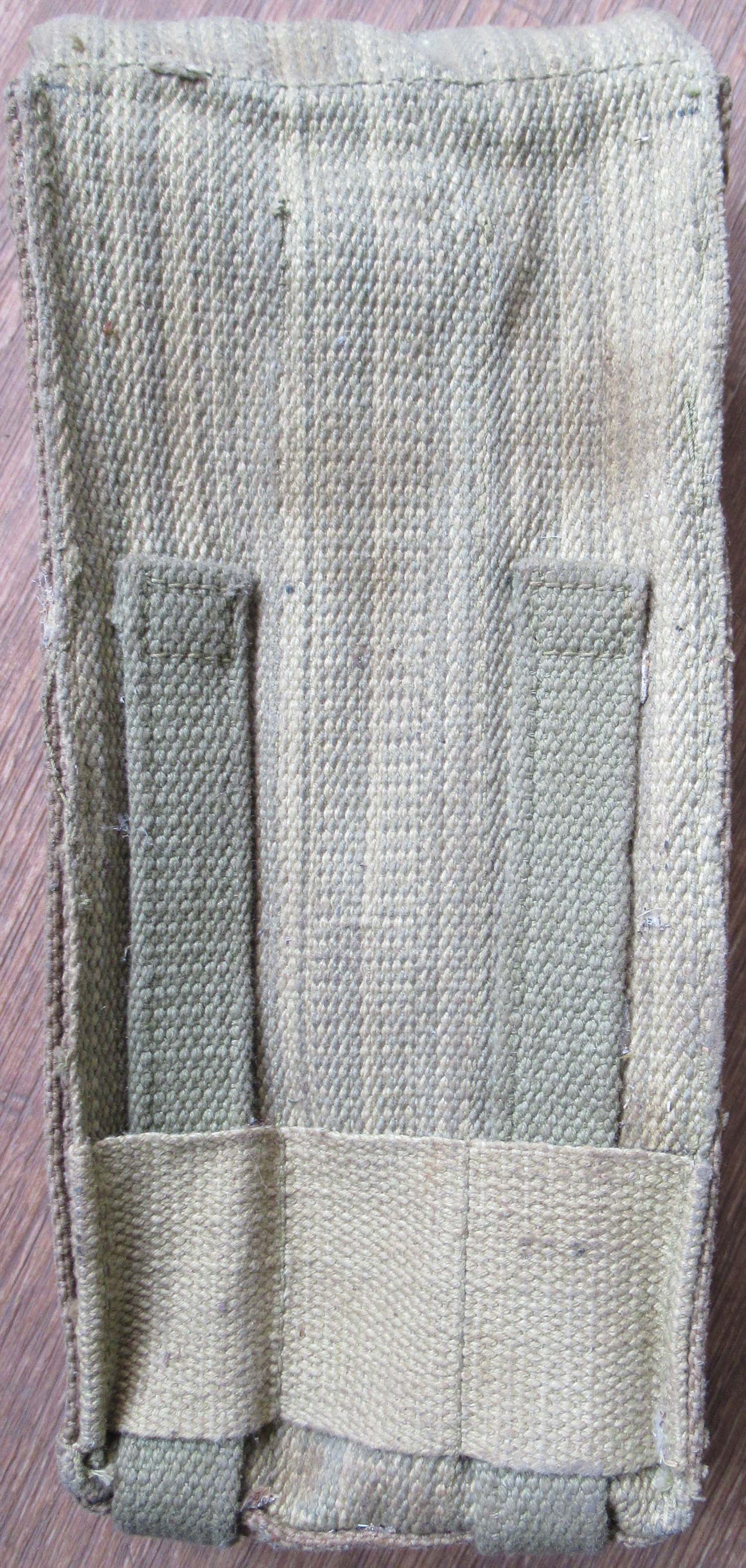
Thompson
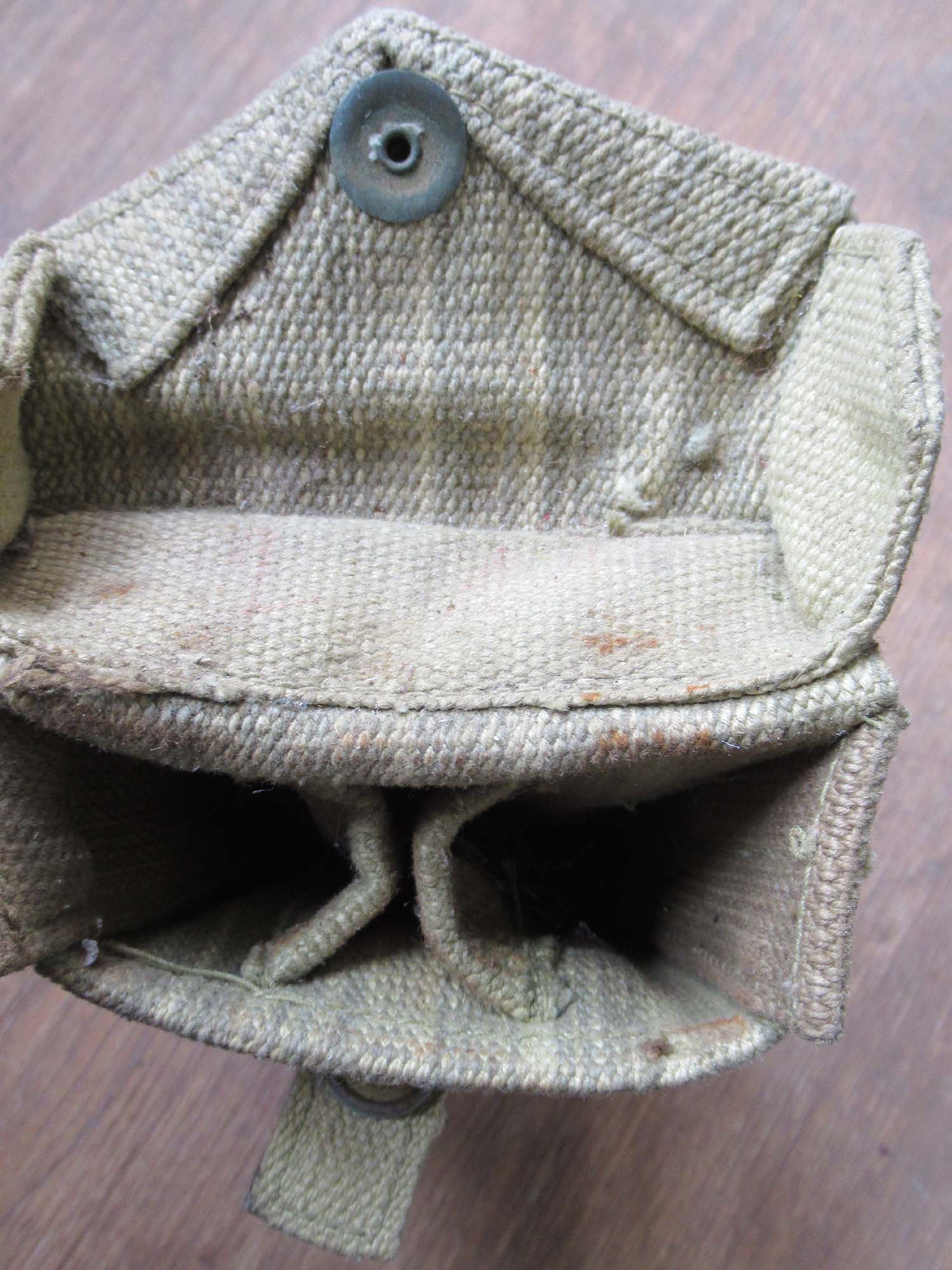
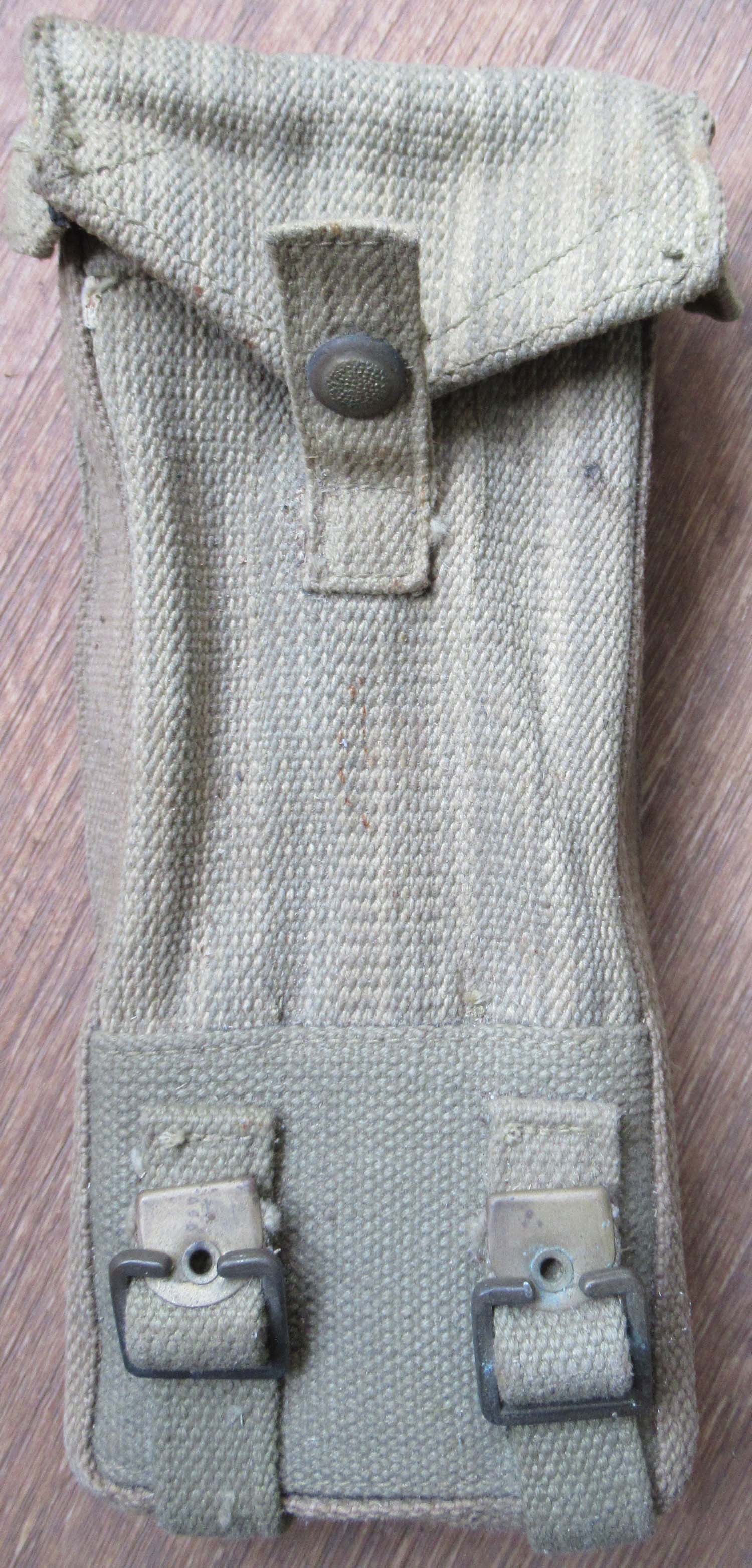
Submachine Gun Magazine Holder (pg1 SAS)
Here we have a magazine
holder for a Thompson submachine gun.
This piece is in good original
condition .
Click on pictures to enlarge
|
|
Click on pictures to enlarge
|
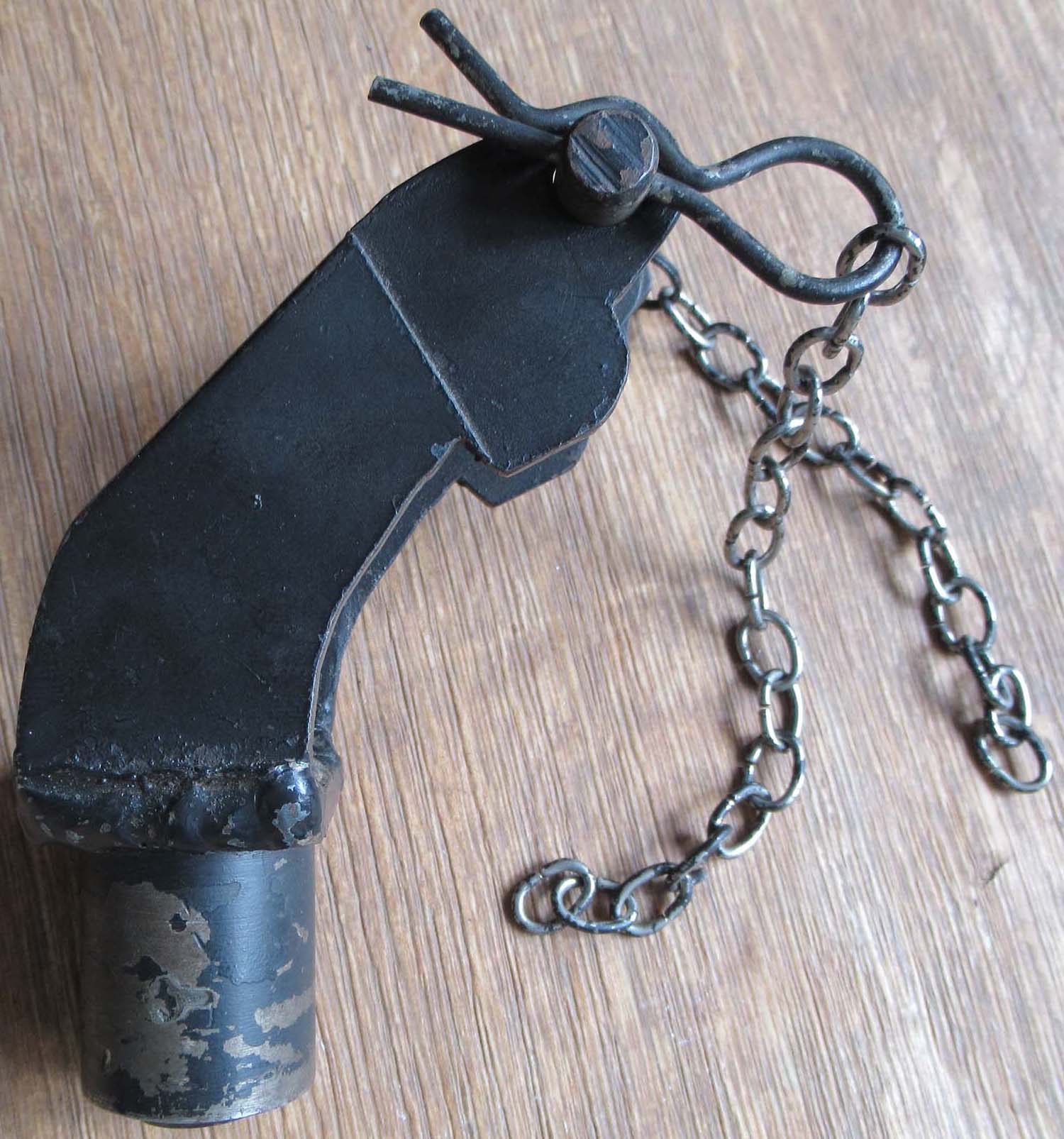
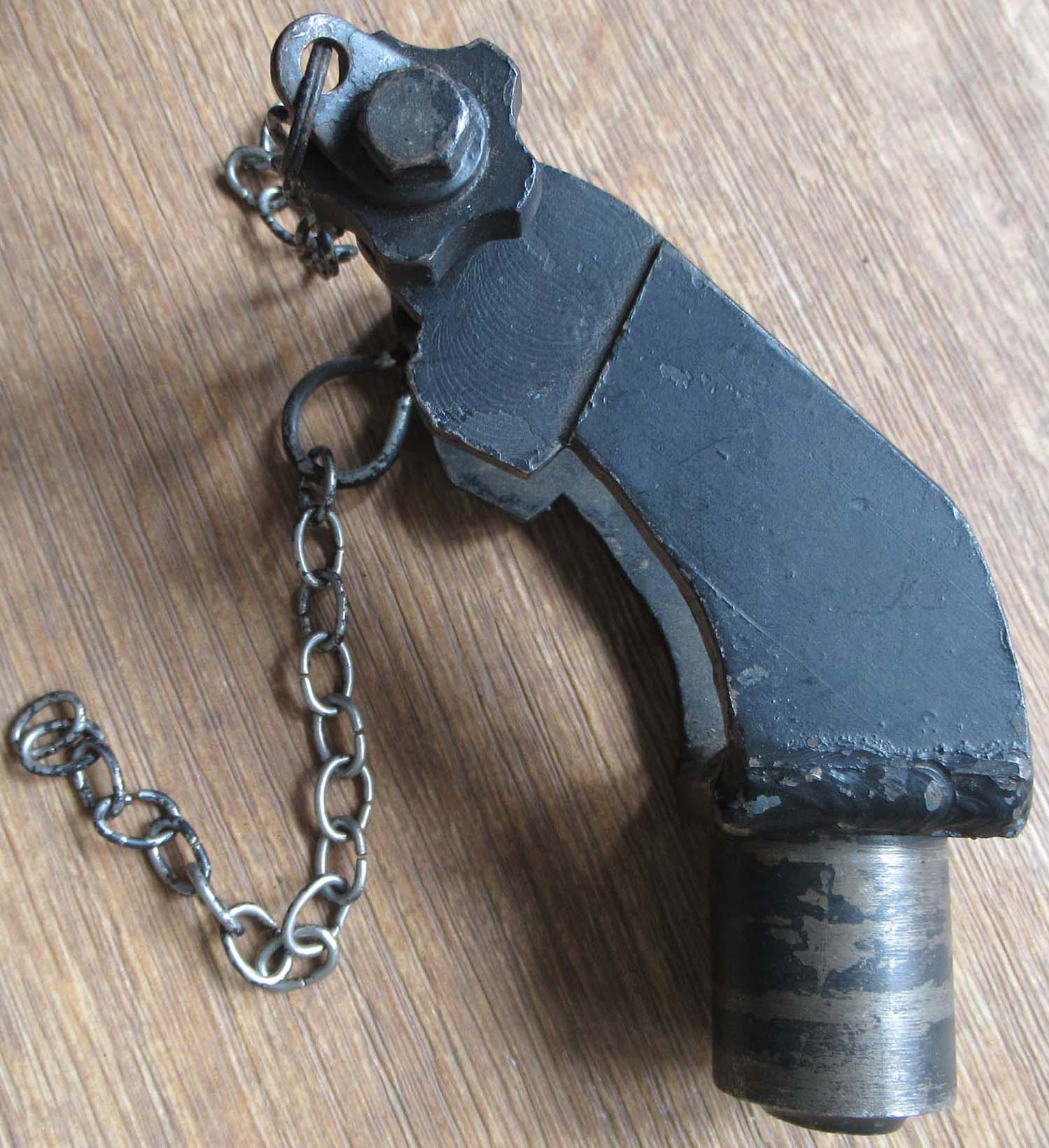
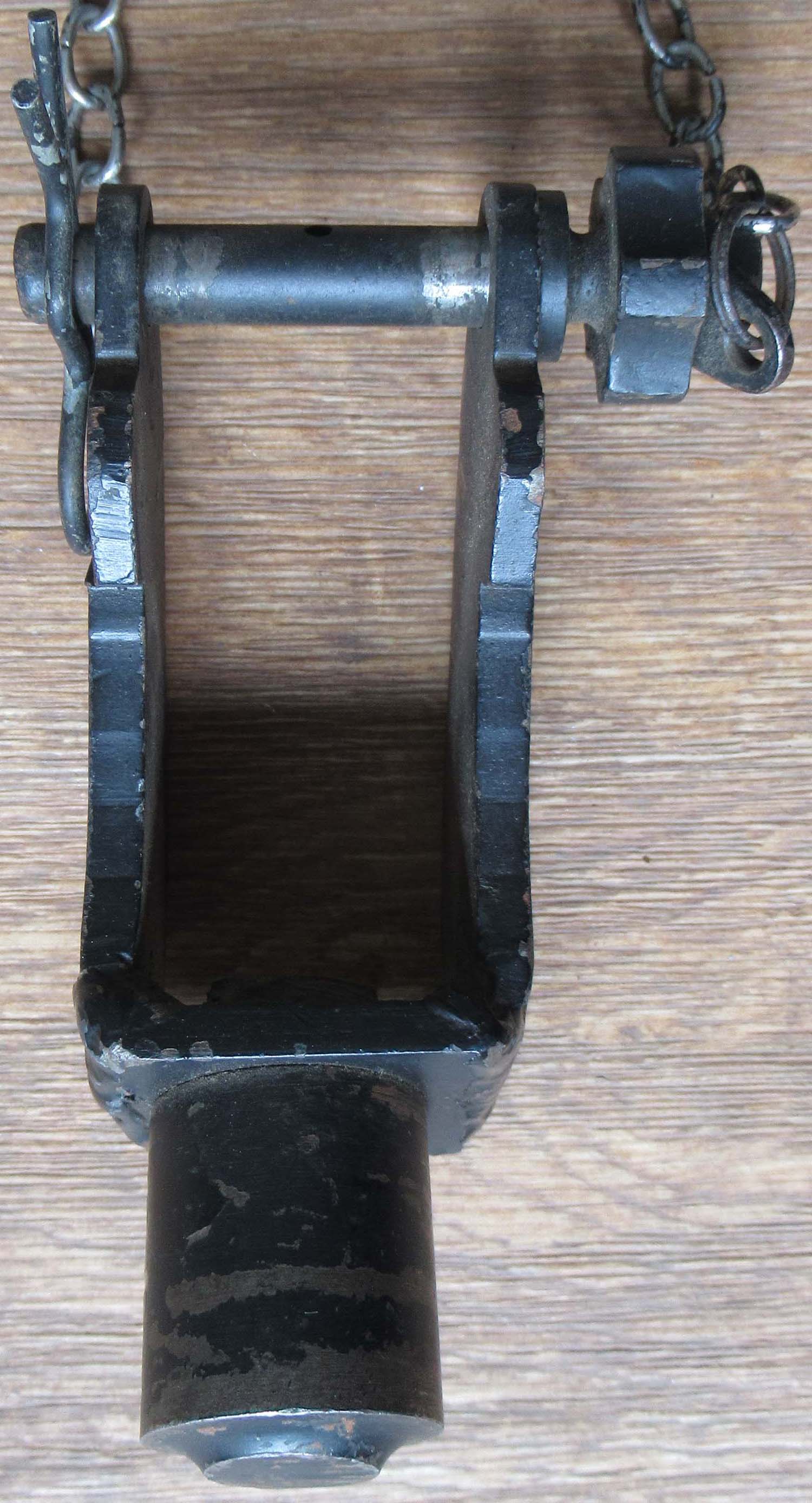
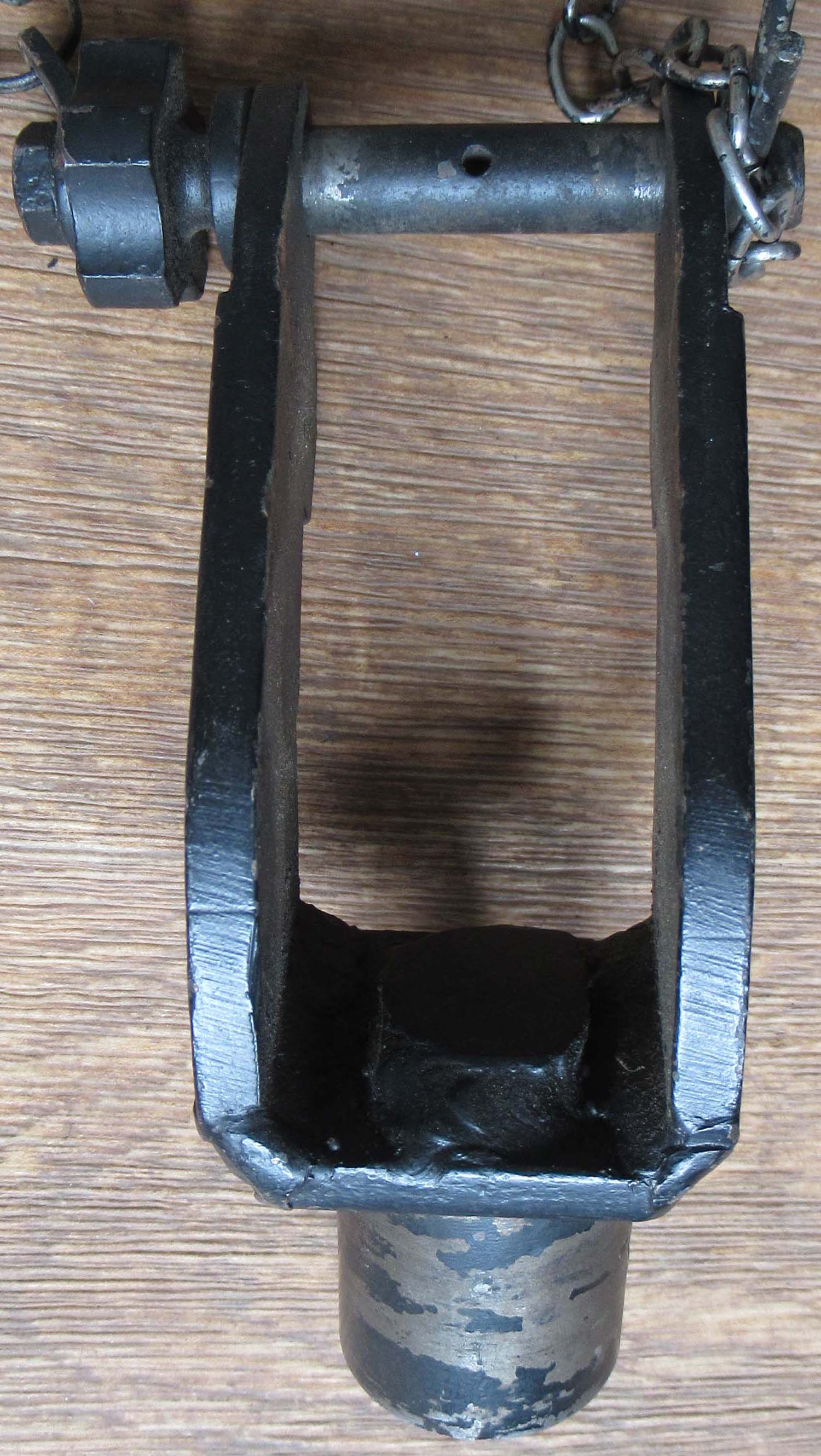
A .303 Gun
Mount (pg1 SAS)
Here we have a gun mount for
a .303 gun machine gun. This piece is in good original
condition . I believe this will also fit the 30 calibre,
this peace is for attaching the guns to vehicles like Jeeps.
Click on pictures to enlarge
£180
|
|
Click on pictures to enlarge
|
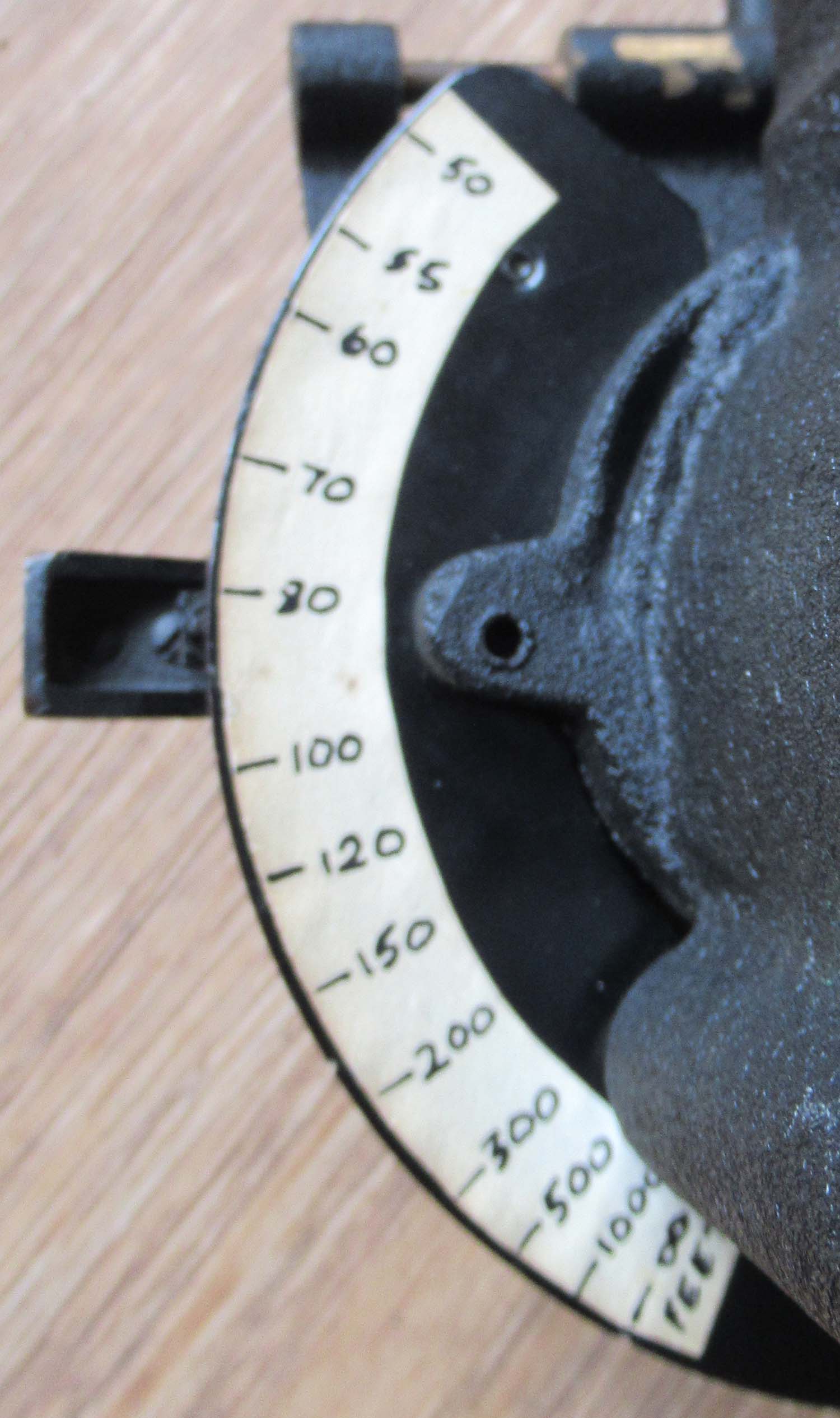
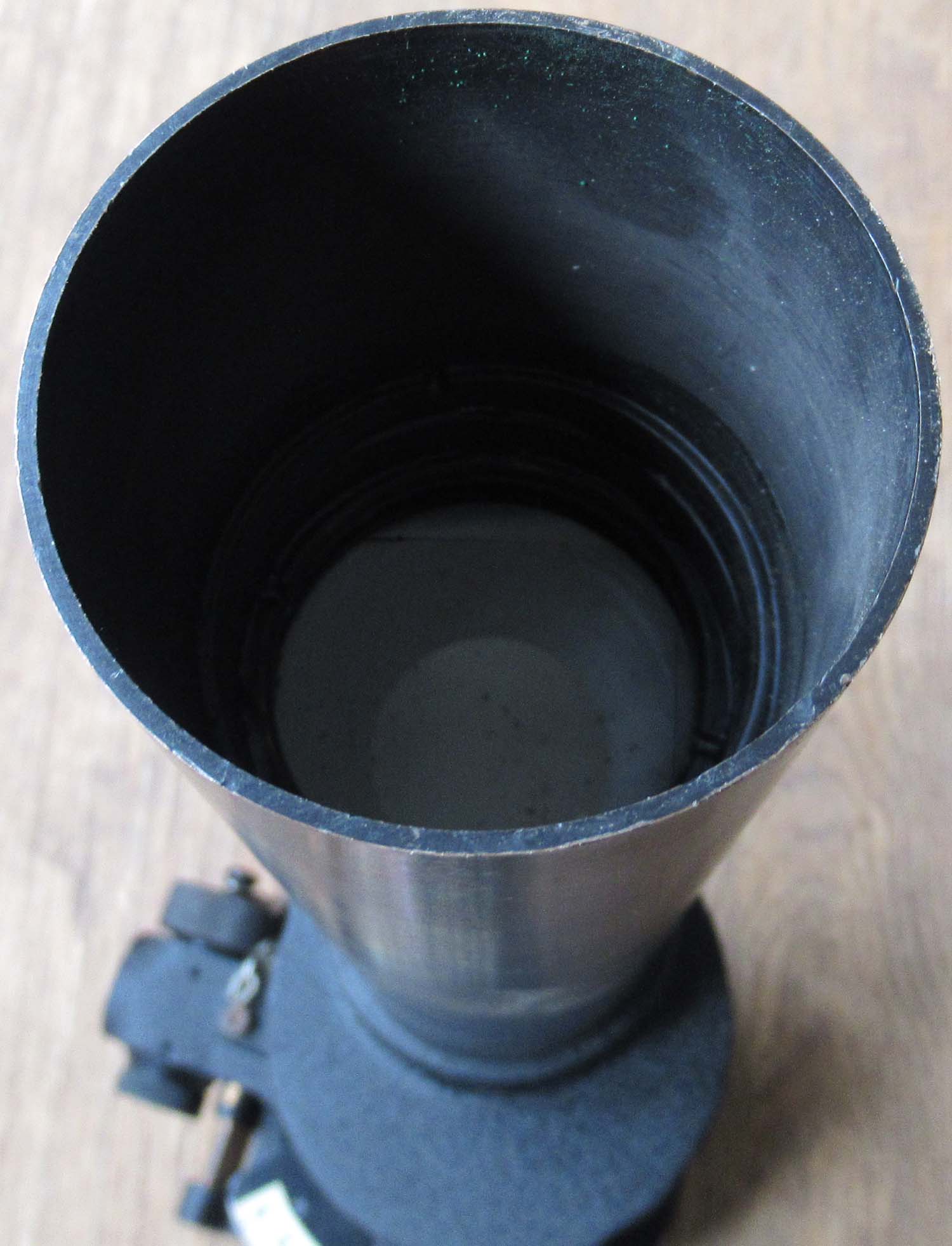
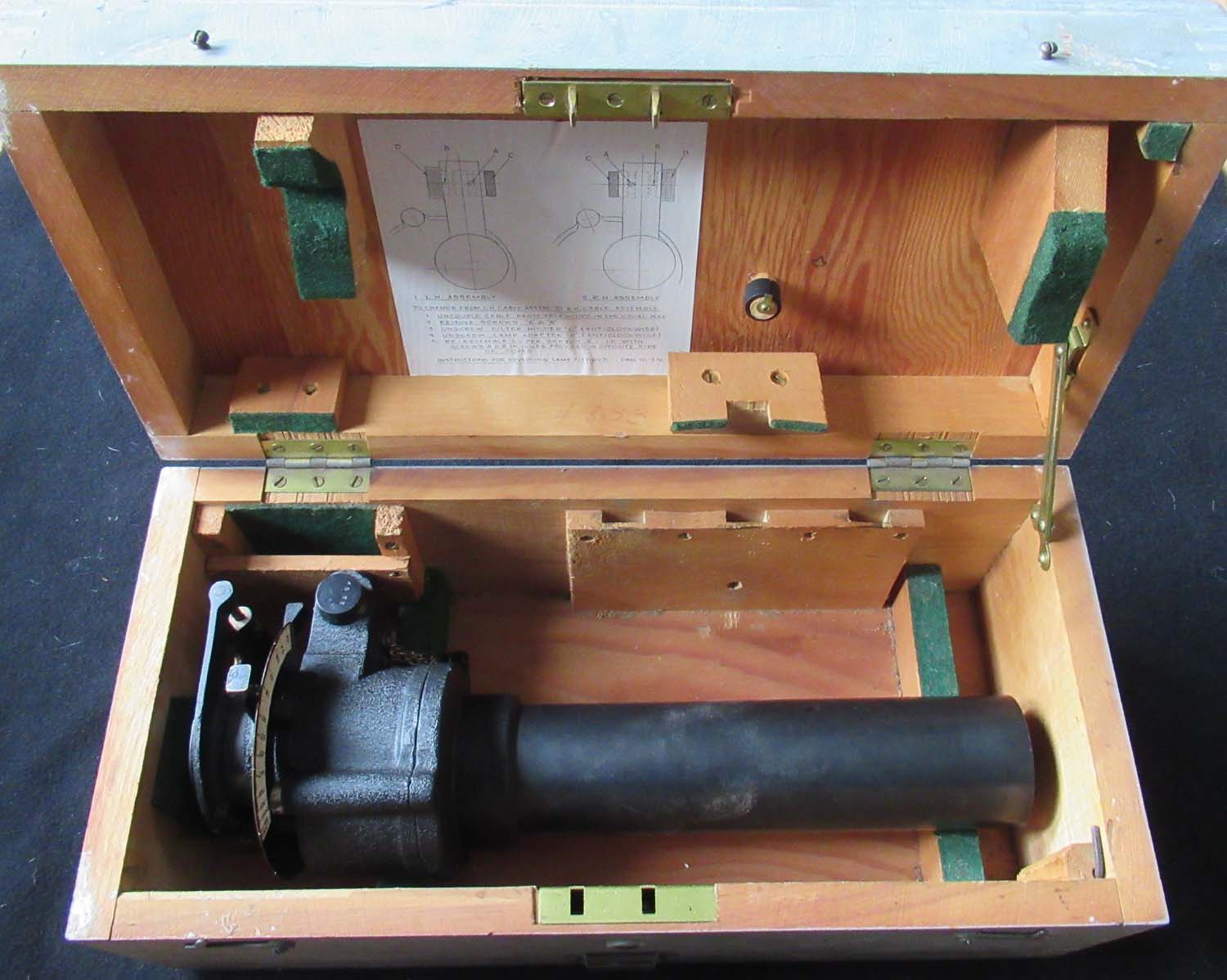
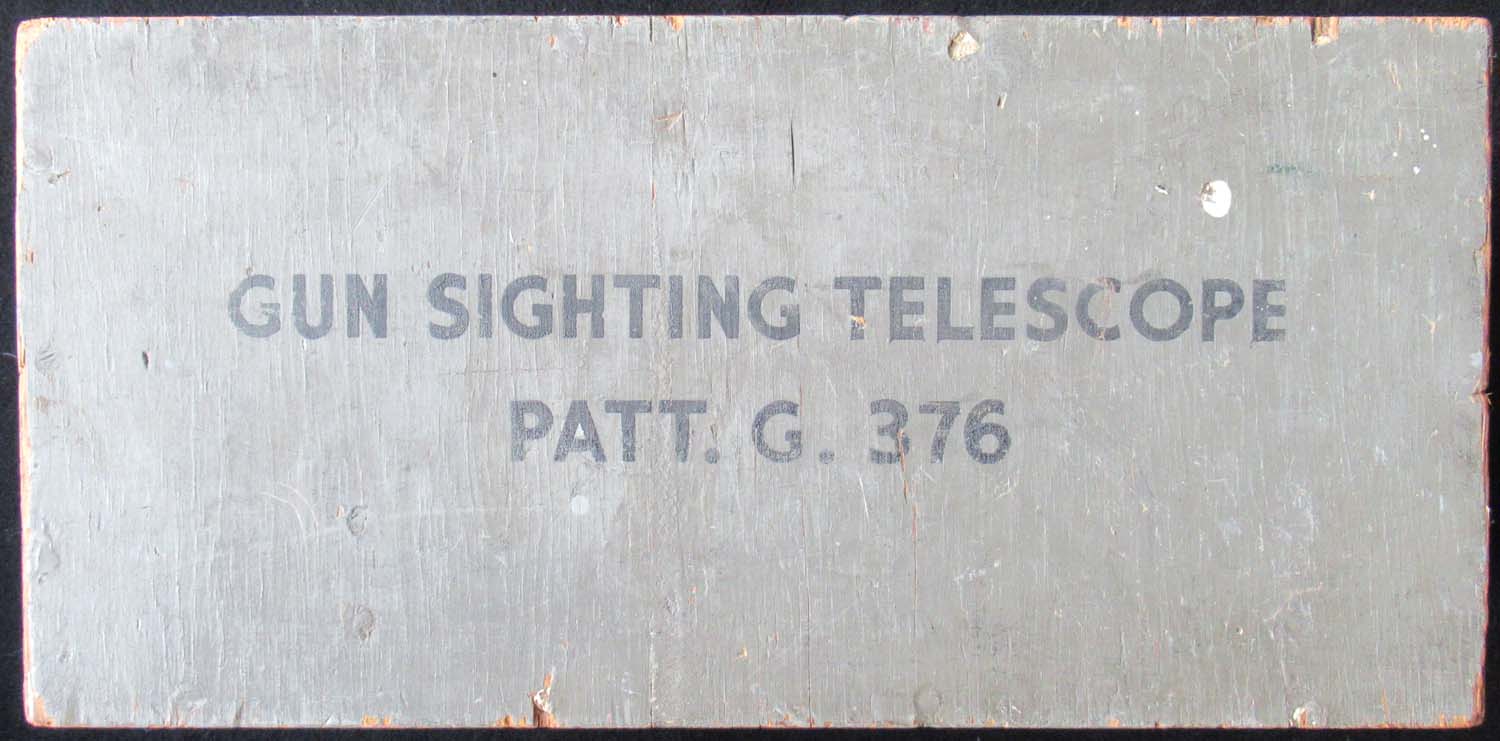
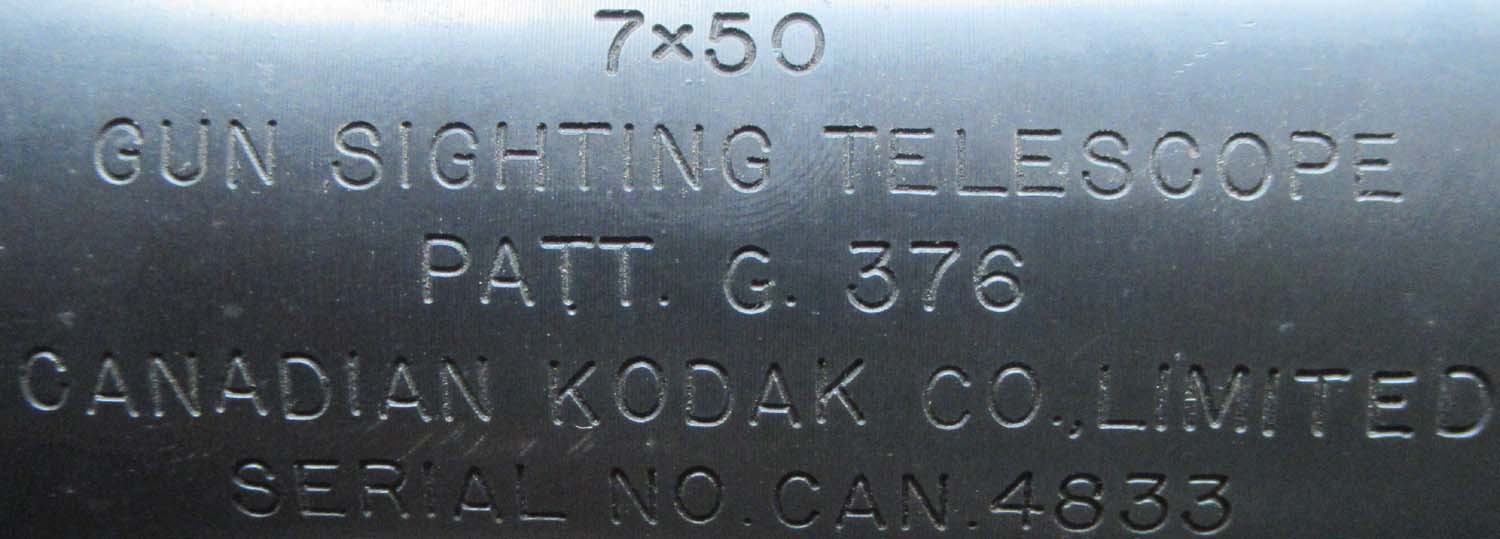
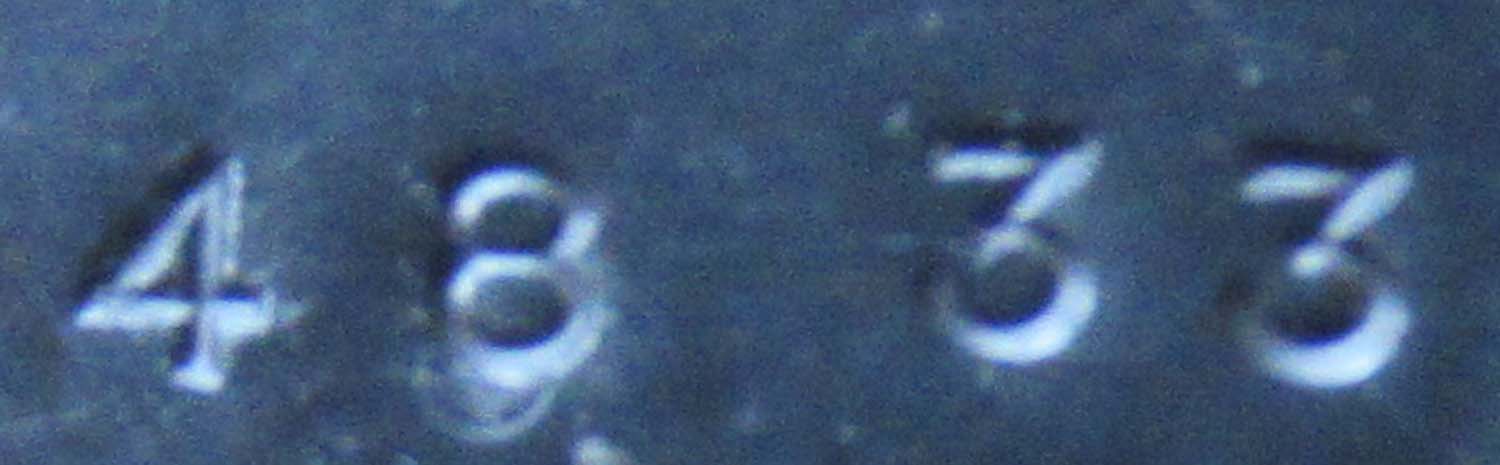
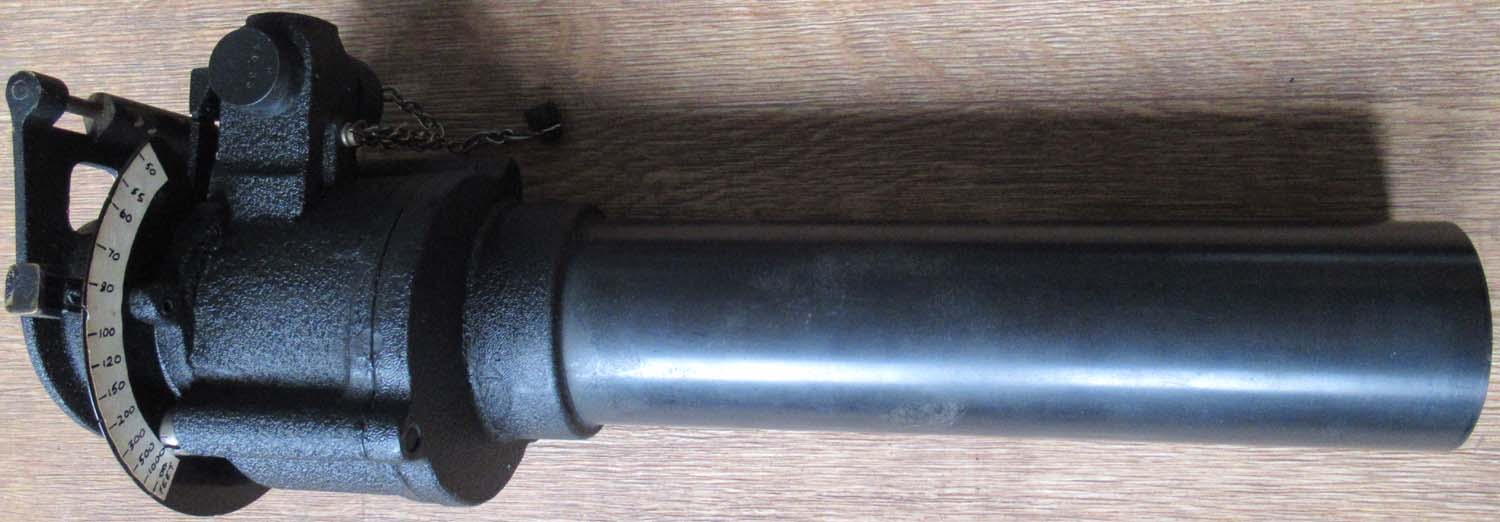
Gun Sighting Telescope Patt G. 376 (pg1 SAS)
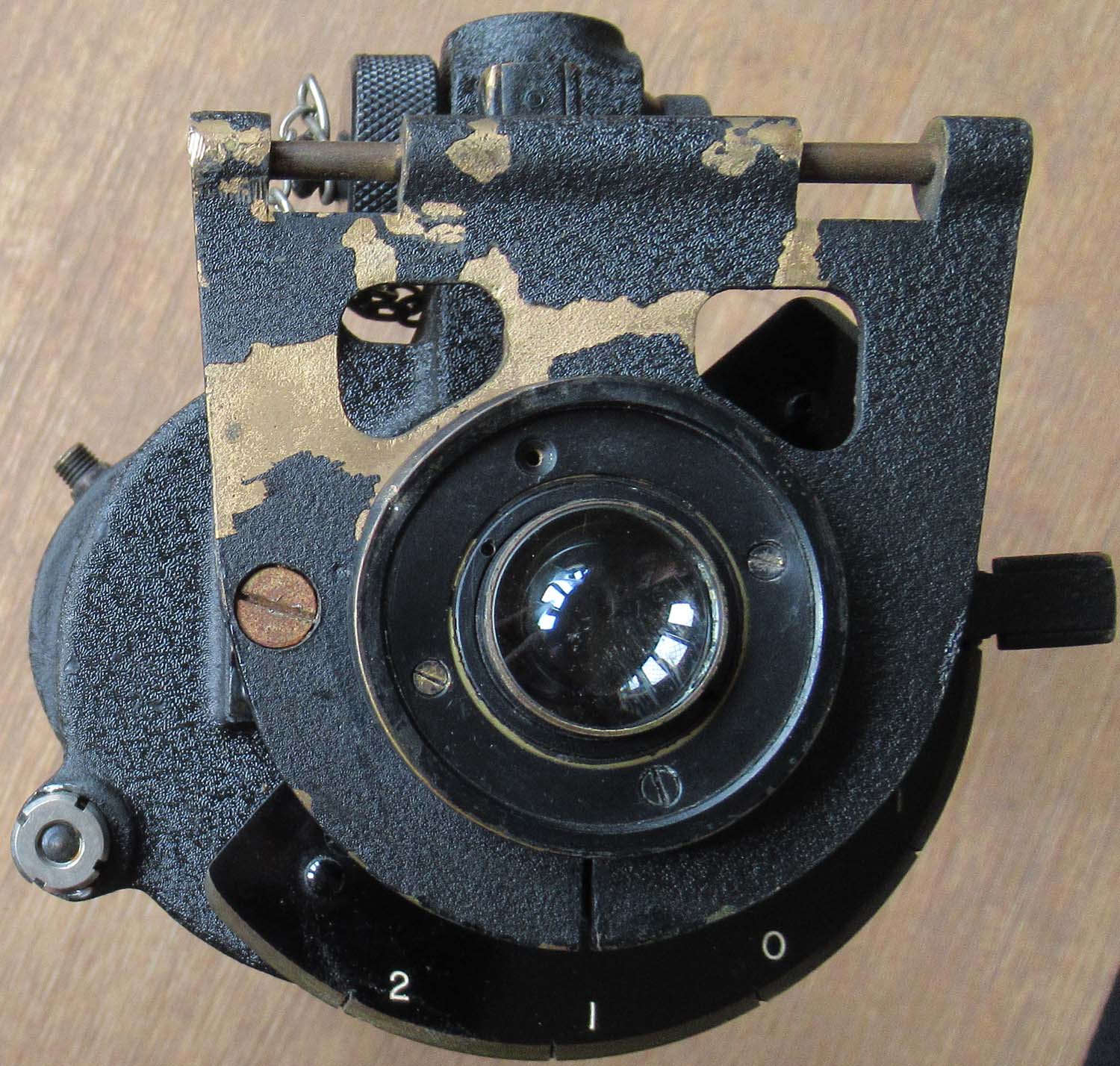
Here is a really
nice Gun sighting Telescope made by the Canadian Kodak
Company used extensively during the battle of the Atlantic
on the deck guns of 1" to 4.5 " on both Anti Aircraft
and Anti shipping roles. Fitted to Corvettes, and other
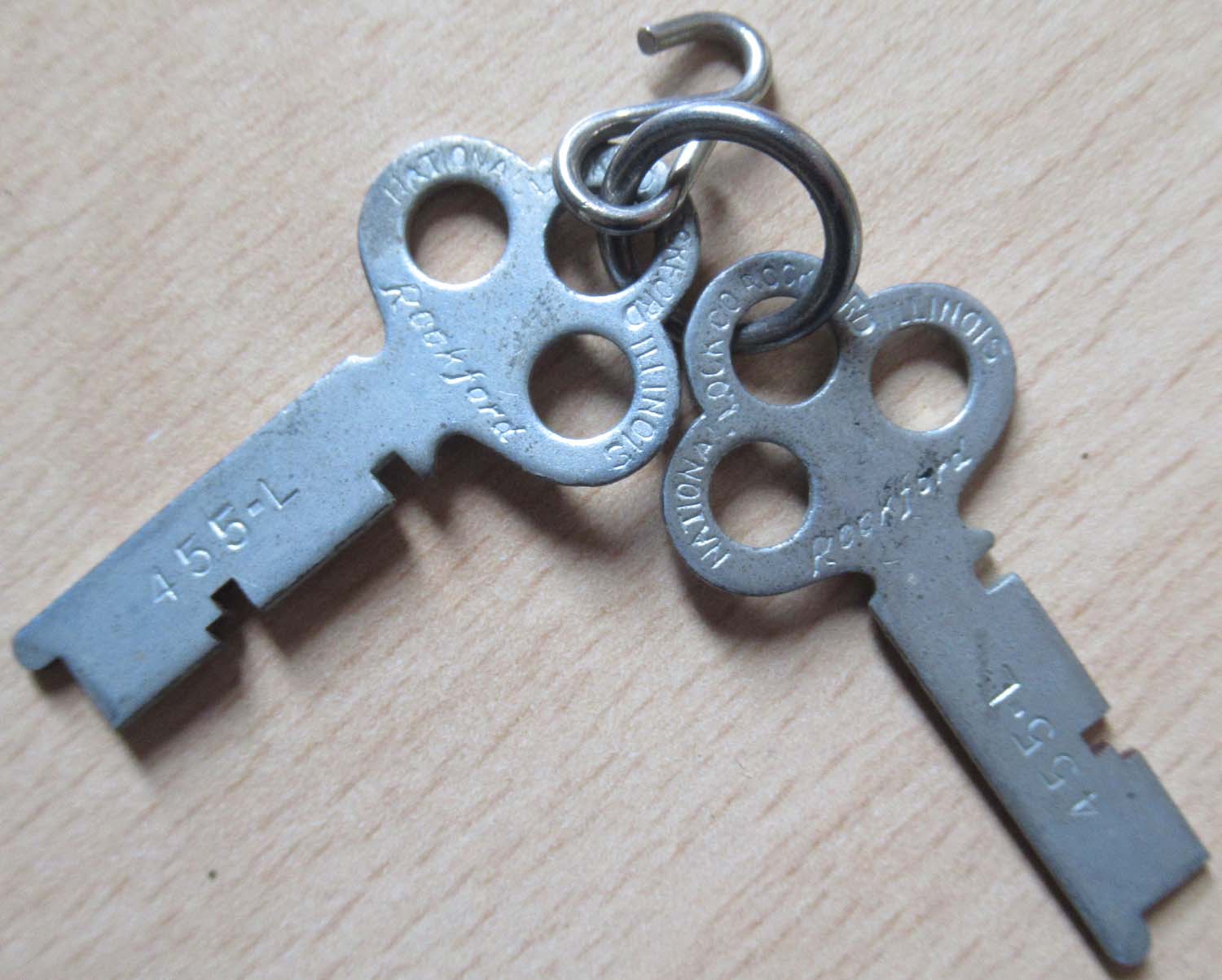
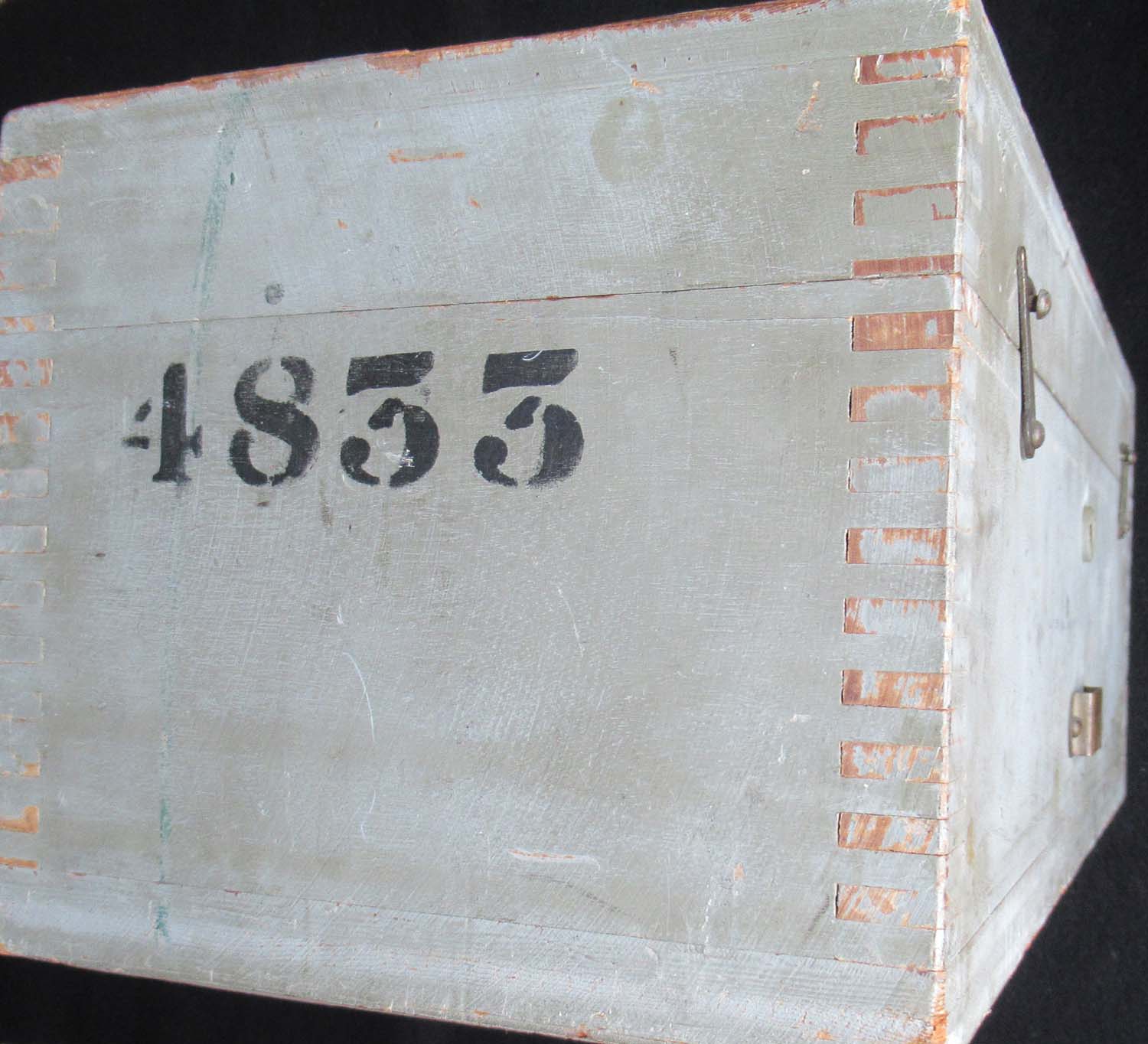
smaller escort ships. It has its original keys for the box
but appears to missing the rubber eye pads. The optics work
well and the zoom or focus moves as it should.
Click on pictures to enlarge
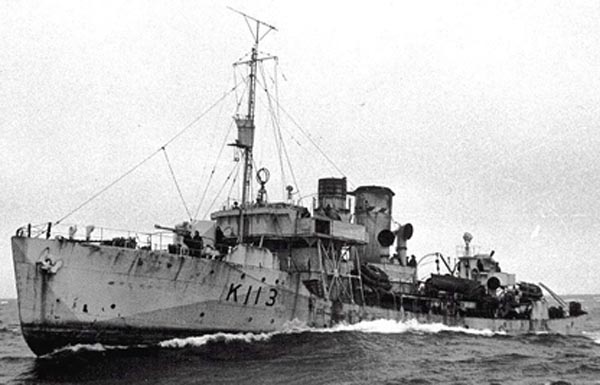
Shown above a
Flower Class Corvette one of the most numerous Escort ships
of WWII which fought in the brutal Battle of the Atlantic
protecting Convoys from the US.
£200
|
|
Click on pictures to enlarge
|
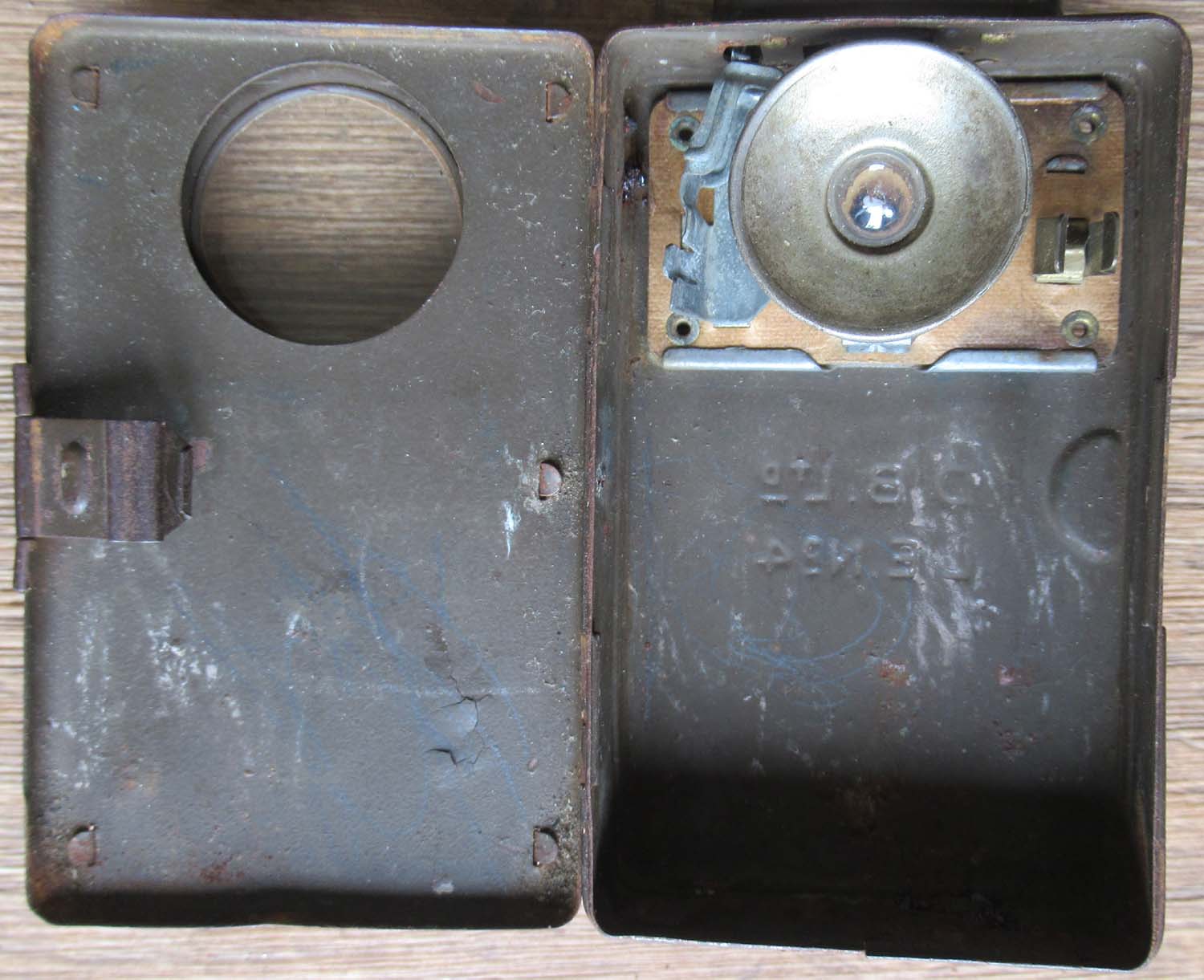
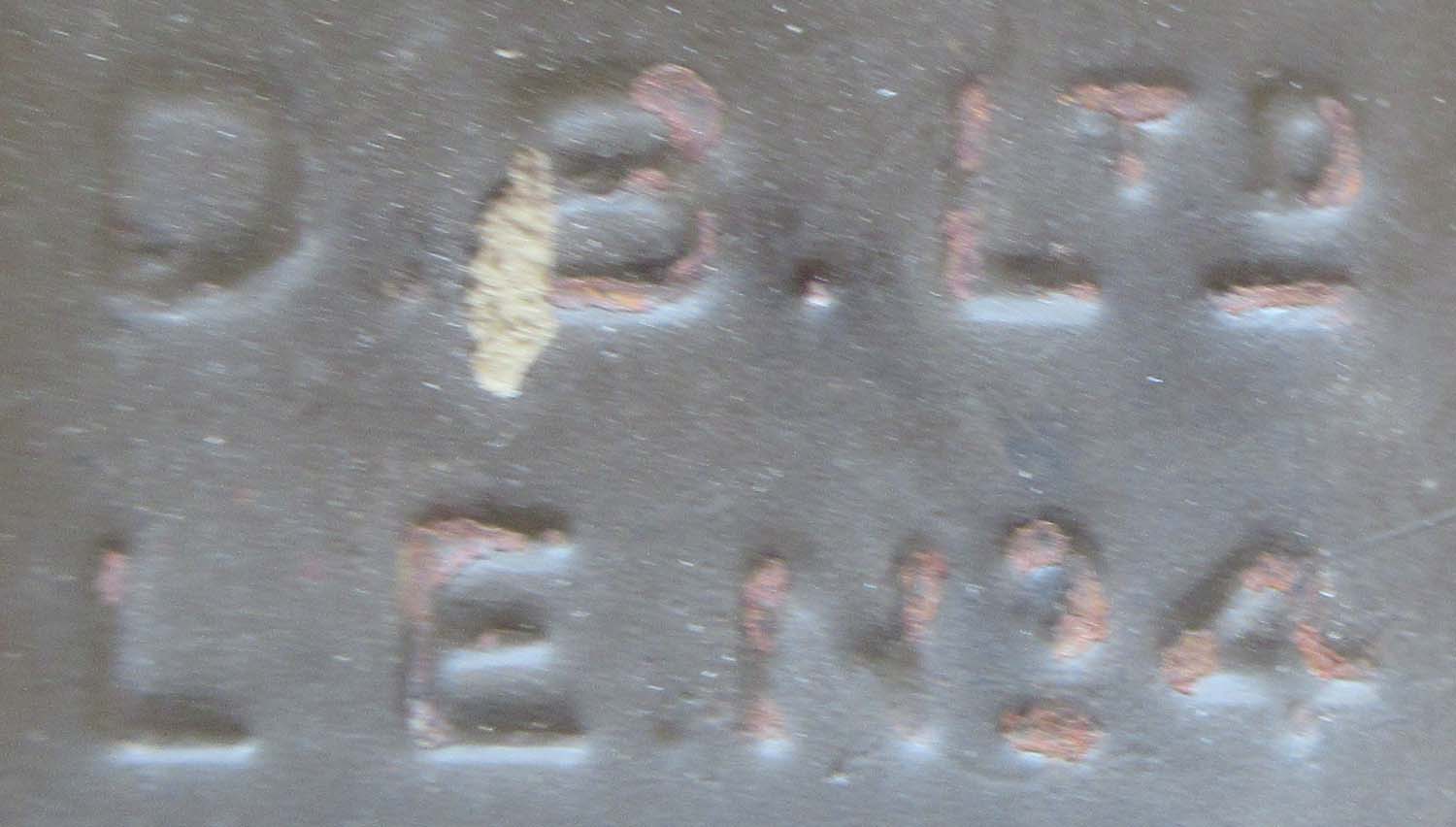
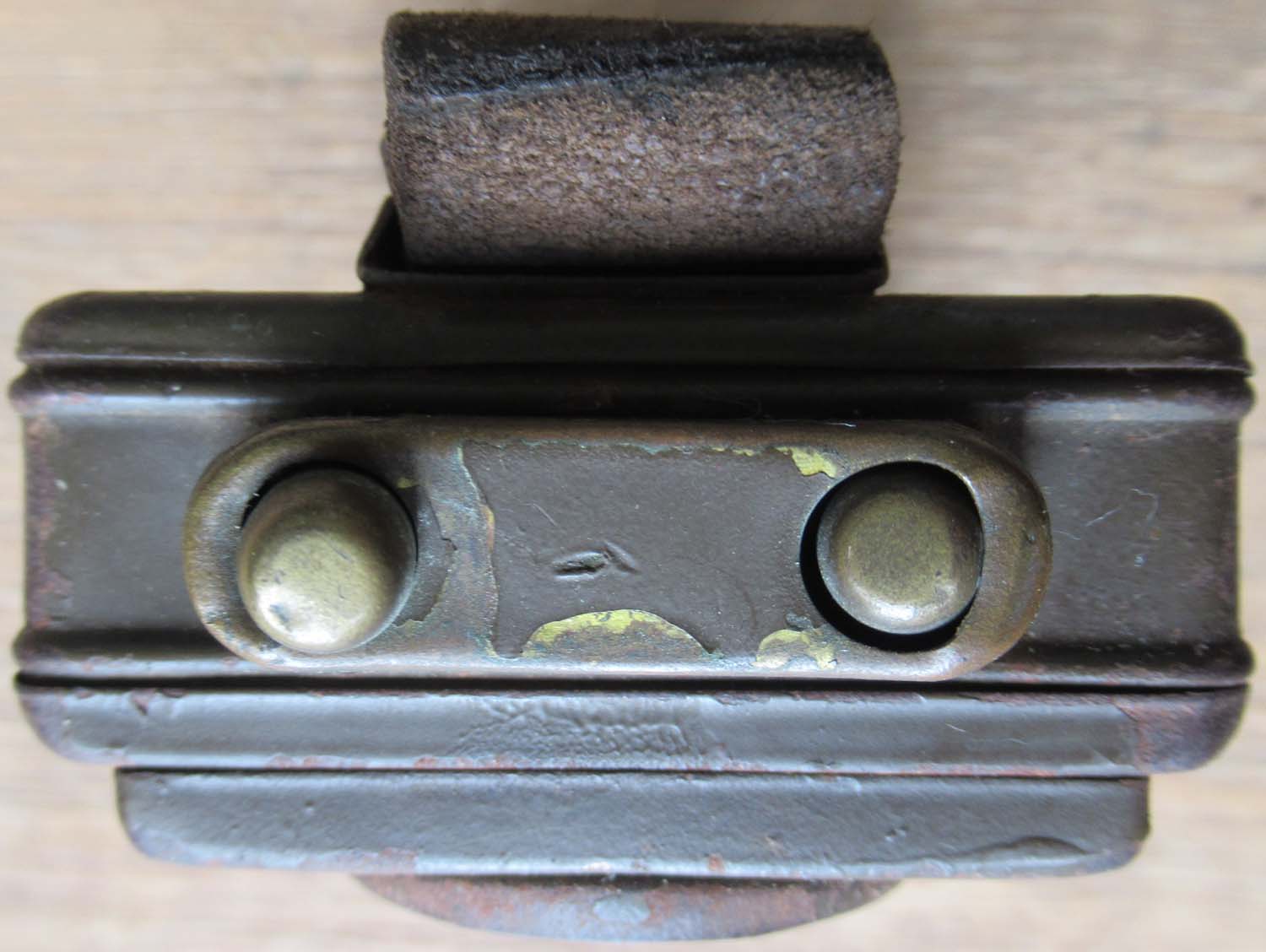
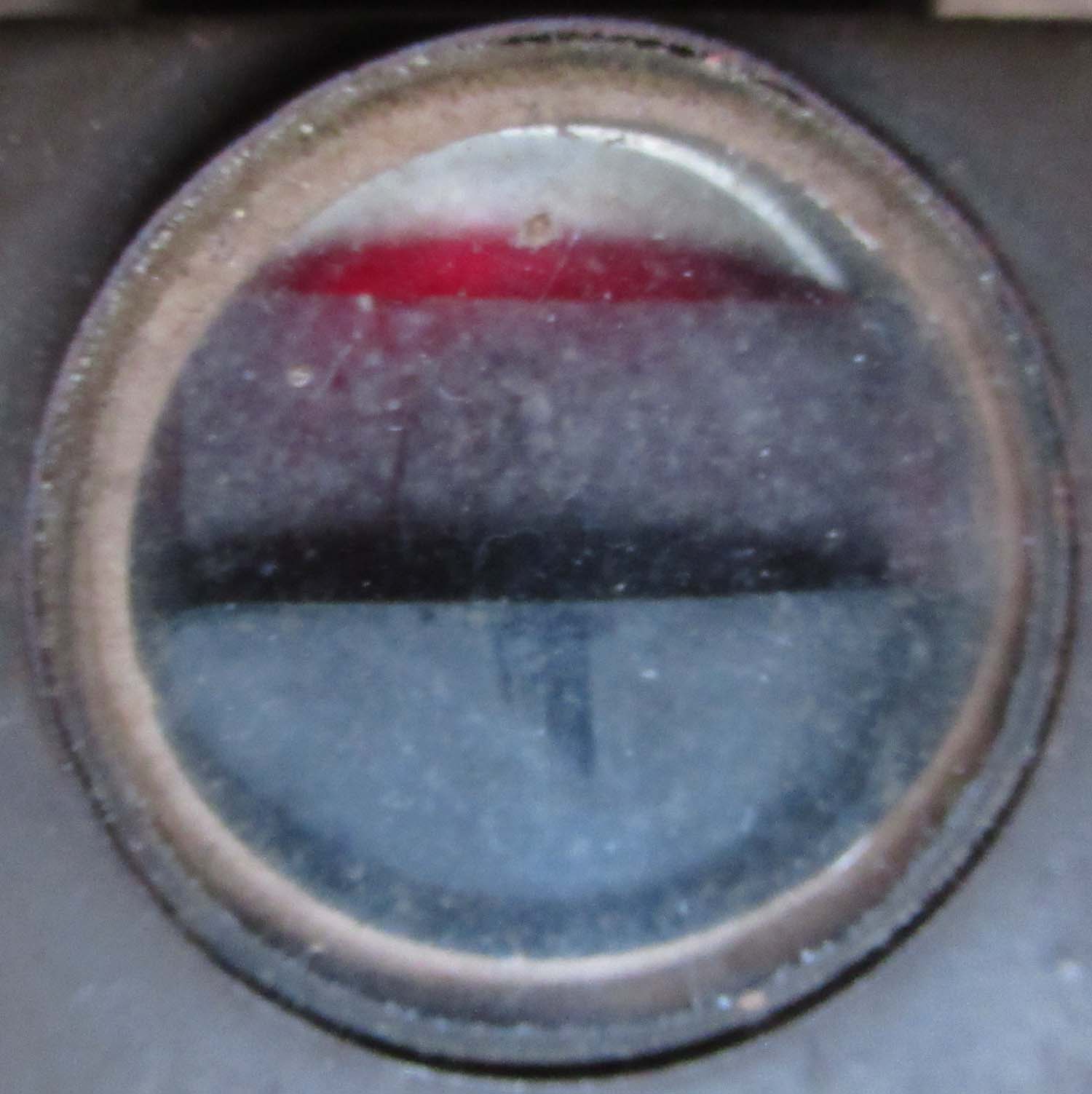
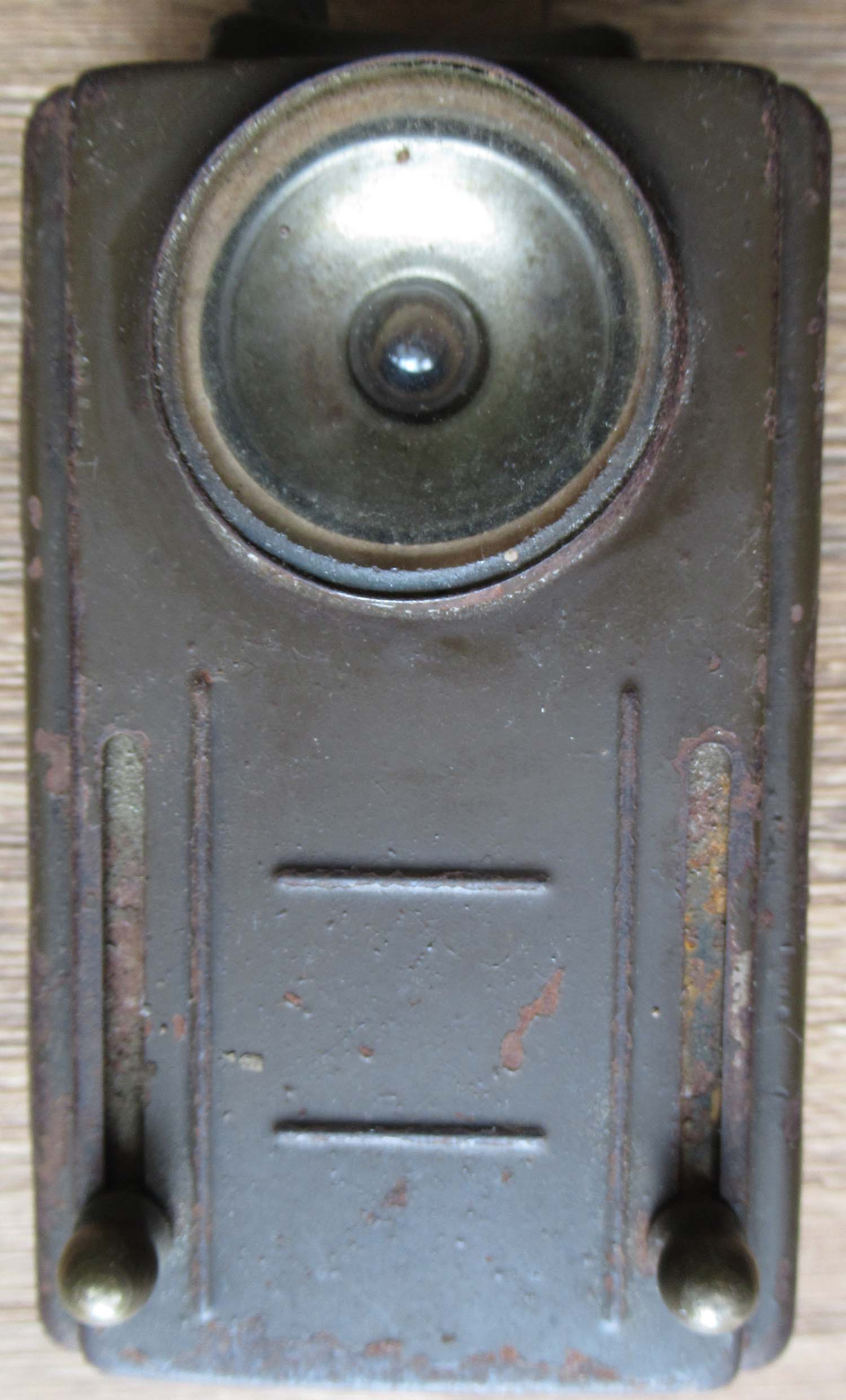
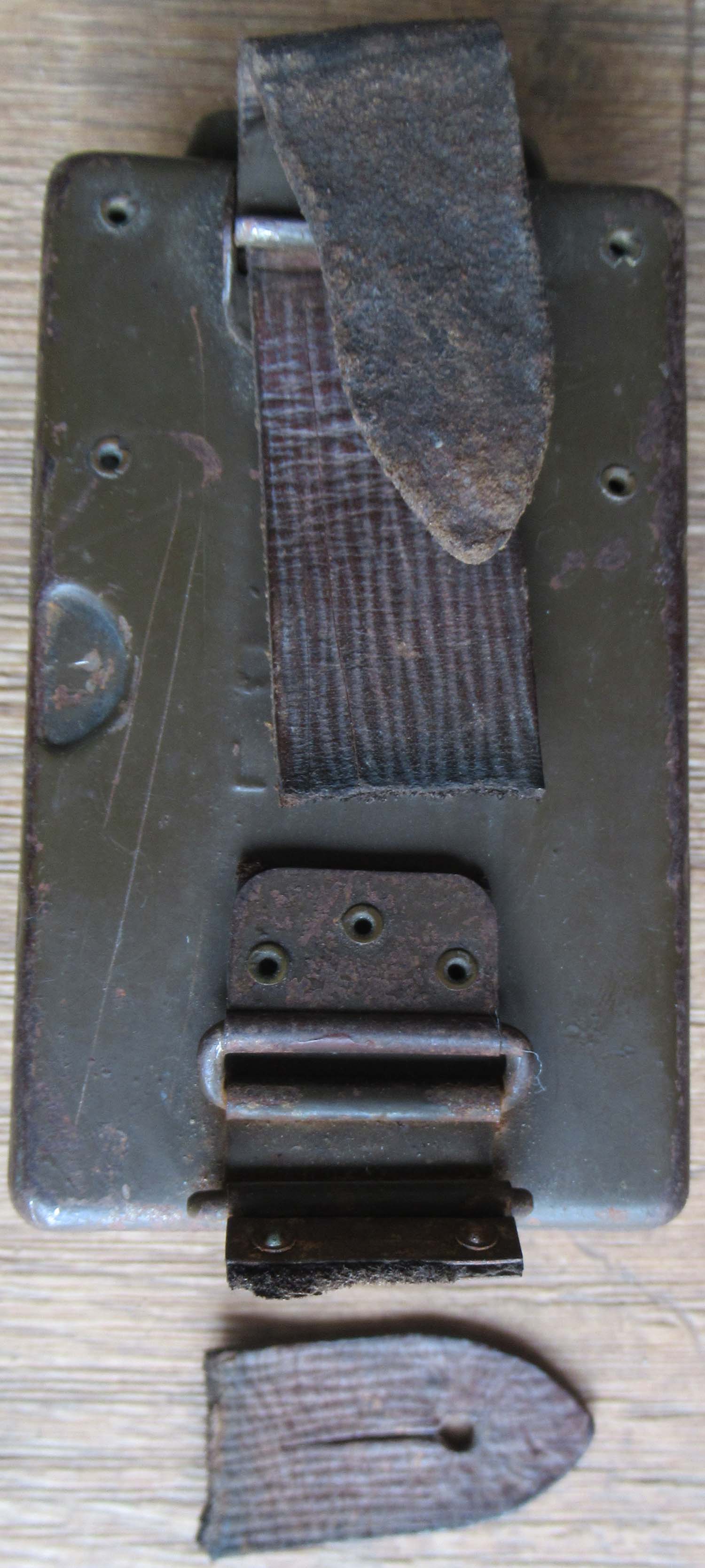
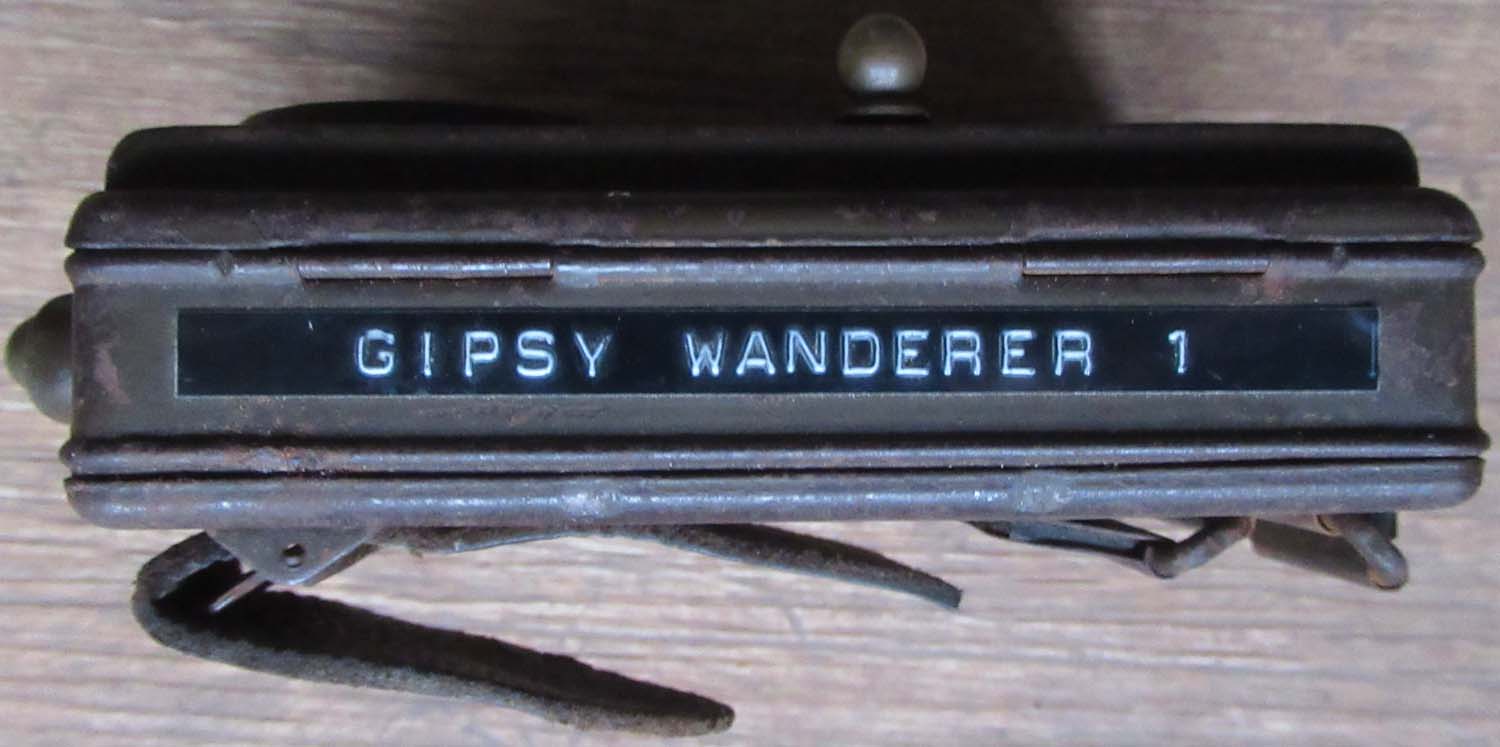
WW2 Signalling
Torch (pg1 SAS)
This
is a British Army issue signalling torch complete with red
and green filters.
Used for sending morse signals
to other units in the field.
Click on pictures to enlarge
£45
|
|
Click on pictures to enlarge
£150
|
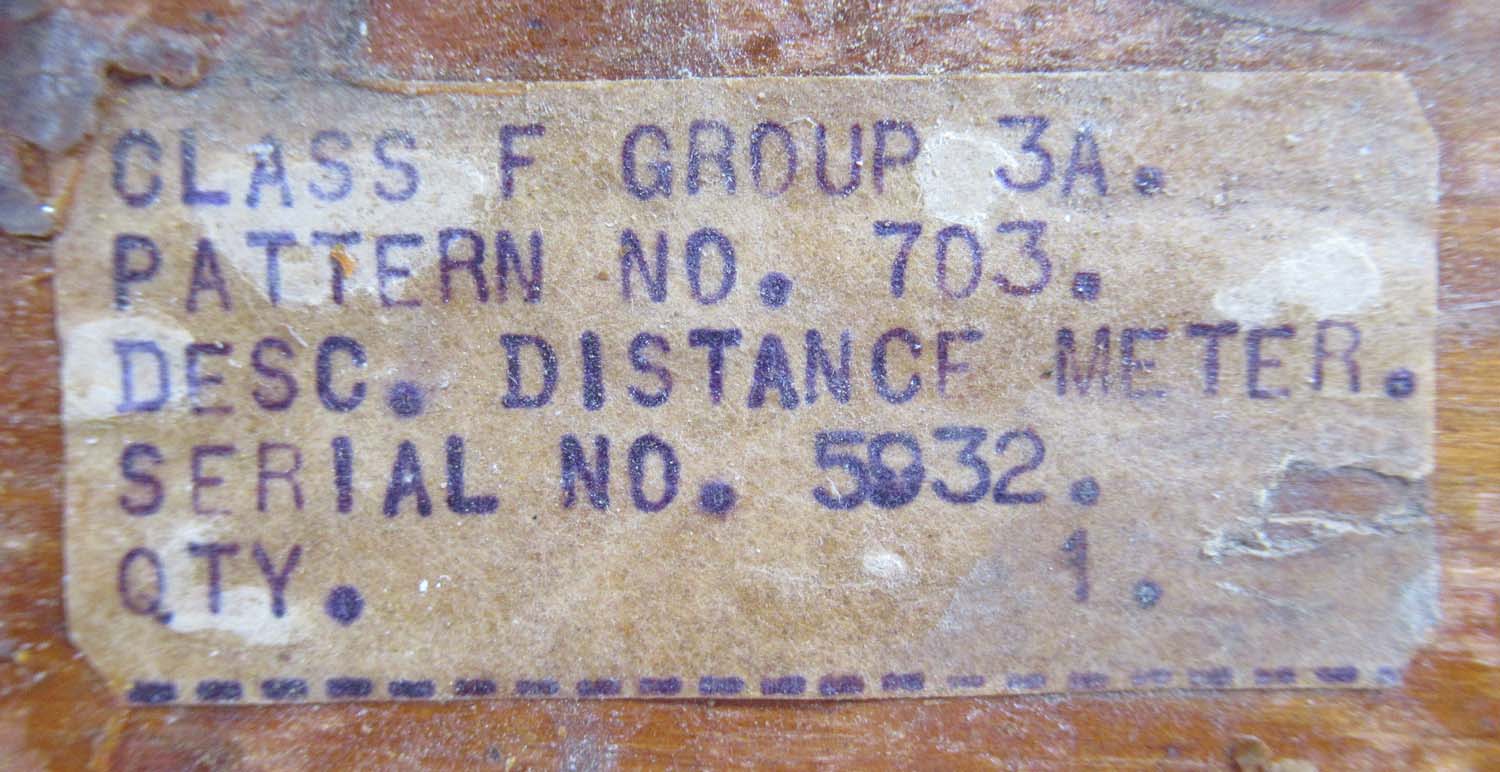
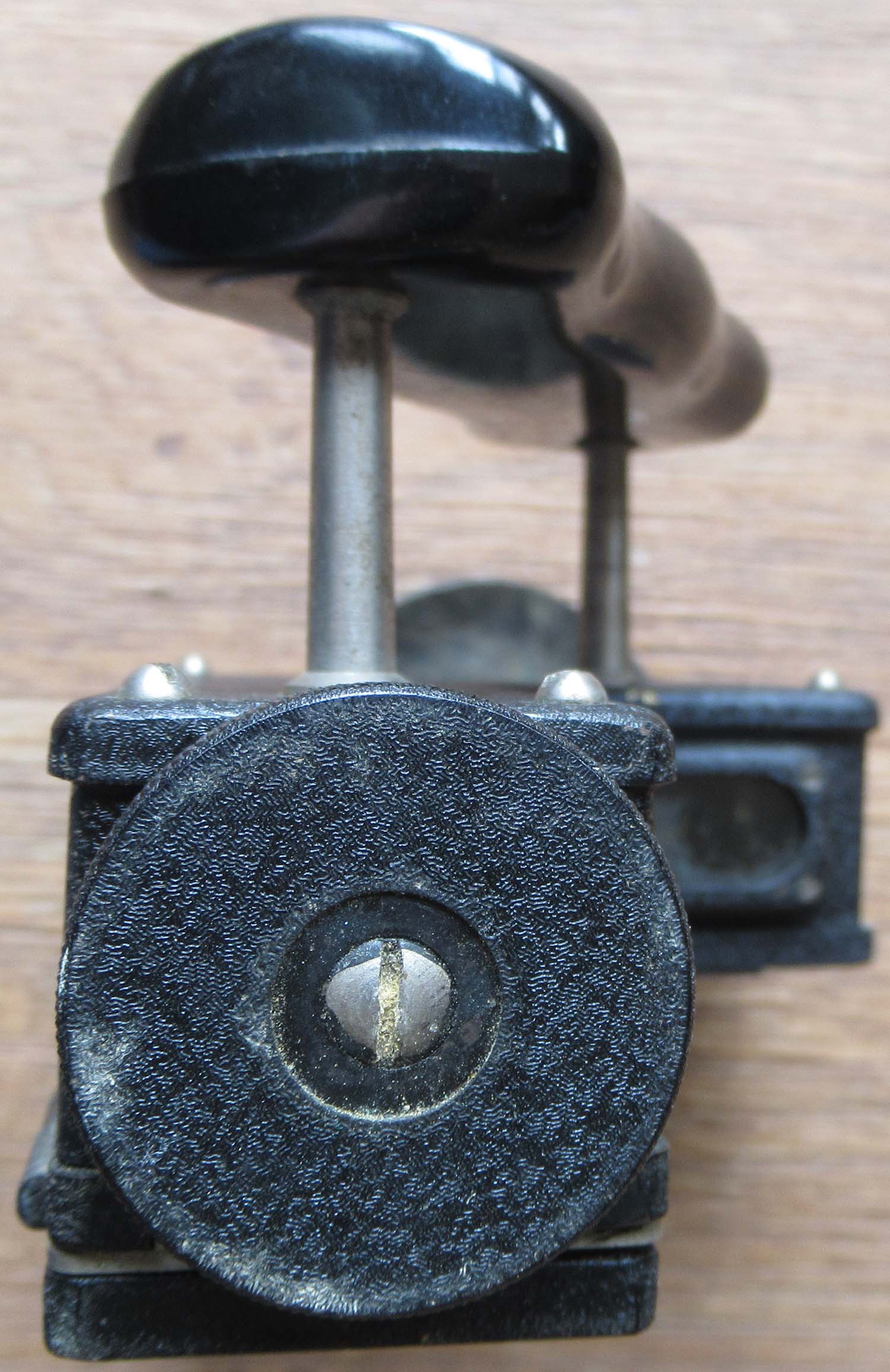
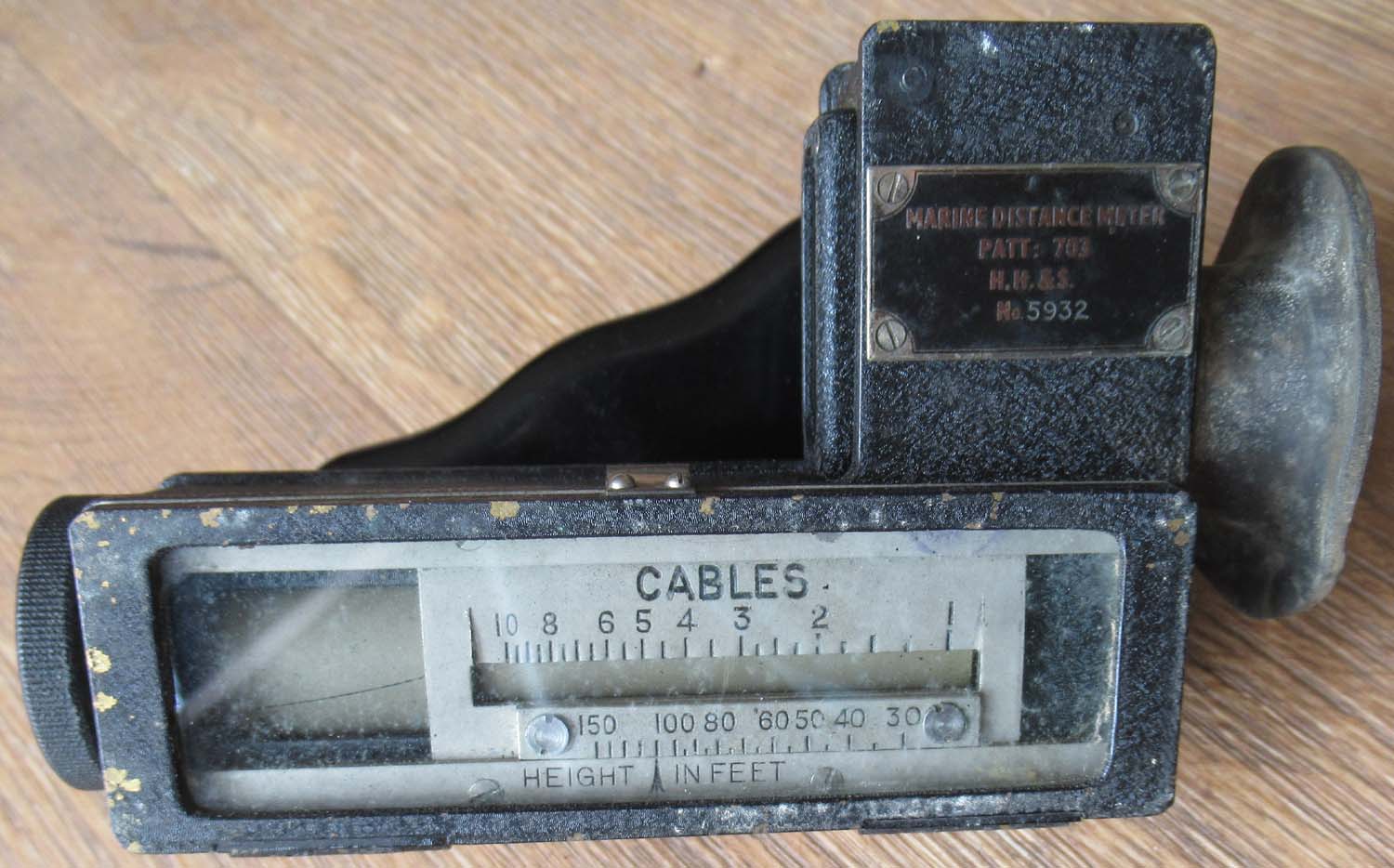
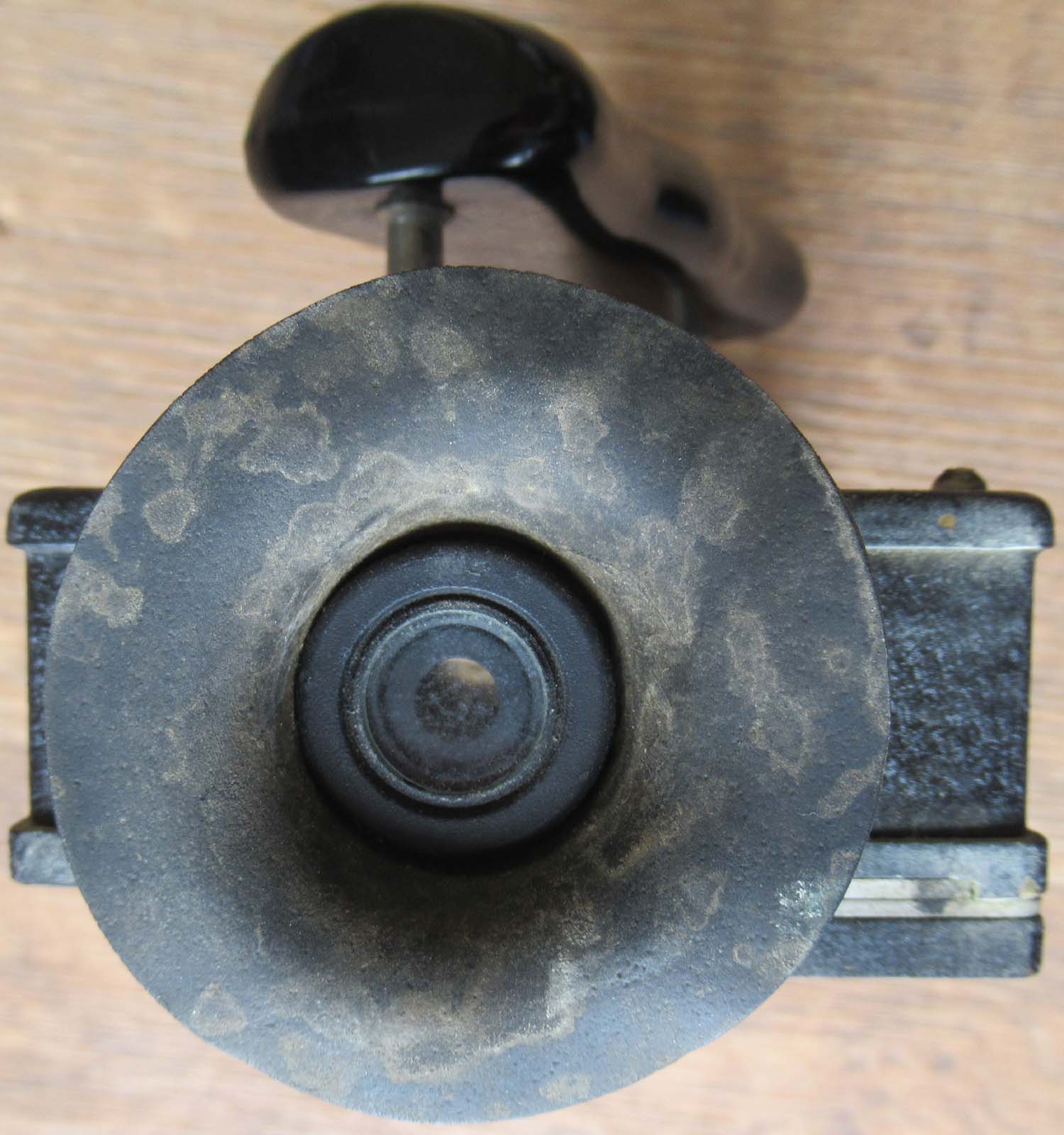
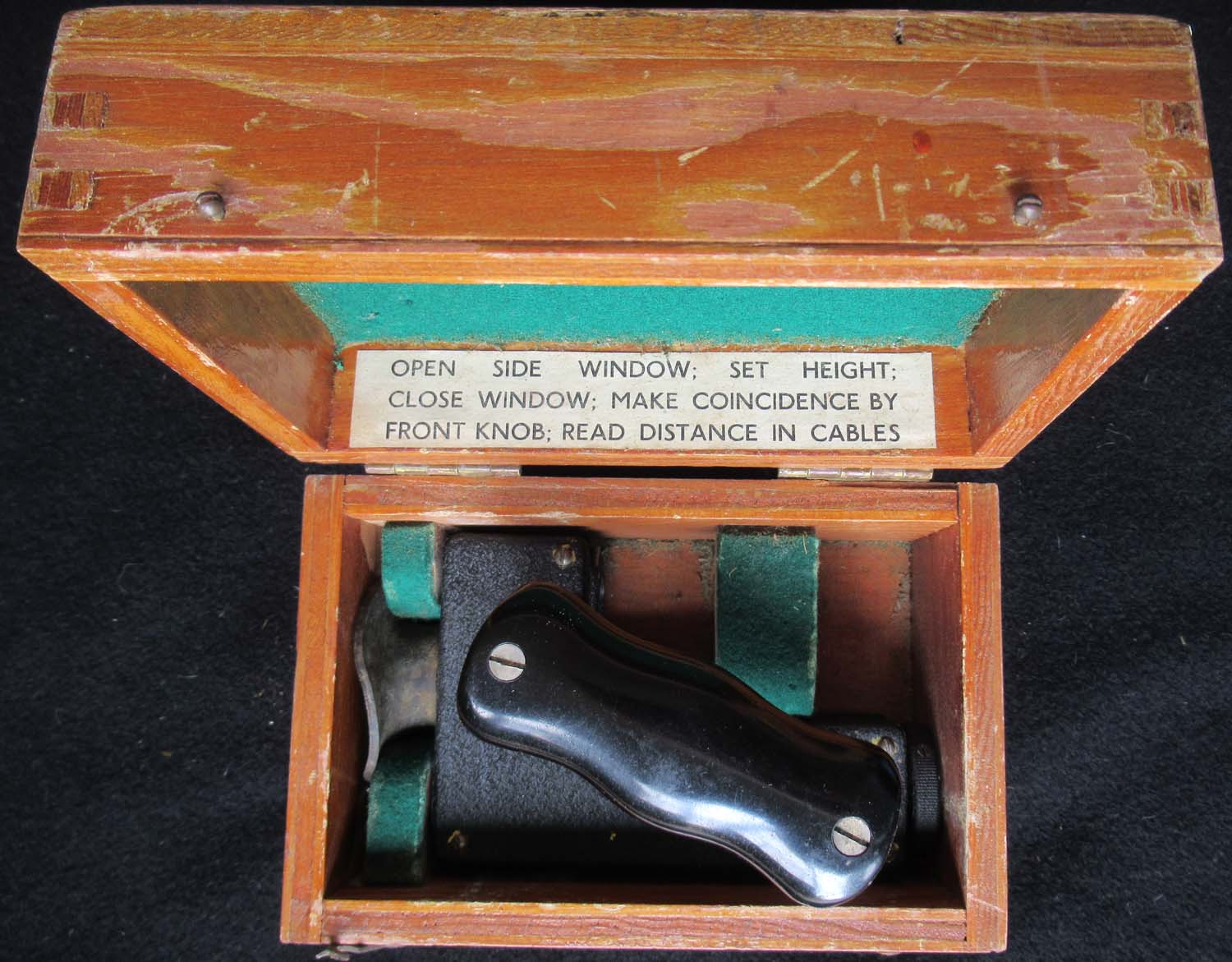
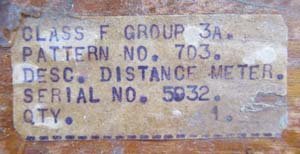
Class F Group Marine Distance
Meter (pg1 SAS)
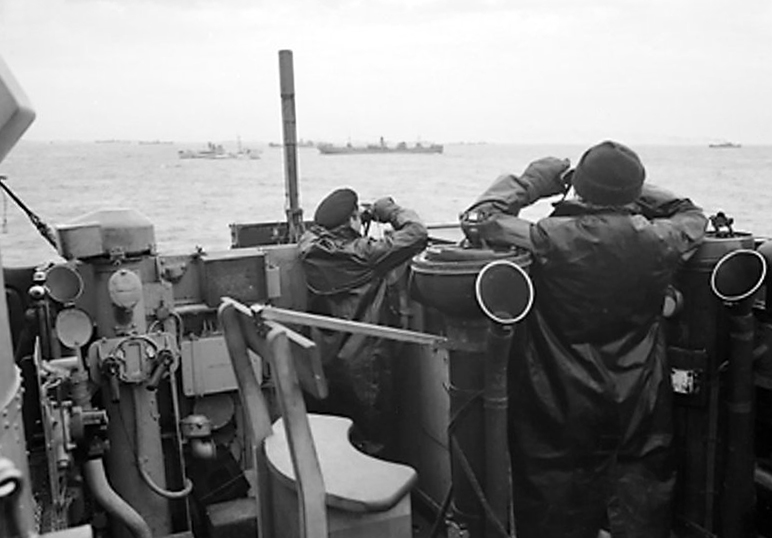
Officers on the bridge of an escorting
British destroyer stand watch for enemy submarines
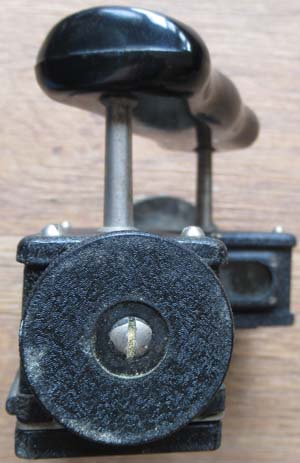
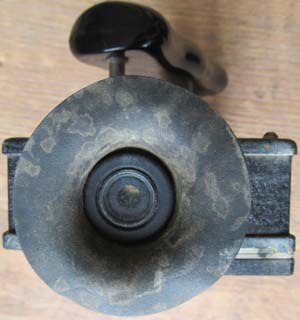
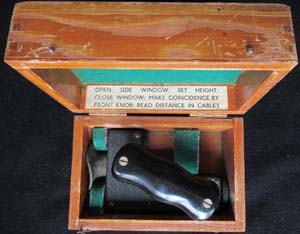
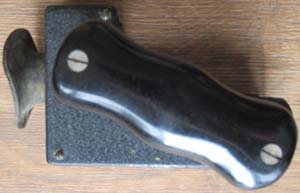
This instrument is used to
determine the distance of another ship and so was
particularly useful for ships sailing in convoy to ensure
that they remained far enough apart. The distance meter has
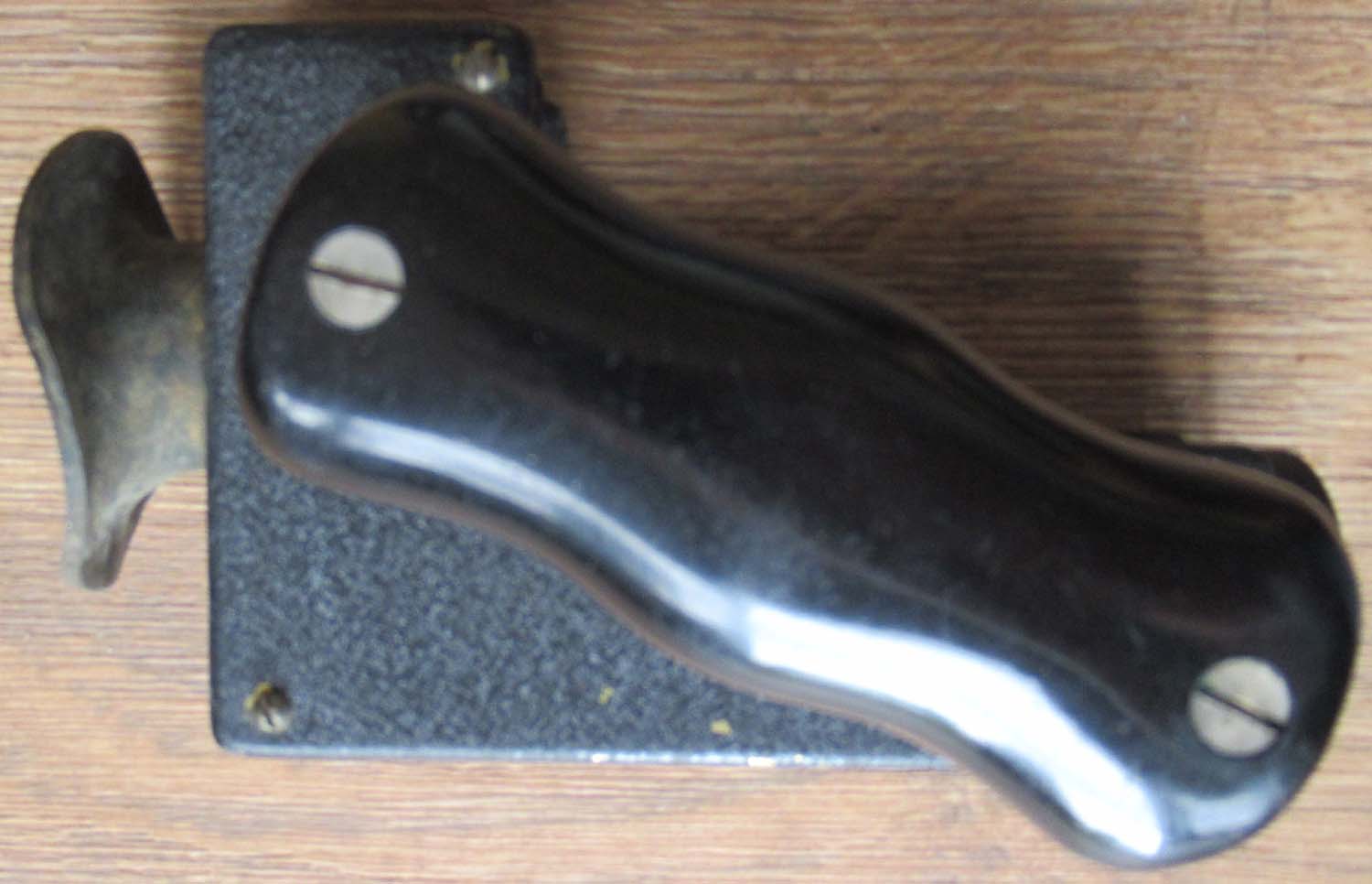
a black metal body with a bakelite handle and a rubber
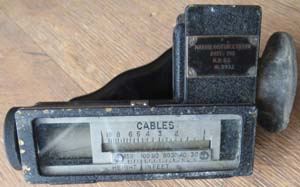
eyepiece cup. There is a glass folding cover for the two
scales on the side. The top scale is marked ‘CABLES’ and has
a non-linear scale from 1 to 10. The bottom scale is marked
‘HEIGHT IN FEET’ and has a non-linear scale from 30 to 150.
The meter works on the double image principle. To use it,
the observer sets the height scale to the known height of
the ship being observed, then looks though the eyepiece and
turns the knob on the front until the two images seen
through the eyepiece coincide. The distance of the ship from
the observer is then indicated on the scale marked ‘CABLES’
It is complete with its original box please enlarge the
pictures for condition.
Used by both the RN and Merchant Navy during
WWII.
Click on pictures to enlarge
Convoy Battles of World War
II occurred when convoys of cargo ships assembled for mutual
defence, and were attacked by enemy submarines, surface
ships, and/or aircraft. Most were in the North Atlantic from
1939 to 1943, and involved attacks by U-boat wolf packs.
Convoy battles also occurred in the Arctic Ocean,
Mediterranean Sea and western Pacific Ocean.
|
|
Click on pictures to enlarge
|
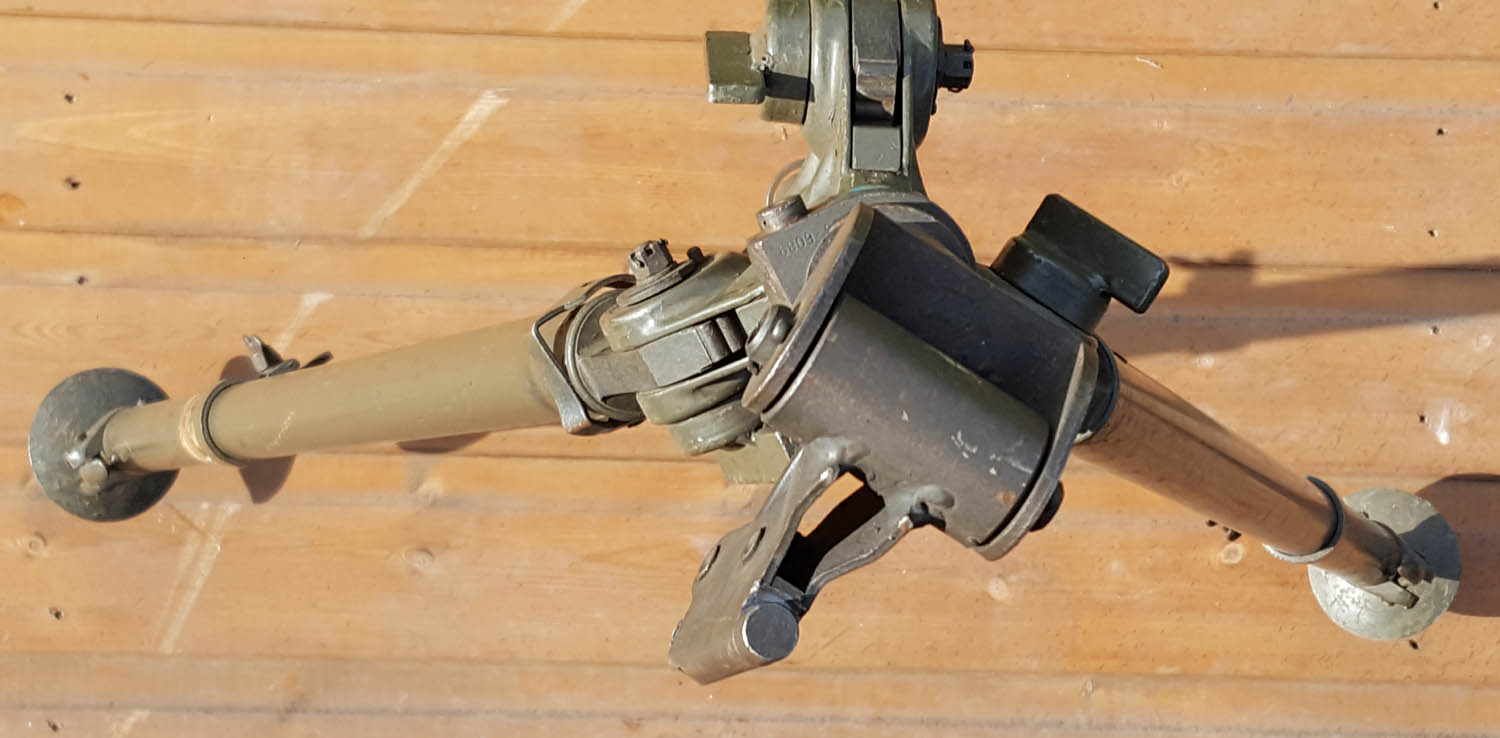
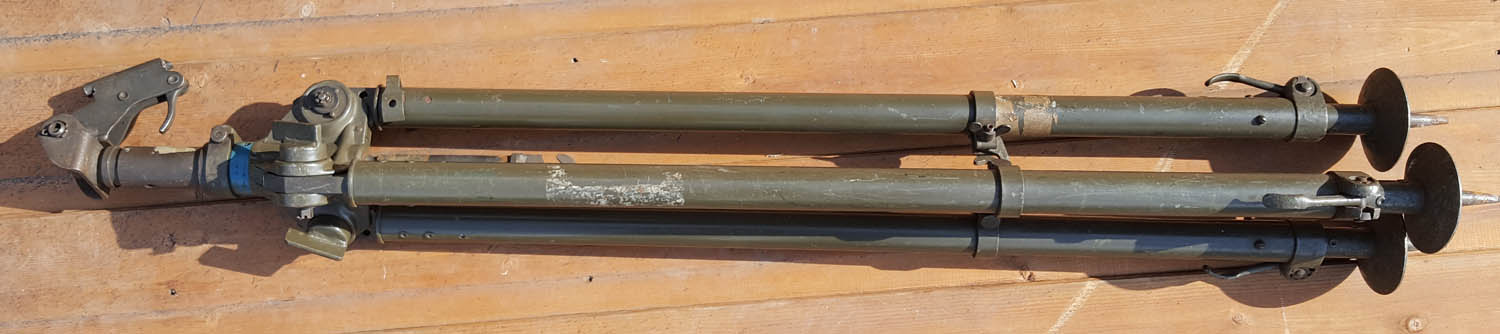
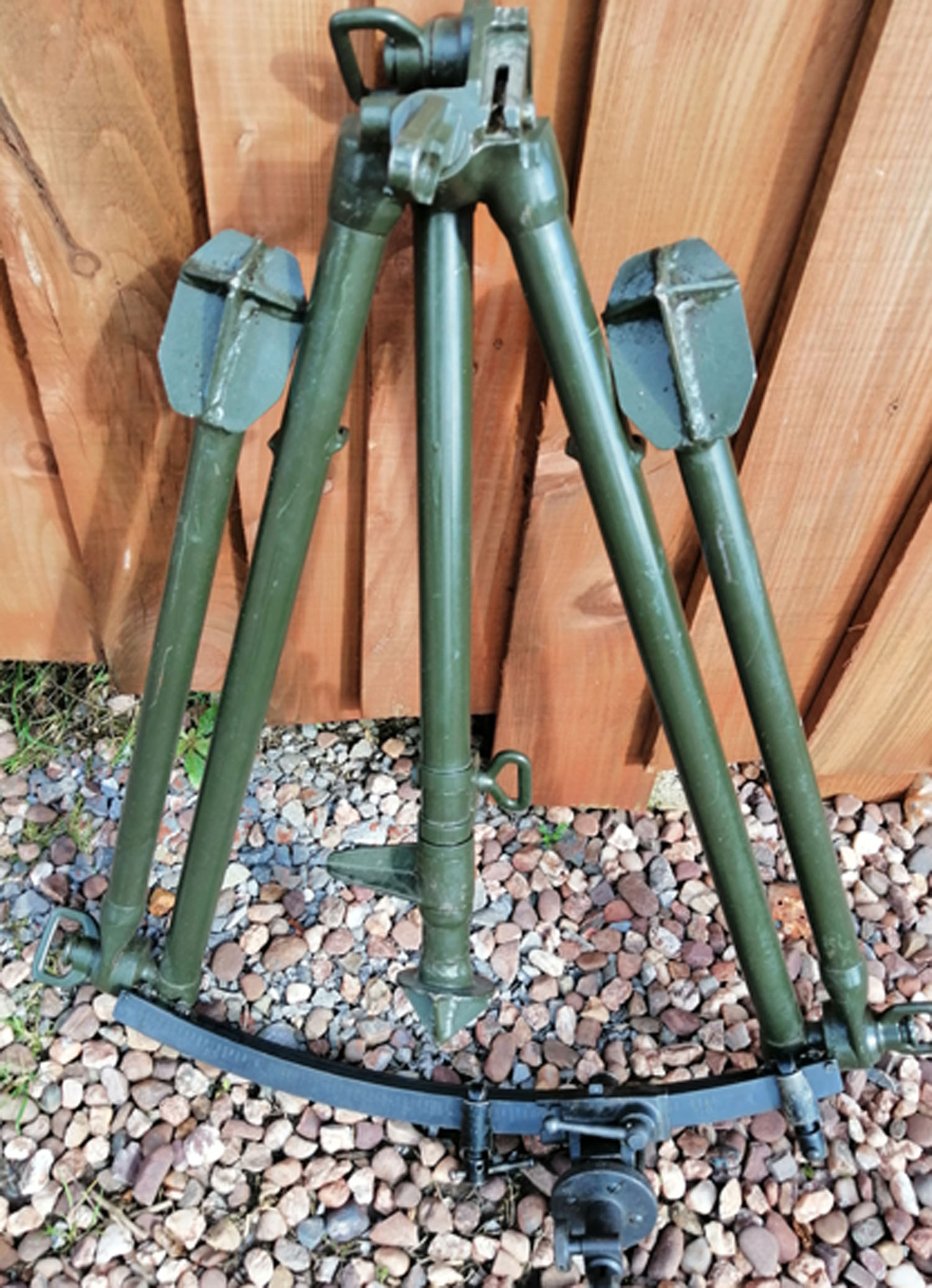
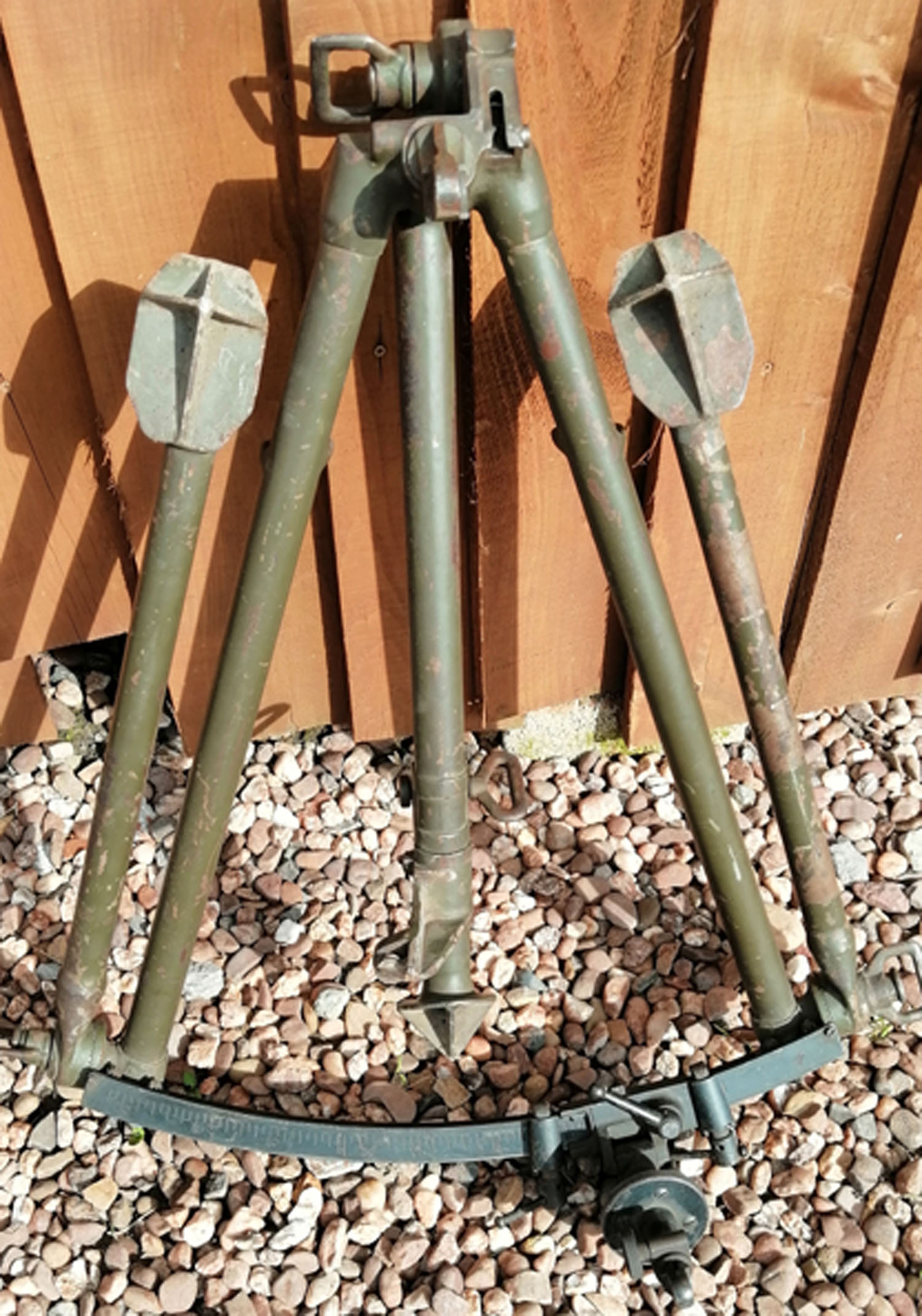
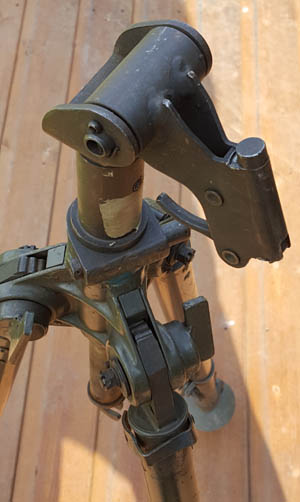
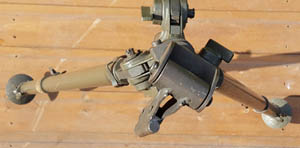
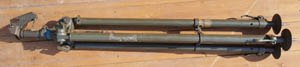
MG 42 AA tripod mount (pg1 SAS)
Here is a an Anti Aircraft mount for
the MG 42 in good condition its complete and operates as it
should with free movement of all the parts.
Click on pictures to enlarge
£895
International buyers should
contact me for a shipping
quote .
|
|
Click on picture to enlarge
£125
|
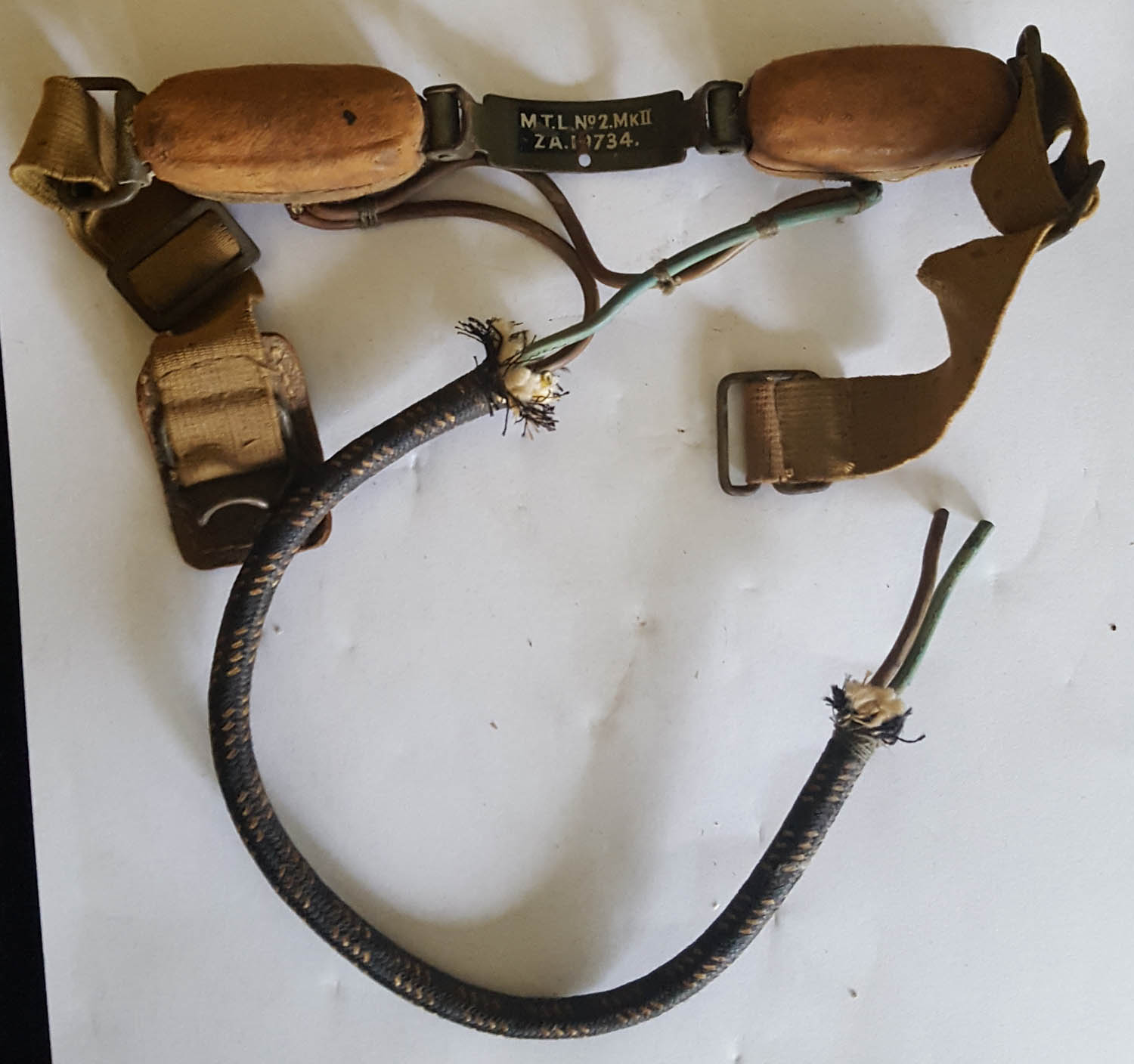
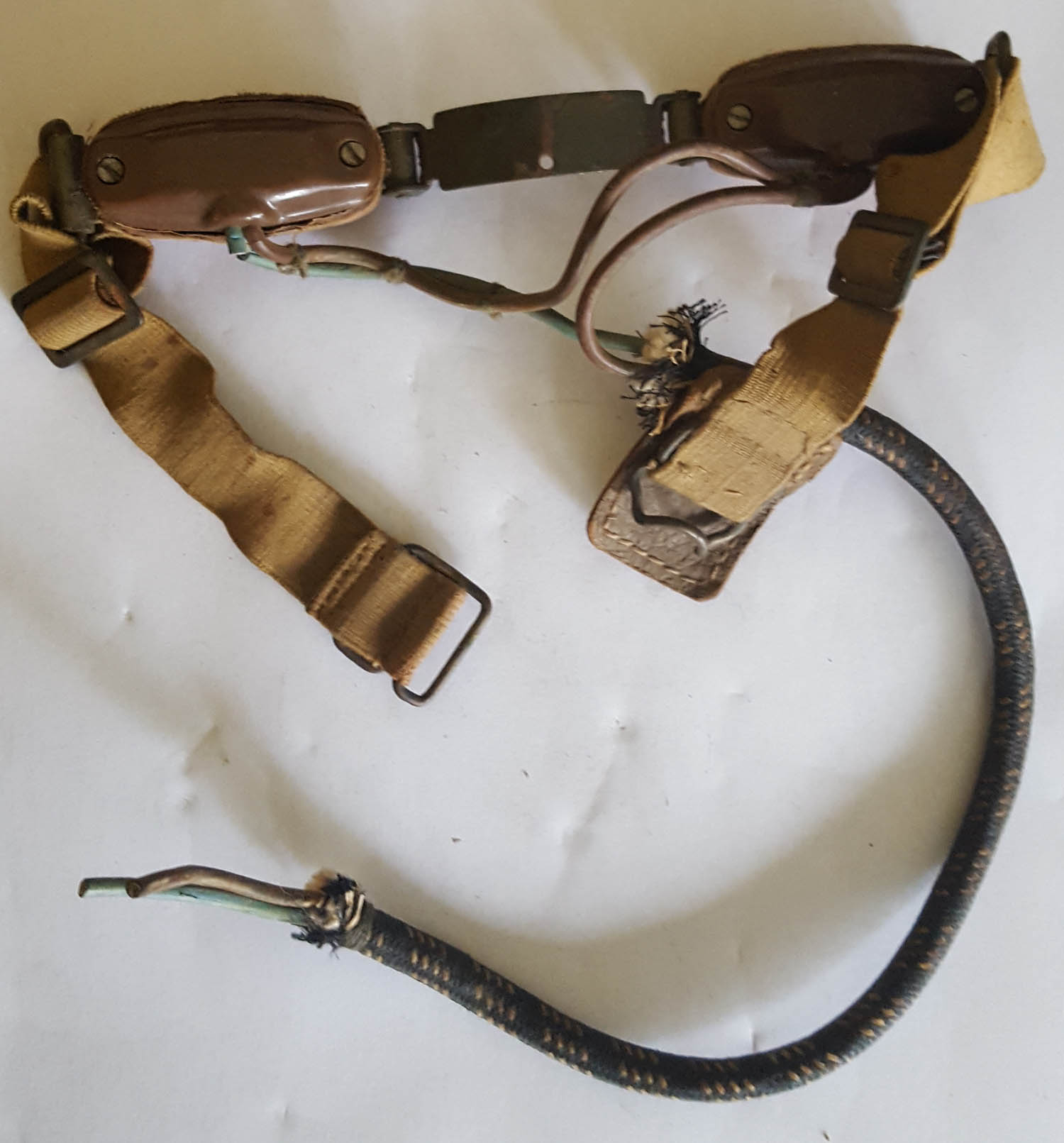
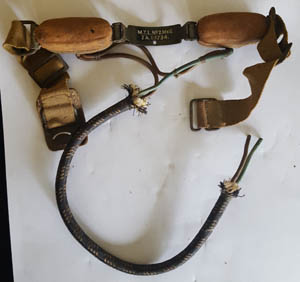
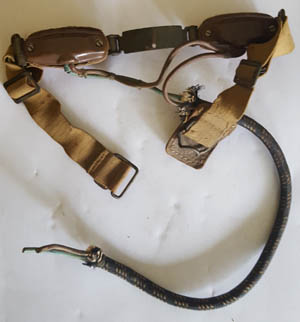
Throat Microphone Type 2 MK II (pg1 SAS)
This
is a British Army Microphone throat low level type 2 MK II
for use with Wireless Set WS38.
Stores reference ZA19734.
1939-1945 period.
Click on picture to enlarge
|
|
Mount Number 1
£1200
Mount Number
2
£1200
|
Bren Gun Anti Aircraft
Mount (pg1 Arm)
Here we have a superb Bren
Gun AA mount, it can also be used as a tripod. It is all
free and working as it should.
If required I will send
pictures of it set up with a Bren mounted on it but its
difficult to get a background free picture for the website
so I have used a picture from the internet to show how it is
set up. I now have two available.
This item is heavy so overseas buyers please
contact me for shipping quote.
Click on pictures to enlarge
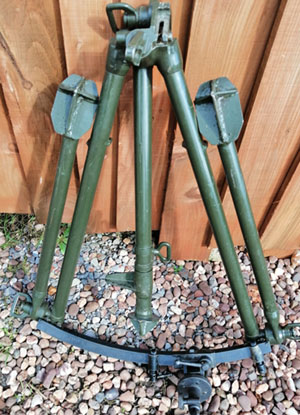 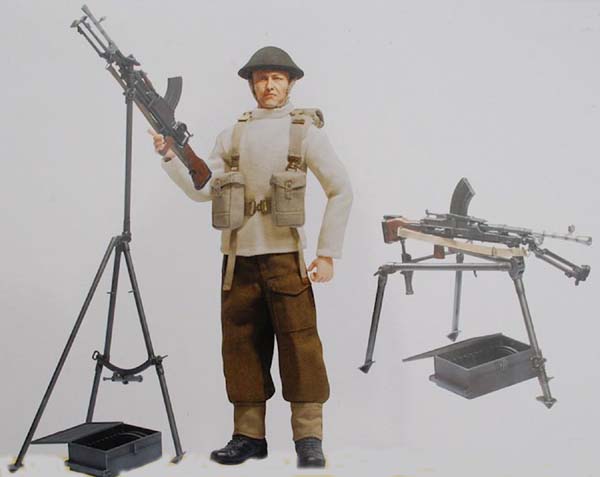 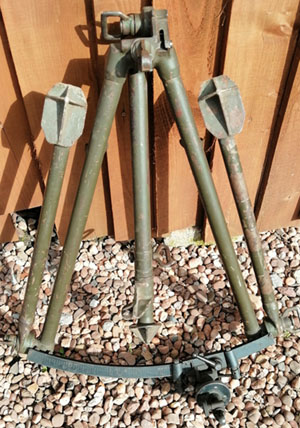
Shown
above mount one
Shown above mount
two
|
|
Click on pictures to enlarge
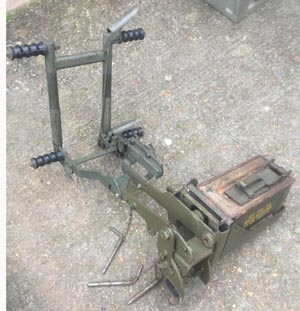
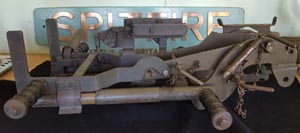
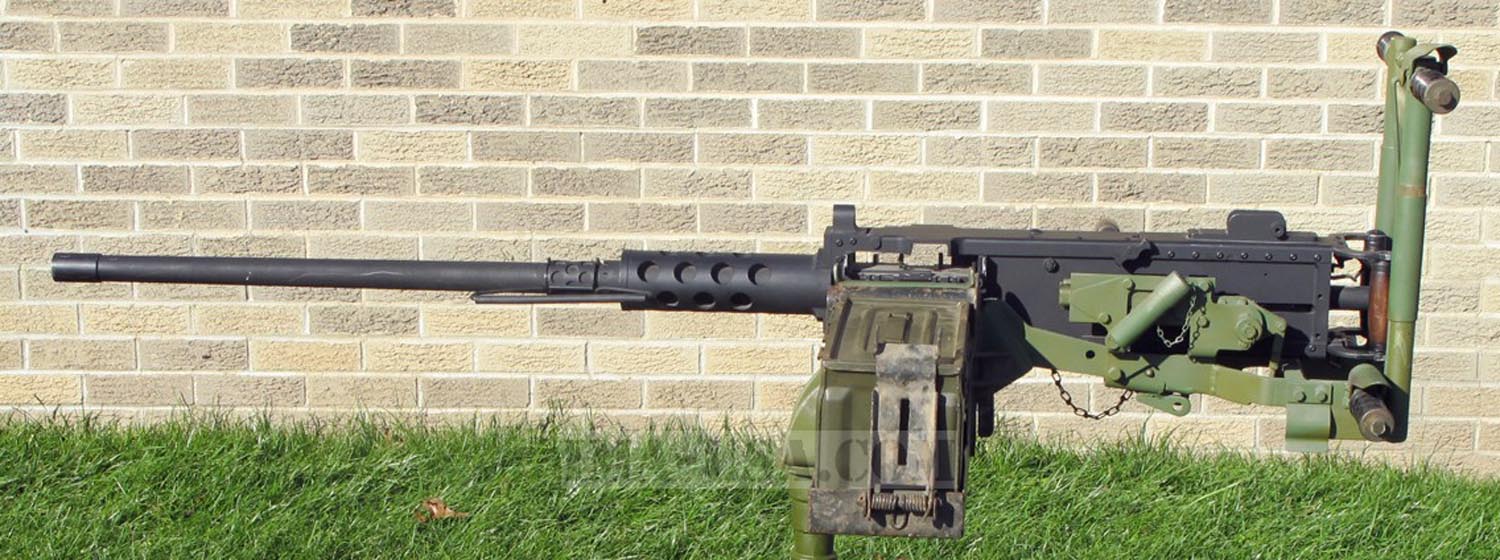
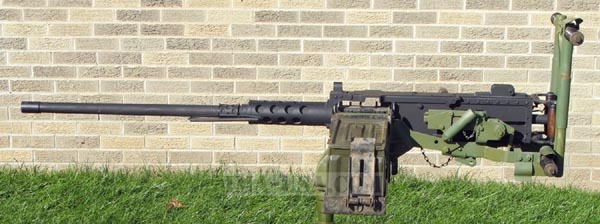
Below an M63 fitted with a
50 call MG
|
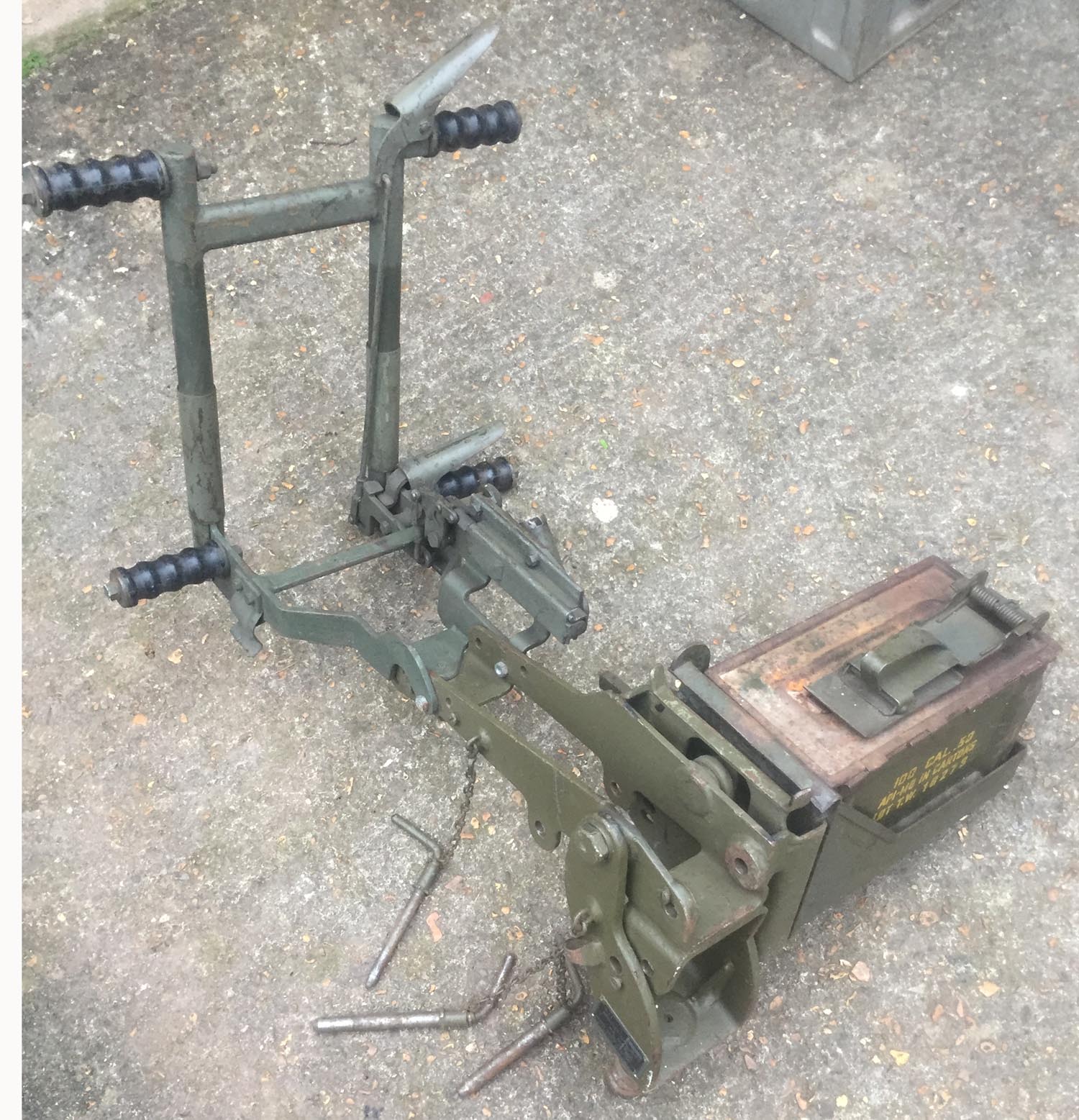
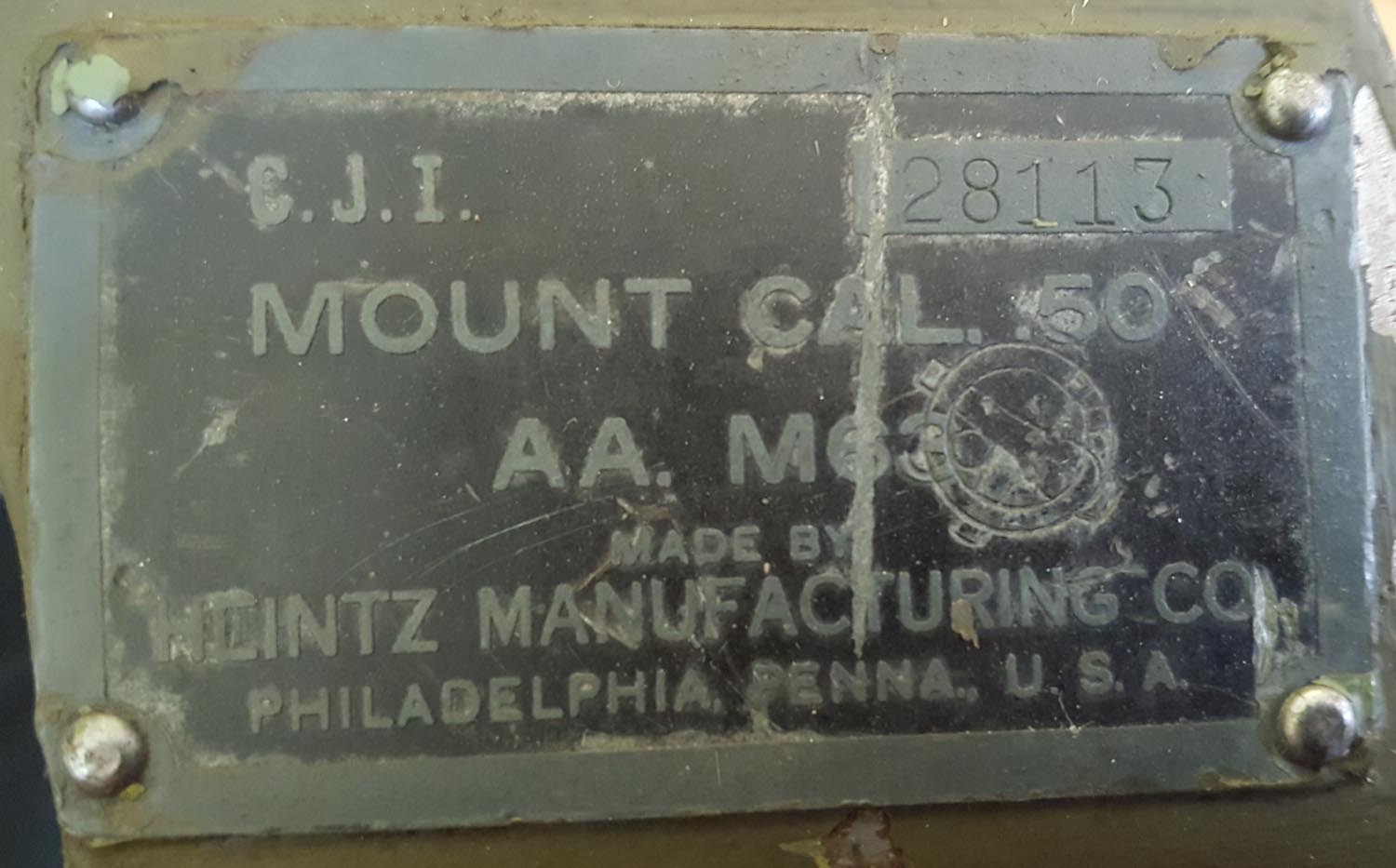
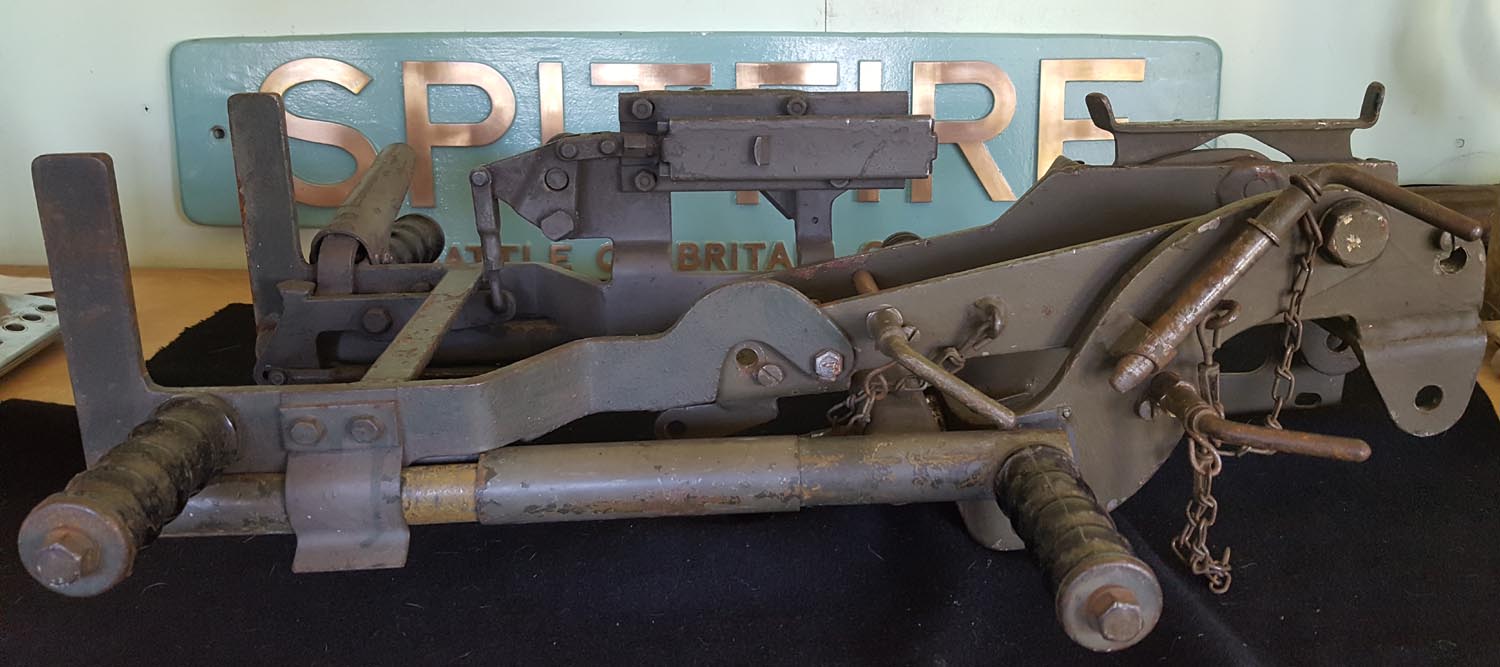
50 Calibre Anti Aircraft Mount (pg1 Arm)
Here is an original M63 50
calibre anti aircraft mount its in excellent condition and
works as it should complete with a 100 round ammo box.
Click on pictures to enlarge
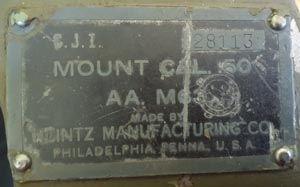
Please note this sale is
for the 50 call mount only does not include the MG.
Find this on
the armaments pages
link here
This item is heavy and large international buyer please
contact me for a shipping
quote
|
|
Click on pictures to enlarge
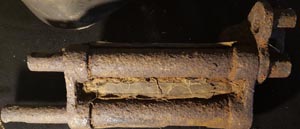
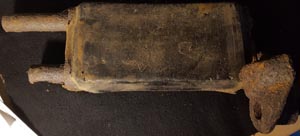
2 pieces available £120
each
These are heavy.
International buyers
contact me for shipping
quote.
Sherman Tank
track links recovered from the Arnhem/Nijmegen area of
Holland
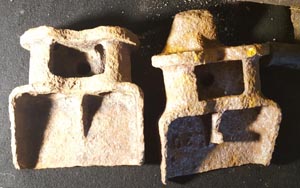
2 pieces available £75
each
These are heavy
international buyers
contact me for shipping
quote.
|
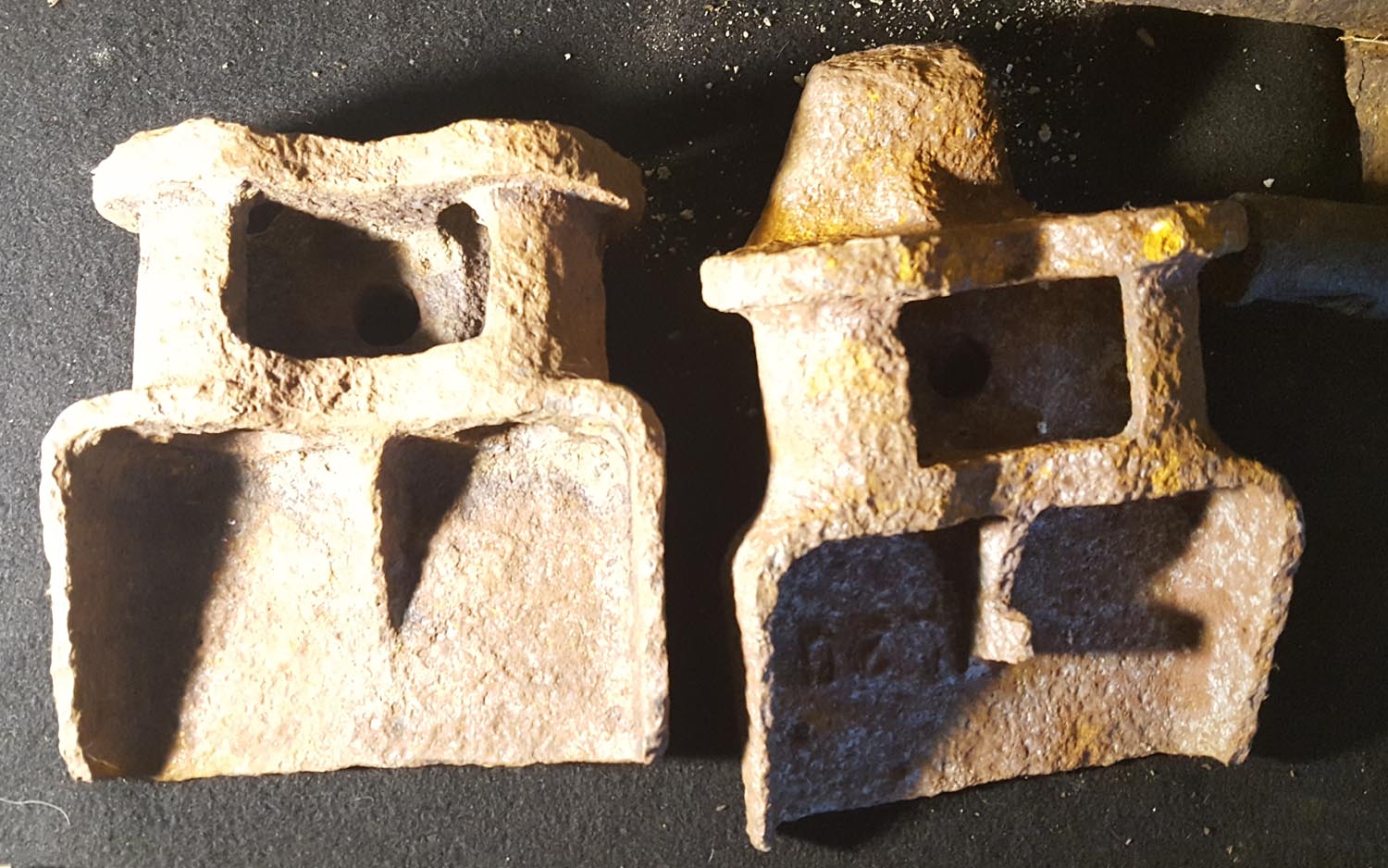
Sherman Tank
Tracks Recovered From The Arnhem/Nijmegen Area Of Holland (pg1 SAS)
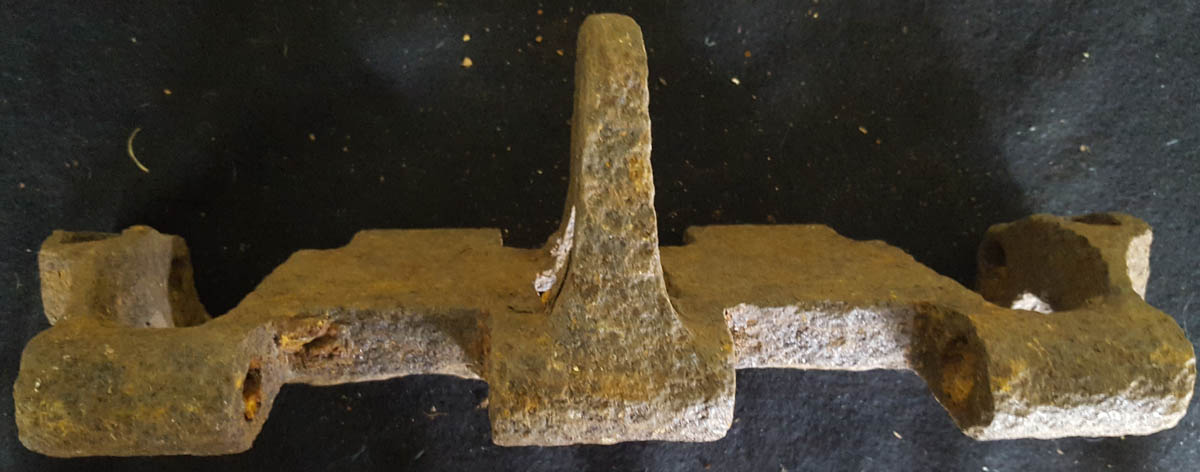
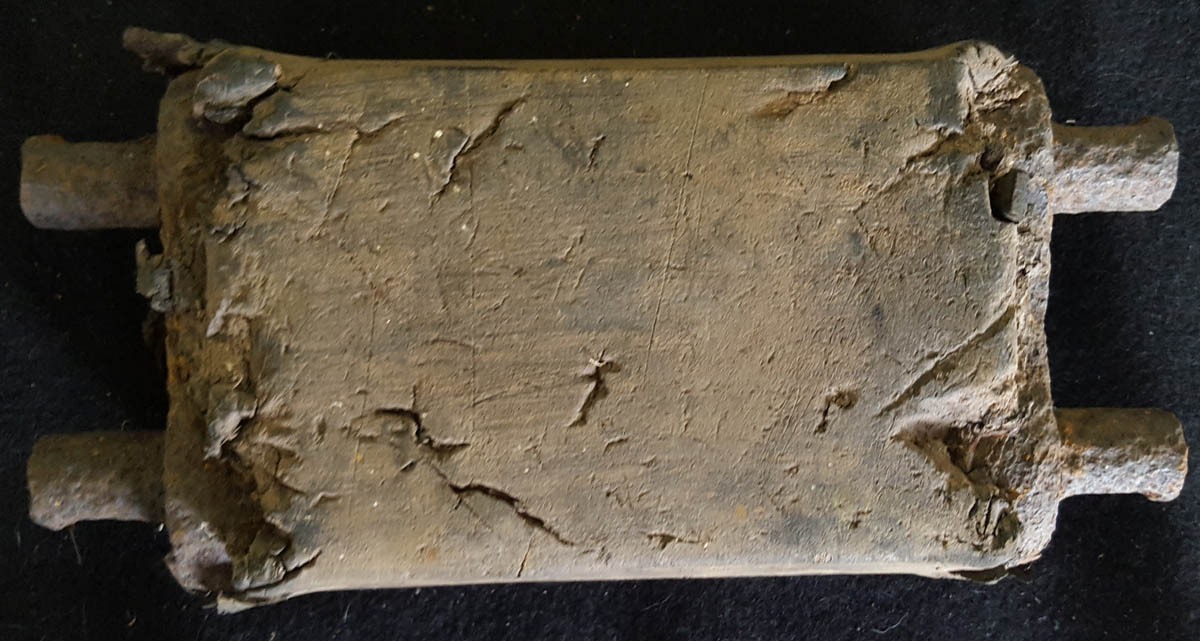
Here are pieces of tank track
from a Sherman Tank. Recovered from the Arnhem/ Nijmegen area
in Holland.
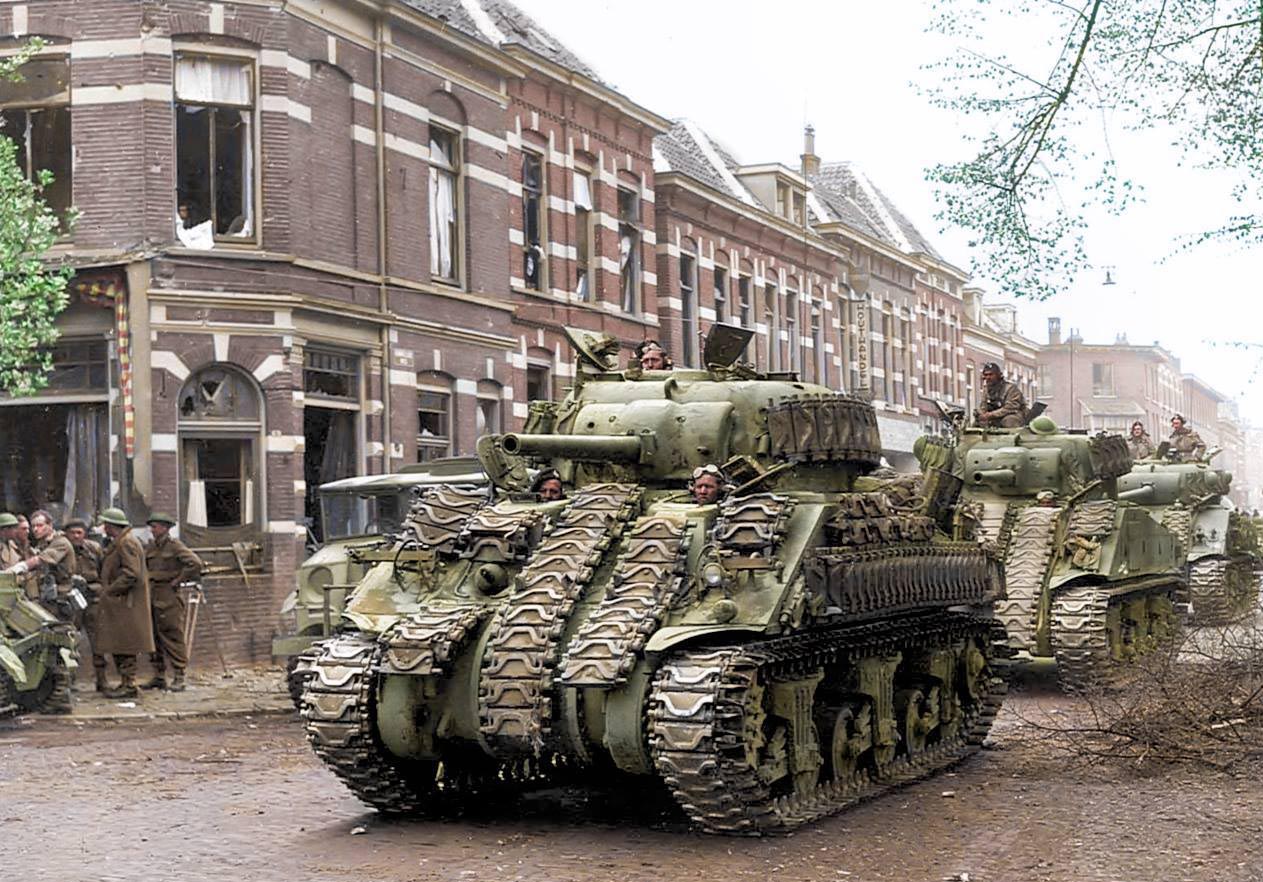
Above
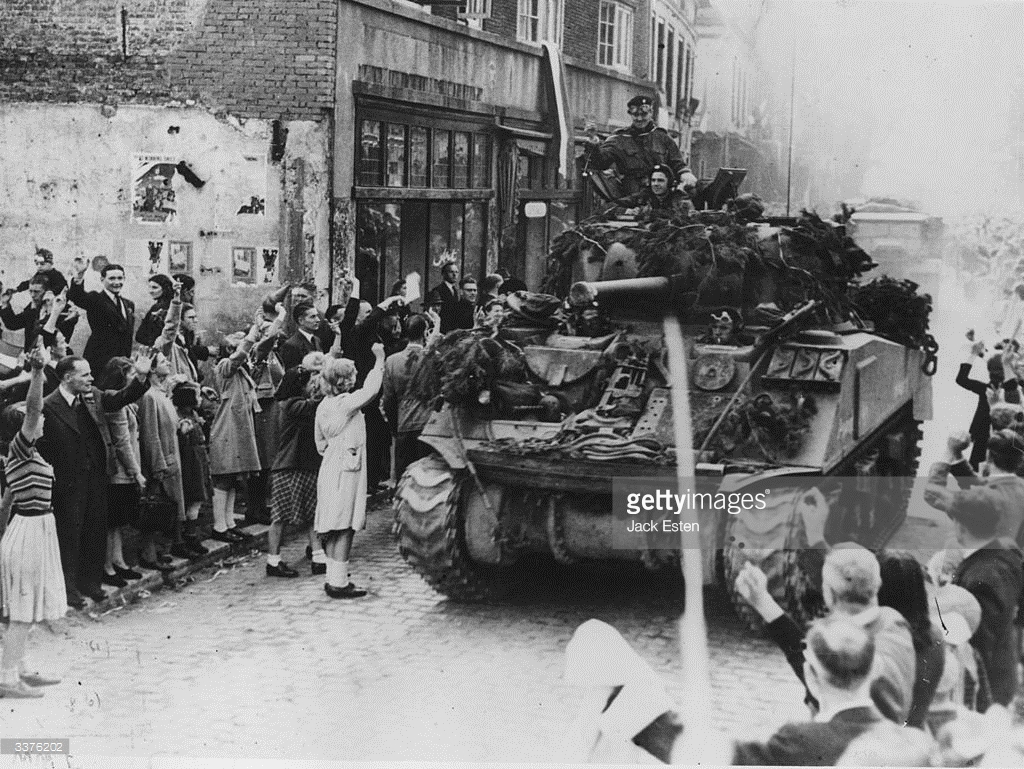
Sherman Tanks in Arnhem. Below
Dutch citizens cheering
British Sherman tanks in Holland
 |
|
Click on pictures to enlarge
 |
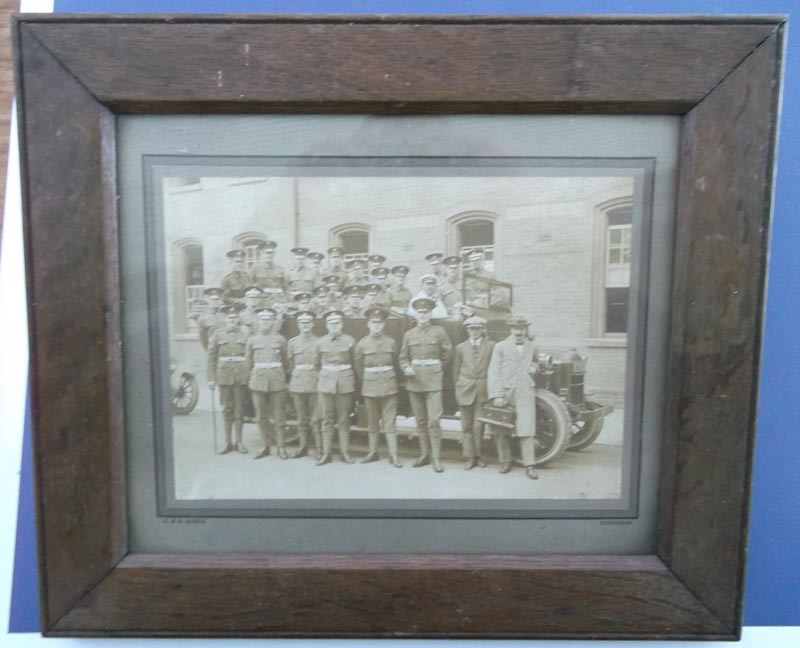
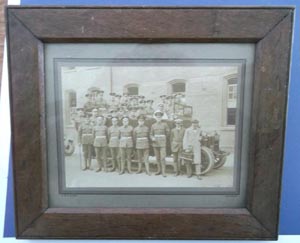
WW1 GUARDS BDE Depot Caterham Presentation Framed Photo (pg1 SAS)
|
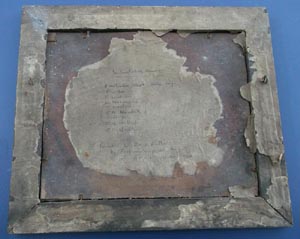
A nice presentation photo of
WW1 period in its original oak frame & never removed.
Size 15 X 13 inches. This shows a early WWI Lorry at the Guards Training Depot at Caterham with
25 Guardsmen of the Grenadier ,Coldstream,
Scots ,Irish and Welsh Guardson. Also an "In
Memorandum" a list of names to reverse which include
the CO of the Kings Company ,Capt Malcolm. This
presented to a Doctor J.FULLER on
behalf of A.Thorne DSO, possibly the depots CO. Great
picture and an interesting RESEARCH project.. Note
that all the Guardsmen are either Corporals or Lance
Corporals.
|
Although
not related to the SAS I acquired this picture as it is an
interesting early piece which may be of interest to my
customers.
£120
|
|
Click on pictures to enlarge
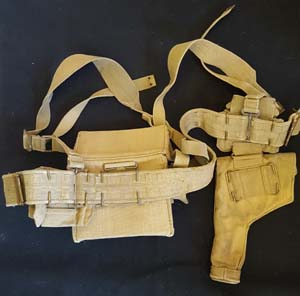 |
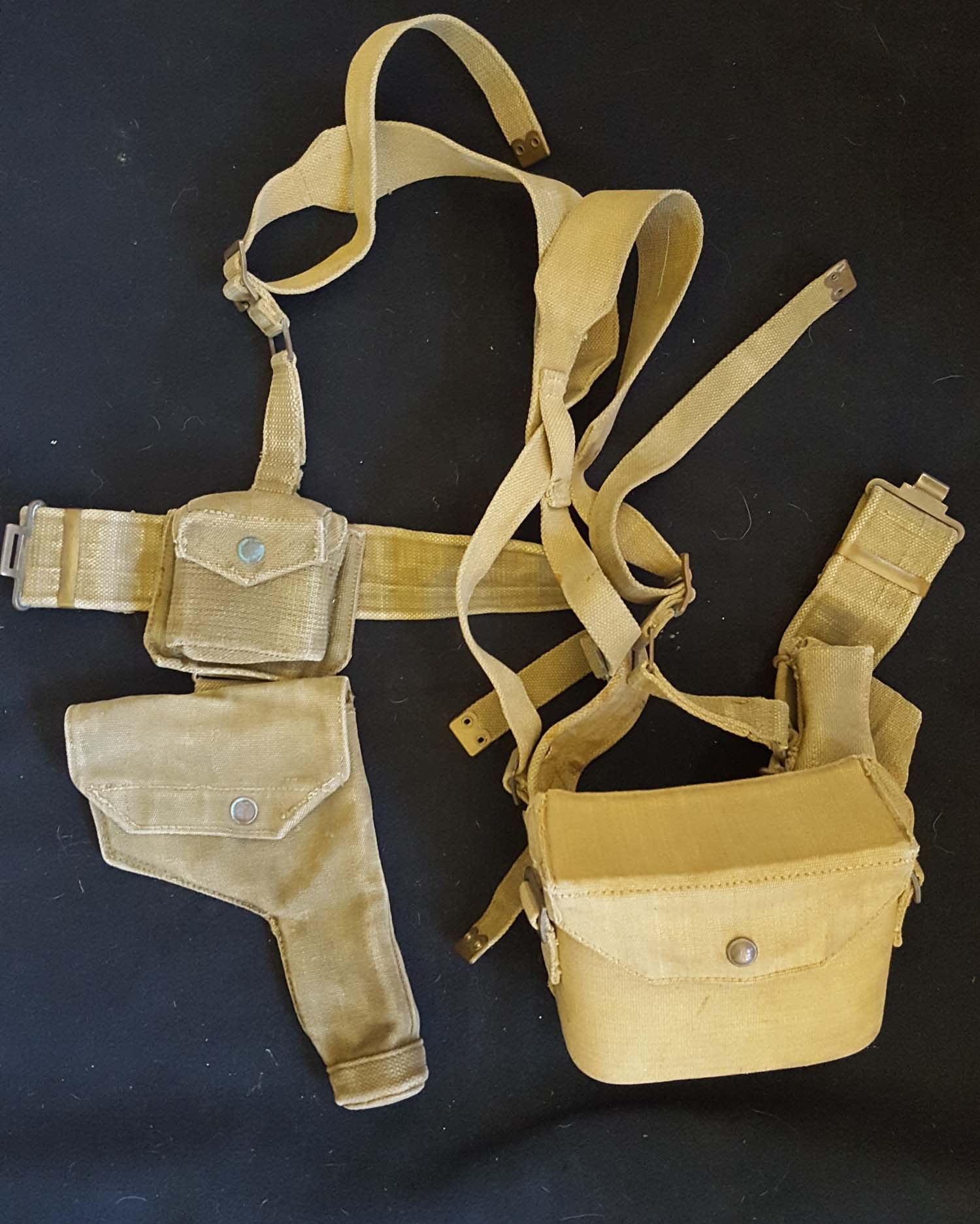
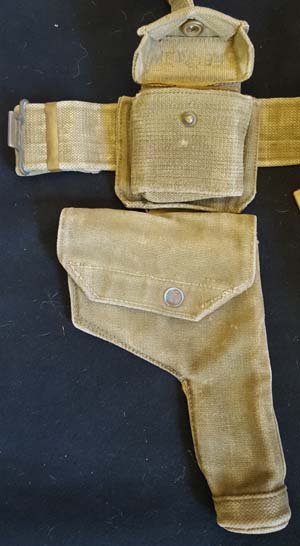
British Officers 37
Pattern Webbing (pg1 SAS)
This is a really nice clean set
of webbing in 1937 pattern for a British Officer.
Click on pictures to enlarge
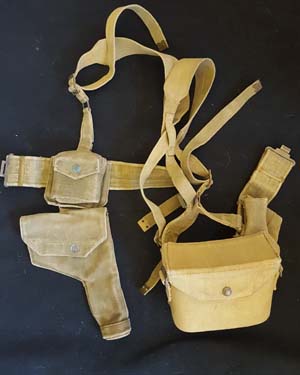
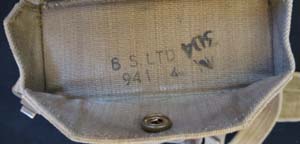
£275
|
|
Click on pictures to enlarge
|
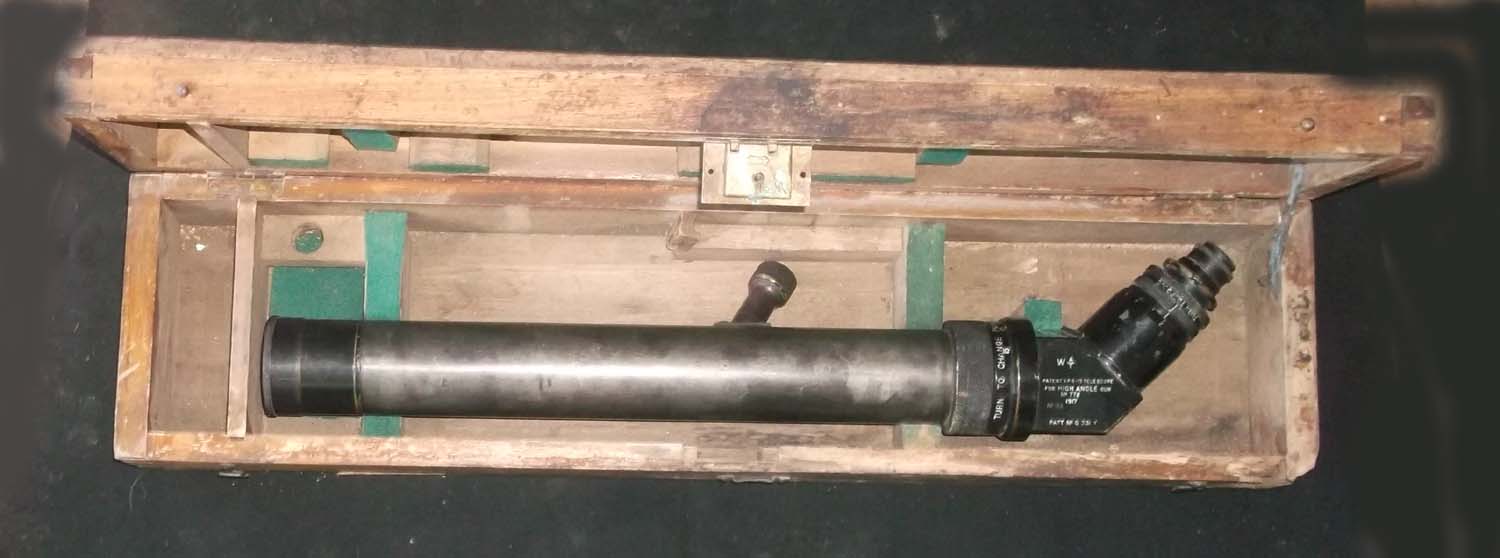
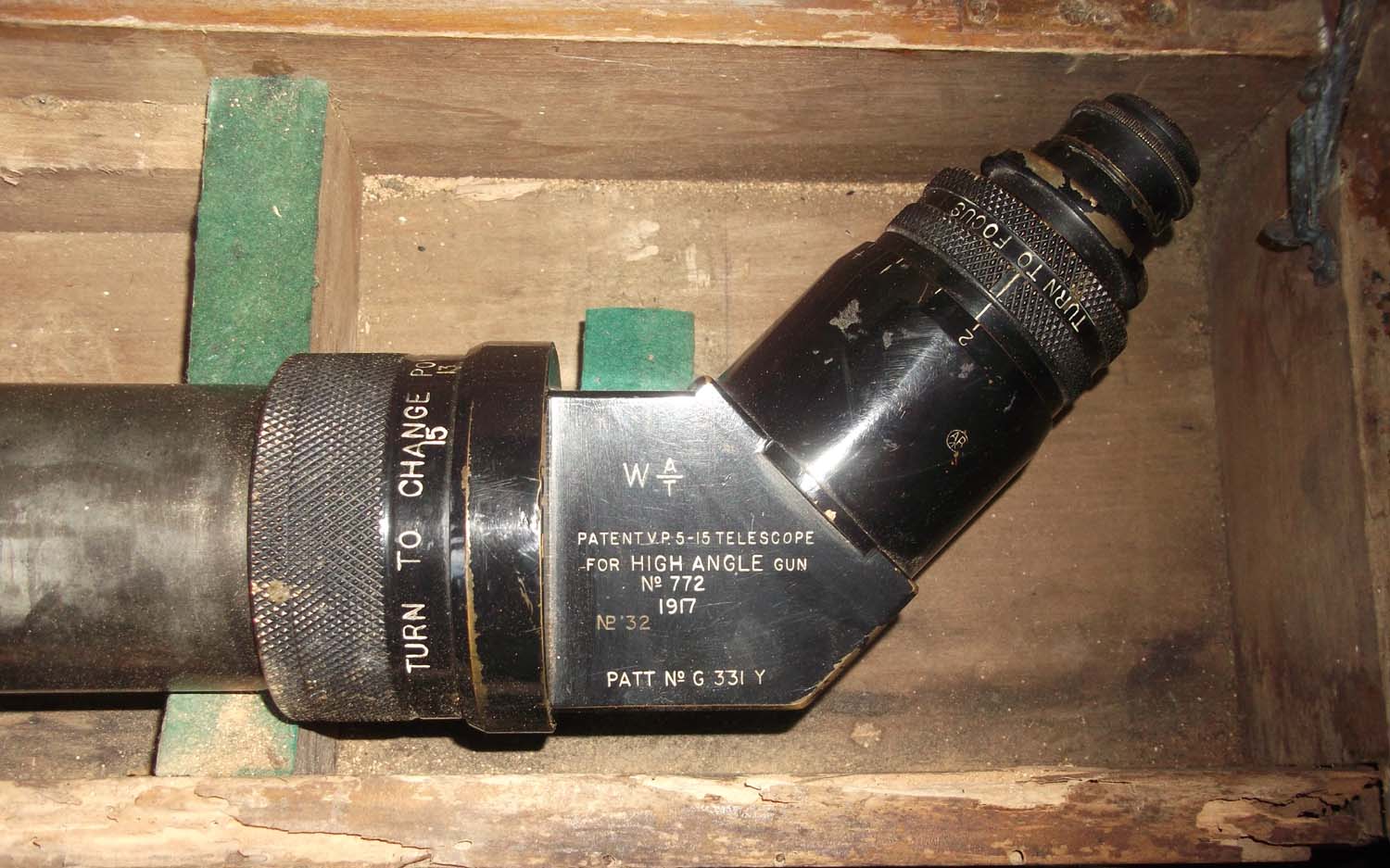
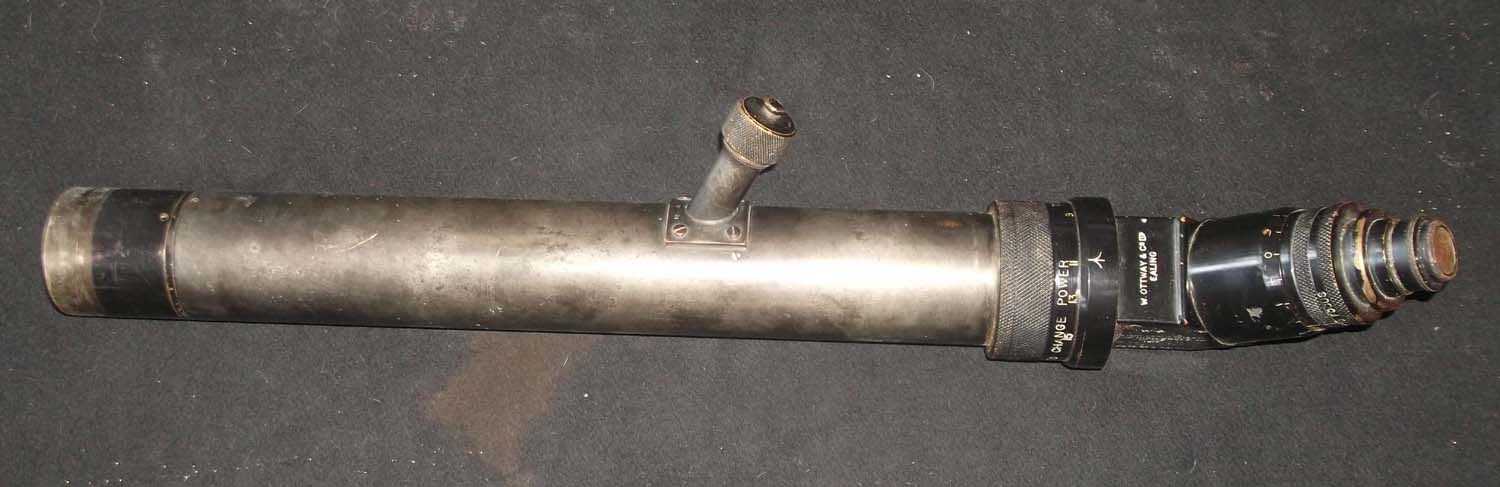
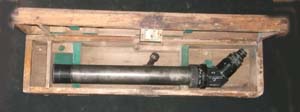
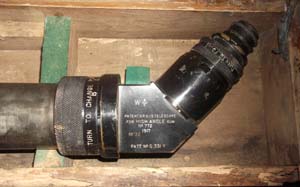
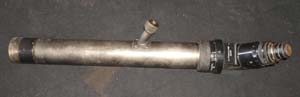
WWI 5-15 VP Telescope
For High Angle Gun 1917 (pg1 SAS)
The
"high angle gun" is a British naval term for a anti-aircraft
80 degree elevation gun
Here is superb telescope
for a high angle gun. The Optics work perfectly and it comes
in its original box. It is the illuminated version with
cross hairs.
Made by W Ottway and Co
Ltd Ealing . High angle guns were used in an anti
aircraft role for shooting down both aircraft and Zeppelins.
£275
This is
a heavy piece over seas buyers
contact us
for a shipping quote
|
|
£75
|
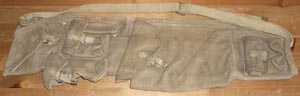
Bren Gun Webbing (pg1 SAS)
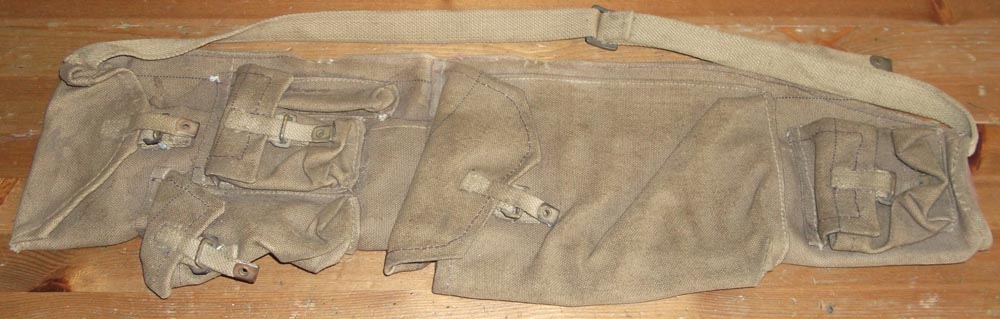
This is a bag that carries
a Bren when broken down into component parts. In good
original condition.
Click on picture to enlarge
|
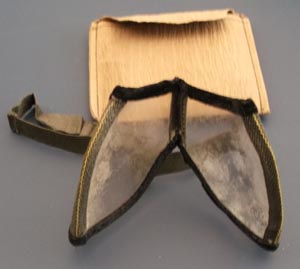 |
Original WW2
Holster and Ammo Pouch (pg1 SAS)
Here we have a light
coloured gun holster and ammo pouch.
The holster is dated 1943
and was produced by Craft Ltd.
£55
|
|
Click on picture to enlarge
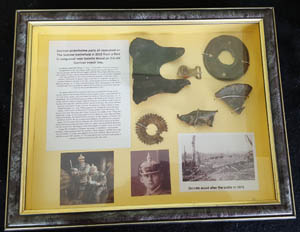 |
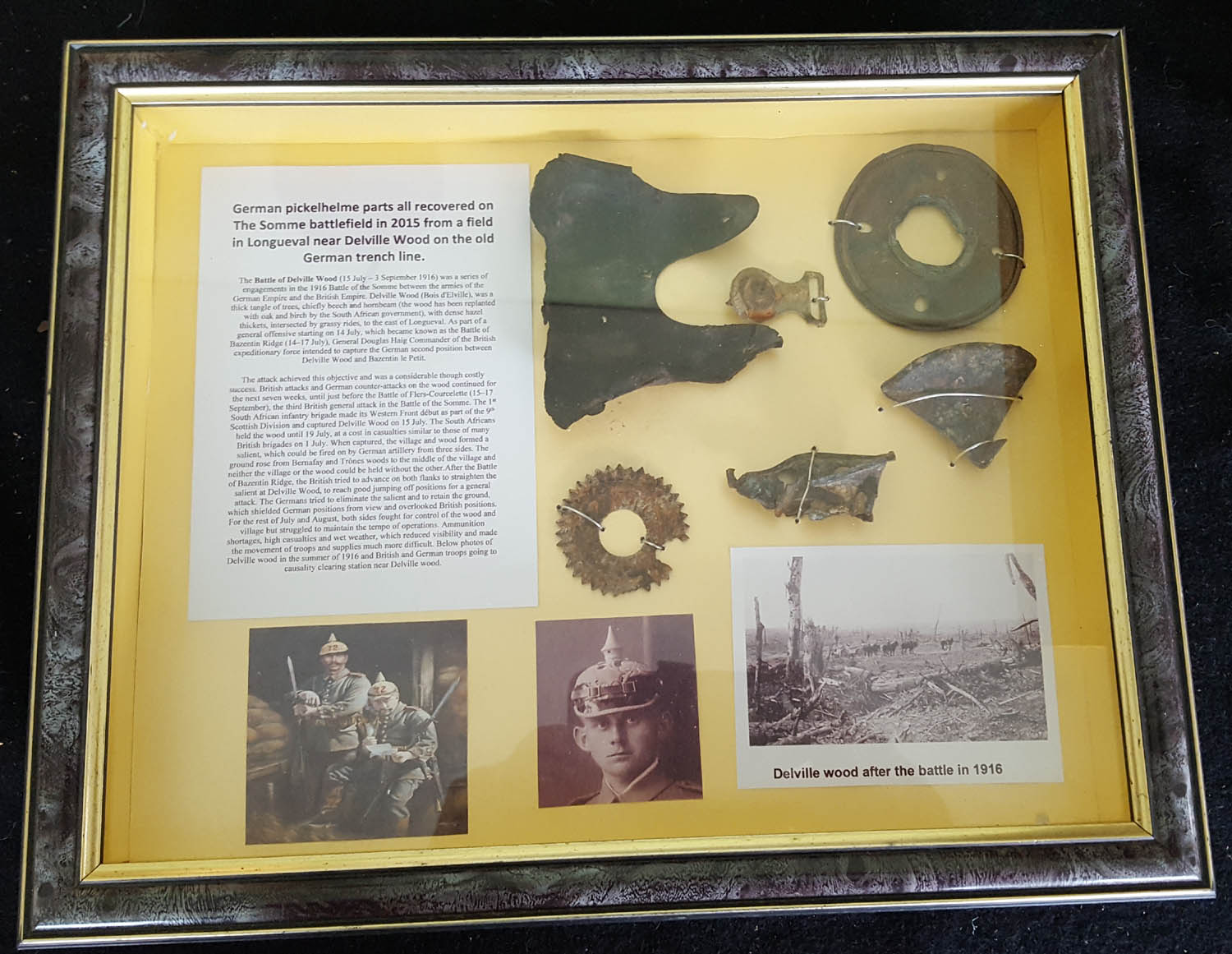
German Pickelhelme
Remains From The Somme Near Deville Wood (pg1 SAS)
£155
|
|
Click on picture to enlarge
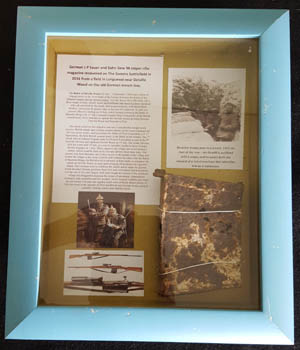 |
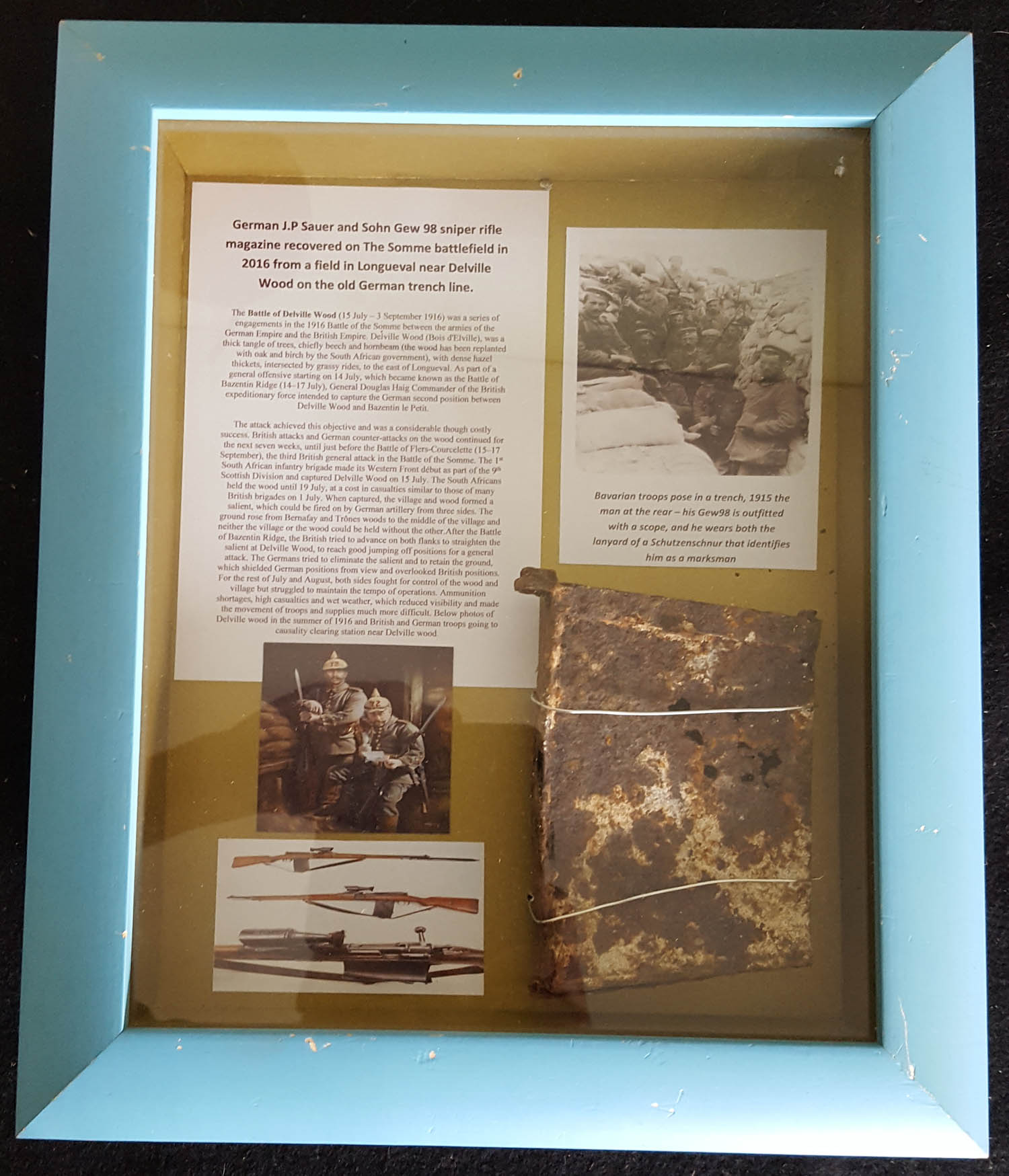
German J.P.
Saucer & Sohn Gew 98 Sniper Rifle Magazine From The Somme Near Deville Wood (pg1 SAS)
£125
|
|
Click on picture to enlarge
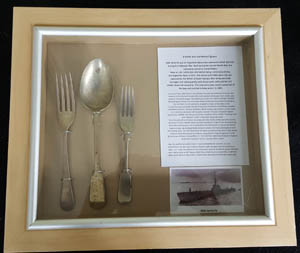 |
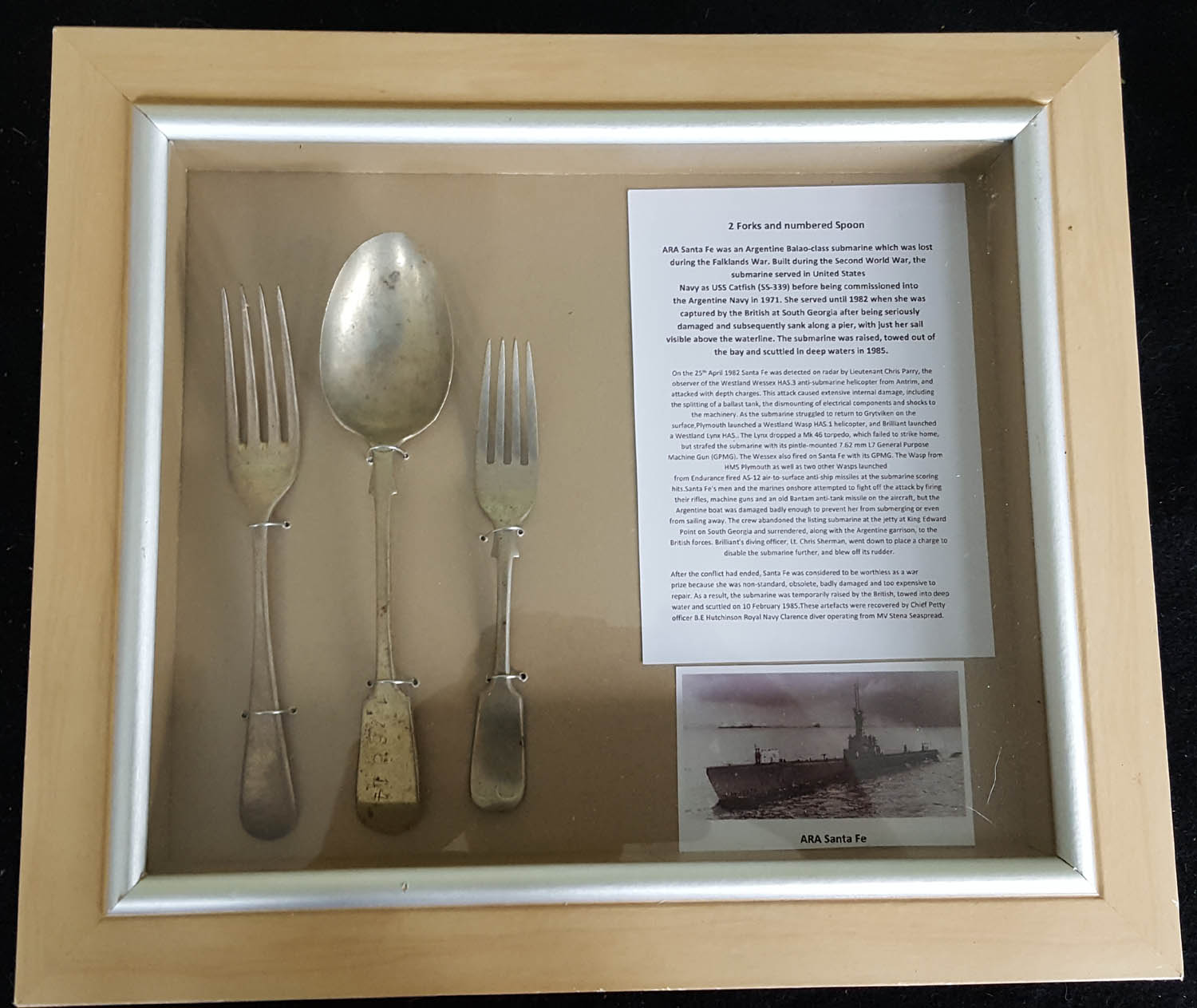
Two Forks & Numbered
Spoon Falklands War Recovered From Argentinean
Submarine (pg1 SAS)
£125
A veteran of Wo |
|
Click on picture to enlarge
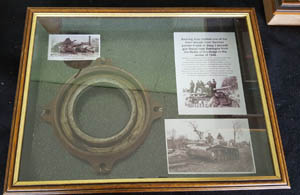 |
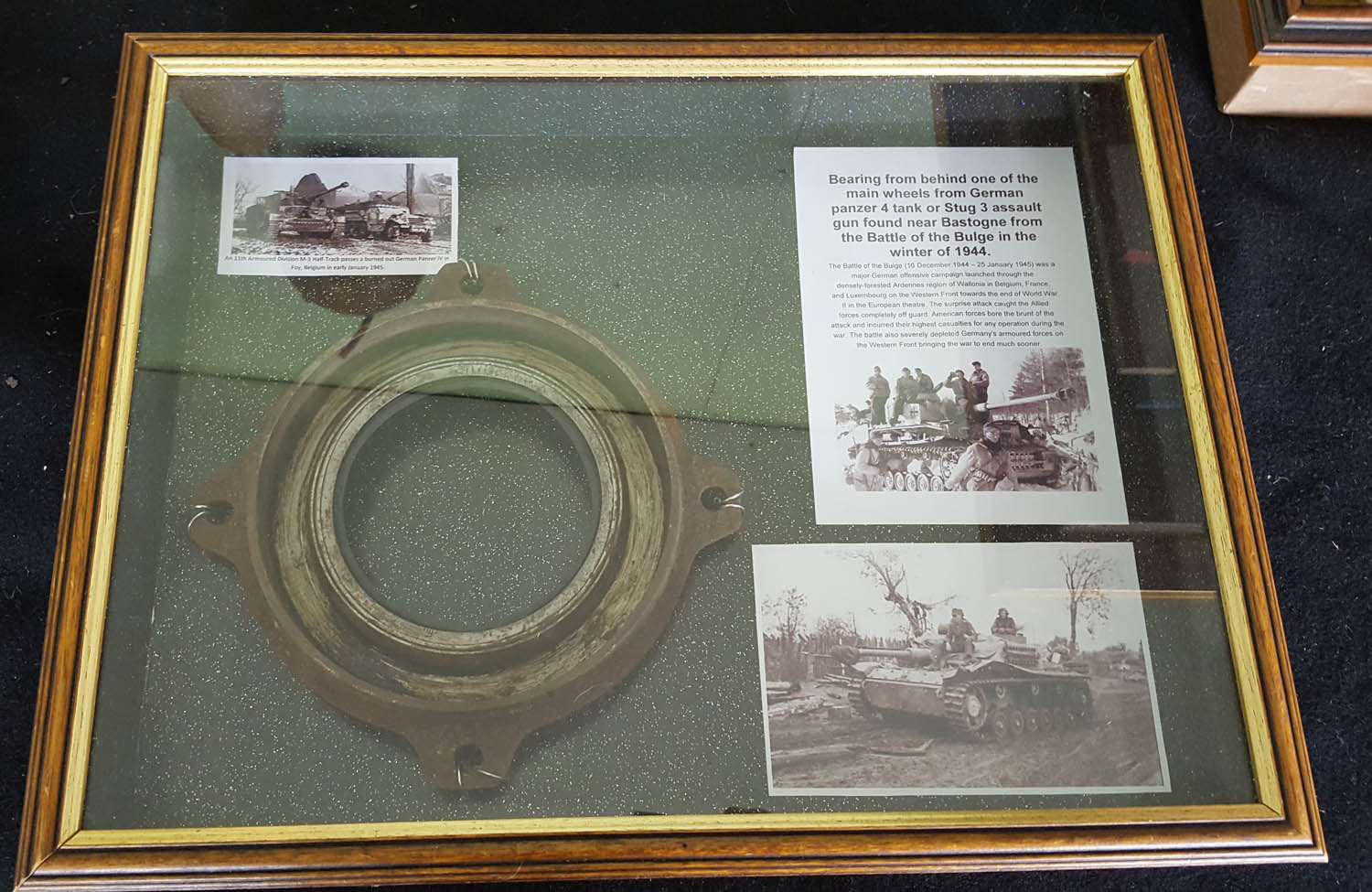
Main Wheel Bearing German
Panzer 4 Recovered From Bastogne Battle Of The Bulge (pg1 SAS)
£175
|
|
Click on picture to enlarge
|
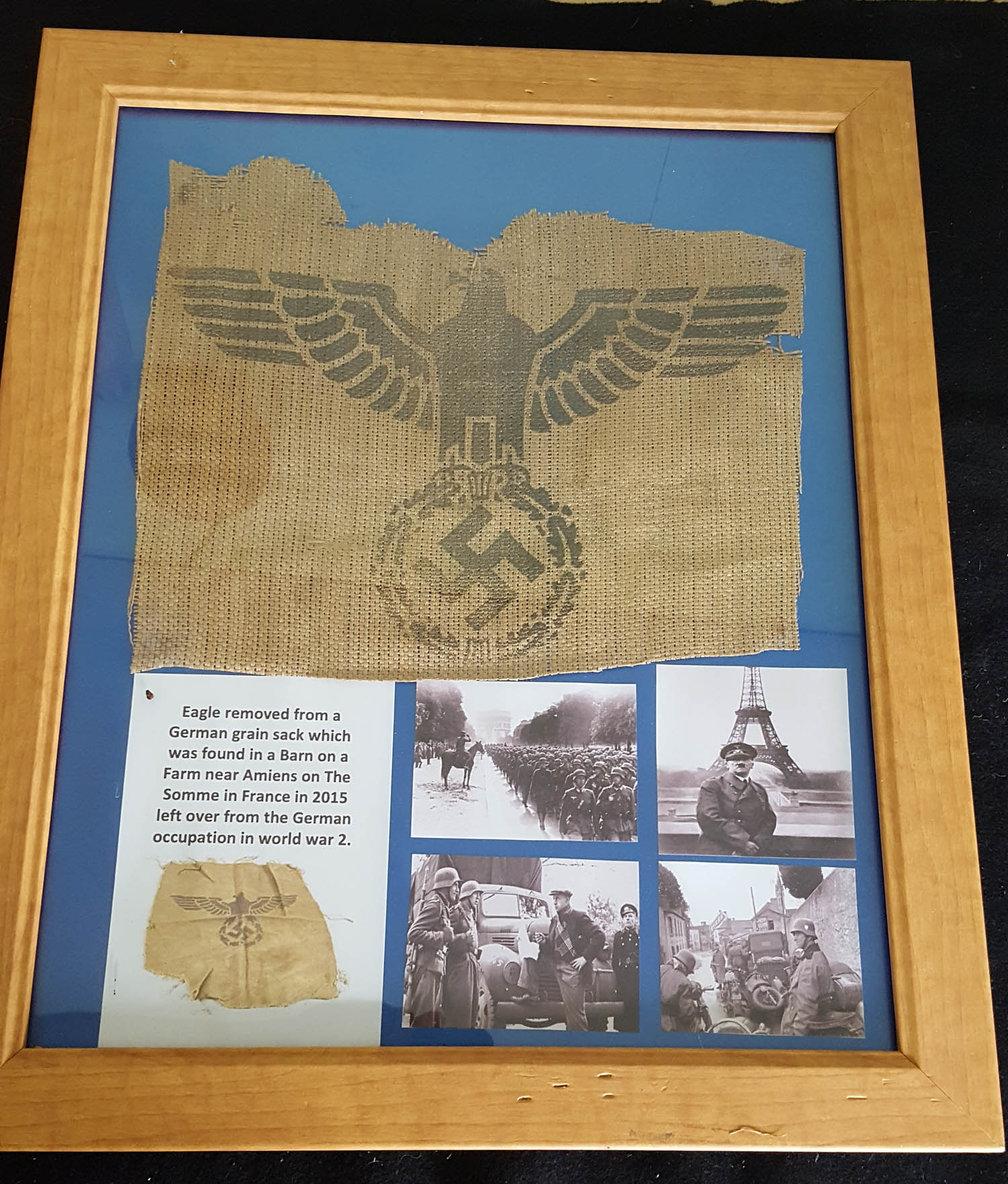
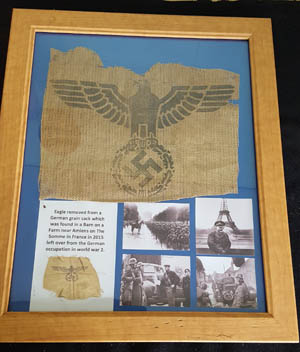
Eagle Removed From
A Grain Sack Found In A Barn Near Amiens (pg1 SAS)
Left over from the German
occupation in WWII.
£125
|
|
Click on pictures to enlarge
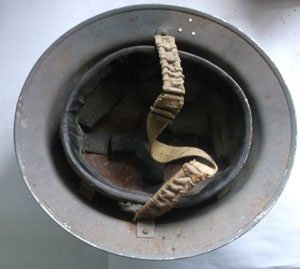 |
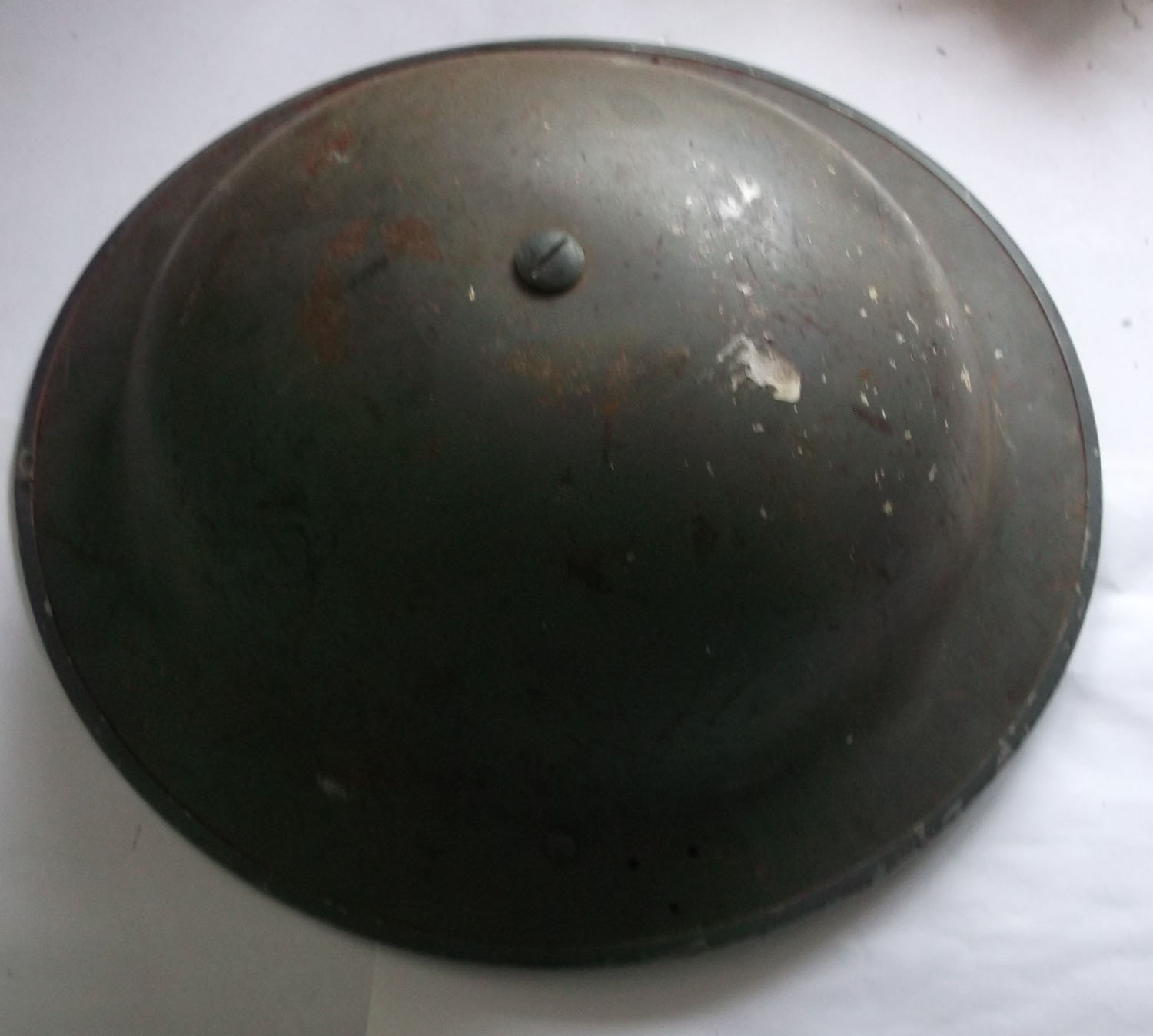
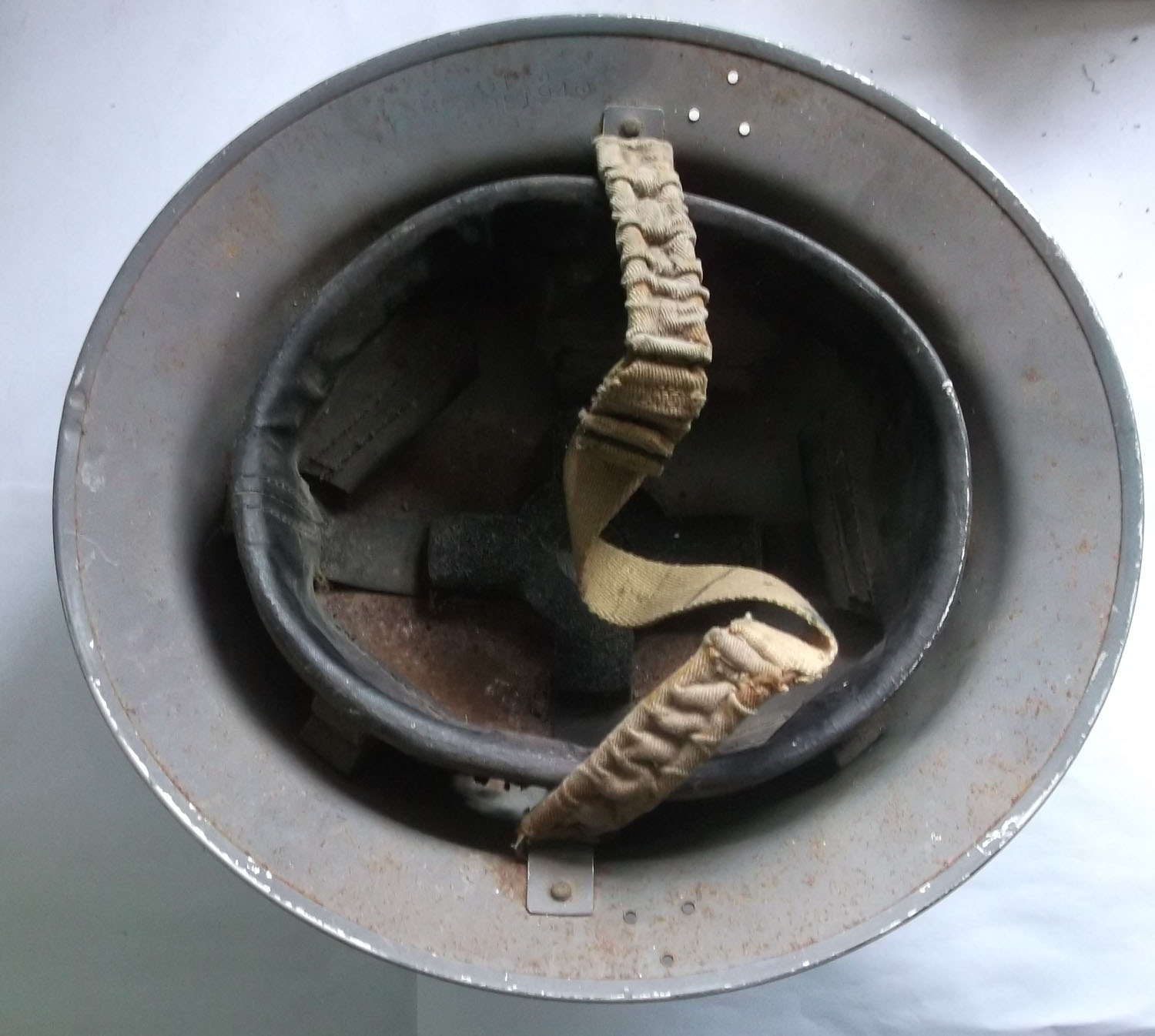
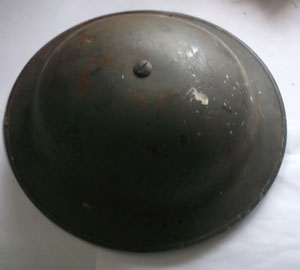
MK II Brodie
Helmet (pg 1 SAS)
This is the
Mk II Version of the Brodie helmet which served the British
and Commonwealth forces
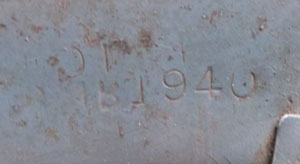
throughout World War II. It is stamped with the
manufacturers mark BMB (Briggs Motor Body Ltd) showing that
this is a British Helmet and it is dated 1940.
Several Commonwealth nations, such as Australia, New
Zealand,
Canada and South
Africa,
produced their own versions of the MK II, which can be
distinguished from those made in Britain.
£195
|
 |
Ypres
1914-1918
The following
items were purchased personally from collectors in Ypres
Belgium and all came from the First World War Battles that
took place in and around Ypres. They will be supplied with
certificates of authenticity.
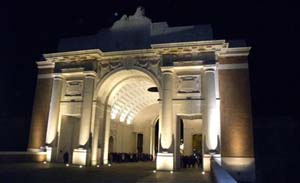
The British and common
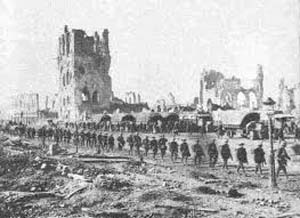
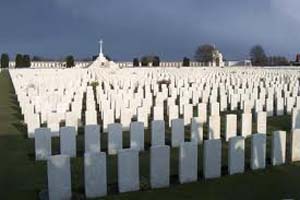
wealth soldiers suffered a staggering one million casualties
in the Ypres area during world war one. The Menen gate
memorial seen left contains the names of 55,000 men who have
no know graves and still lie buried in the surrounding
fields.
Each Day at 8 pm the
last post is played by local buglers as a tribute to the men
who gave their lives in this most brutal of wars. The whole
city of Ypres including the Cathedral were completely
destroyed.
Ypres was a renowned medieval
town that had once thrived as a centre for textiles.
In WWI,
Ypres became synonymous with destruction, trench
warfare, poisonous
gas and military stalemate.
The Germans swiftly advanced
through Belgium in their drive to Paris but failed to take
the Ypres salient.
It was in this area that three Battle
of Ypres took place and nearby the battle
of Passchendale . What now appears to be a medieval
town belies the fact that most of Ypres was rebuilt after
World War One had finished.
In the late C17th the
fortifications of the town had been modernised by Vauban. He
reduced the number of fortified gates into the town from six
to four. However, as a result of the major changes that had
occurred in society, by 1914,
these fortifications had become redundant. Road widening
schemes and a new rail line meant that the old gates as
designed by Vauban had been reduced to one and many of his
ramparts had been pulled down.
On October 13th 1914,
German troops from the 3rd Reiter
Division, part of the German IV Reiter Korps, entered Ypres.
After holding the town’s Burgomaster to ransom, they took
75,000 Belgium Francs. The next day, the British
Expeditionary Force entered the city – the men from the 3rd Reiter
Division swiftly withdrew in the face of much greater
numbers confronting them. The town stayed in the hands of
the Allies for the rest of the war.
However, the Germans could not
allow a major enemy force to hold land behind the advances
of its army. The Germans continued to advance to the north
and south of the Ypres Salient and the bulge of Allied men
between both represented a major threat to the Germans.
On November 22nd 1914,the
Germans started a huge artillery barrage
against the town. The old Cloth Hall, which dated from 1260,
was set on fire and large parts of the medieval town were
destroyed. Civilian casualties were high and may have been
worse had it not been for the work of Abbé Delaere
and Sister Marguerite who both did what they could to help
the homeless and wounded. Despite the devastation of the
town, some civilians remained. However, many went to the
comparative safety of nearby Poperinge
Between April and May 1915,
there was a second German barrage against the town. The
Cloth Hall was destroyed during this attack along with the
historic Collegiate Church of St. Martin. On May 9th,
a decision was taken to compulsorily evacuate all civilians
from the town. After this date, Ypres was left to the
military.
In 1916,
fighting around Ypres quietened (when compared to 1914 and
1915) and some civilians returned to their town. However,
the Third Battle of Ypres in 1917 once
again made it exceptionally dangerous to live in the town.
In 1918, as a result of a major spring offensive, German
forces got to the outskirts of the town on its eastern and
southeast flanks. However, British forces held firm and the
town was not taken. Ypres was only finally safe in late
September 1918 when the last German troops withdrew from the
Salient.
|
|
Click on pictures to enlarge
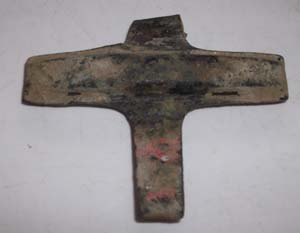
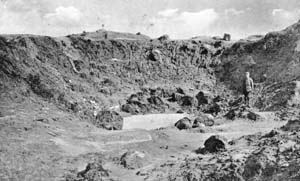
Below the Hooge crater in
1915
 |
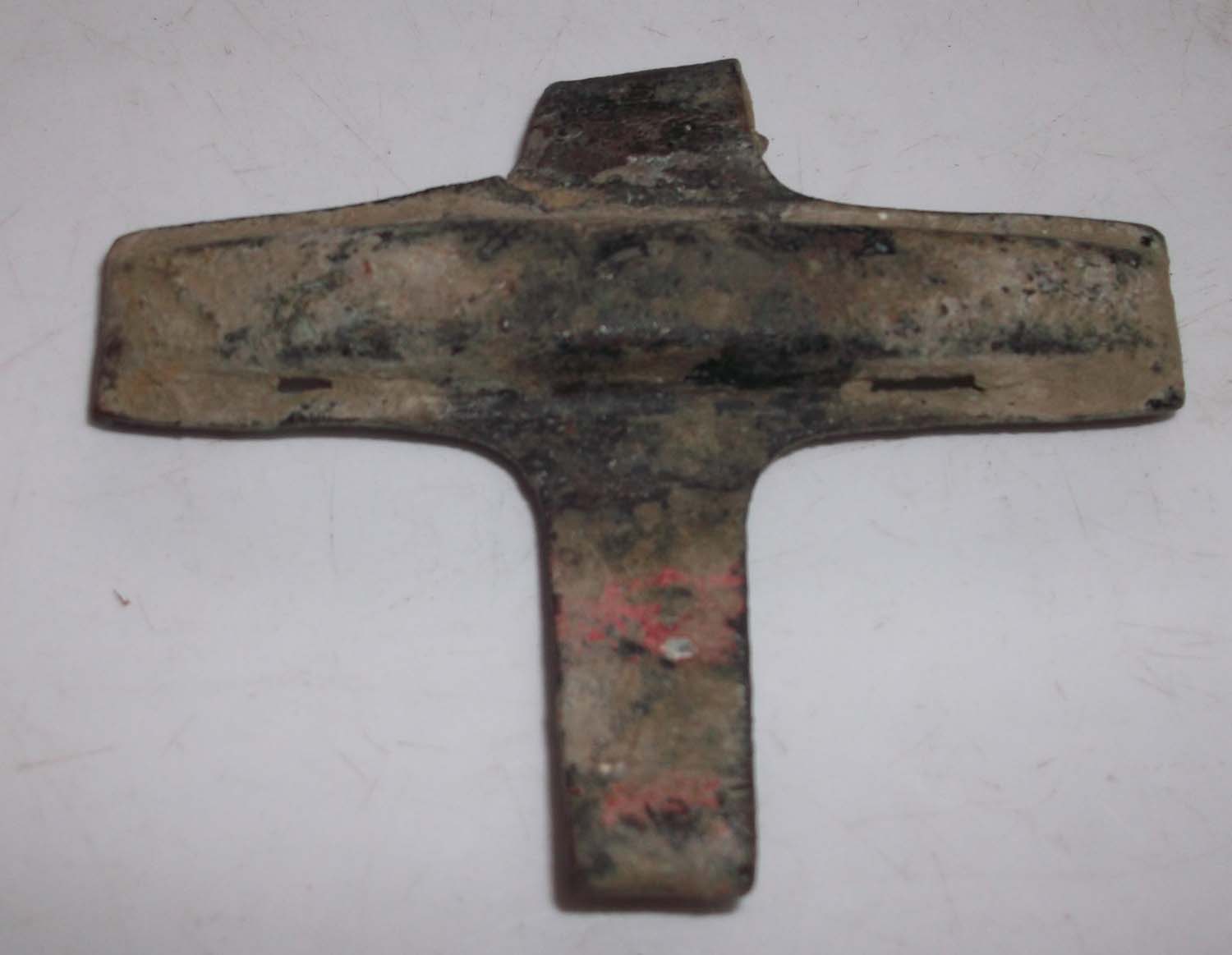
Hooge Crater 18Lb Shell
Cap 1 (pg1 SAS) This the
safety cap which covered the 18Lb Shell it sometimes had a
leather carrying strap attached, just recently recovered
from the Hooge crater area near Ypres.
Hooge is a small village on the Menin Road
(the N8), around two miles east of Ypres. The front line of
the Salient was here in 1914 and there was fierce fighting
in the area over the next three years, during which the
village was totally destroyed. The road from Ypres to Hooge
leads past the infamous Hellfire corner, once one of the
most dangerous spots in the Salient.
A large crater was blown at Hooge in July
1915 by and underground german mine. This occurred during a time of relative quiet on the
British part of the Western Front, when few major assaults
were made. Nonetheless, the average casualty rate for the
British and Commonwealth forces was around 300 per day. Hooge, having been earlier lost, had been retaken in May
1915. On the 2nd of June, Hooge Chateau was lost.
£35
|
|
Click on pictures to enlarge
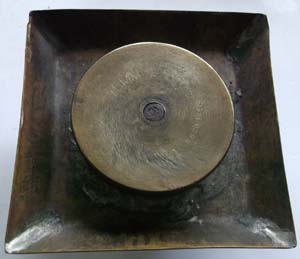 |
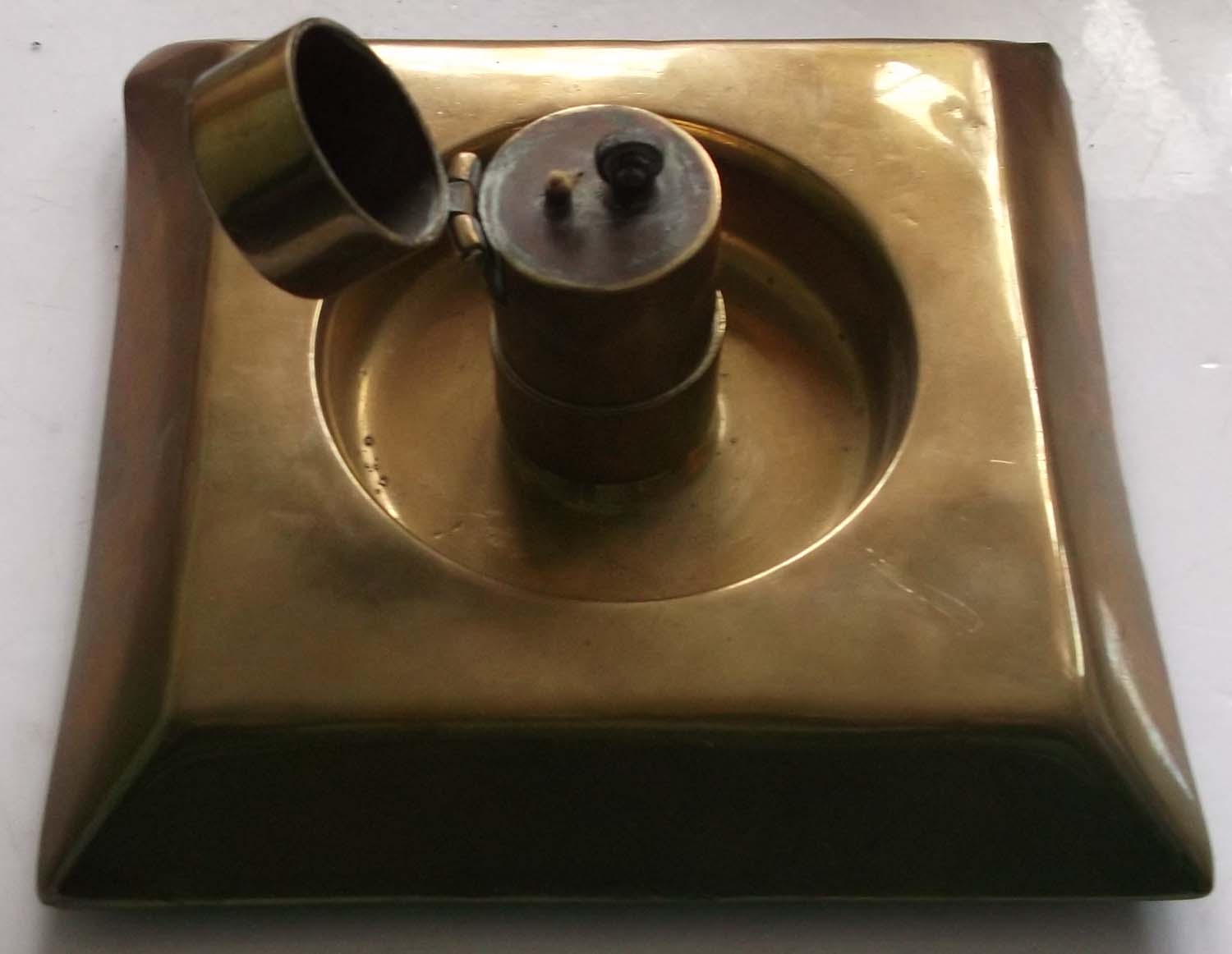
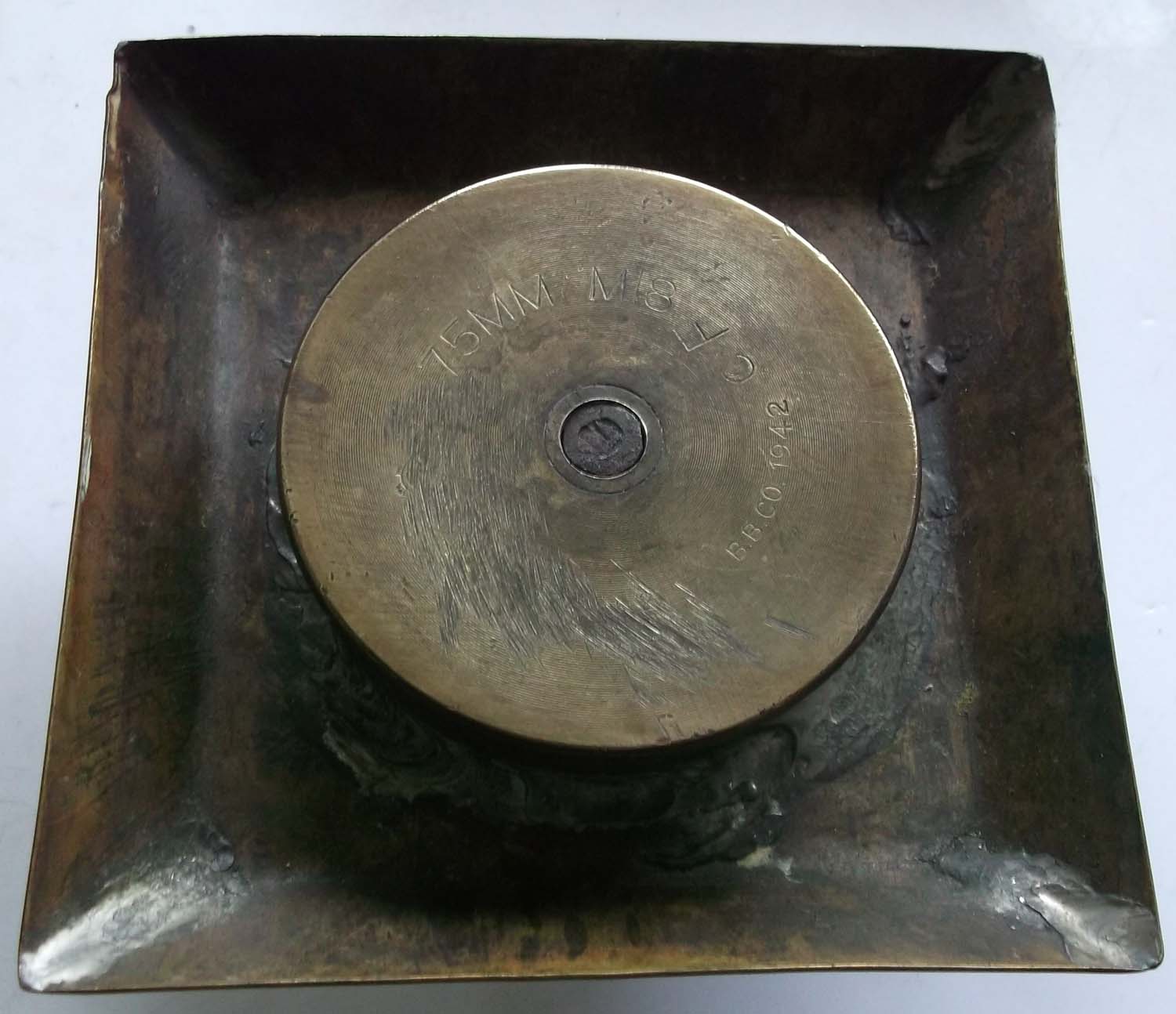
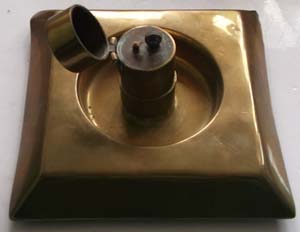
Trench Art 75mm M8 Shell
Ash Tray (Pg 1 SAS)
A solid brass lighter made from
a 75mm M8 shell.
£75
|
|
Click on pictures to enlarge
£295
|
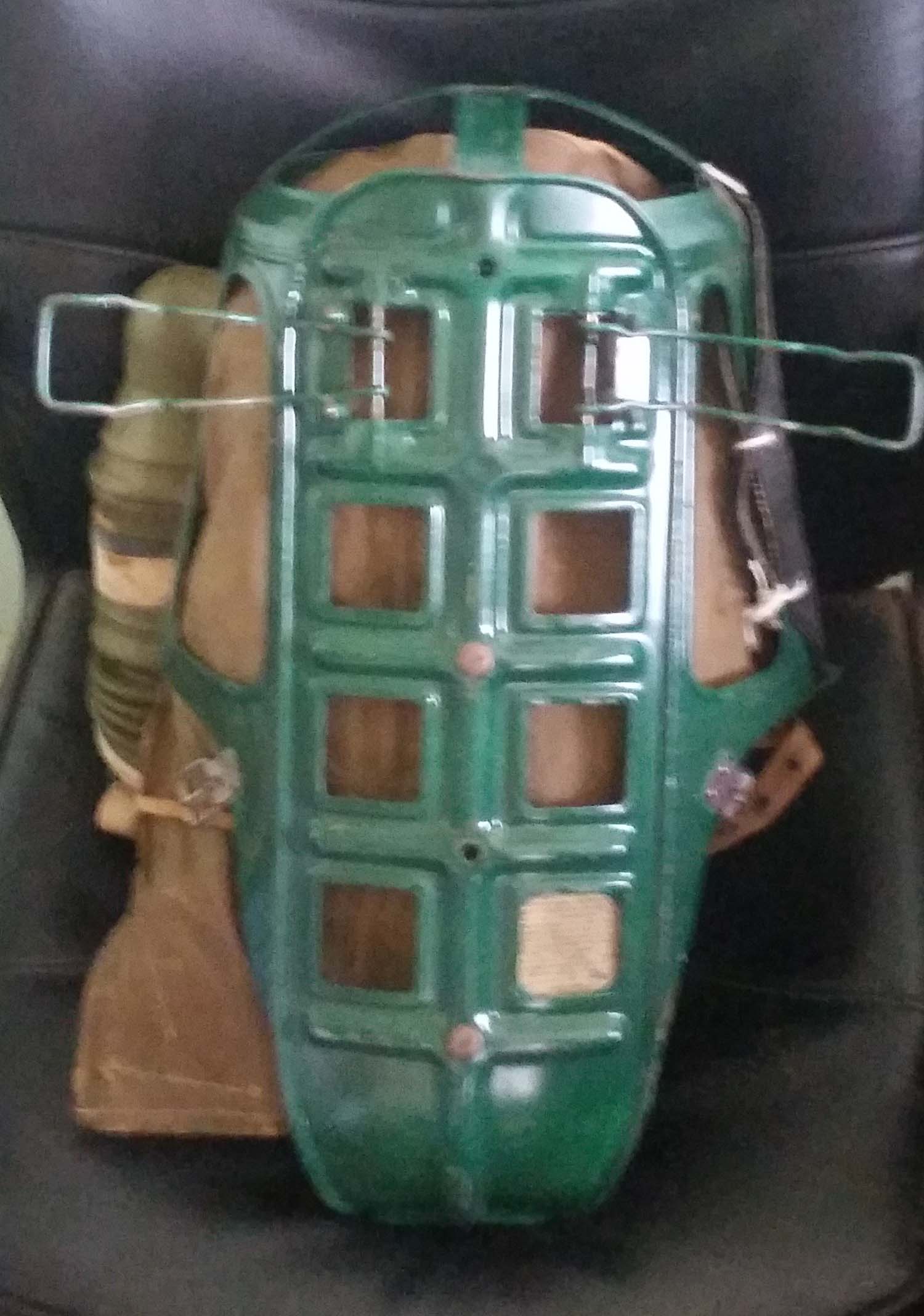
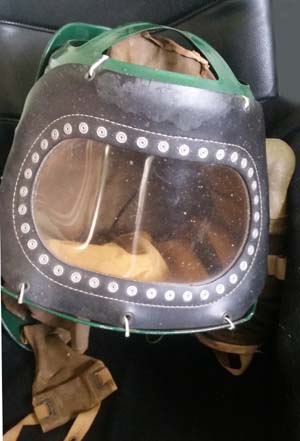
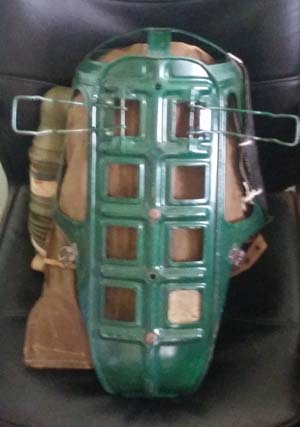
WW2 Babys Gas
Mask (No. 1 pg1 SAS)
This looks like a deep-sea diving helmet but is in fact a
gas mask for babies, dating from World War II. In 1938, the
British Government gave everyone, including babies, gas
masks to protect them in case the Germans dropped poison gas
bombs on Britain.
This gas mask was for children up to two years old. The
parents placed their baby inside the mask so that the head
was inside the steel helmet and the baby could see through
the visor. Then they wrapped the canvas part around the
baby's body with the straps fastened under its bottom like a
nappy, and its legs dangling free below. The canvas had a
rubber coating to stop gas seeping through the material, and
the straps were tied securely so that the mask was airtight.
There is an asbestos filter on the side of the mask, and
this absorbed poisonous gases. Attached to this is a rubber
tube shaped like a concertina with a handle. This was pushed
back and forth to pump air into the mask. With the baby
inside the mask, an adult could start to use the hand pump.
Click on pictures to enlarge
Health Visitors and Child Welfare Centres gave lessons on
how to use the mask. Despite instruction courses, few
parents were totally happy with encasing their child in an
airtight chamber. In fact there was some question over its
safety. During demonstrations there were reports that babies
fell asleep and became unnaturally still inside the masks!
It is likely that the pump didn't push enough air into the
mask and the babies came close to suffocating. Luckily, they
were never put to the test in a real situation. |
|
Click on pictures to enlarge
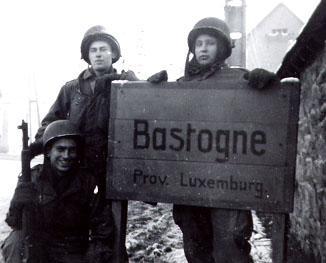
Seen below three
members of the 101st airborne at Bastogne.
 |
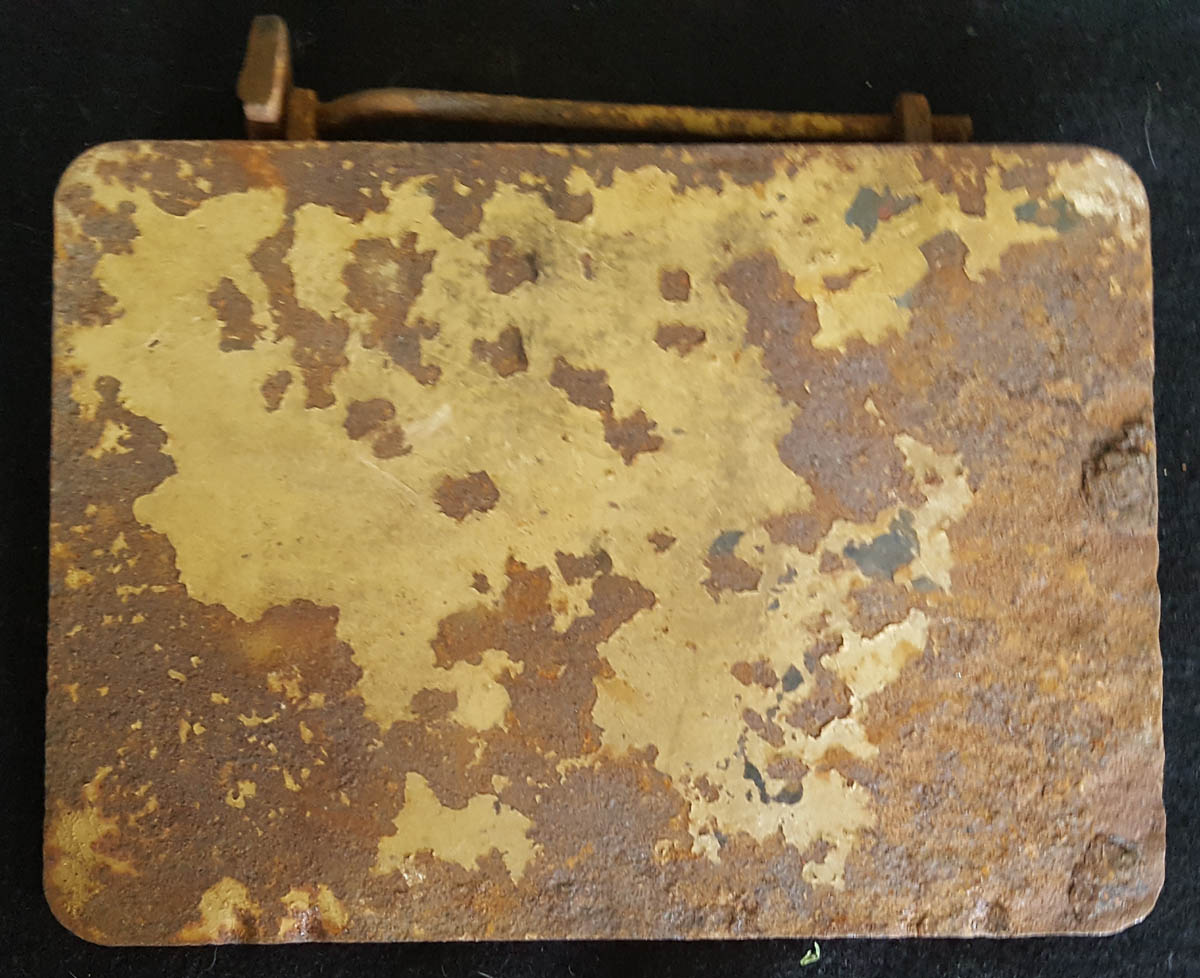
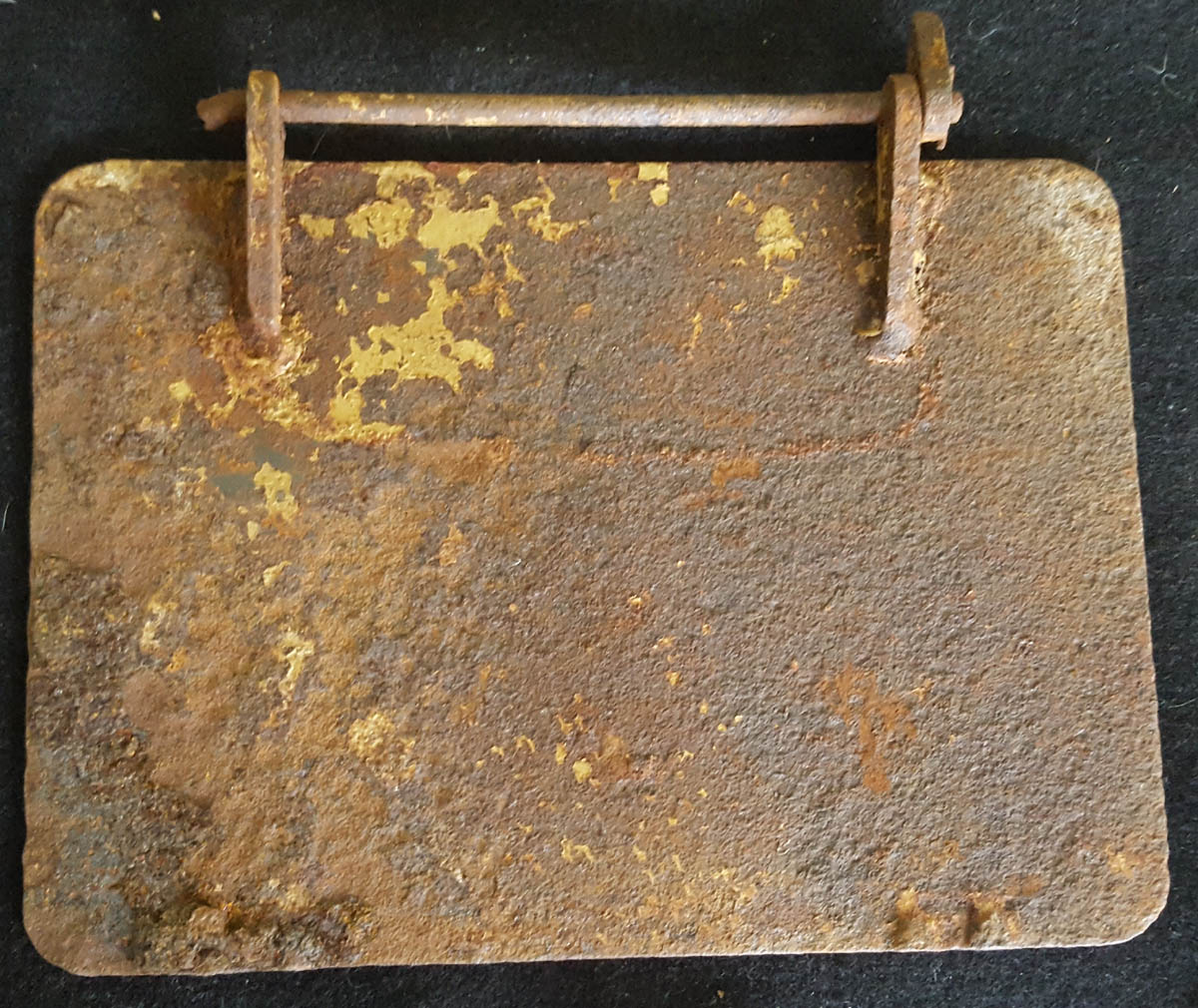
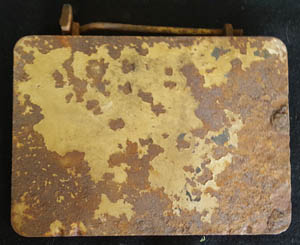
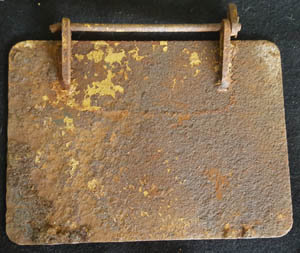
German Half Track Armoured
Window Shutter Battle Of Bastogne
(pg1 SAS )
Here is an
armoured window shutter found at Bastogne from the battle in
the winter of 1944 it still retains some of its camo paint a
superb piece of History.
The Battle of Bastogne
was a battle between American and German forces at the town
of Bastogne in Belgium from 20th to the 27th December 1944,
it was part of a bigger operation, the Battle of the Bulge.
The battle is also known as the
Siege of Bastogne.
The German forces tried to reach Antwerp harbor, their plan
was to reach it before the Allies and bring in more forces
to hold it and to defeat the nearing Allied forces. All of
the roads in the Ardennes mountain's met at the town of
Bastogne, that was one of the main reasons why it was so
appealing and important for the Germans.
The siege ended on
27 December 1944 when the American forces holding the town
were relived George Patton's 3rd Army.
The US 101st airborne band
of Brothers were immortalized in this battle the events of
which were featured in the series Band of Brothers.
Seen below a German half
track.

These are heavy
international buyers
contact me for shipping
quote.
£250
|
|
Click on pictures to enlarge
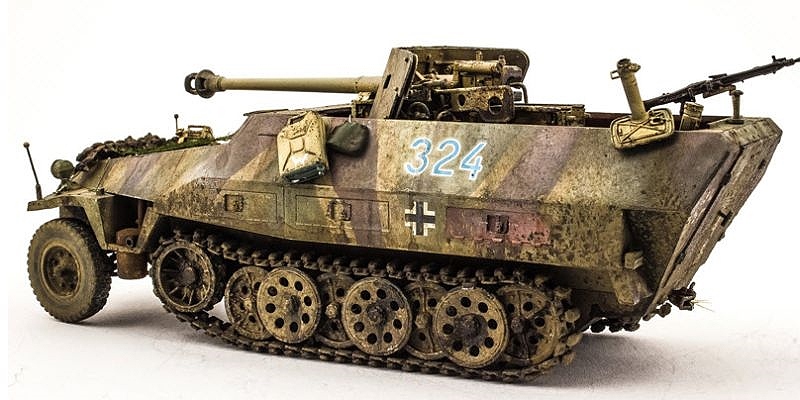
The
SdKfz 251 (Sonderkraftfahrzeug 251) half-track was an
armored fighting vehicle designed and first built by the
Hanomag Company during World War II. Used by the Wehrmacht,
the Sd.Kfz. 251 was designed to transport the
panzergrenadiers of the German mechanized infantry corps
into battle. Sd.Kfz. 251s were the most widely produced
German half-tracks of the war, with at least 15,252 vehicles
and variants produced by various manufacturers, and were
commonly referred to simply as “Hanomags” by both German and
Allied soldiers.
|
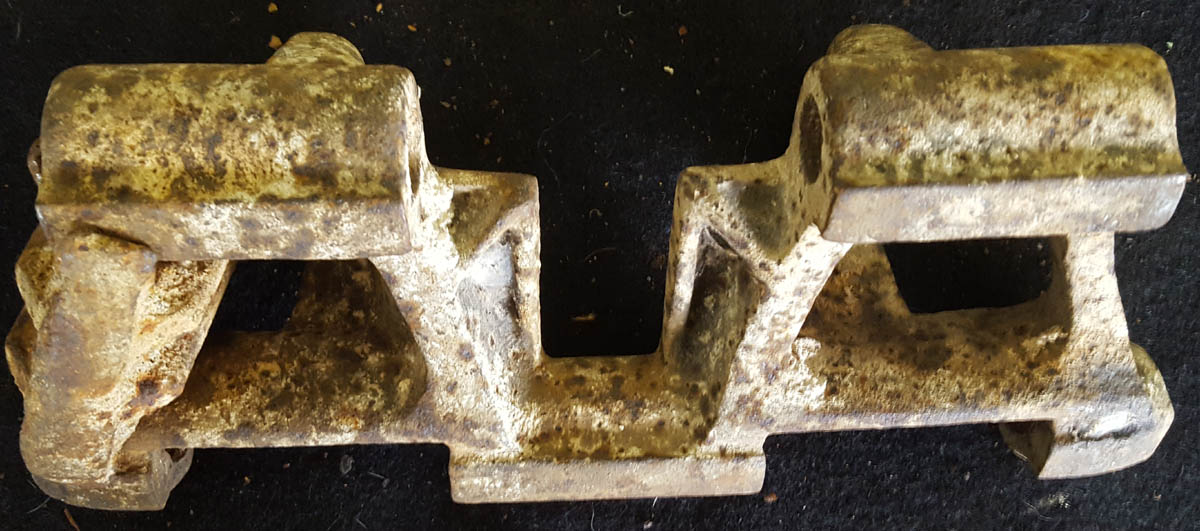
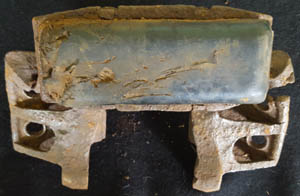
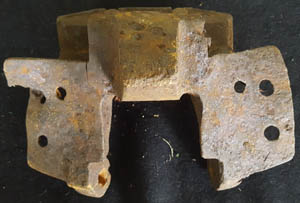
German Half Track SDKFZ
Complete Track Link Normandy (pg1 SAS )
Here is a
complete track link from a German SDKFZ half track recovered
from Normandy from the battle of 1944.
Another superb piece
of history from the battle for the liberation of Europe in
1944.
Shown
below a German SDFKZ halftrack
£225
These are heavy
international buyers
contact me for shipping
quote.
|
|
Click on picture to enlarge
.
|
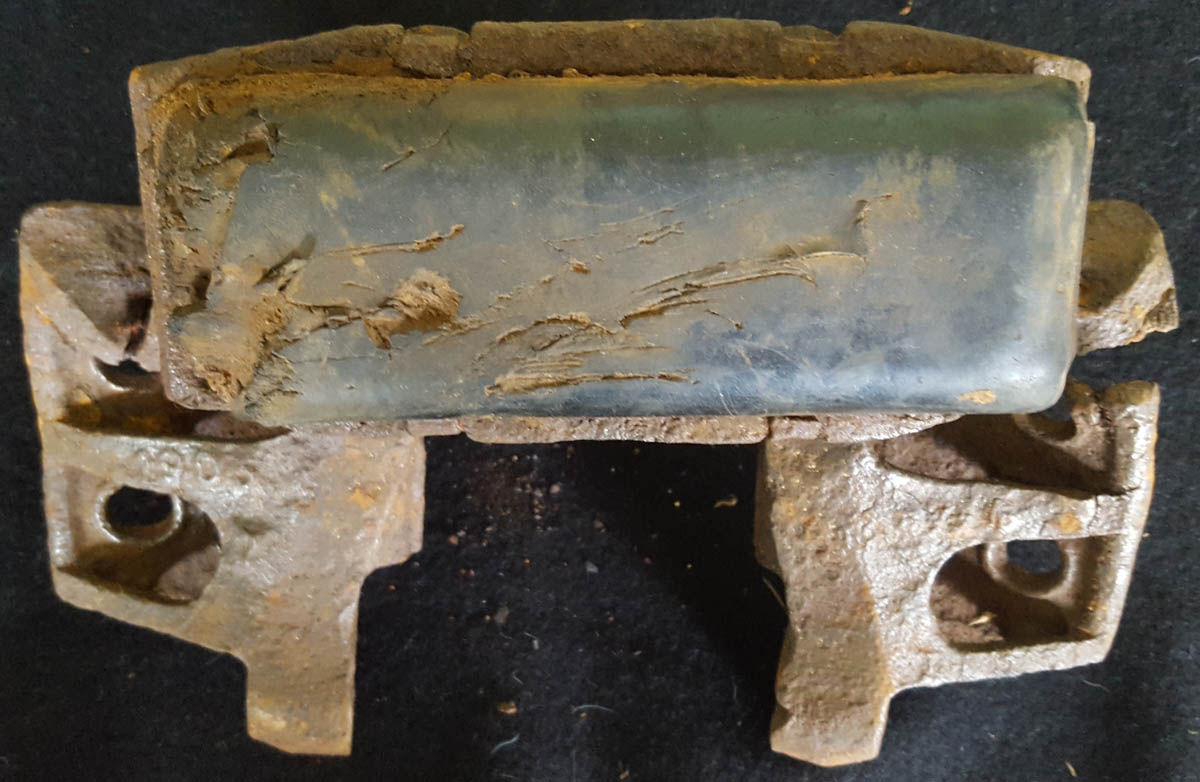
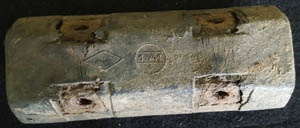
German Half Track SDKFZ
Rubber Shoe Dated 1941 Normandy (pg1 SAS )
Here is a rubber shoe from a
German SDKFZ 8 halftrack found in Normandy.
£100
These are heavy
international buyers
contact me for shipping
quote.
|
|
Click on pictures to enlarge
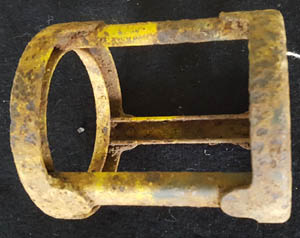 |
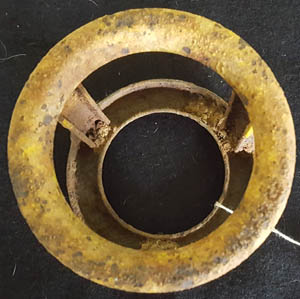
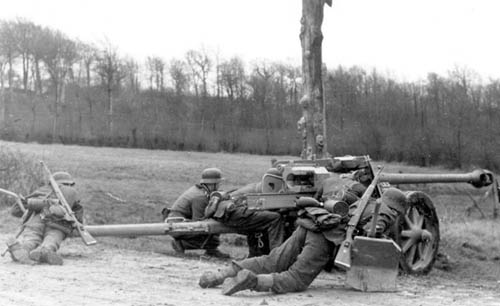
German PAK 40 Ammo
Spacer Bastogne (pg1 SAS )
Here is an
ammunition spacer from a German PAK 40 found at Bastogne.This piece still has remains of its original yellow paint.
Shown
below the German 75mm PAK 40
£75
|
|
Click on pictures to enlarge
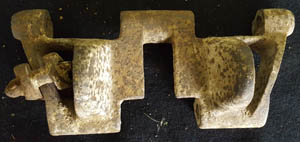

These are heavy
international buyers
contact me for shipping
quote.
£225
|
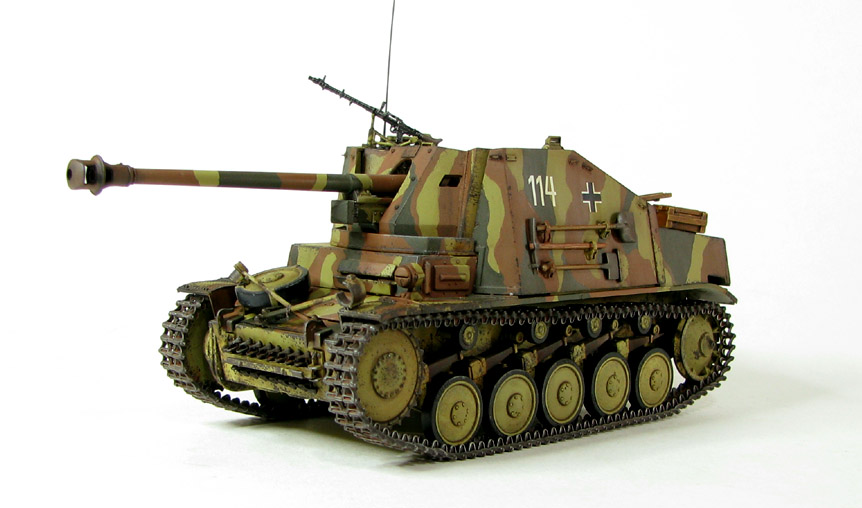
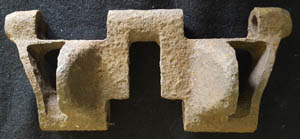
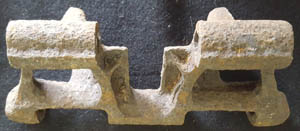
German Marder 2
Tank Destroyer Track Kursk (pg1 SAS )
This superb
piece of history is from a Marder 2 tank destroyer recovered
from Russia from the Kursk Battlefield and is dated 1942 it
includes an attached ice cleat to give added traction in
snow and ice. The vicious battle of the winter campaign took
place in 1943.
Seen under
a Marder II Tank Destroyer on the Eastern front.
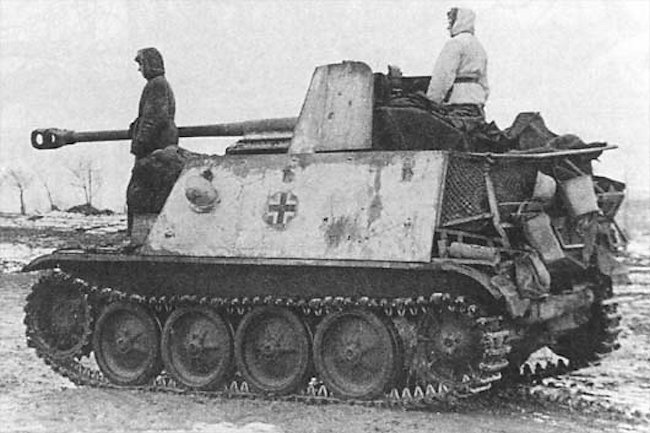
A total of 576 German Marder II Tank
Destroyer were built between June 1942 June 1943 and a
further 75 were converted from damaged Panzer II tanks. The
Marder II remained in service with the German Army until the
end of the War and served on all fronts.
Armament:
7.5mm Pak 40 anti-tank gun & x1 7.92mm MG
Armour: 35mm Steel
Crew: 3
Dimensions: Length 6.36m / Width
2.28m / Height 2.2m
Weight: 10.8 tonne
Engine: 140hp Maybach 6 cylinder
Petrol
Top Road Speed: 40 km/h
Operational Range: 190 km |
|
Click on pictures to enlarge
£200
These are heavy
international buyers
contact me for shipping
quote.
|
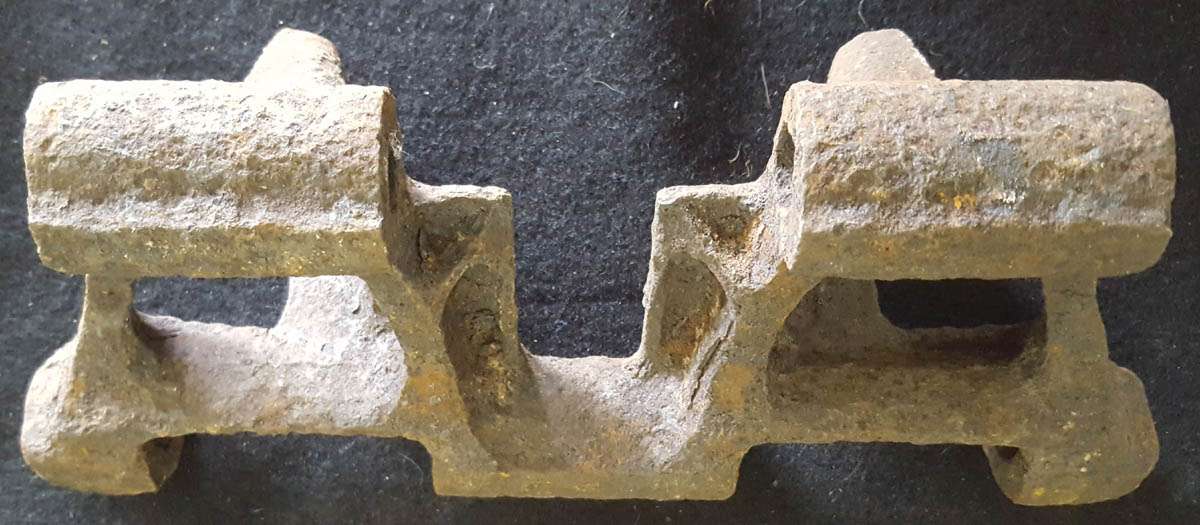
German Panzer II Tank
Track Link Ardennes (pg1 SAS )
Here we have a
track link from a Panzer II Tank it was found in the
Ardennes from the German invasion of France in 1940.
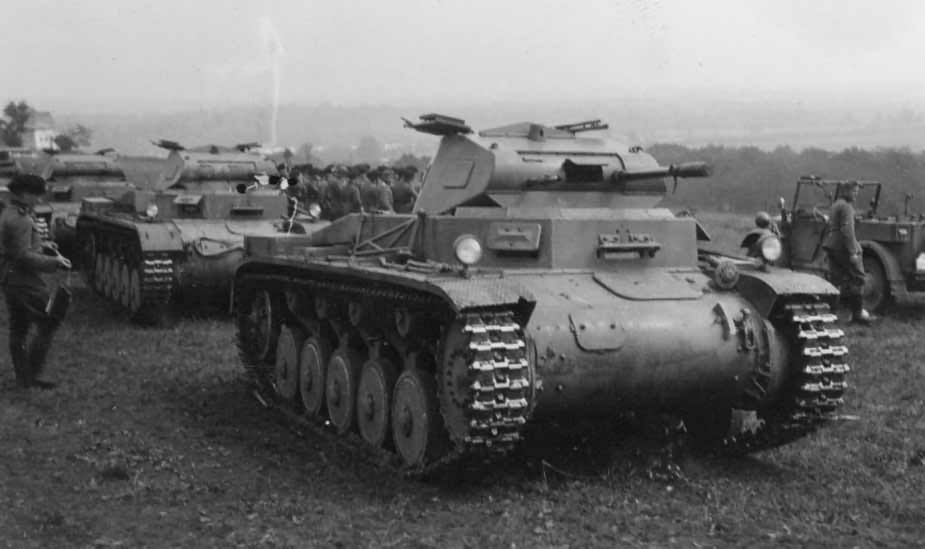
The Panzer II Light tank was the second
German tank to enter mass production during the period of
German rearmament in the 1930s. Unlike the Panzer 1, it had always been intended to use the Panzer
II in combat, but not to the extent that eventually
happened. A combination of slow progress on the development
of the Panzer III and Panzer IV and the unexpectedly rapid
expansion of the Panzer forces from 1936 meant that the
Panzer II was the most important German tank at the
beginning of the Second World War, and still the most
numerous at the start of the offensive in the west in May
1940.
The Germans won their most significant victories with
these generally un-regarded light tanks, and suffered their
defeats with the more famous heavier tanks.
The full designation of the tank was the PanzerKampfWagen
II or Armoured Fighting Vehicle II. This was abbreviated to
Pk.Kpfw II, PzKw II or Panzer II. It also received the
Ordnance Department designation SD Ktz 121 and the codename
LaS 100.
The Panzer II was similar in layout to the earlier Panzer
I. Like all German tanks the engine was at the rear, with
the drive wheels at the front. The turret was offset
slightly to the left and carried one 20mm cannon and one
7.92mm machine gun. The 20mm gun could fire high explosive
or amour piercing rounds, so the Panzer II did have a
limited ability to fight other tanks.
|
|
Click on pictures to enlarge
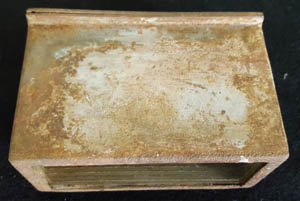
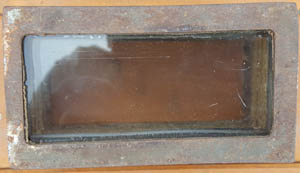
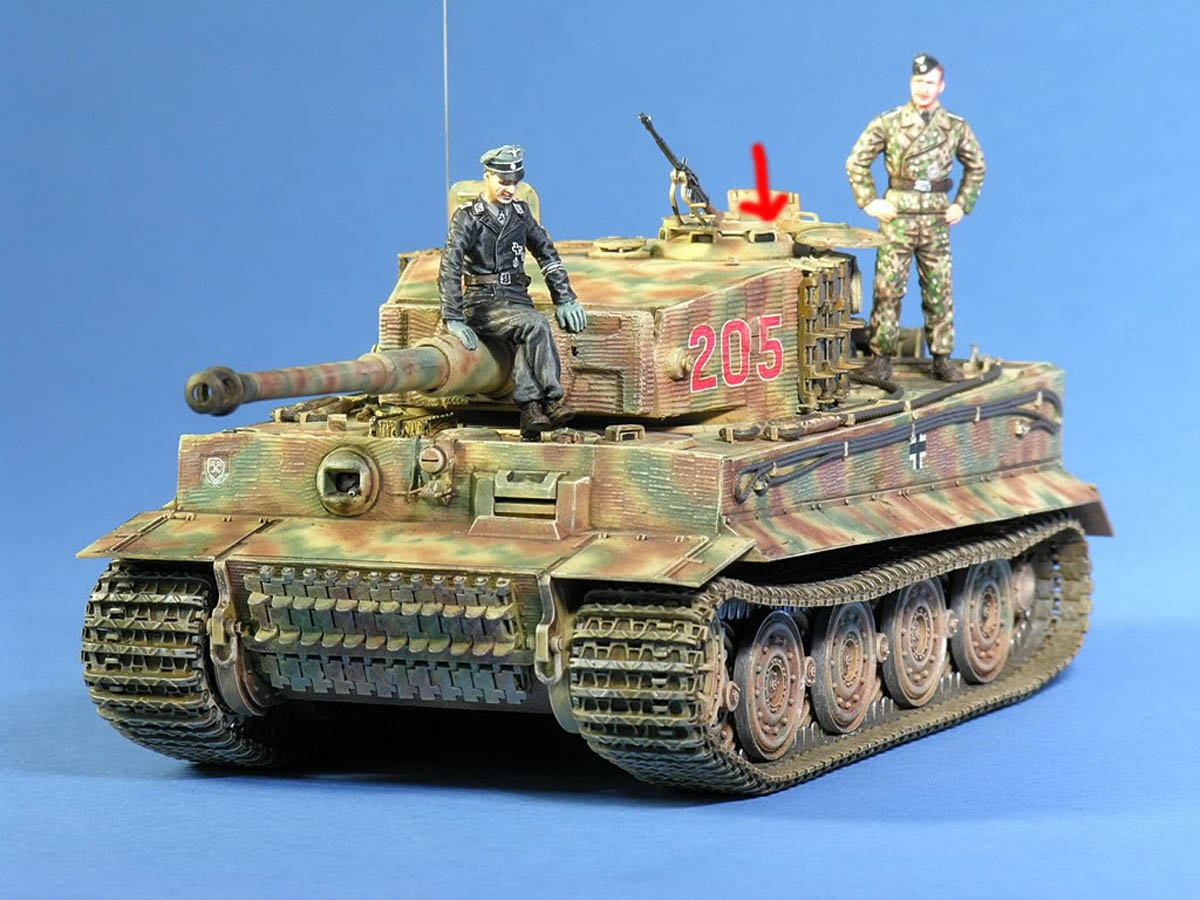
You can see the
position of the armoured window in the pictures under.
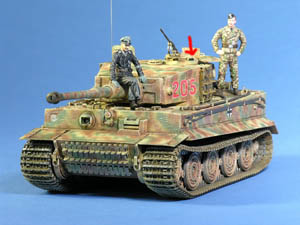
Click on pictures to enlarge
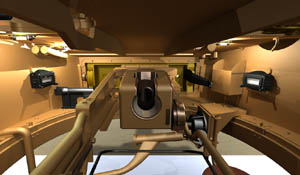
These are heavy
international buyers
contact me for shipping
quote.
£395
|
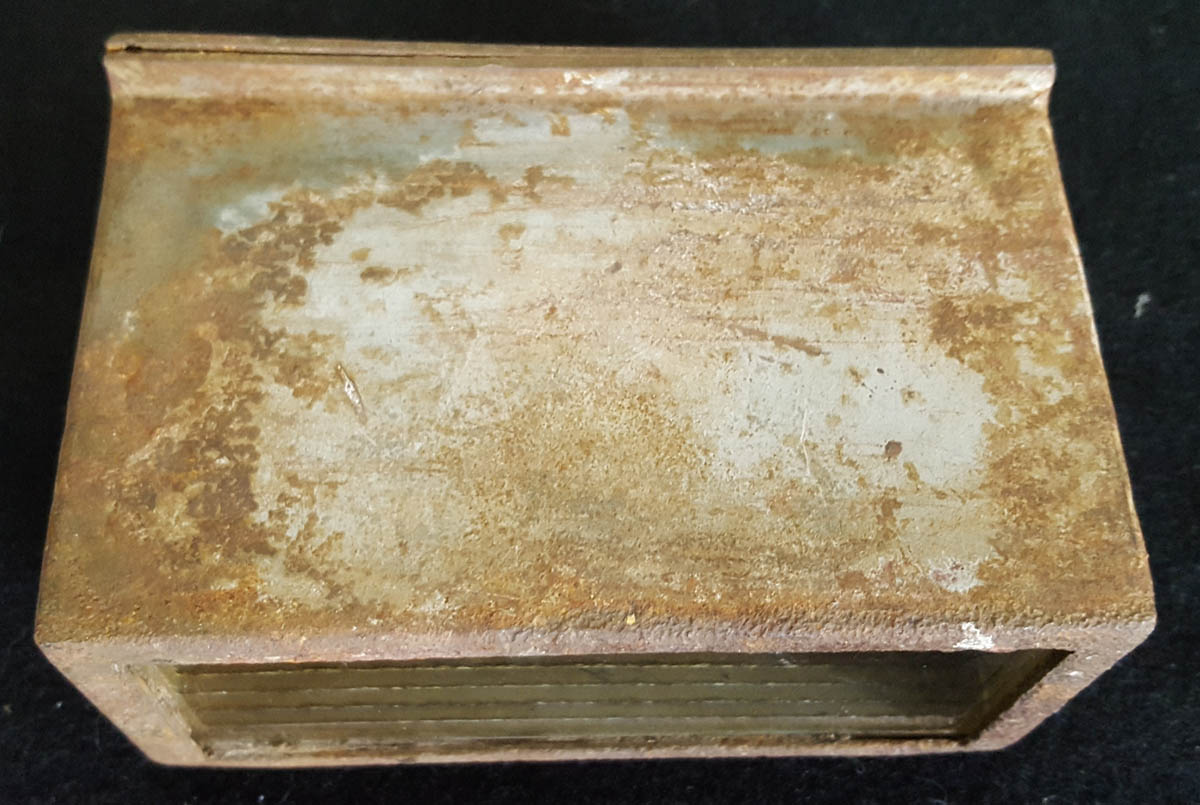
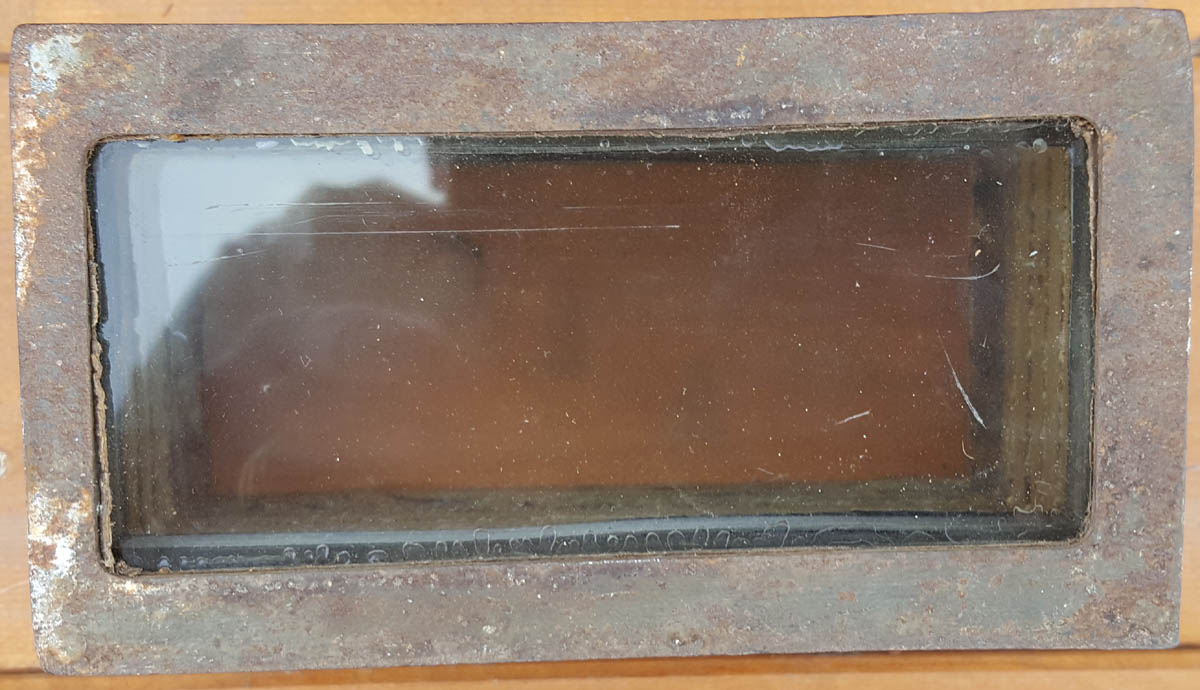
German Tiger Tank Armoured
Window Normandy (pg1 SAS )
This is a superb
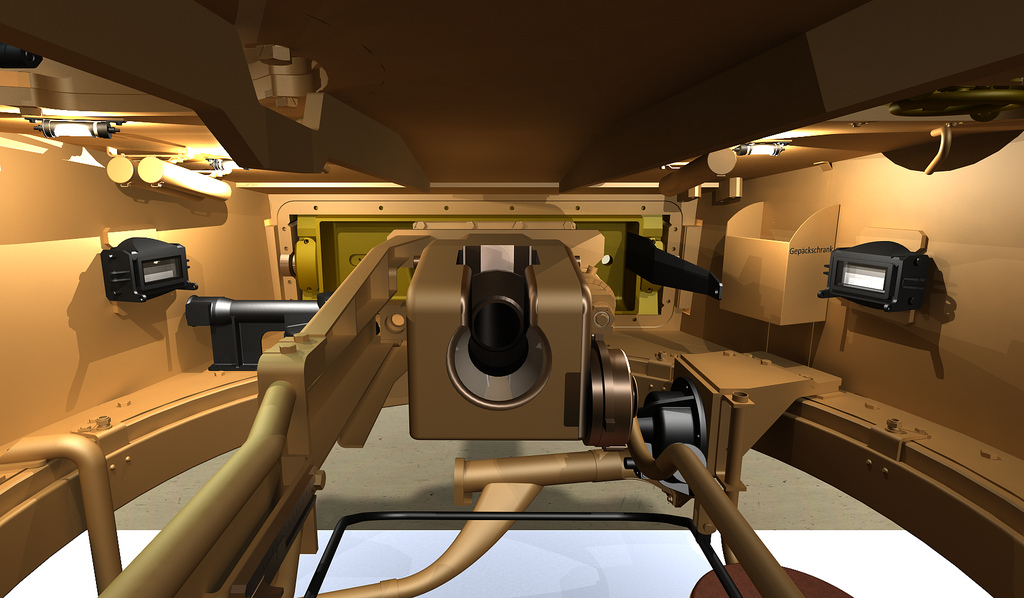
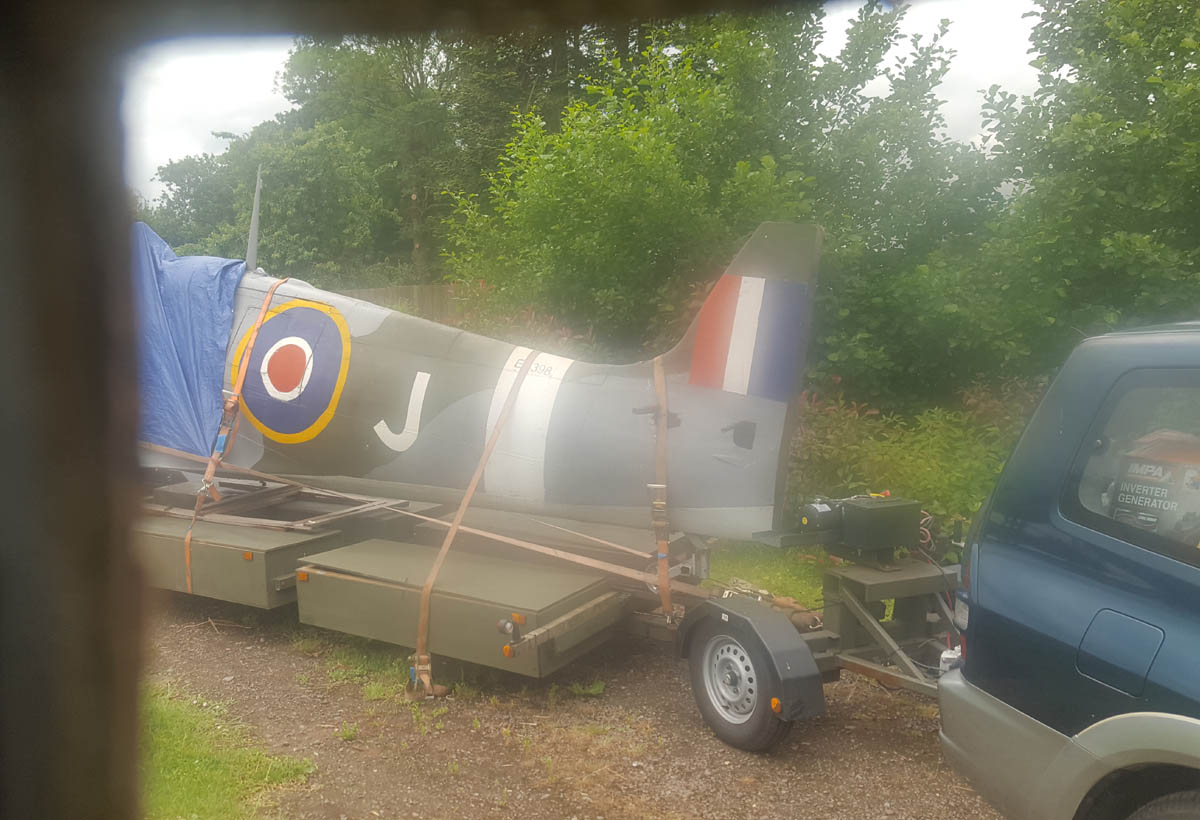
piece an armoured window from the legendary Tiger tank, this
piece was found in Normandy and almost certainly came
from one of Hitler's tank battalions held in reserve
who could possibly have repelled the invasion had they been
brought into action sooner. Apparently Hitler was asleep
when the invasion happened and his staff were too frightened
to wake him in time too get his personal order to release
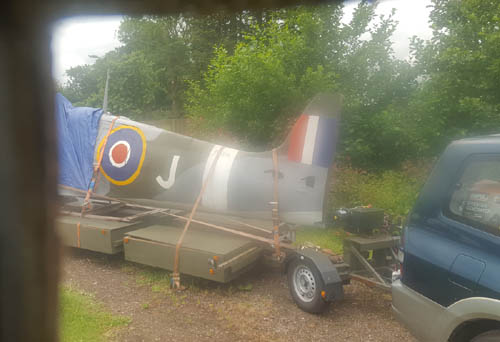
the tanks. The armoured glass is still intact and quite
clear the picture under was taken through the glass of our
Spitfire you can see it gives quite a wide field of vision.
Click on the pictures to
enlarge
Below the 101st SS Heavy Tank
Battalion., Normandy, 1944
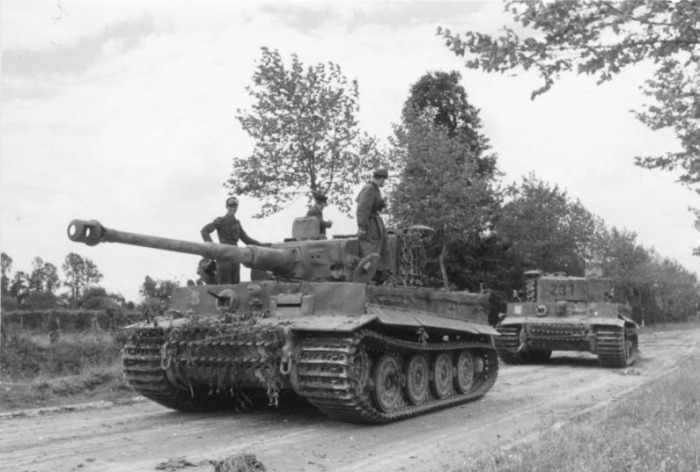
THE
PANZERKAMPFWAGEN
VI
or Tiger tank was never a common sight on the battlefields
of World War Two.
During the
roughly two years that the vehicle was in production, only
1,347 were built – a number that is lower than the
monthly
production figures for the M4 Sherman and Soviet T34 at
the height of the war. Any other fighting machine that was
produced in such limited numbers would be quickly forgotten,
but the Tiger’s impressive combat performance has left a
mark on history that far outweighs the tank’s strategic
significance.
Everything
about the Tiger was over-engineered (to an almost absurd
degree). Its 88-mm main gun was so formidable that shells
often blasted straight through enemy tanks and came out the
other side. Its amour was so thick a crew could more or less
park in front of an enemy anti-tank gun with little fear of
harm. Its engine was so powerful that the 54-ton hulk was
able to keep pace with tanks less than half its weight.
And in the
hands of an expert commander
a lone Tiger could knock out dozens of
enemy machines in a single engagement.
|
|
Click on pictures to enlarge
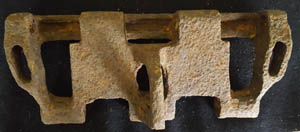
These are heavy
international buyers
contact me for shipping
quote.
£255
|
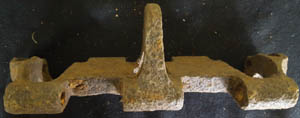
SS Totenkopf Panzer 4
Type 5B Track Link Modlin Warsaw (pg1 SAS )
This piece
was recovered from Modlin near Warsaw the scene of the
Warsaw uprising in August 1944. On the 1st of August , the
Polish Home army launched the Warsaw uprising. A column of
Totenkopf Tiger tanks were caught up in the fighting and
several were lost. The Totenkopf itself was not involved in
the suppression of the uprising instead guarding the front
lines, and fighting off several Red Army attacks into the
cities eastern suburbs. In several Battles near the town on
Modin in mid August the Totenkopf , fighting alongside the
5th SS panzer division Wiking and the Herman Goring Panzer
division destroyed the Soviet 3rd tank Korps. The terrain
around Modin was excellent for armour and the Totenkopf
Panzers exploited this too their advantage engaging Soviet
tanks from a range where the superiority of the German
optics and the 75mm high velocity gun gave the panzers the
edge over the Soviets T 34s.
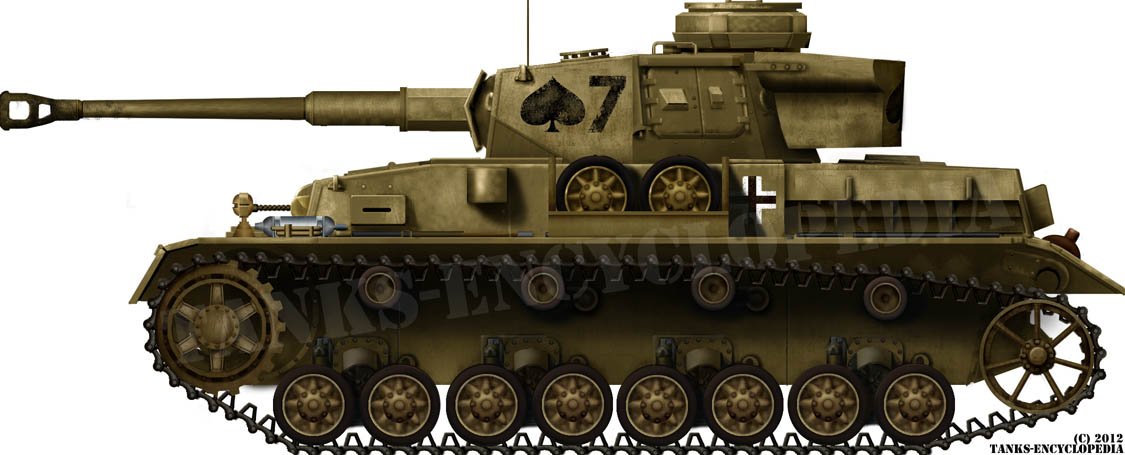
Seen under
the Panzer IV Tank
International
buyers
please contact me for
shipping quote |
|
Click on picture to enlarge
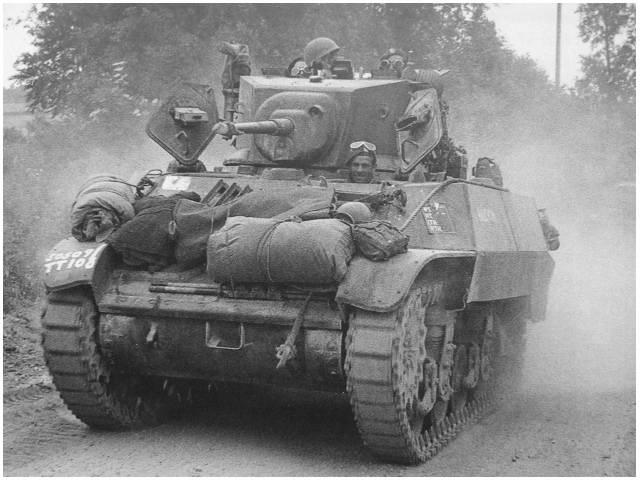
Stuart tank 7th armored div
1944
These are heavy
international buyers
contact me for shipping
quote.
£175
|
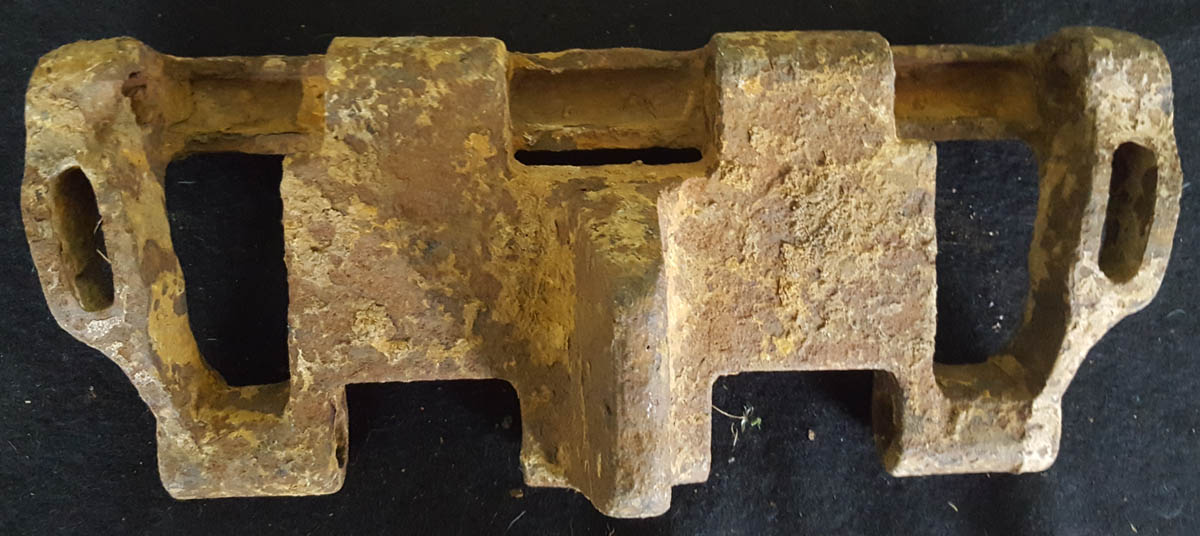
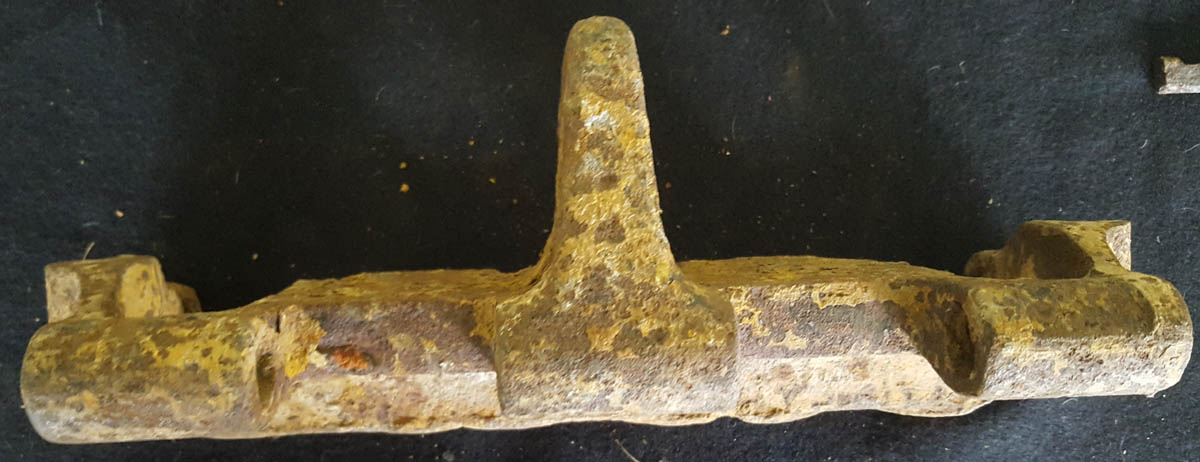
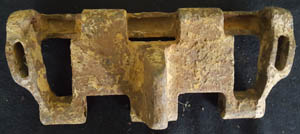
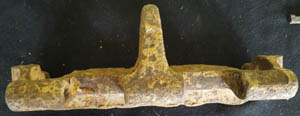
US Stuart Tank Track
Link Normandy (pg1 SAS )
Here is a track
link from a US Stuart tank this piece was found in Normandy
from the battle in the summer of 1945.
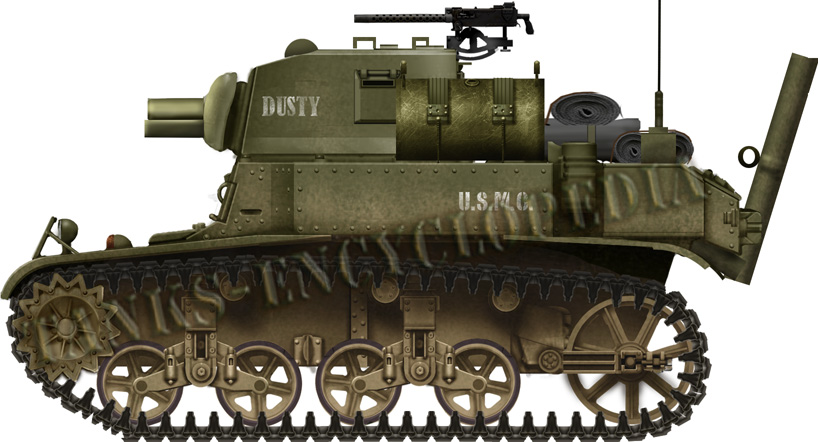
The United States Army began operating
the new Light Tank M3 vehicles in Mar 1941. Before the
Americans took them to combat, as the United States
would not enter WW2 until the end of that year, they
exported them to British and Commonwealth forces that were
already involved in war with Germany and Italy. The British
nicknamed these American light tanks General Stuart, after
the American Civil War general; 170 British General Stuart
light tanks took part in Operation Crusader in North Africa.
British tank crews complained of the ineffective
37-millimeter guns and the short range, although they were
liked for the high speed and mechanical reliability. After
mid-1942, the British largely kept them out of direct combat
missions, using them as reconnaissance, transport, and
command vehicles instead. The Russians also received M3
tanks; though they were put in use, the Russians generally
disliked these light tanks, citing logistical complications
with fuel (use of high octane fuel rather than the more
typical diesel usage among Russian tanks), engine
sensitivity of impurities in fuel, and use of narrow tracks
(which tend to sink into snow more often than tanks with
wider tracks).
Production of the M3 light
tanks lasted from Mar 1941 through Oct 1943. To alleviate
the demand on the aircraft industry, beginning in Oct 1943
the M3 design saw its use of aircraft radial engines change
to automobile engines made by Cadillac. This new variant,
designed M5, continued to be built through 1944. Over 25,000
vehicles were built during this time. M3 and M5 light tanks
remained in service in the United States through the
post-WW2 period, and were sold to countries friendly to the
United States, such as France, Nationalist China, and Tito's
partisan forces in Yugoslavia. |
|
Click on pictures to enlarge
 |
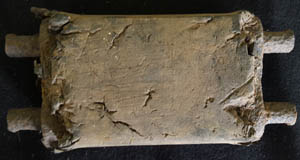
SS Totenkopf Panzer 4 type 5B track link Modlin Warsaw
2 (pg1 SAS )
This track is
the same as the above but in slightly better condition.
These are heavy
international buyers
contact me for shipping
quote.
£275
|
|
Click on pictures to enlarge
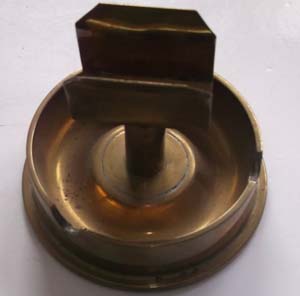 |
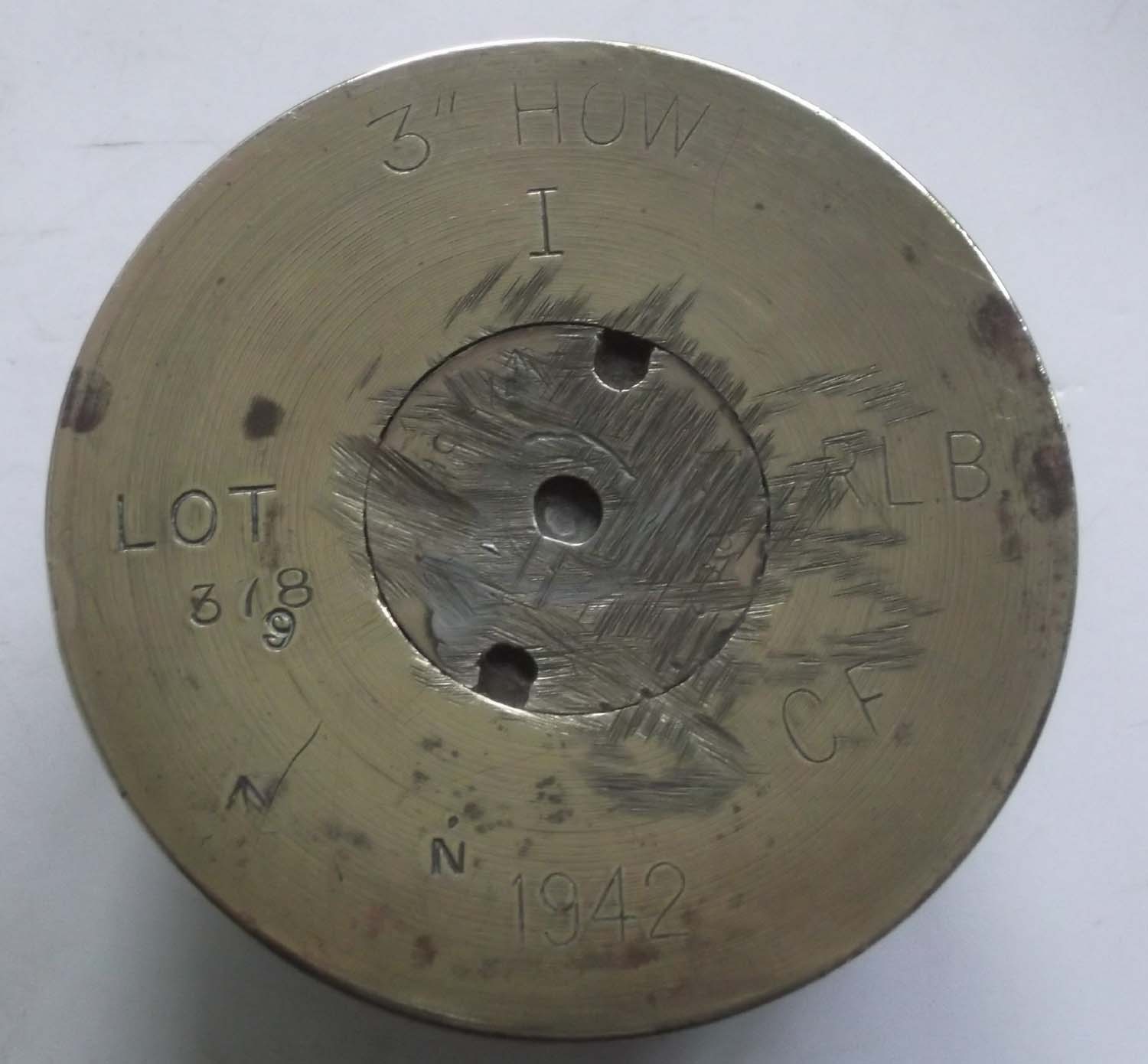
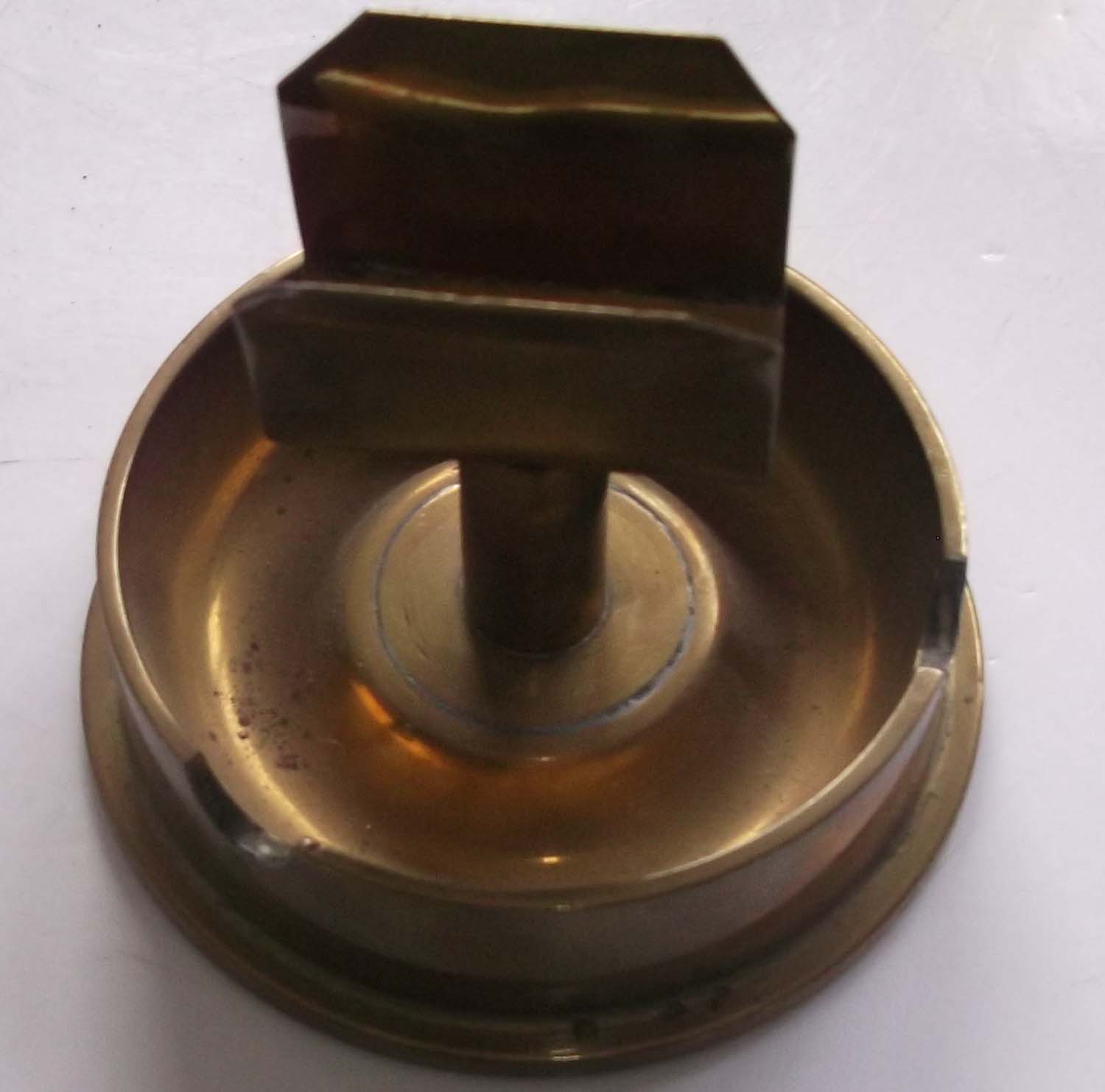
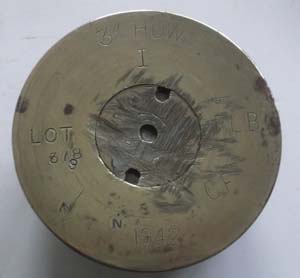
Trench art 3"Inch Howitzer shell ash tray (Pg 1 SAS)
A solid brass ash tray made from
a 3" Howitzer shell dated 1942.
1942
RESERVED
£75
|
|
Click on the pictures to enlarge.
Awaiting new
stock
|
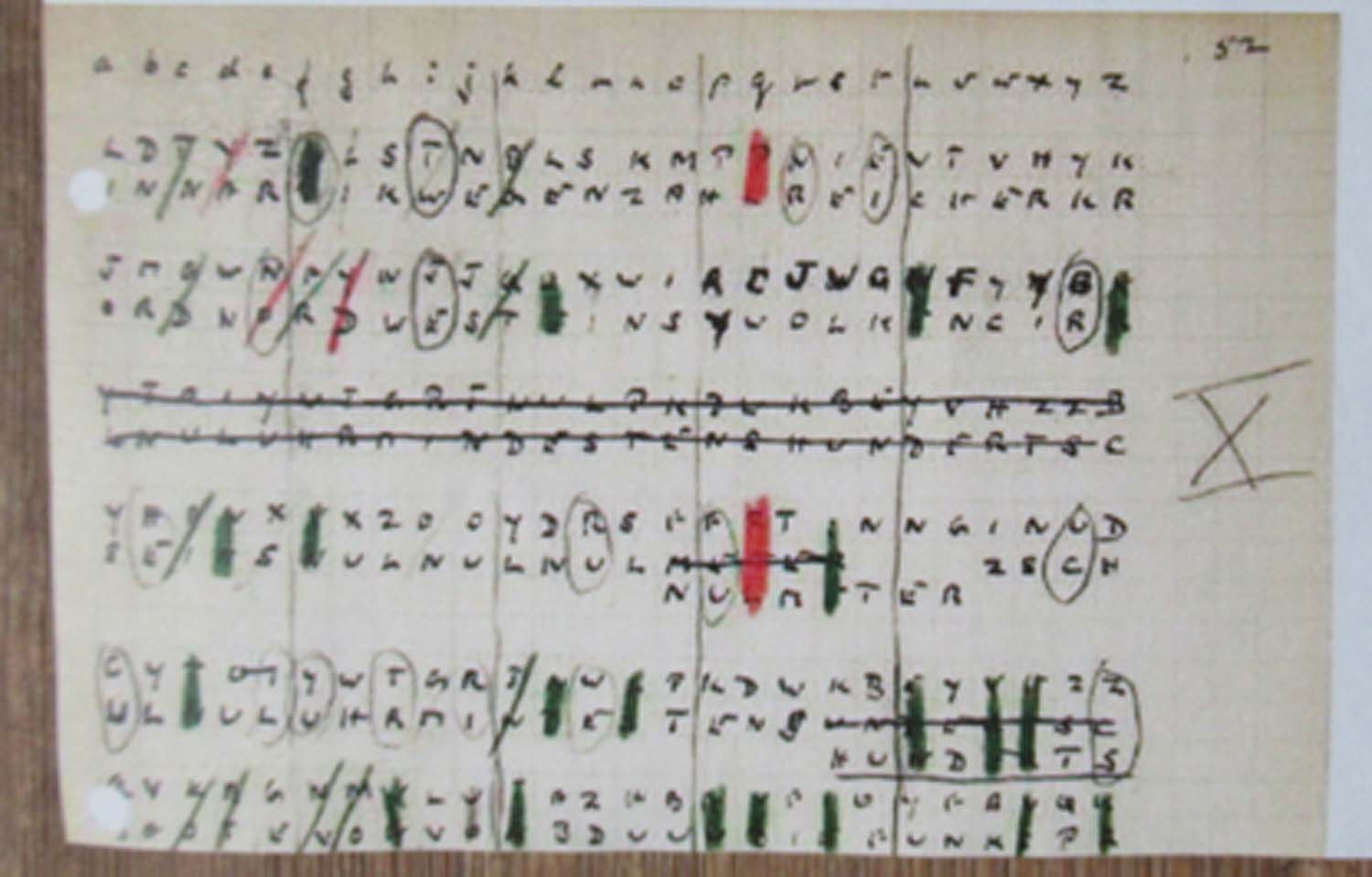
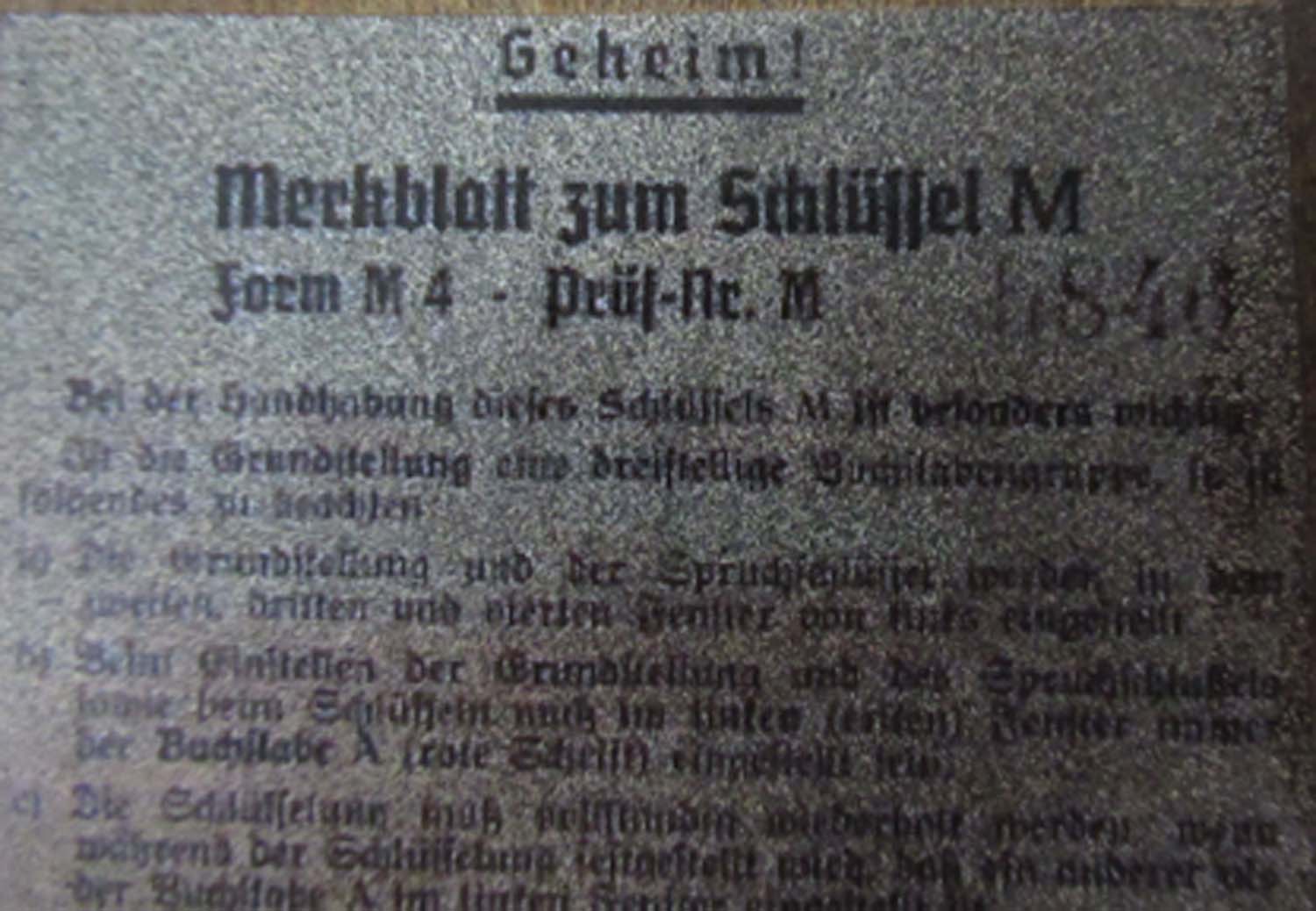
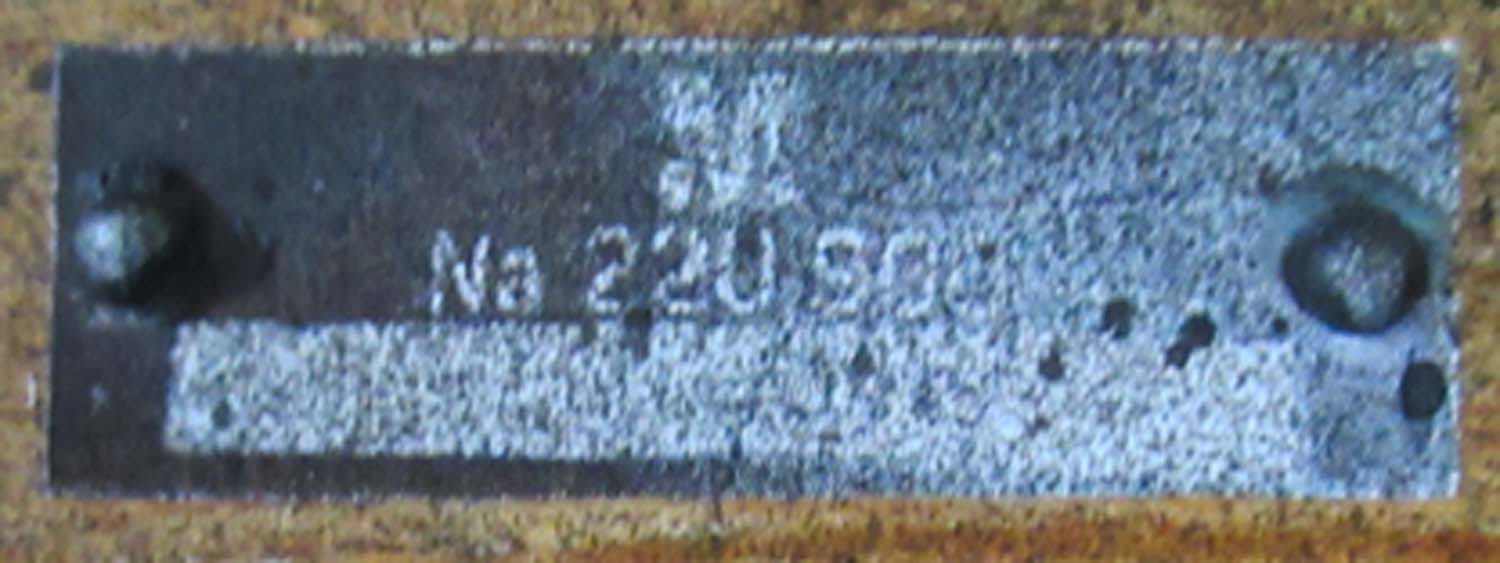
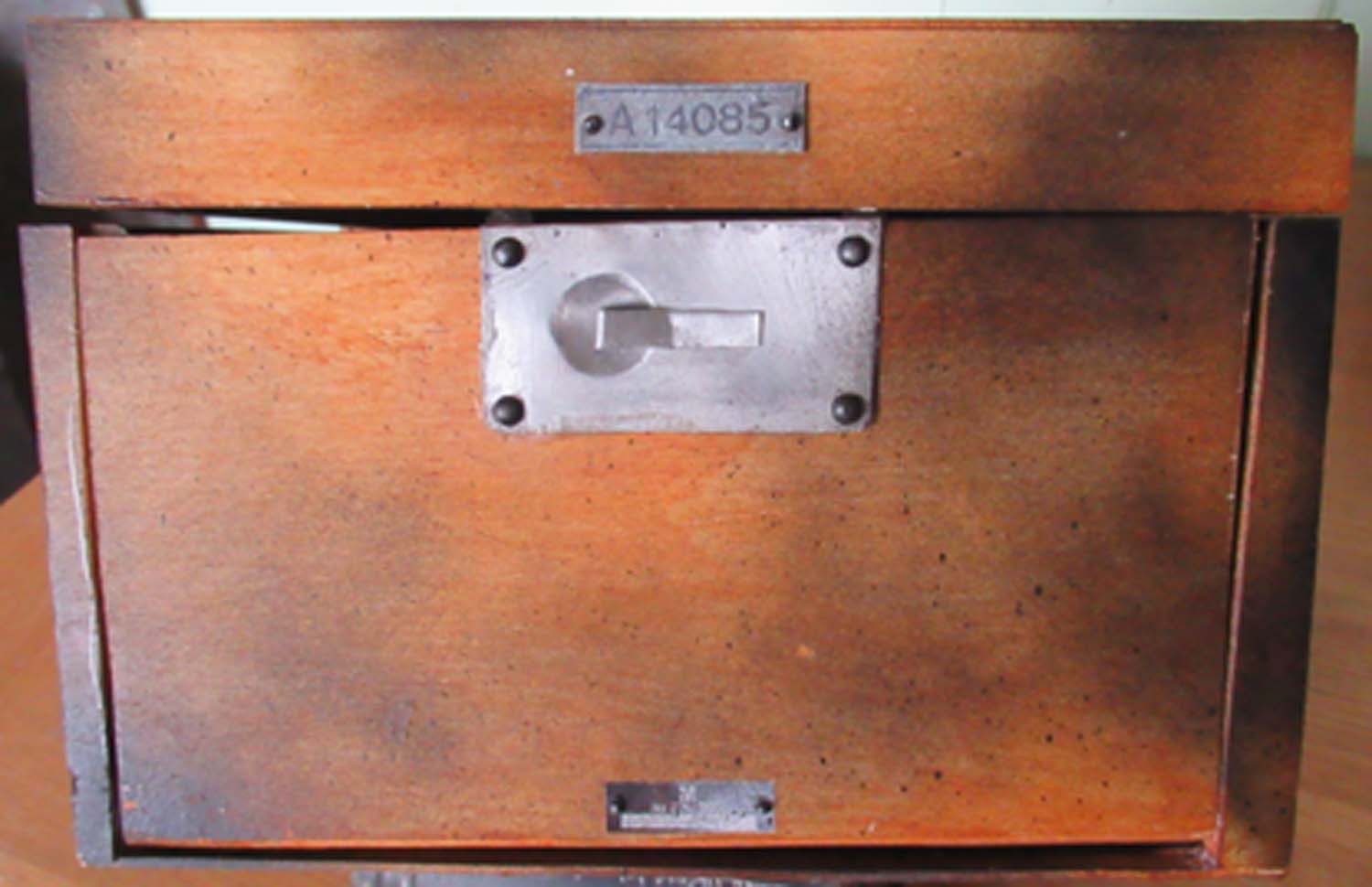
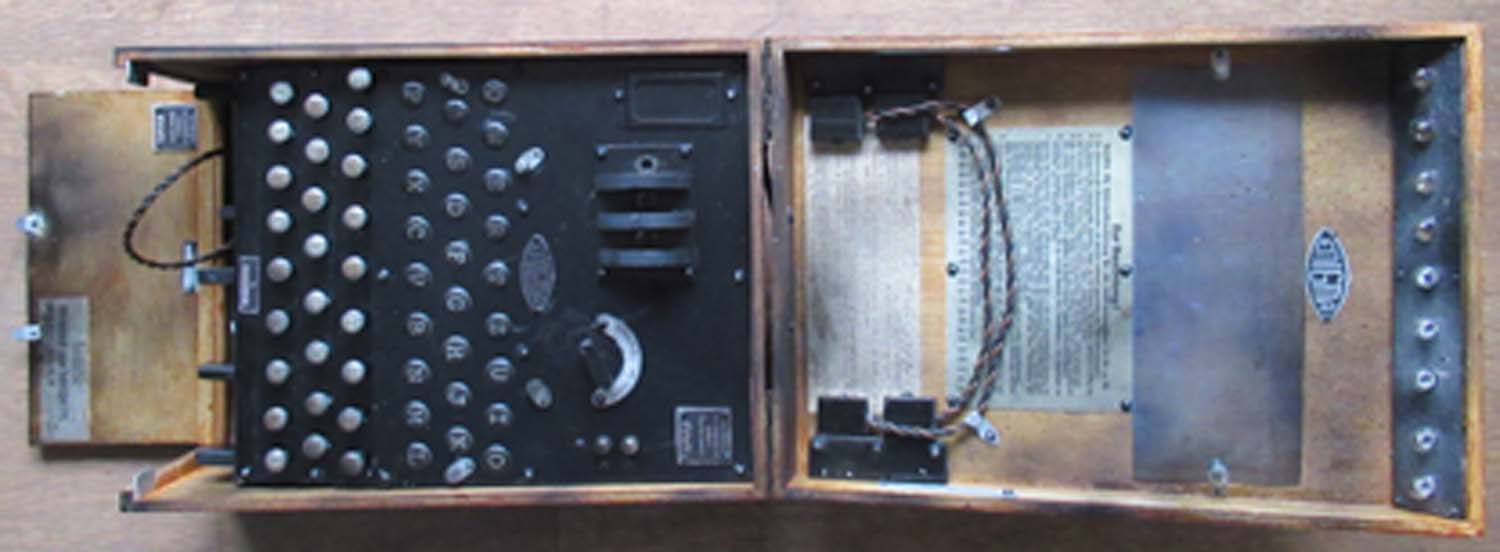
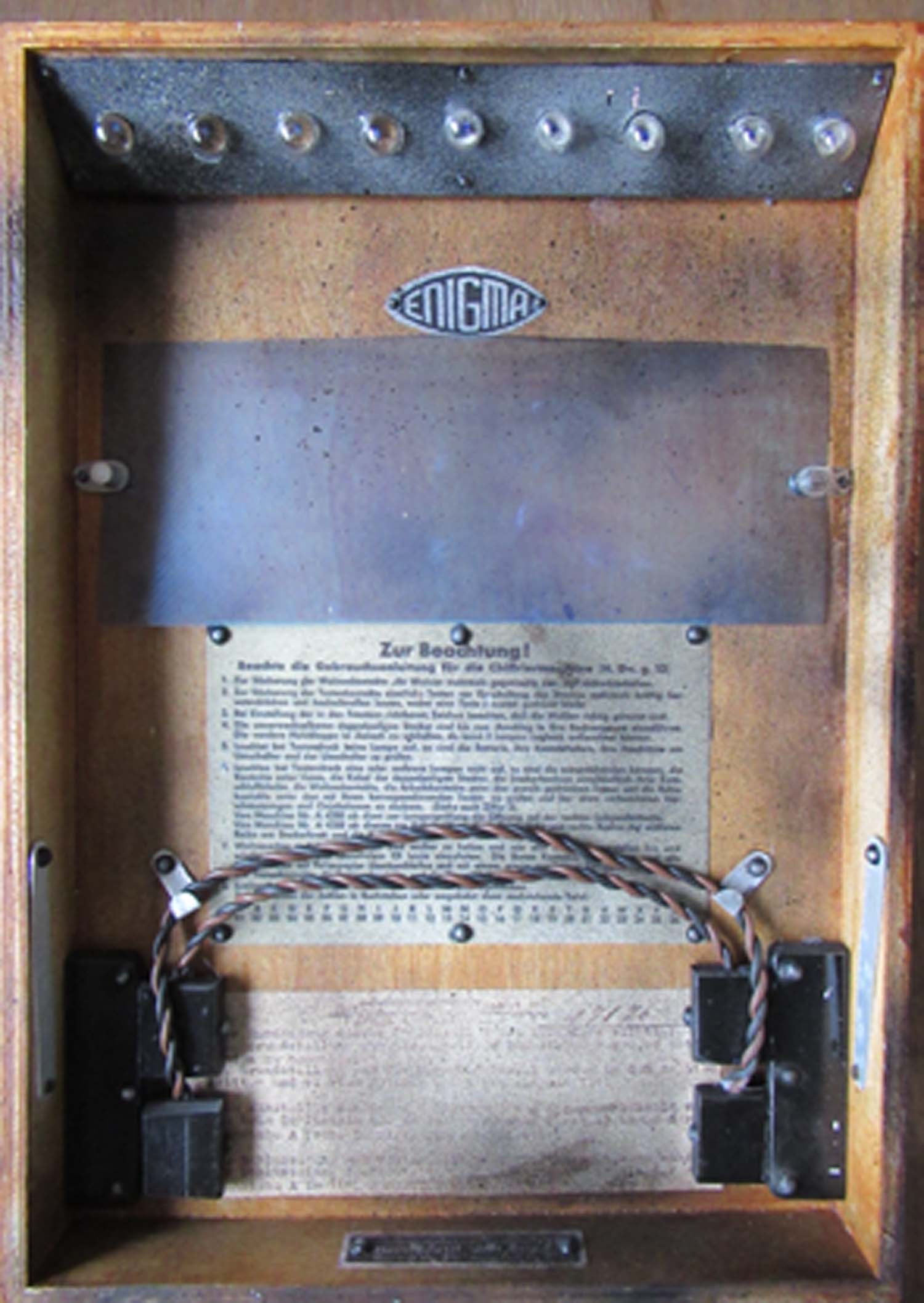
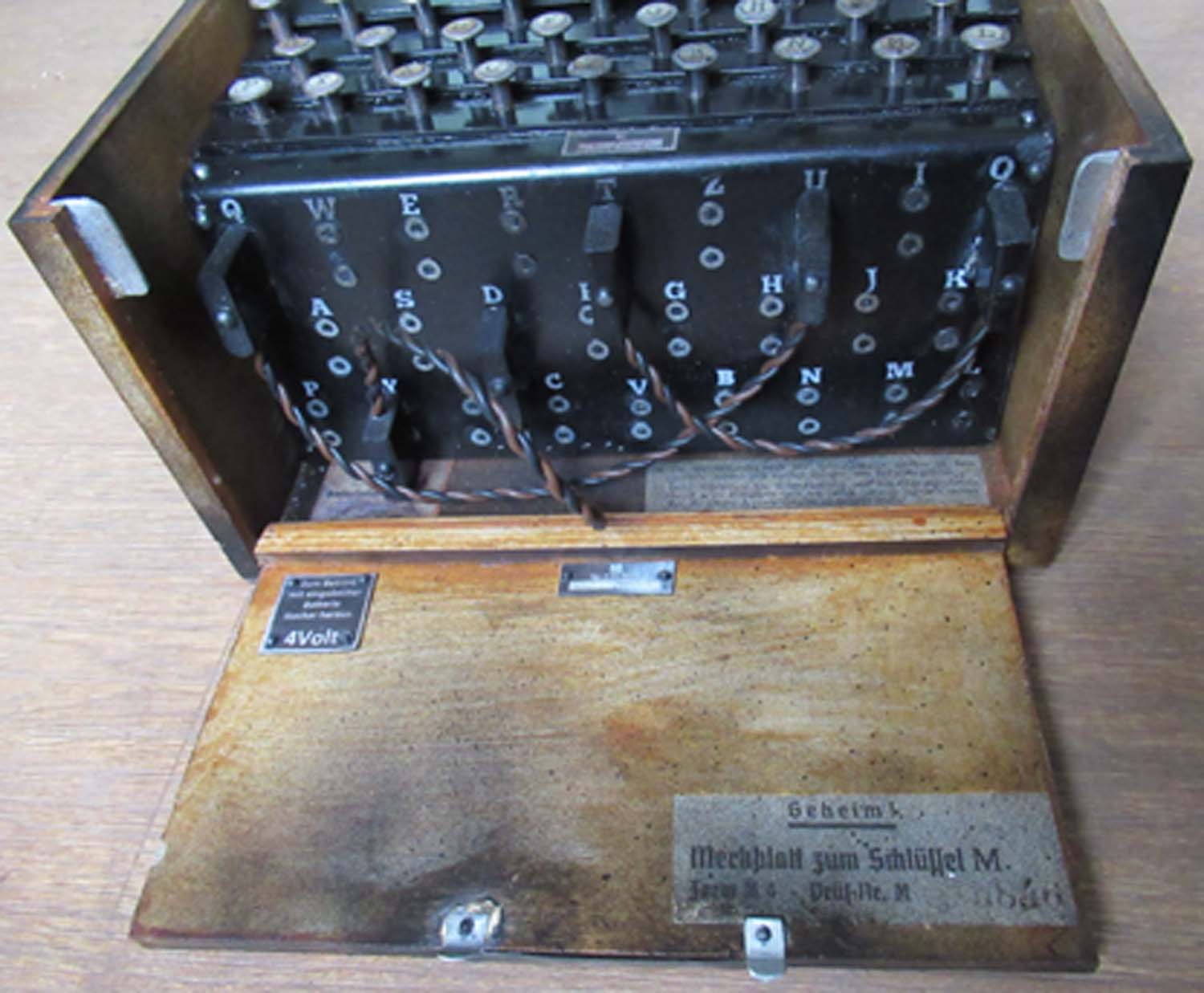
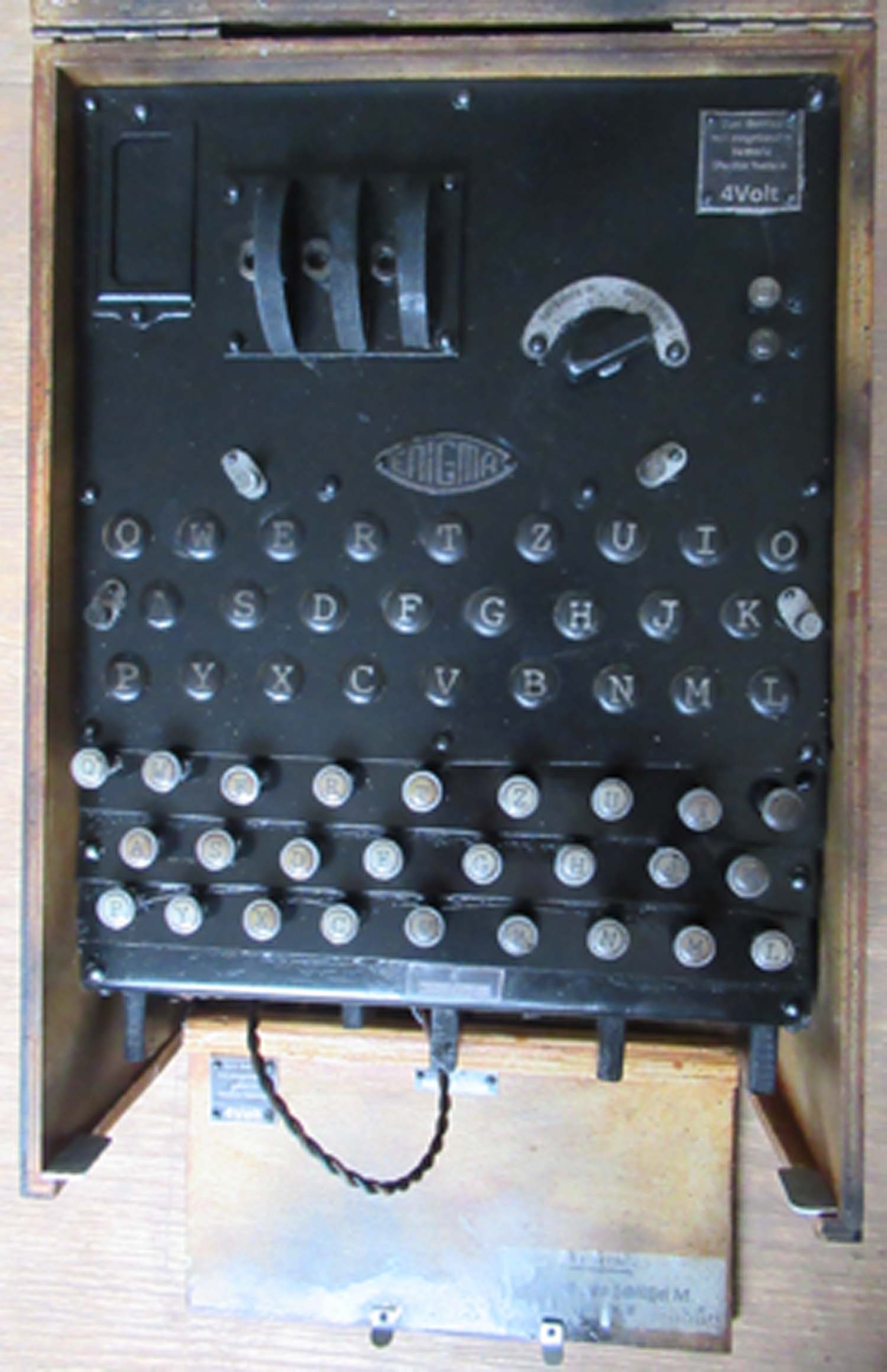
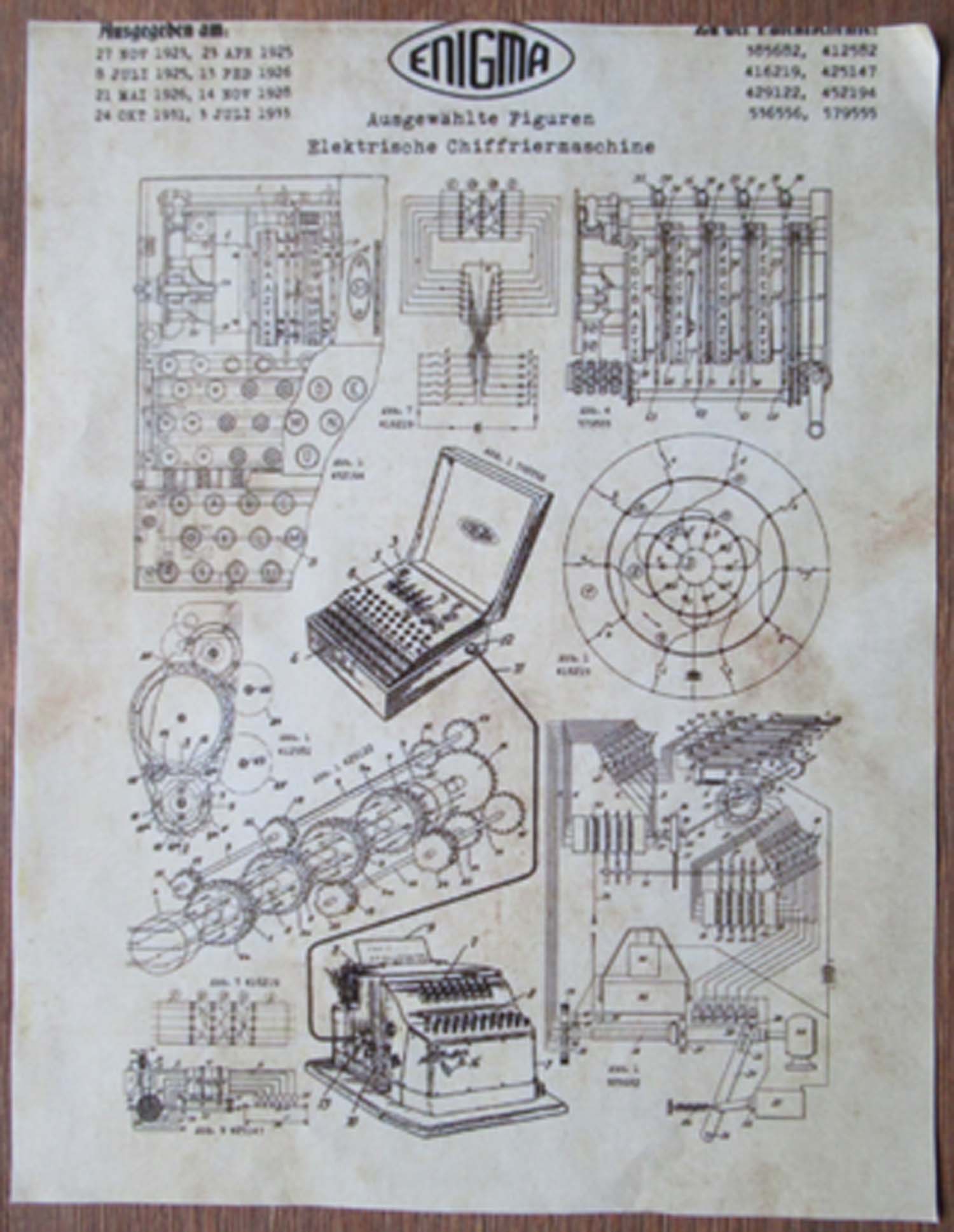
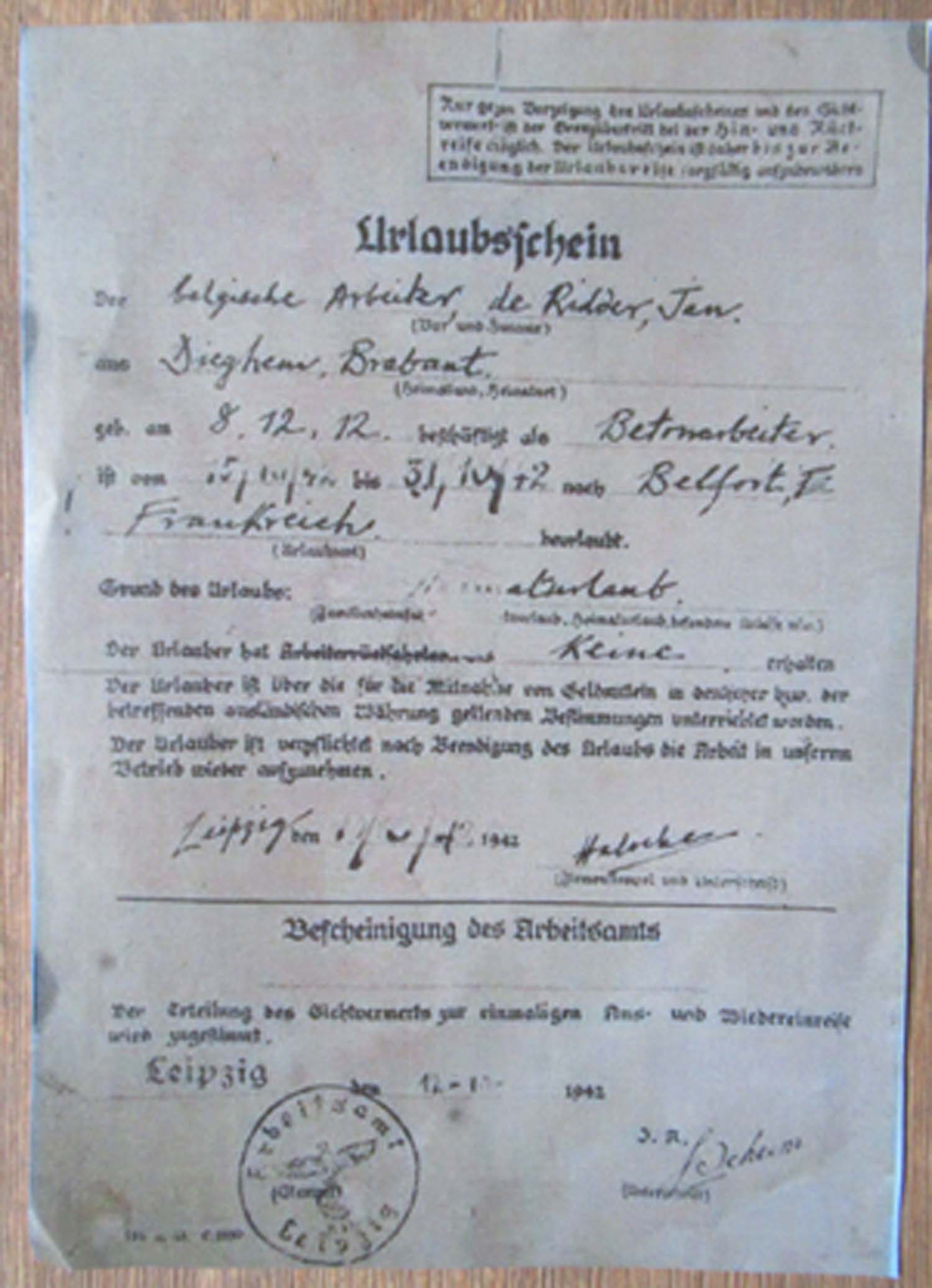
Enigma machine (pg1 SAS)
Here is a hand
made
reproduction
of an enigma machine
An Enigma
machine is
a famous encryption machine
used by the Germans during WWII to
transmit coded messages. This does not function and is for
display only although some of the keys light up when the
switch is turned. Comes complete with all the documents
shown.
An Enigma machine allows for
billions and billions of ways to encode a message, making it
incredibly difficult for other nations to crack German codes
during the war — for a time the code seemed unbreakable.
Alan Turing and
other researchers exploited a few weaknesses in the
implementation of the Enigma code and gained access to
German codebooks, and this allowed them to design a machine
called a Bombe
machine,
which helped to crack the most challenging versions of
Enigma.
Some historians believe that the
cracking of Enigma was the single most important victory by
the Allied powers during WWII.
Using information that they
decoded from the Germans, the Allies were able to prevent
many attacks.
However, to avoid Nazi suspicion that
they had insight to German communications, the Allies had to
allow some attacks to be carried out despite the fact that
they had the knowledge to stop them.
Click on the pictures to enlarge.
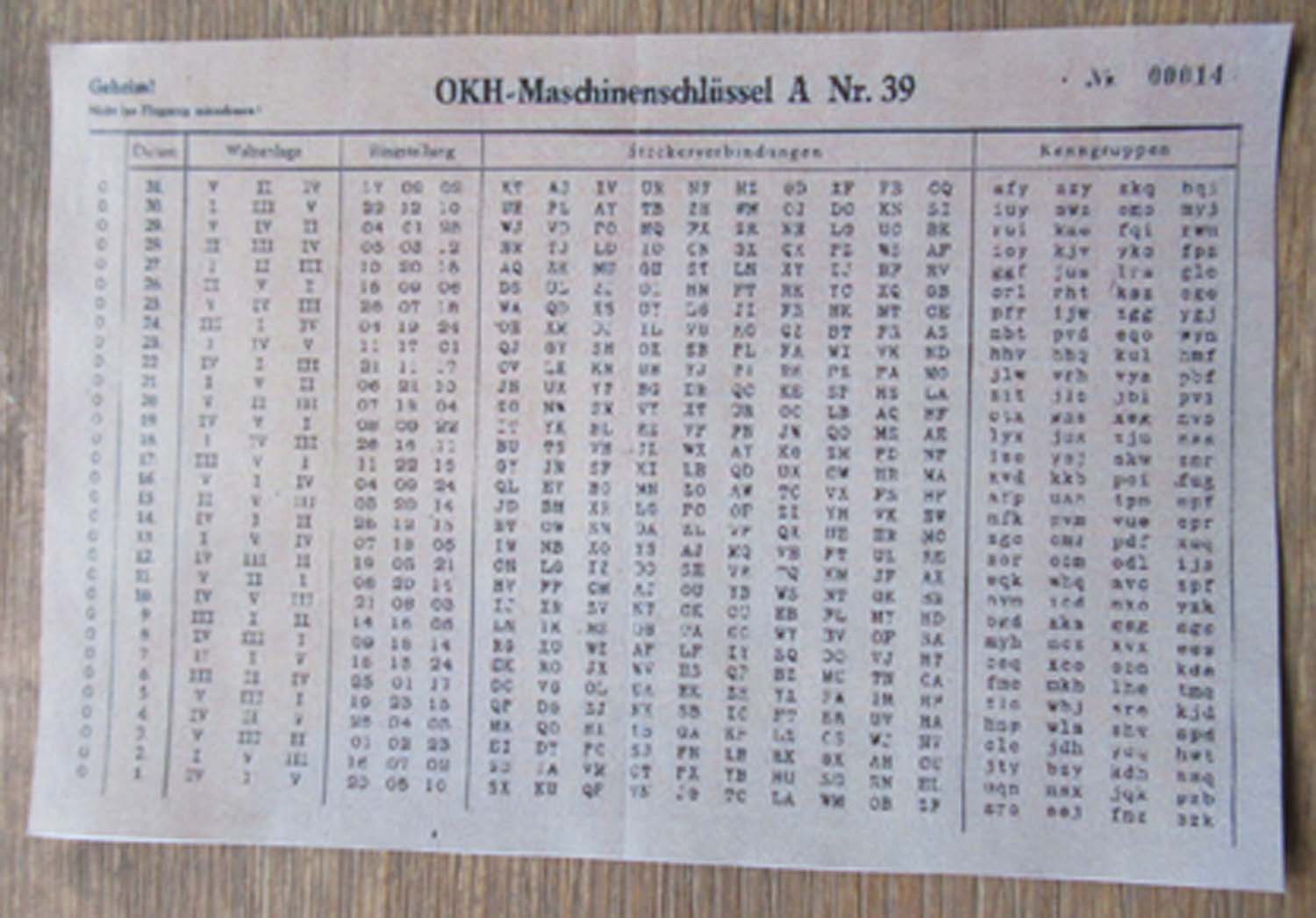
International buyers should
contact me for a shipping
quote .
|
|
Click on the
pictures to enlarge them
|
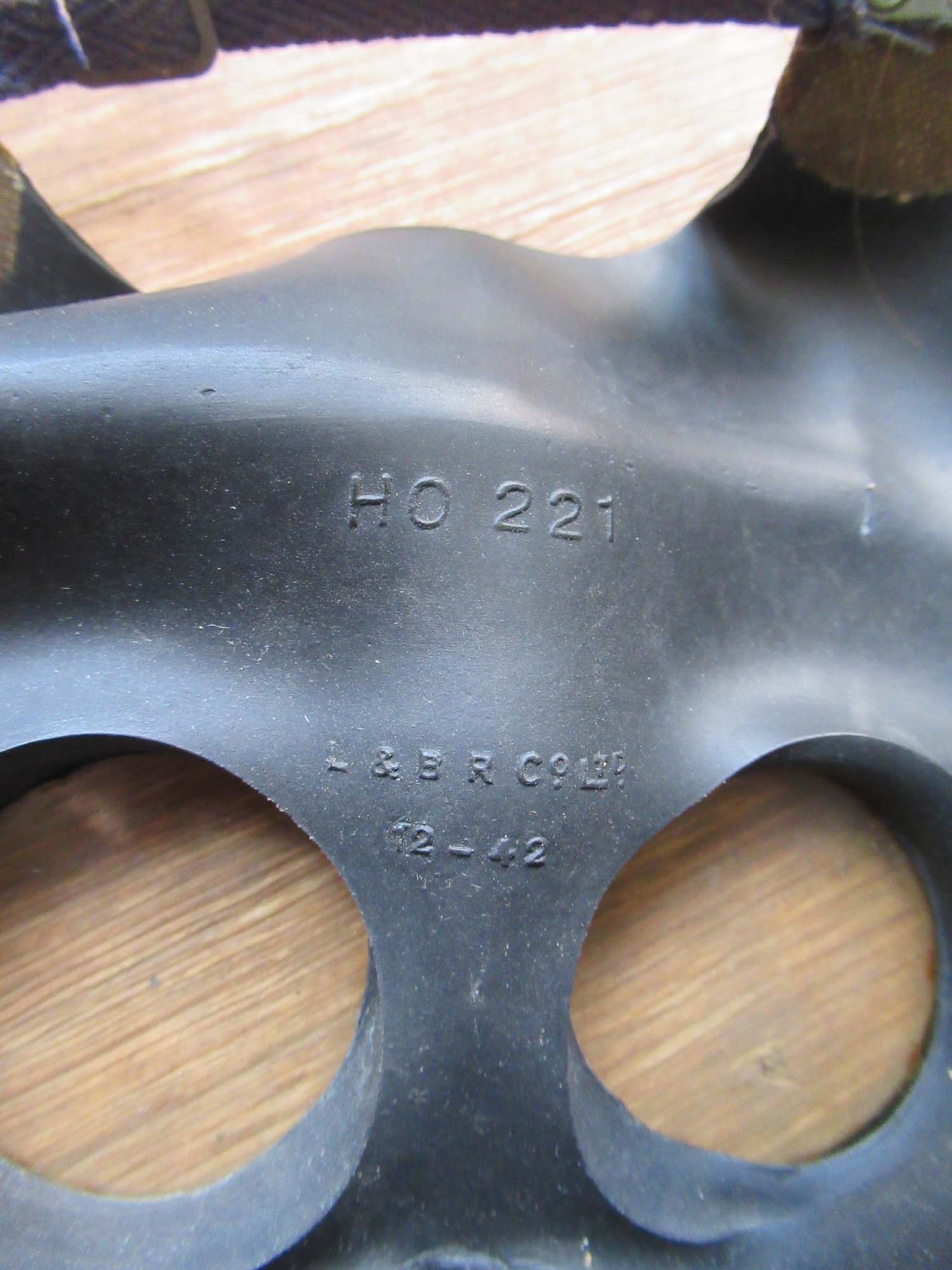
WW2 Gas
Mask (pg1 SAS)
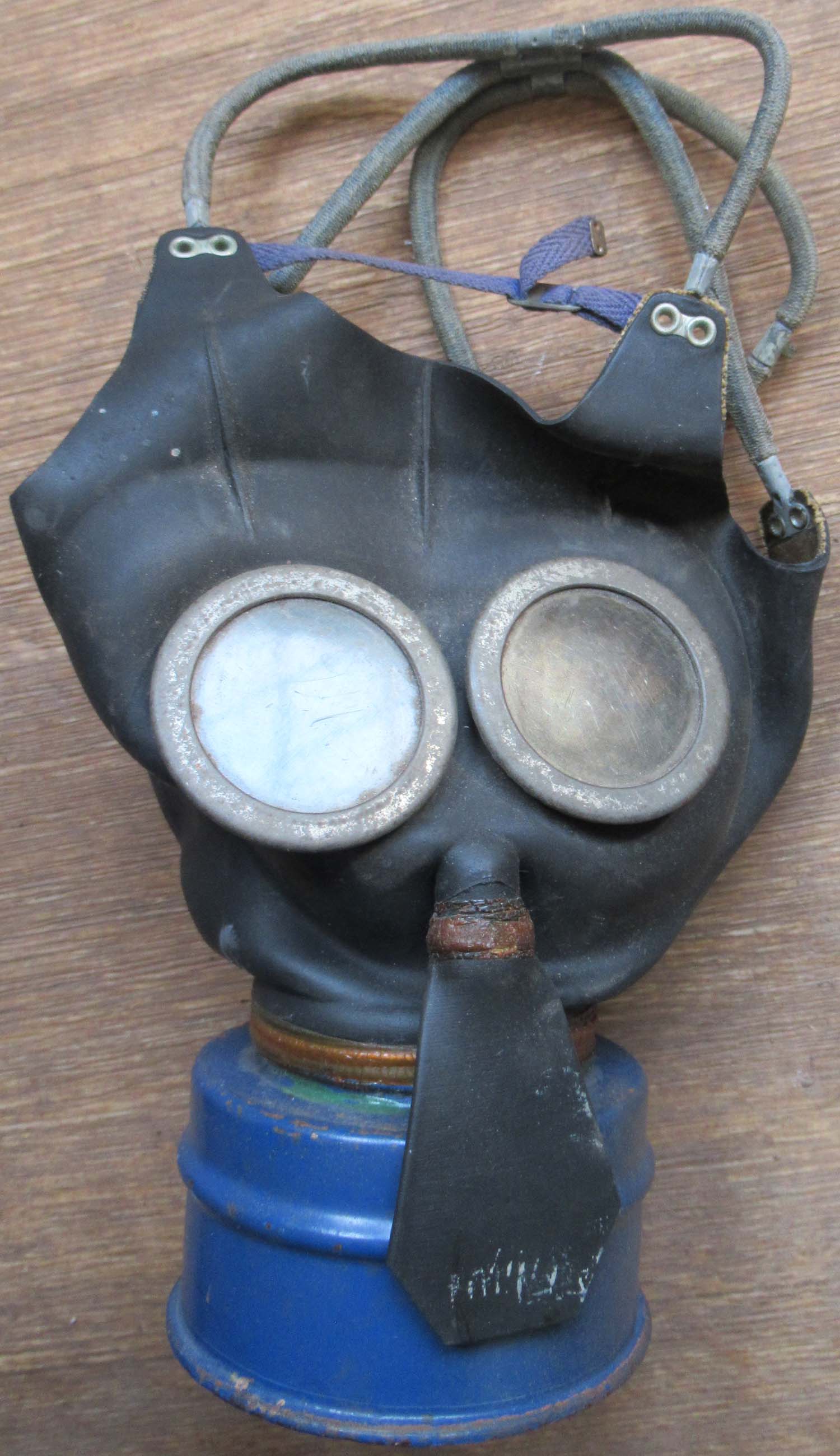
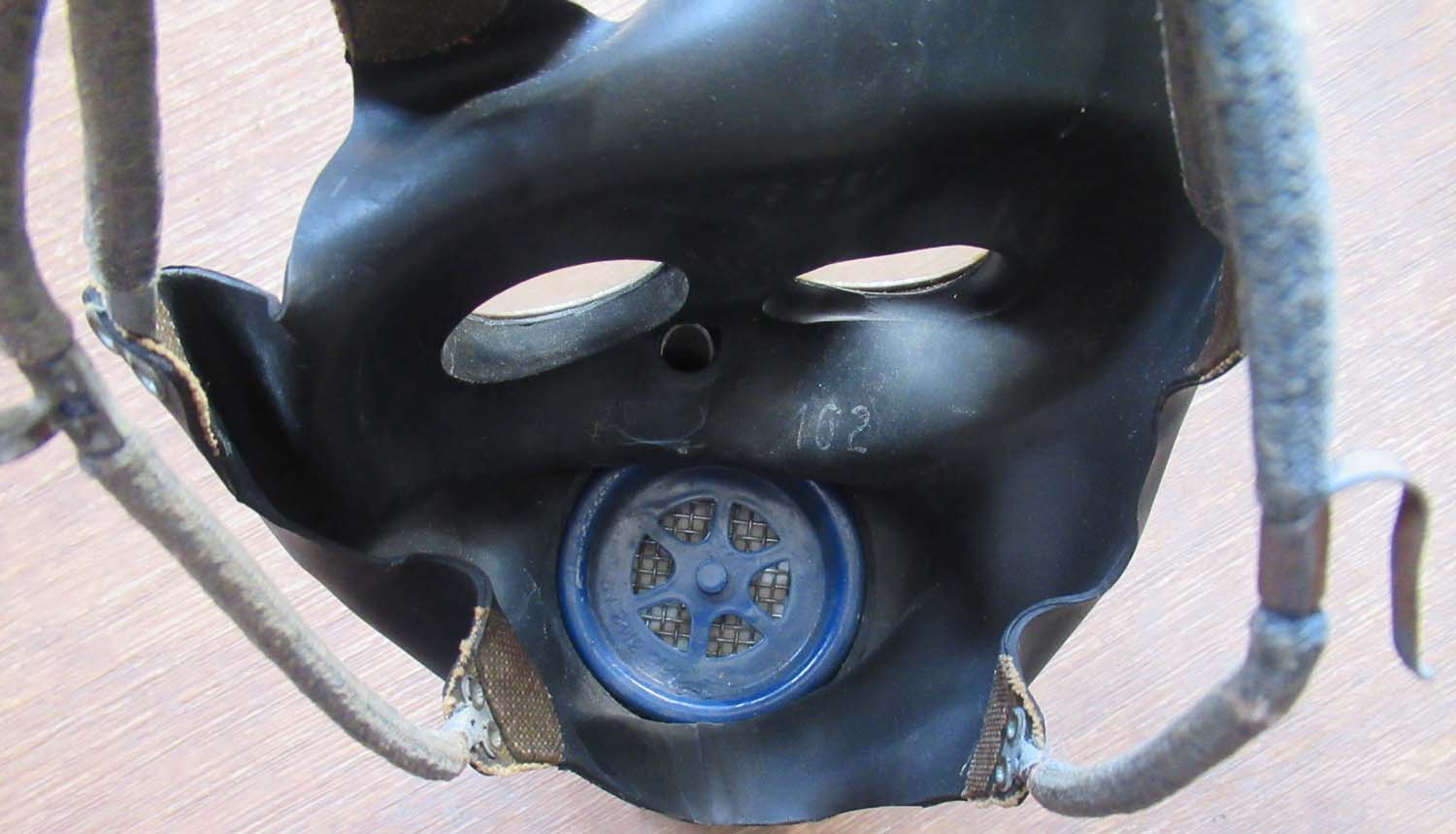
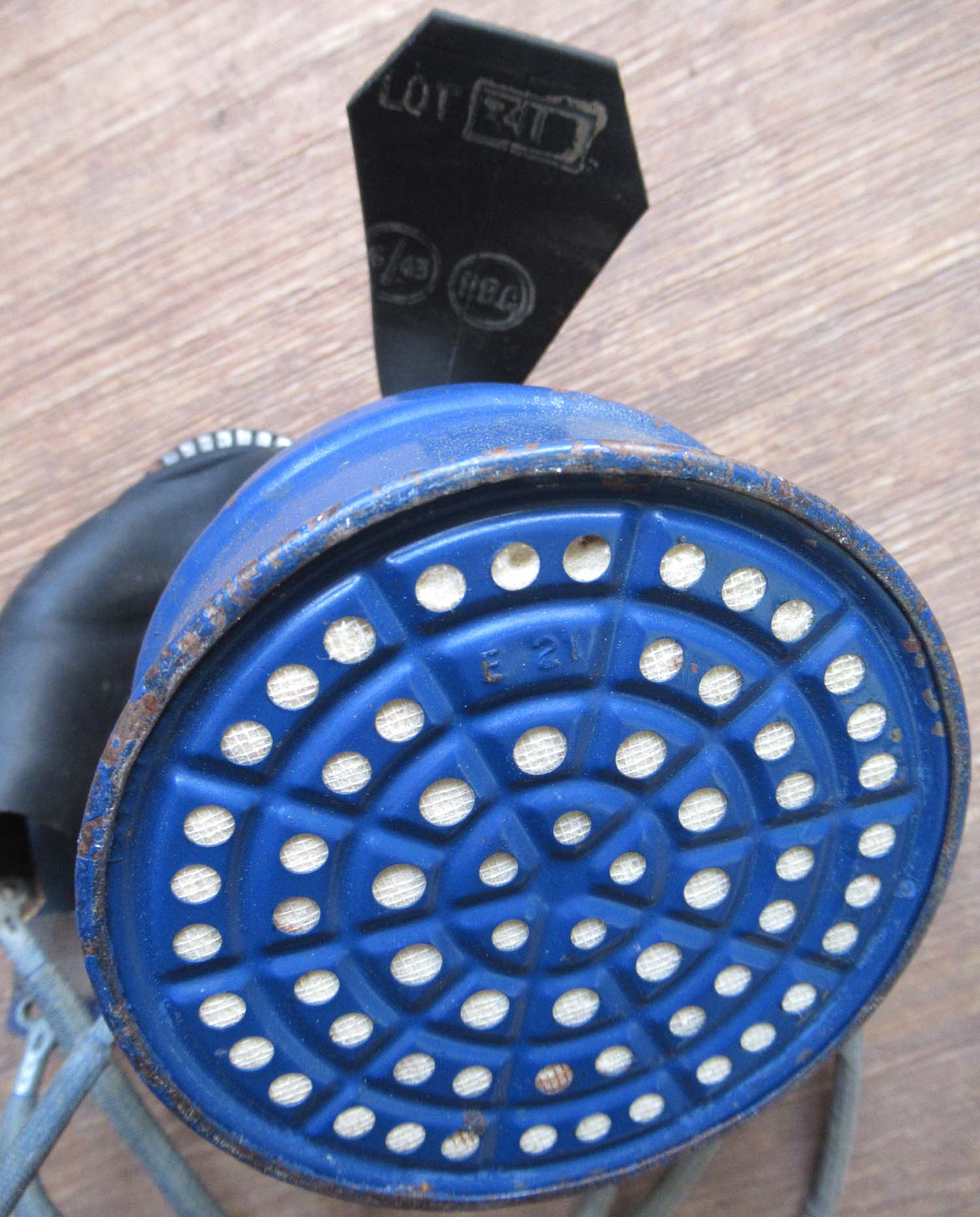
Here we have a WW2 gas mask
by L & B R Co Ltd.
HO 221
12 - 42
162
4/43
Click on the
pictures to enlarge them
Sorry now out of
stock more wanted please
contact me |
|
Click on pictures to enlarge
 |
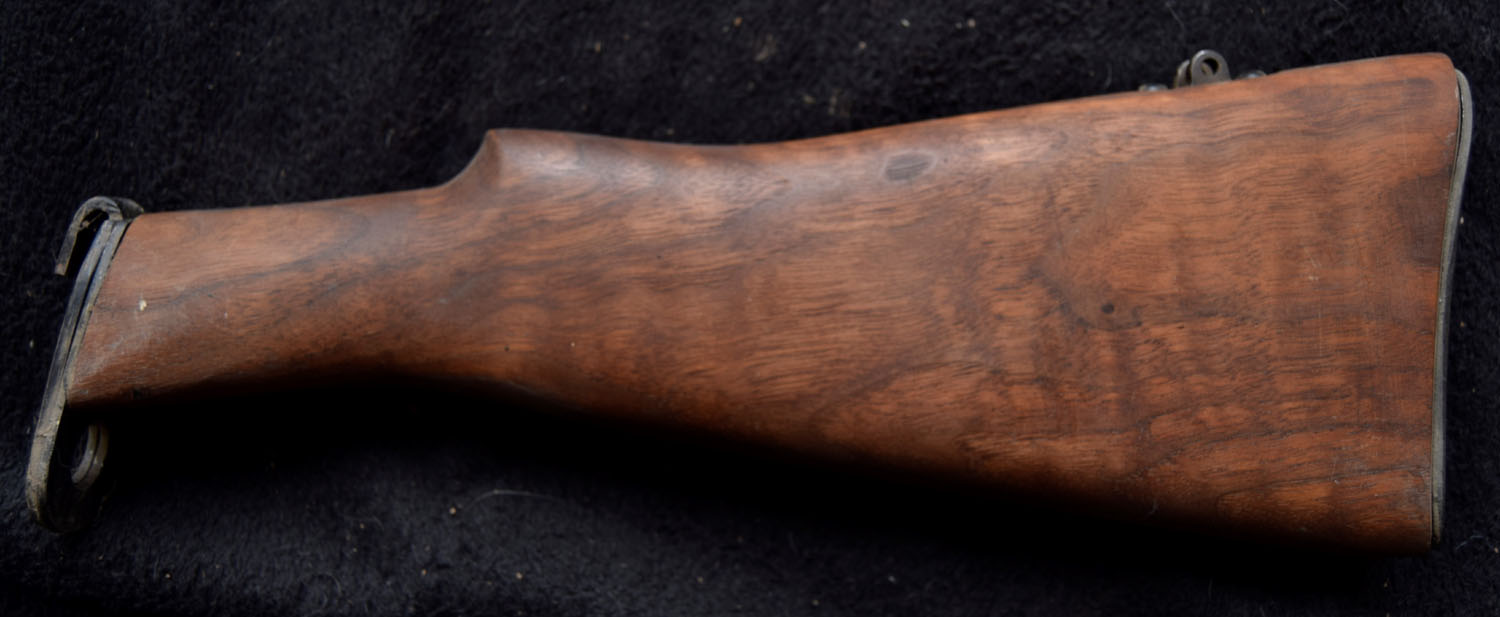
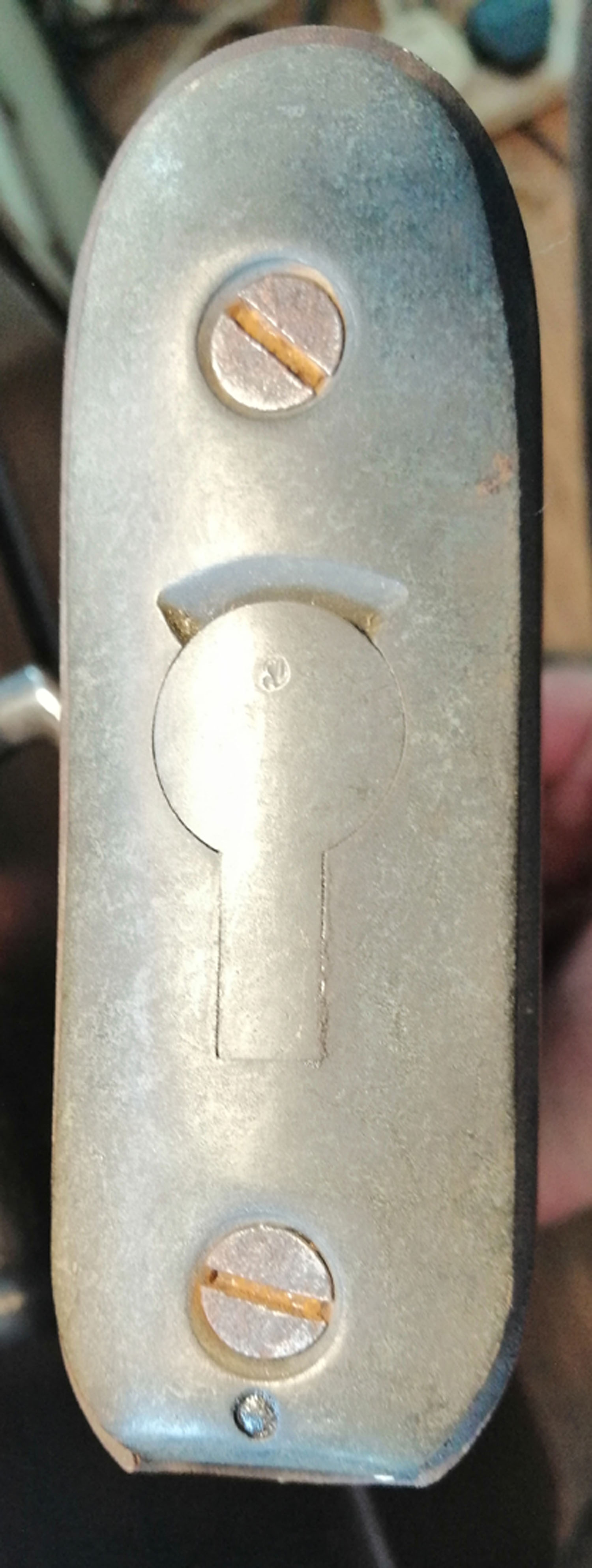
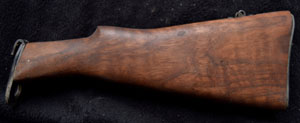
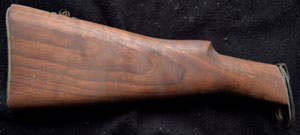
Wooden Gun Stock
For Sten Gun (pg1 SAS) Here
is an original Gun Stock for a Sten gun in good original
condition. Please note this is just the wooden stock the Gun
is not included.


Click on pictures to enlarge
Out of stock
|
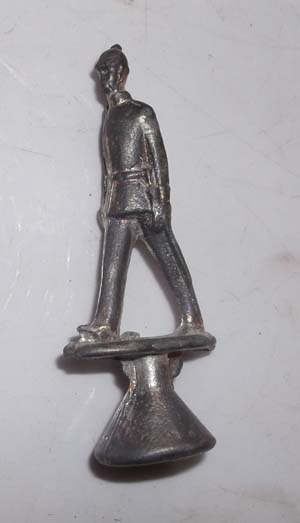 |
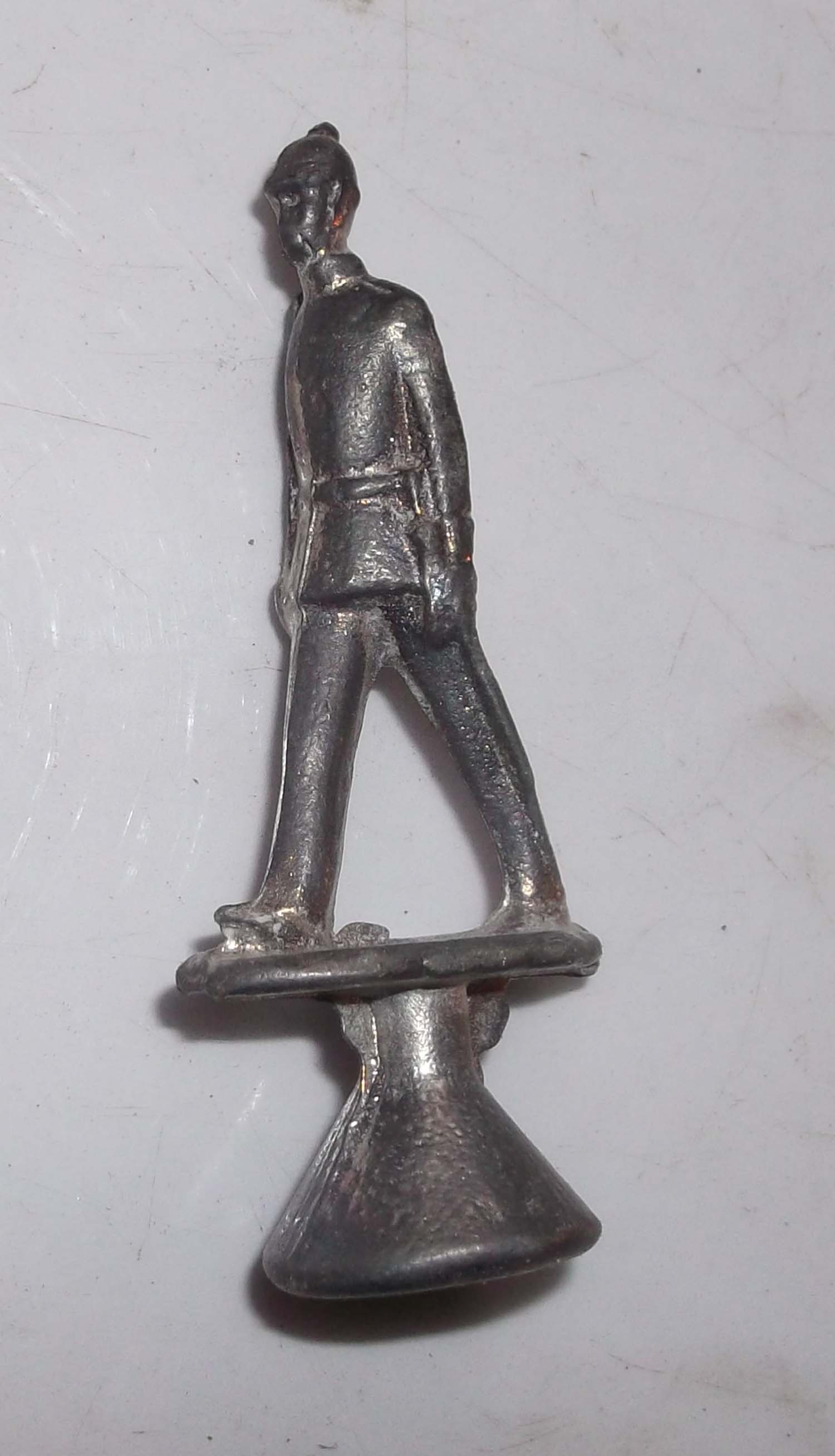
Ypres Shrapnel Soldier (pg1 SAS)
This is a model German soldier made from a piece of shrapnel
recovered from the Ypres area. 55mm tall.
Out of stock |
|
Click on pictures to enlarge


|
1940 dated pair of hip flasks John and Eric Troon (pg1 SAS)
Here we have a nice matching
pair of 1940 dated 12 oz hip flasks presumably owned by two
brothers John Troon and Eric Troon. perhaps given as a
gift before going off to war.
Click on pictures to enlarge


One has a dent. Would make a
great project to research these two brothers and hopefully
find out their history.
Out of stock
more wanted please
contact me |