|
Click on pictures to enlarge

 |
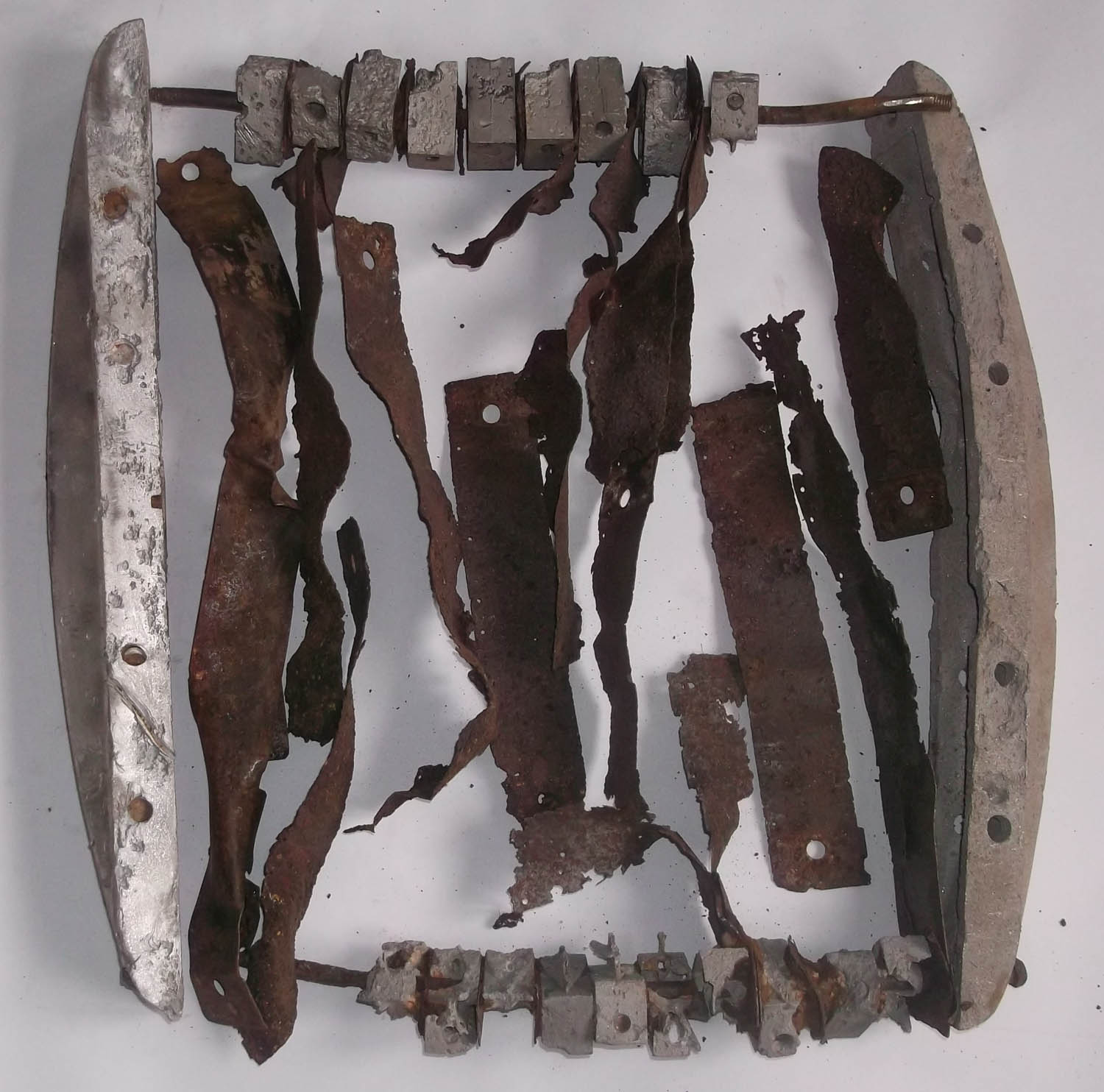
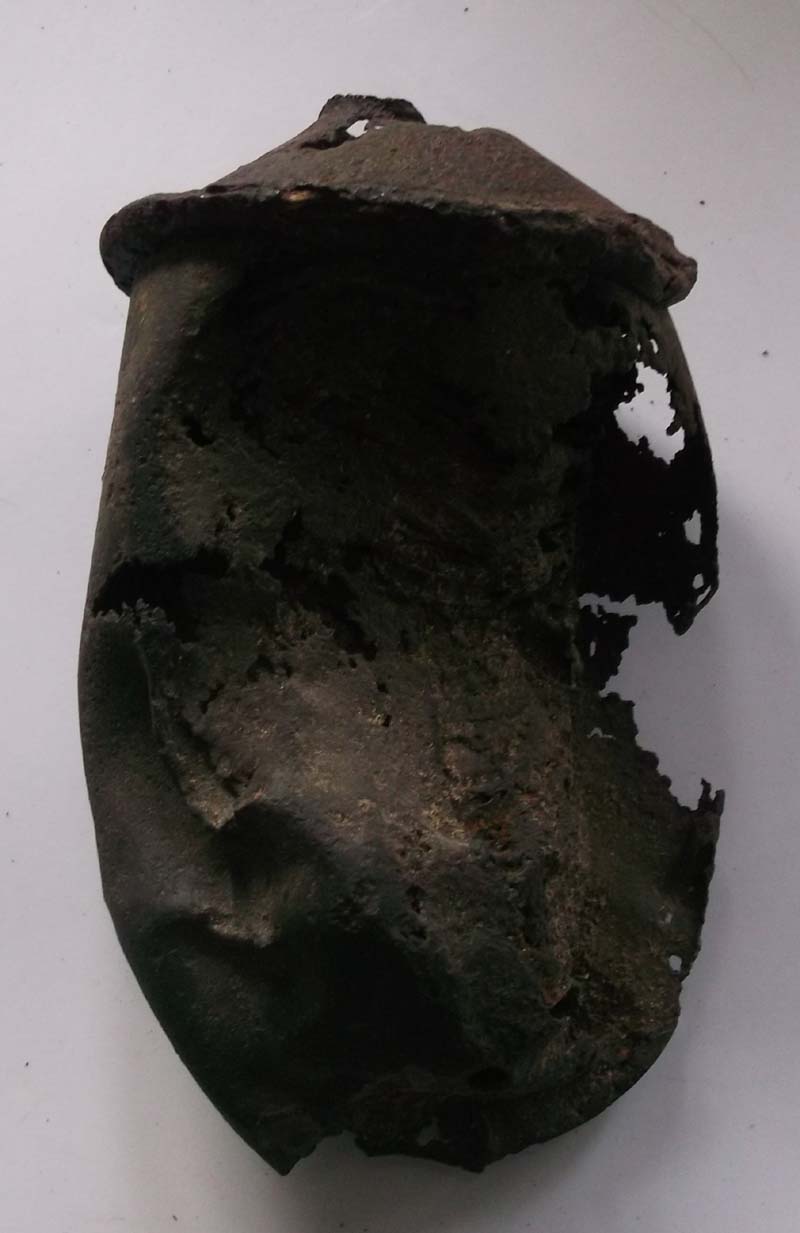
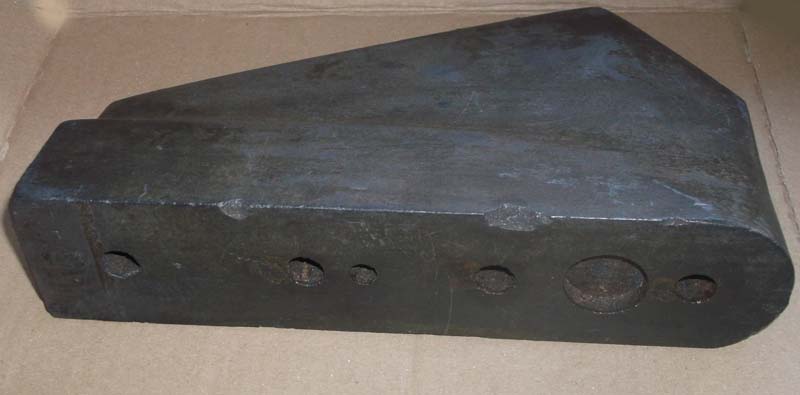
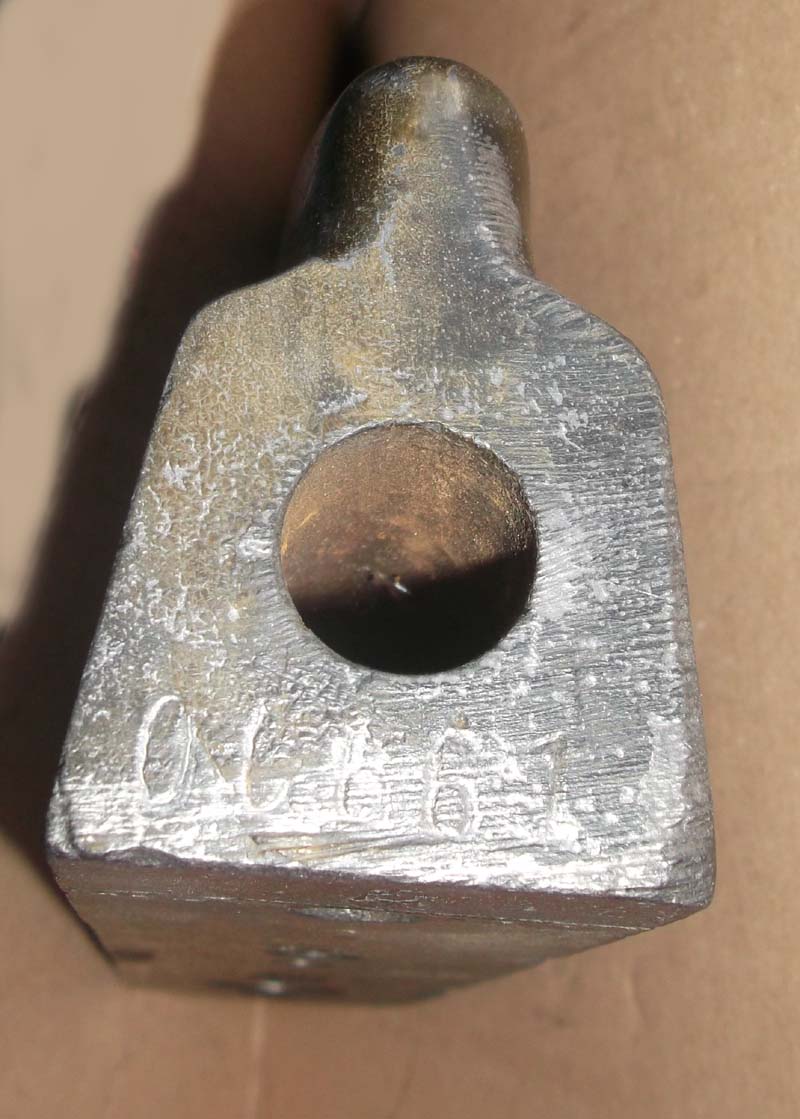
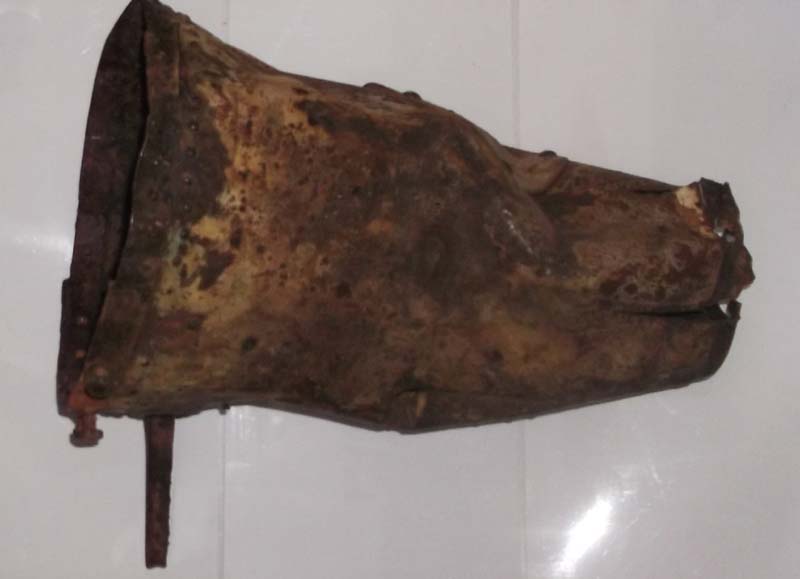
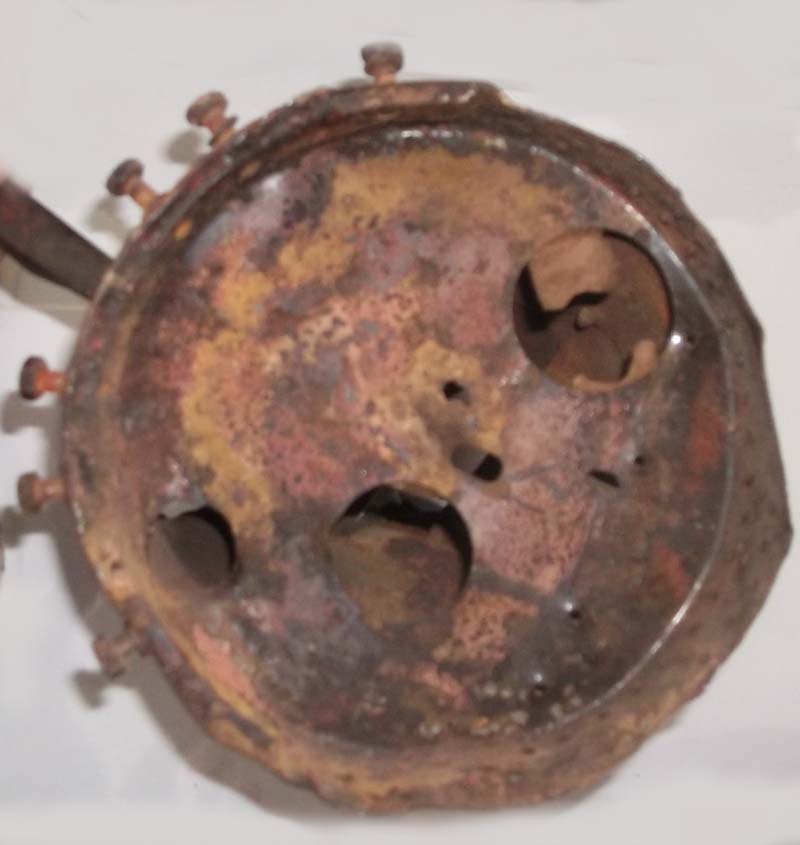
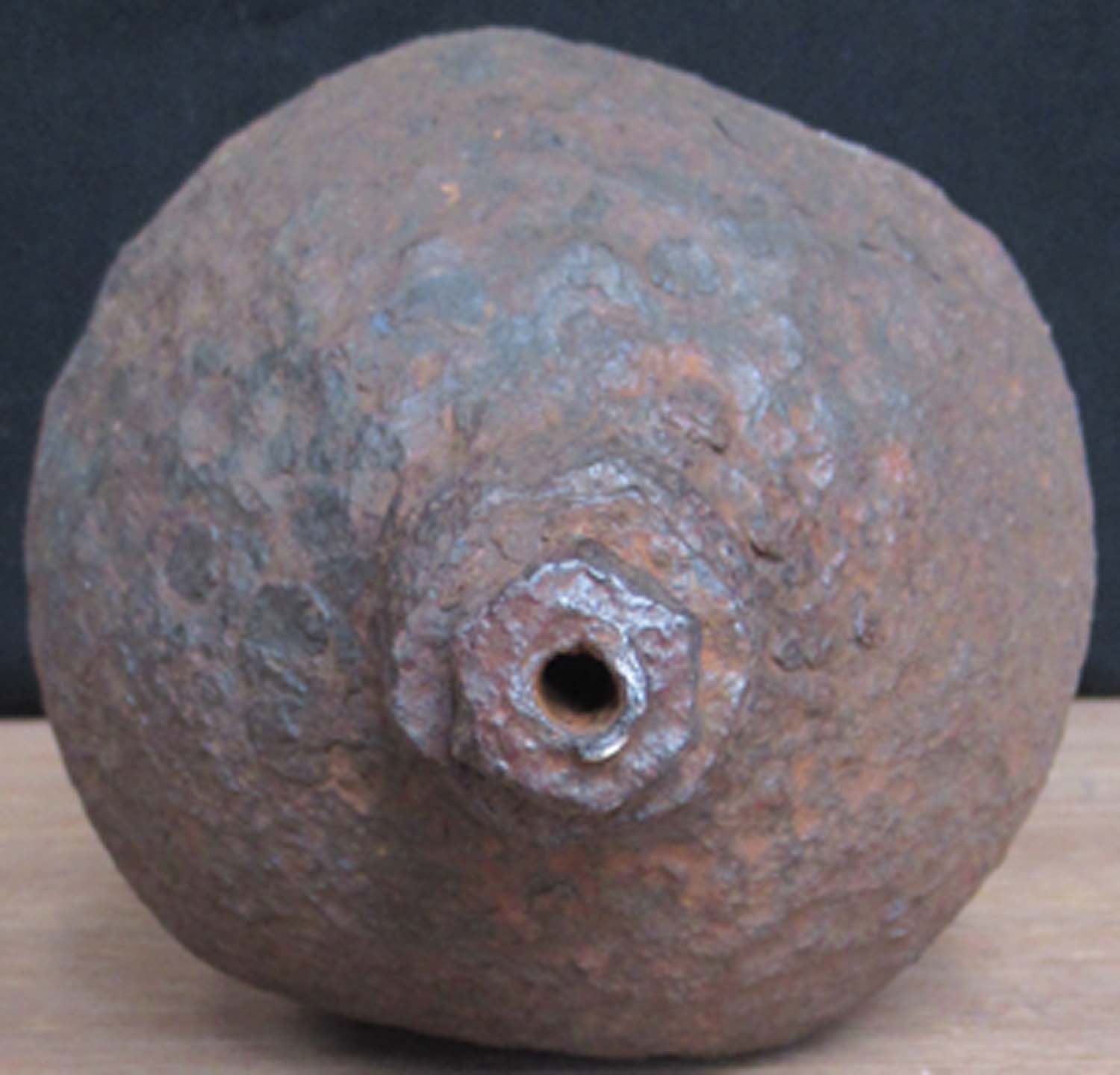
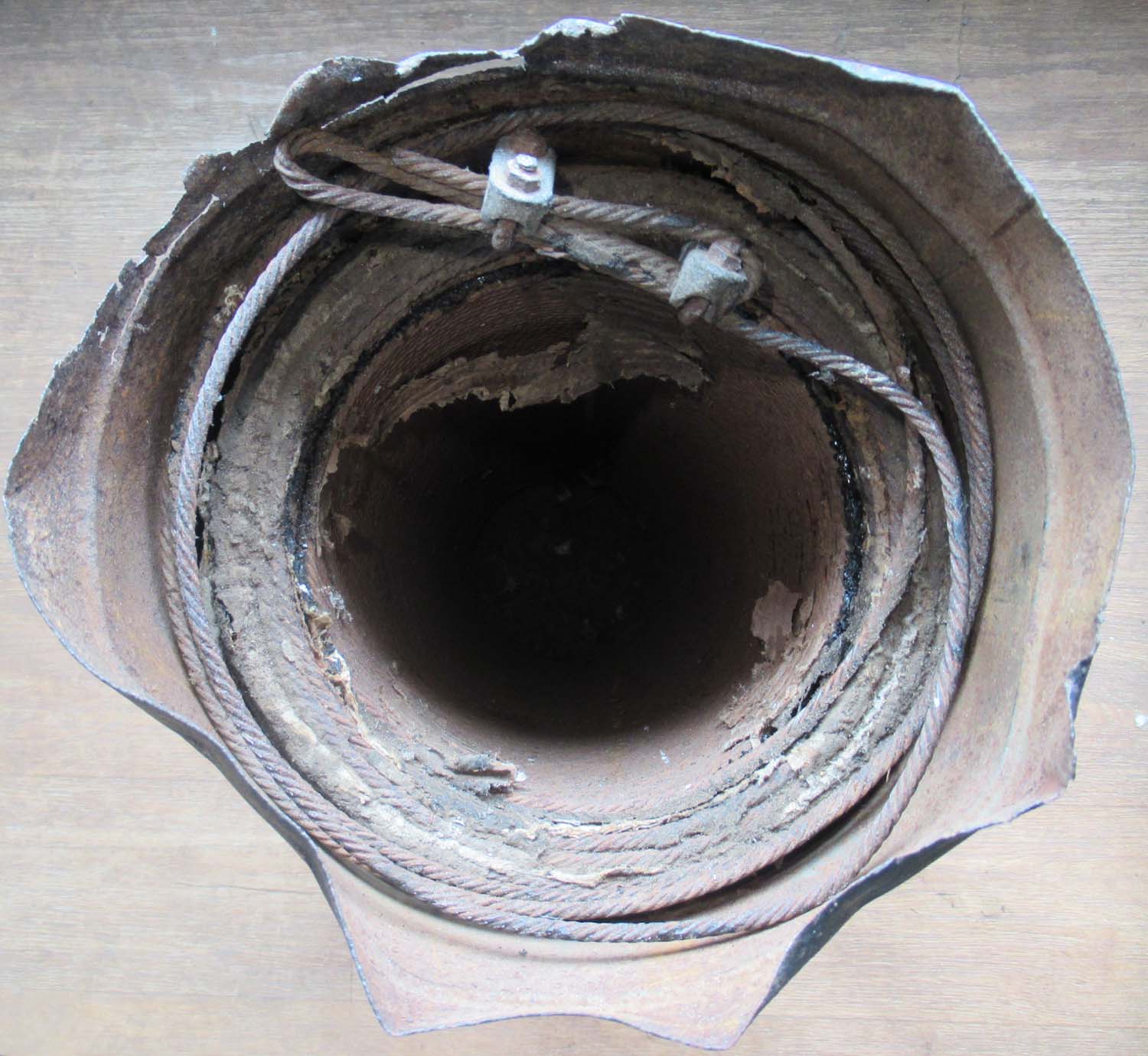
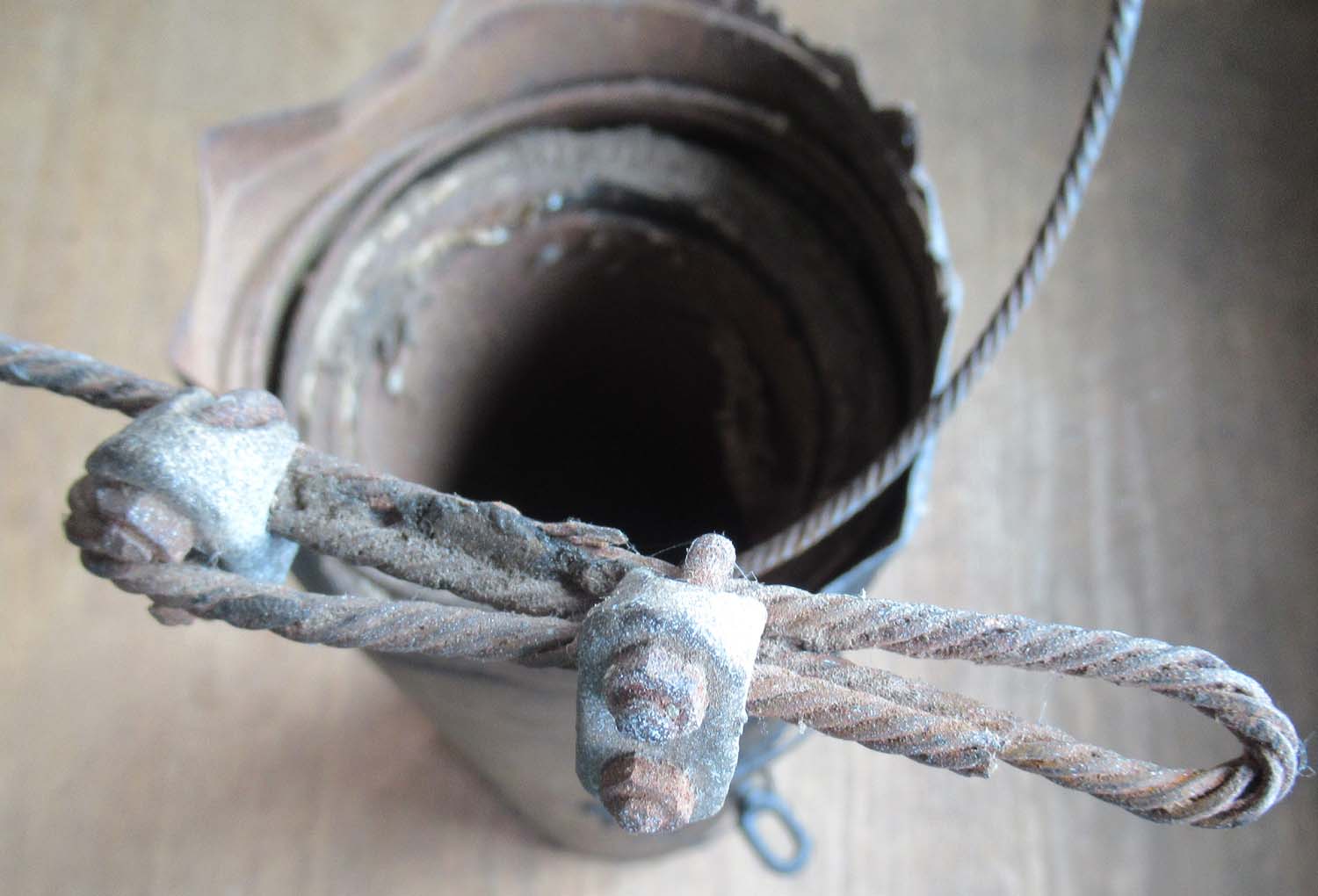
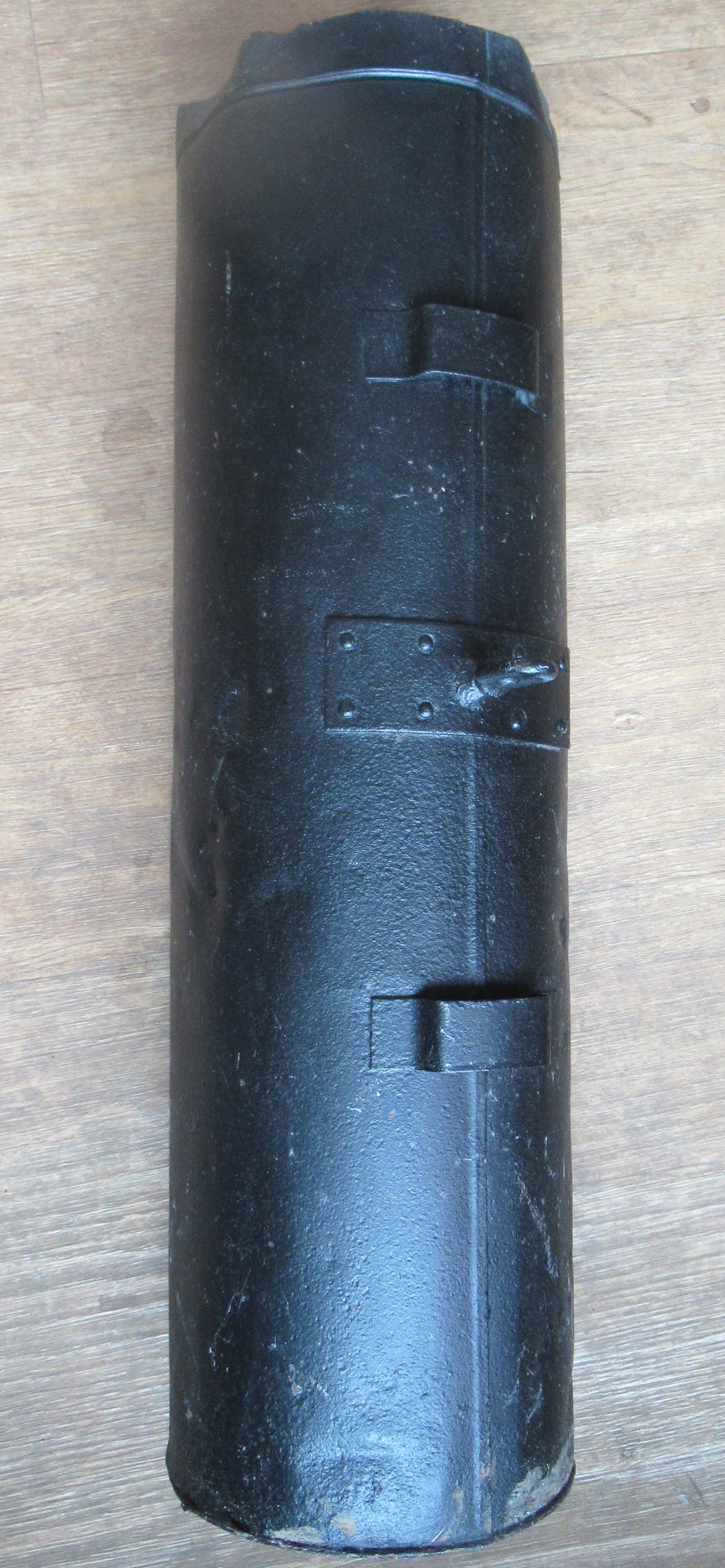
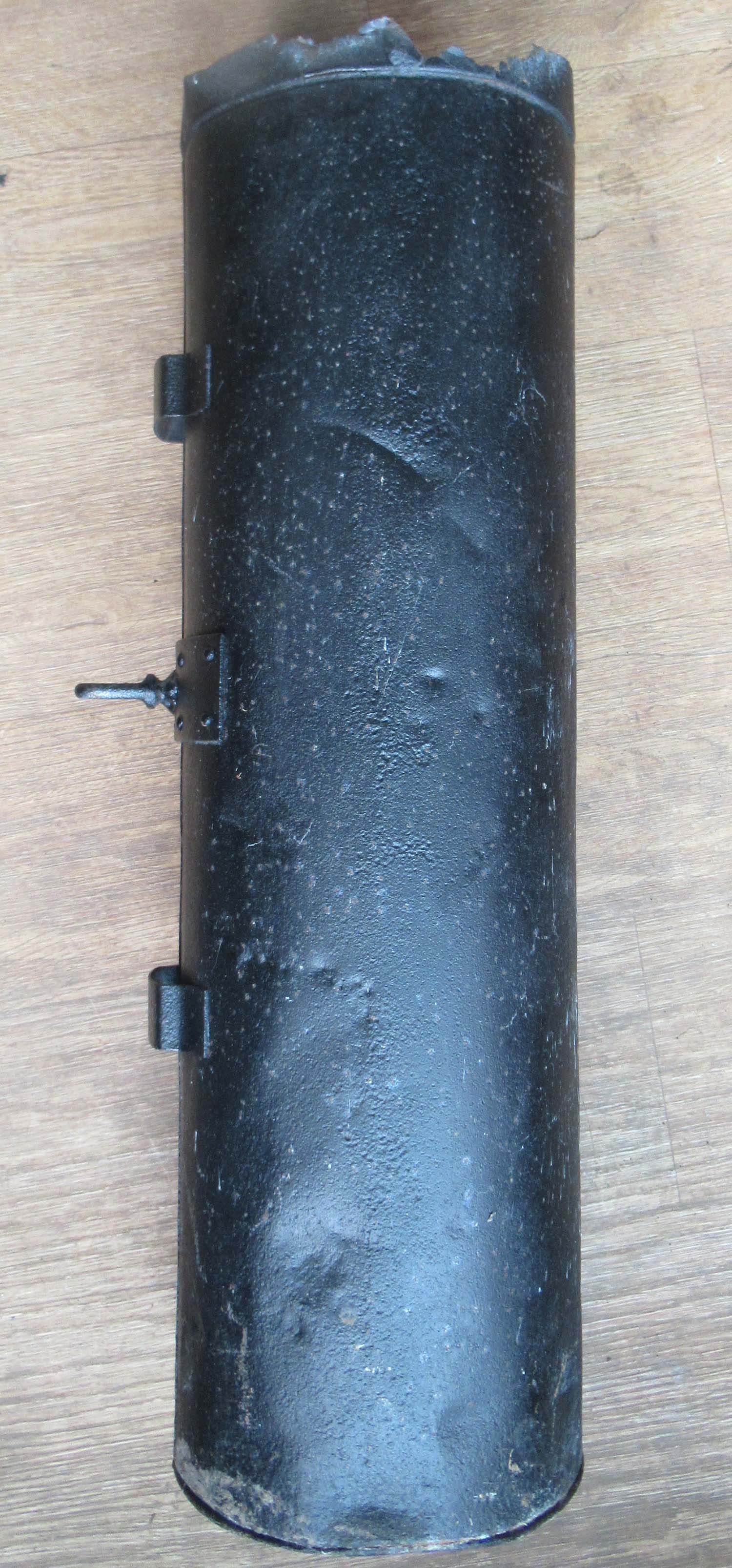
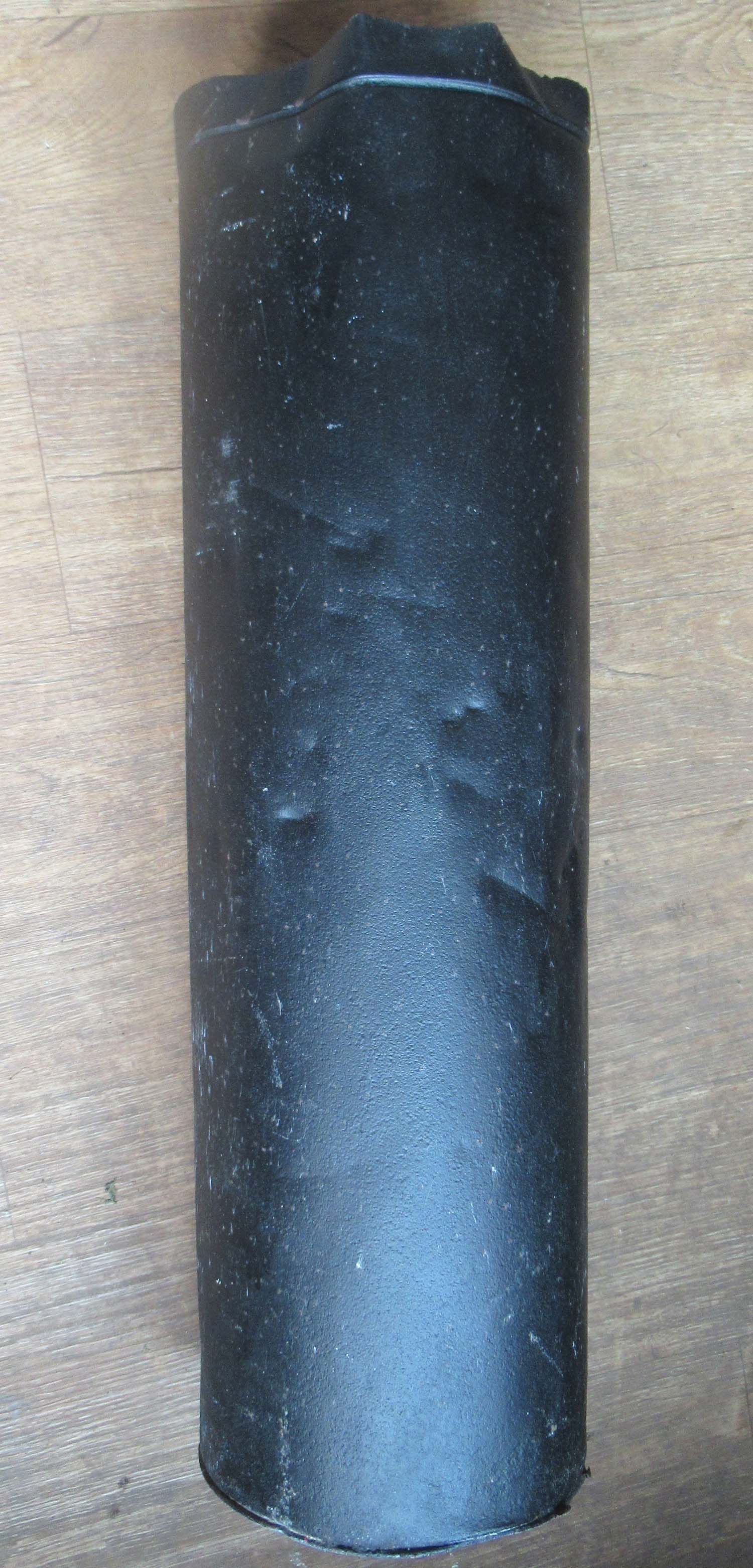
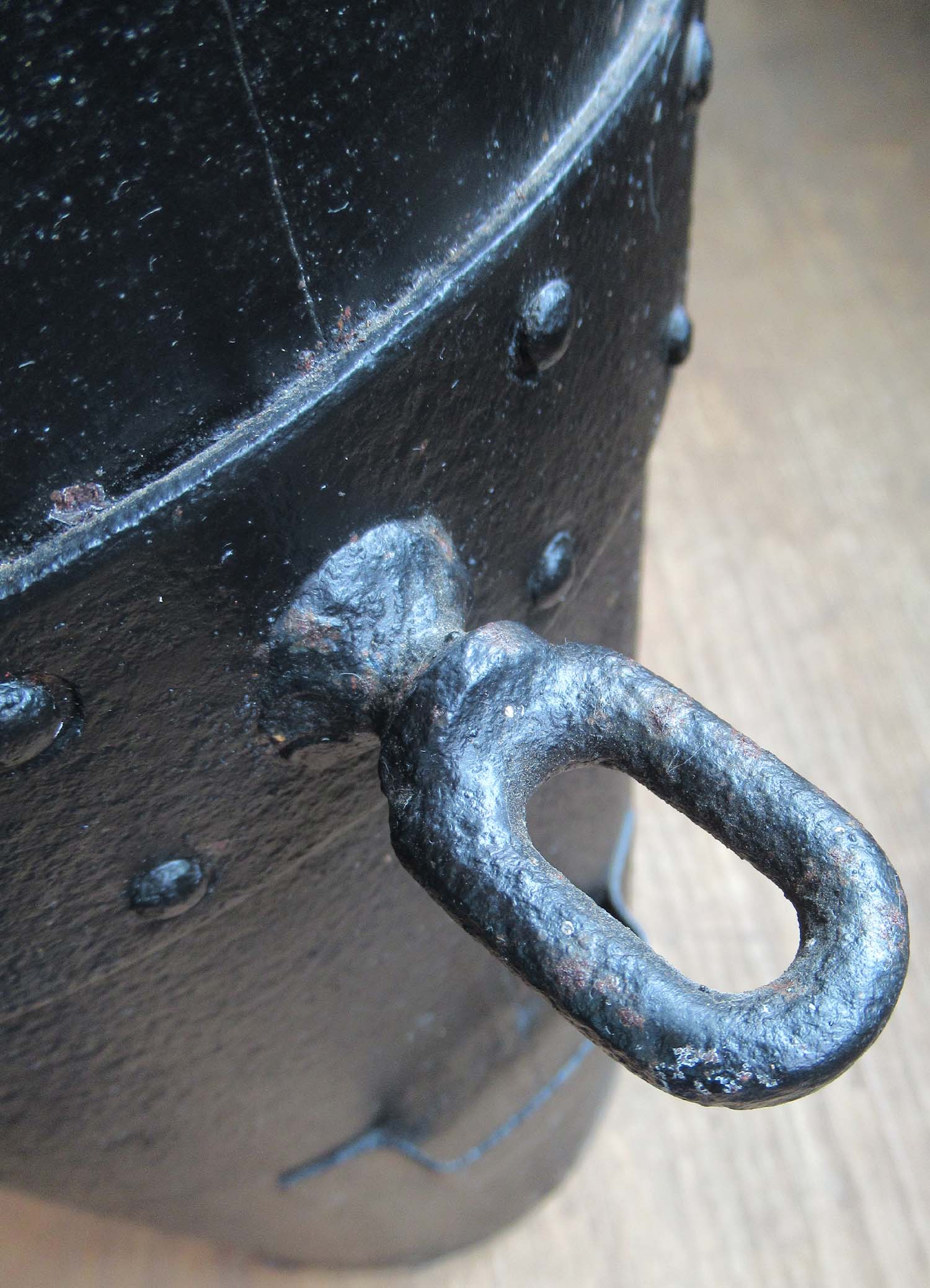
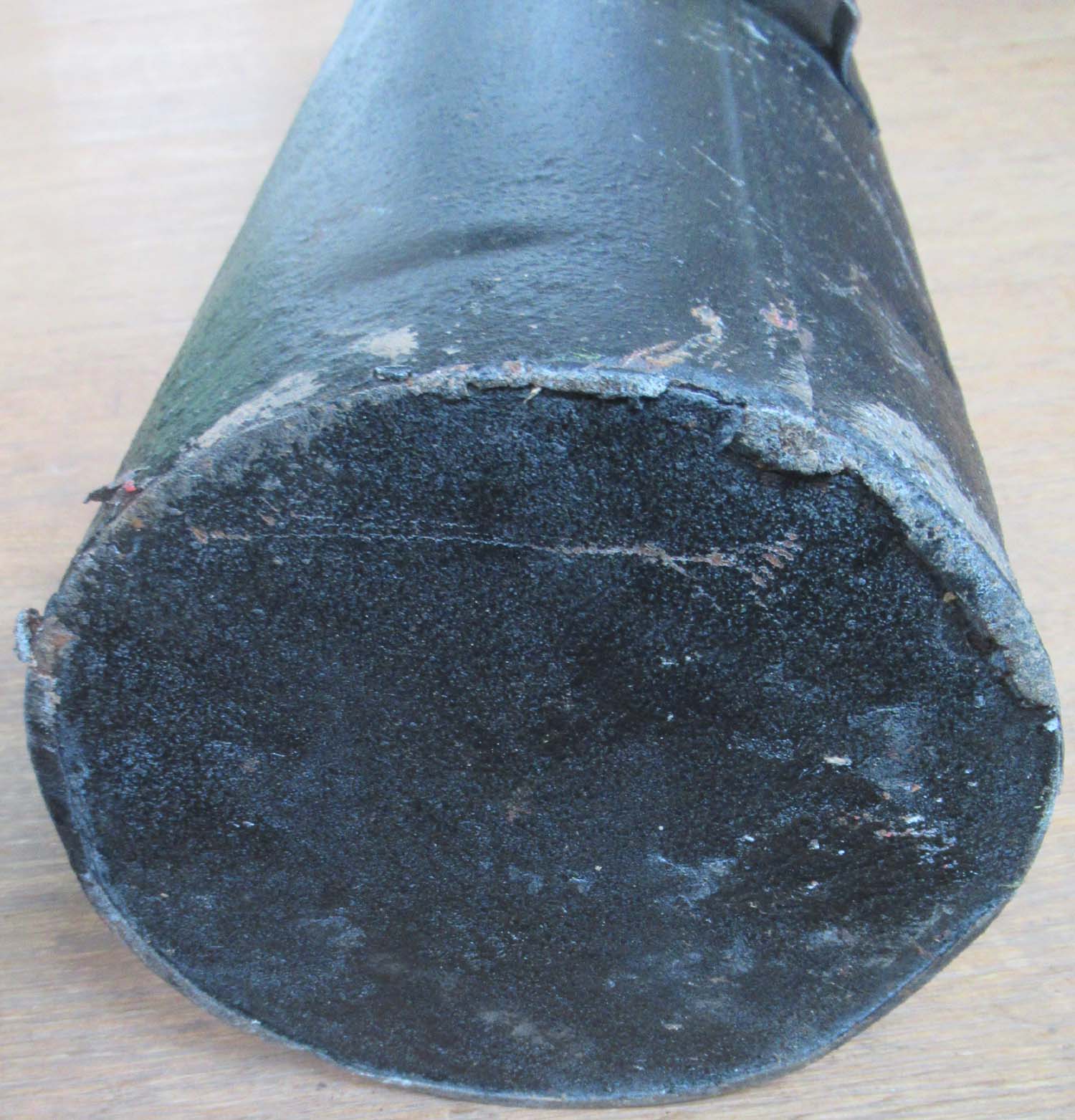
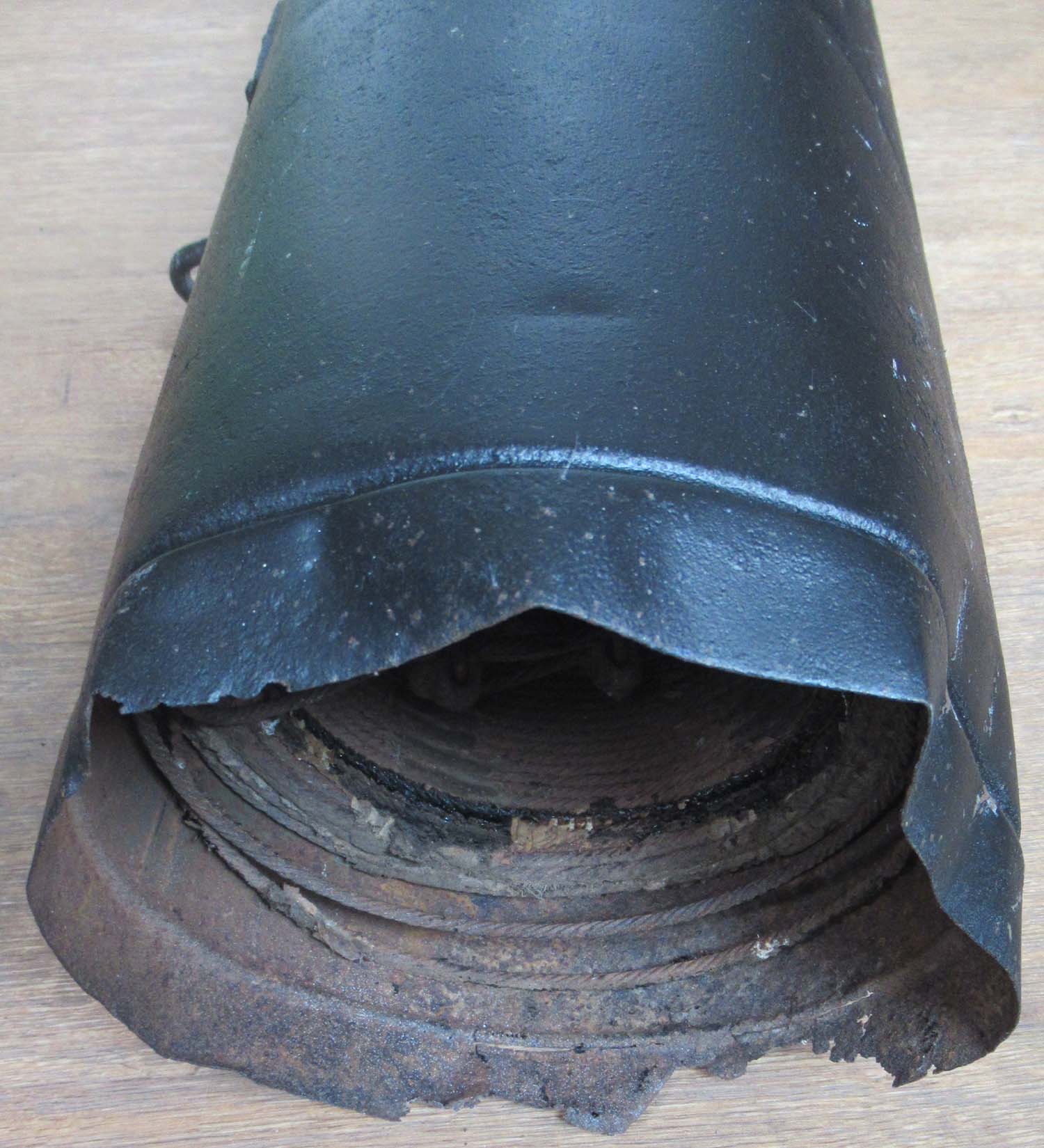
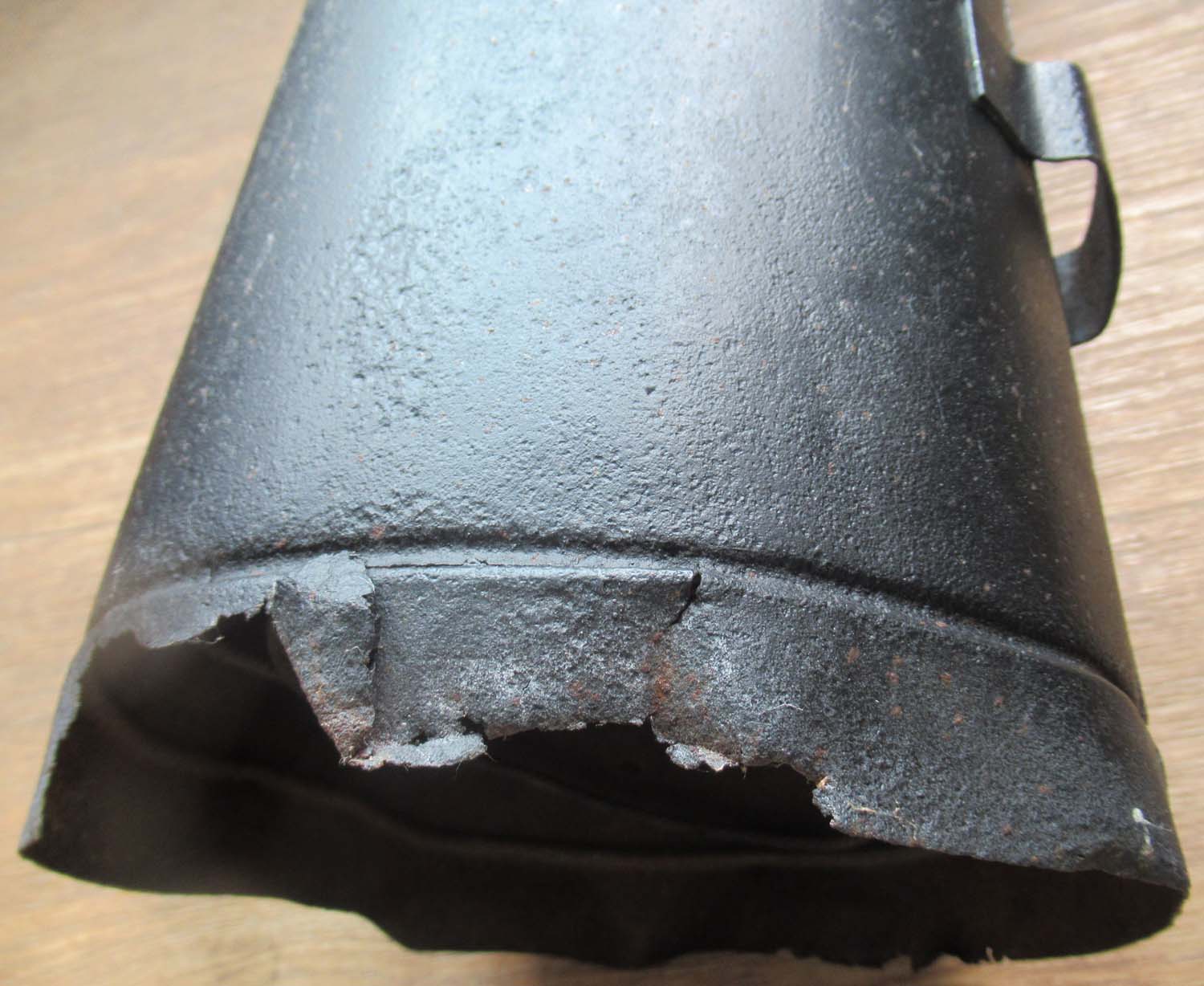
Luftwaffe Secret
Anti Aircraft Weapon (Pg1 Rocket)
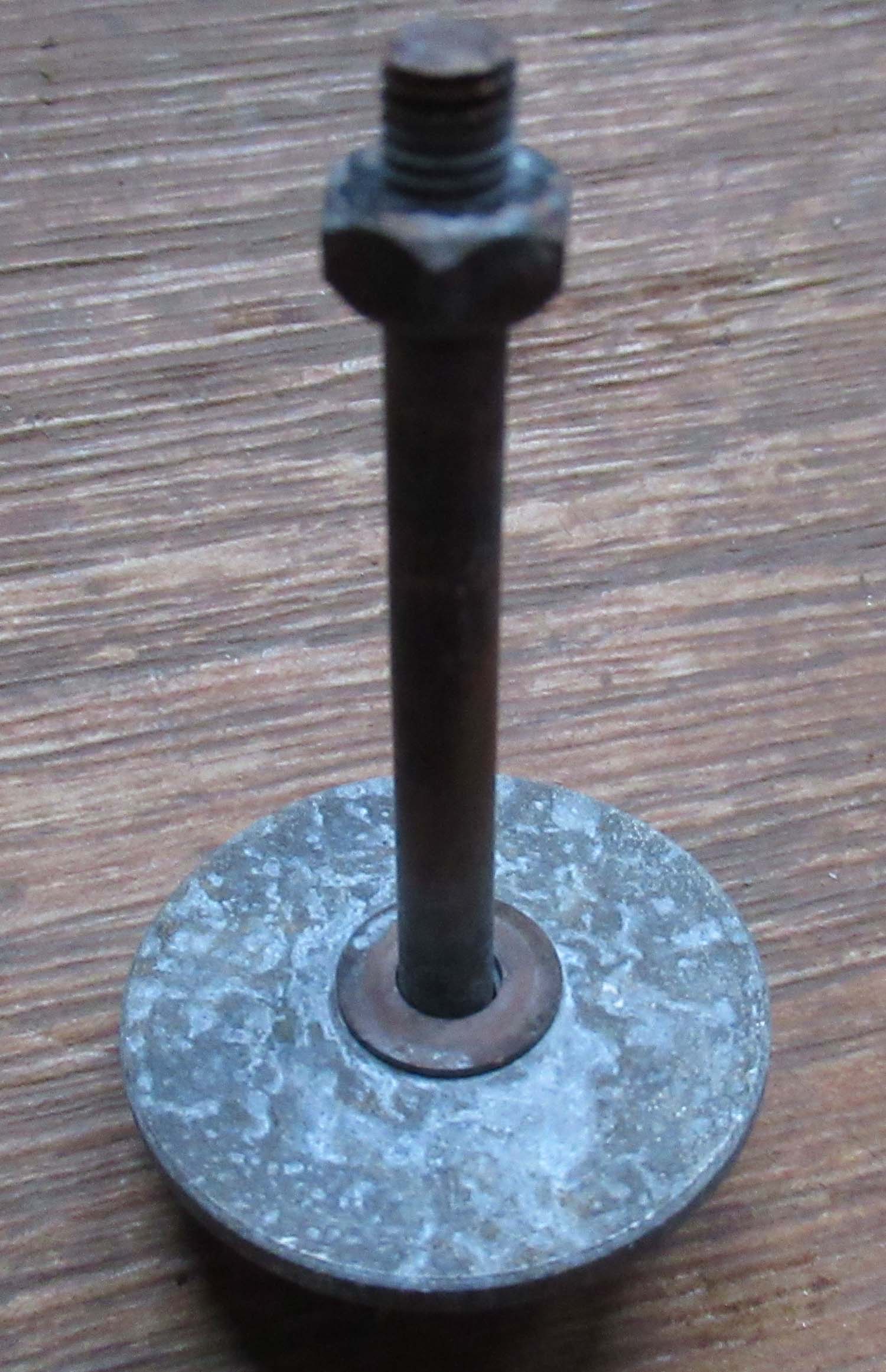
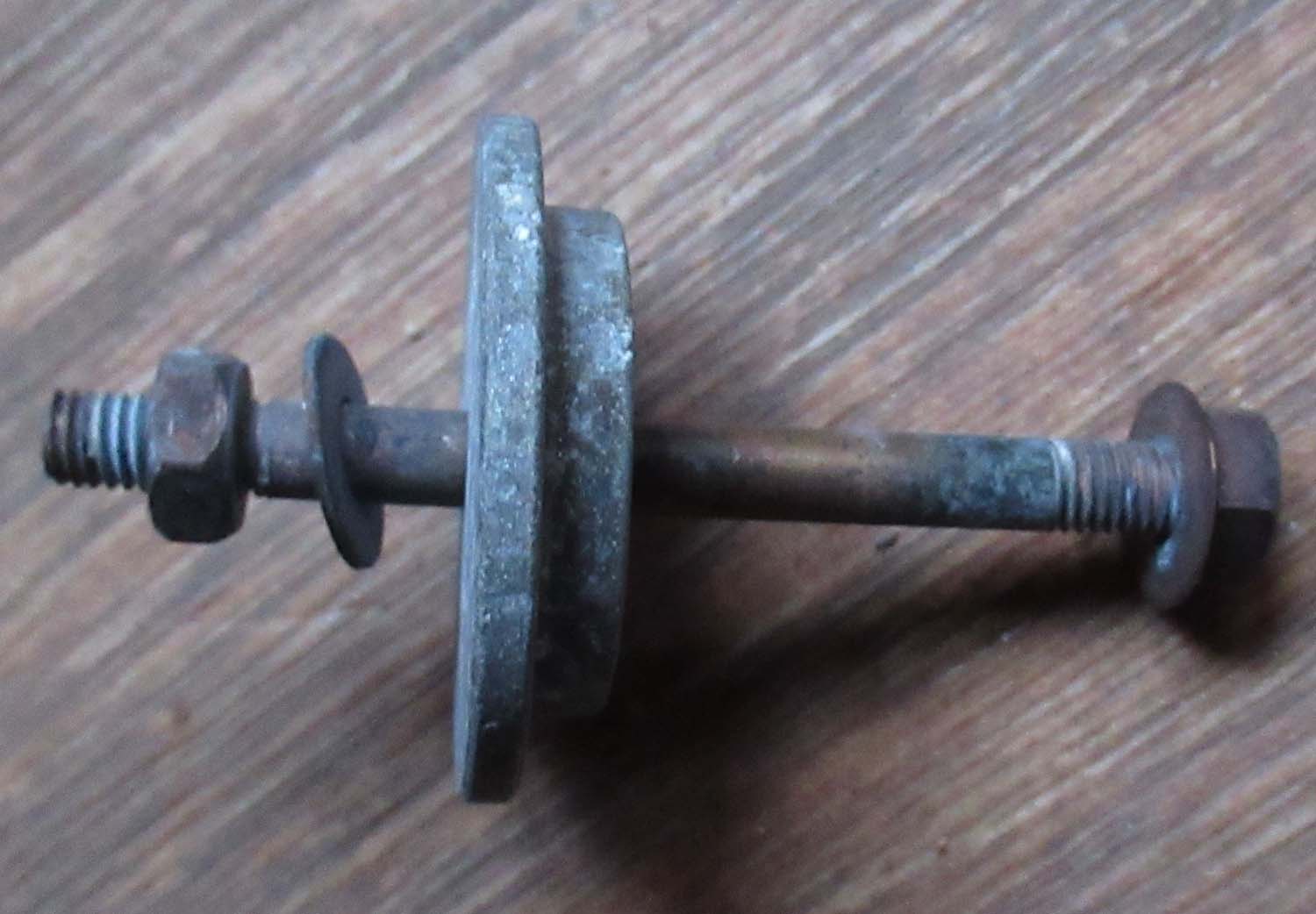
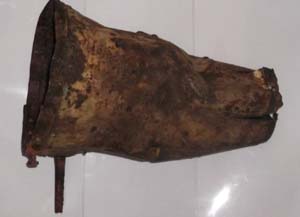
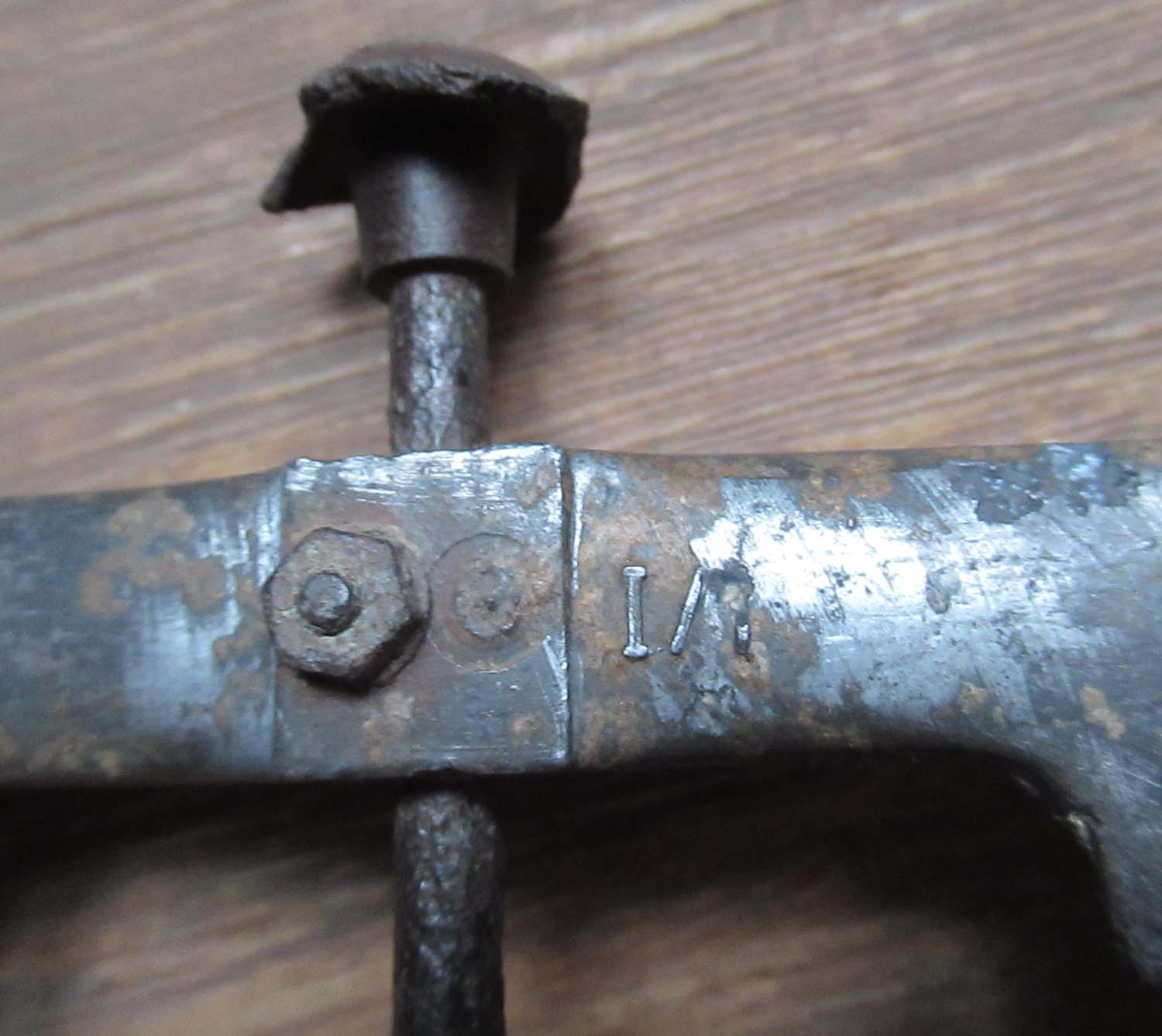
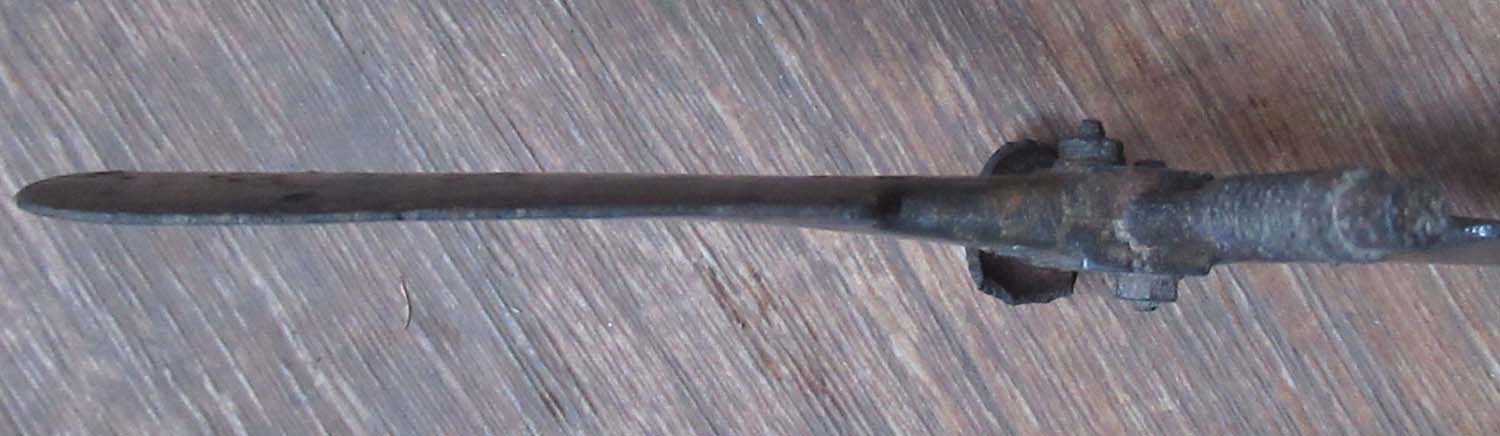
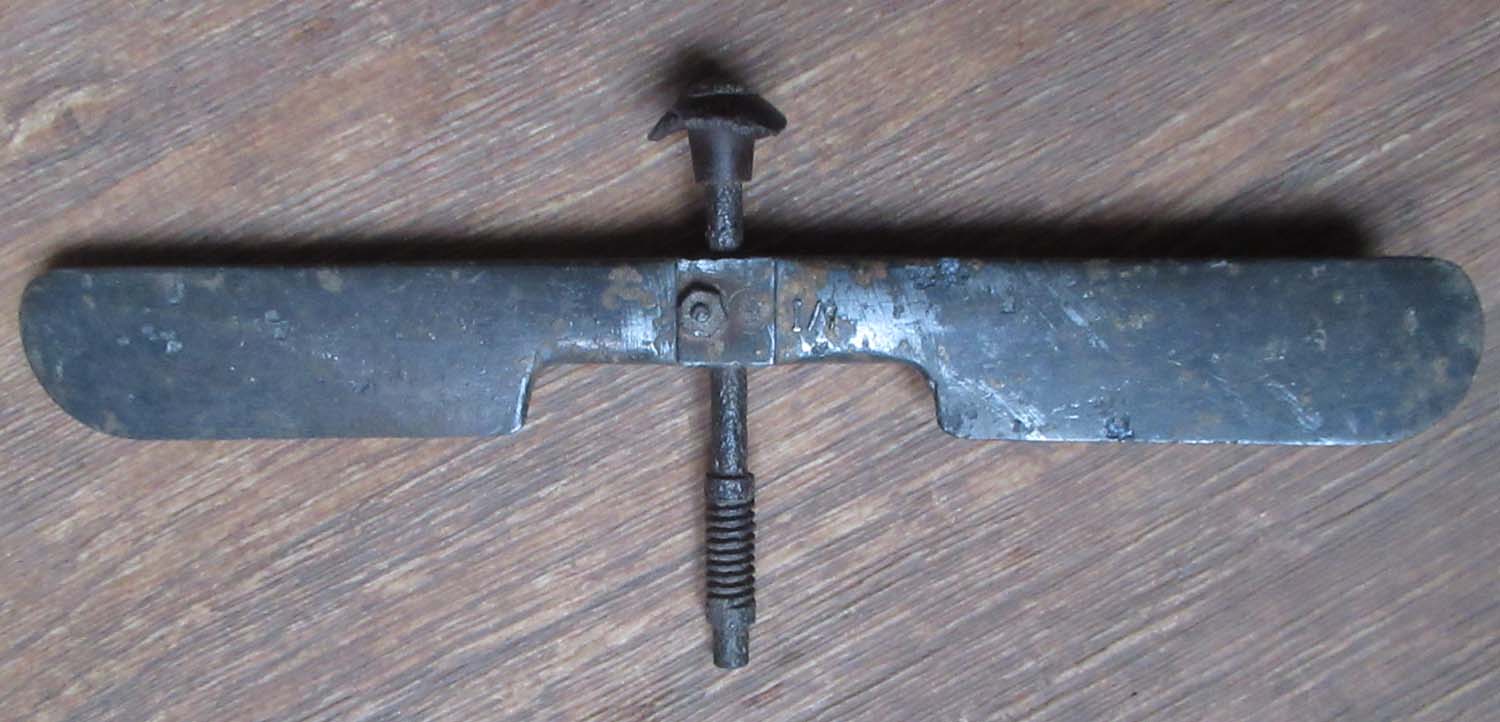
Here is one of the rarest
parts on the website, this is a late war piece when Germany
was loosing the war for air supremacy over the Reich. his is
one of the inventions they came up with while thinking out
of the box to bring down and disrupt the bomber streams. Its
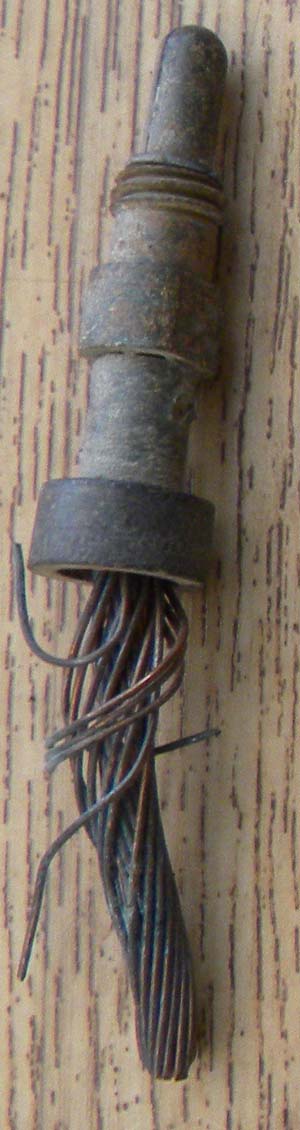
a canister containing lots wire, this wire was attached to a
rocket and then to the wings of most likely a FW 190 . The
idea was as the fighter approached the bomber stream it
fired the rocket carry the wire over then bombers getting
tangled in props , rudders ailerons ect and generally
causing havoc. There is a little of no information about the
success of this weapon but in theory seems like it could
cause havoc. The Germans tried other tactics involving
cables and rockets but it was to late they were completely
over whelmed by the Allies . This piece was recovered near
Deelan in Holland.
Approximately 69 cm in
length.
Click on pictures to enlarge
Out of stock more wanted
contact me |
|
Click on pictures to enlarge
 |
V1 Nose Tip (Pg1 Rocket)
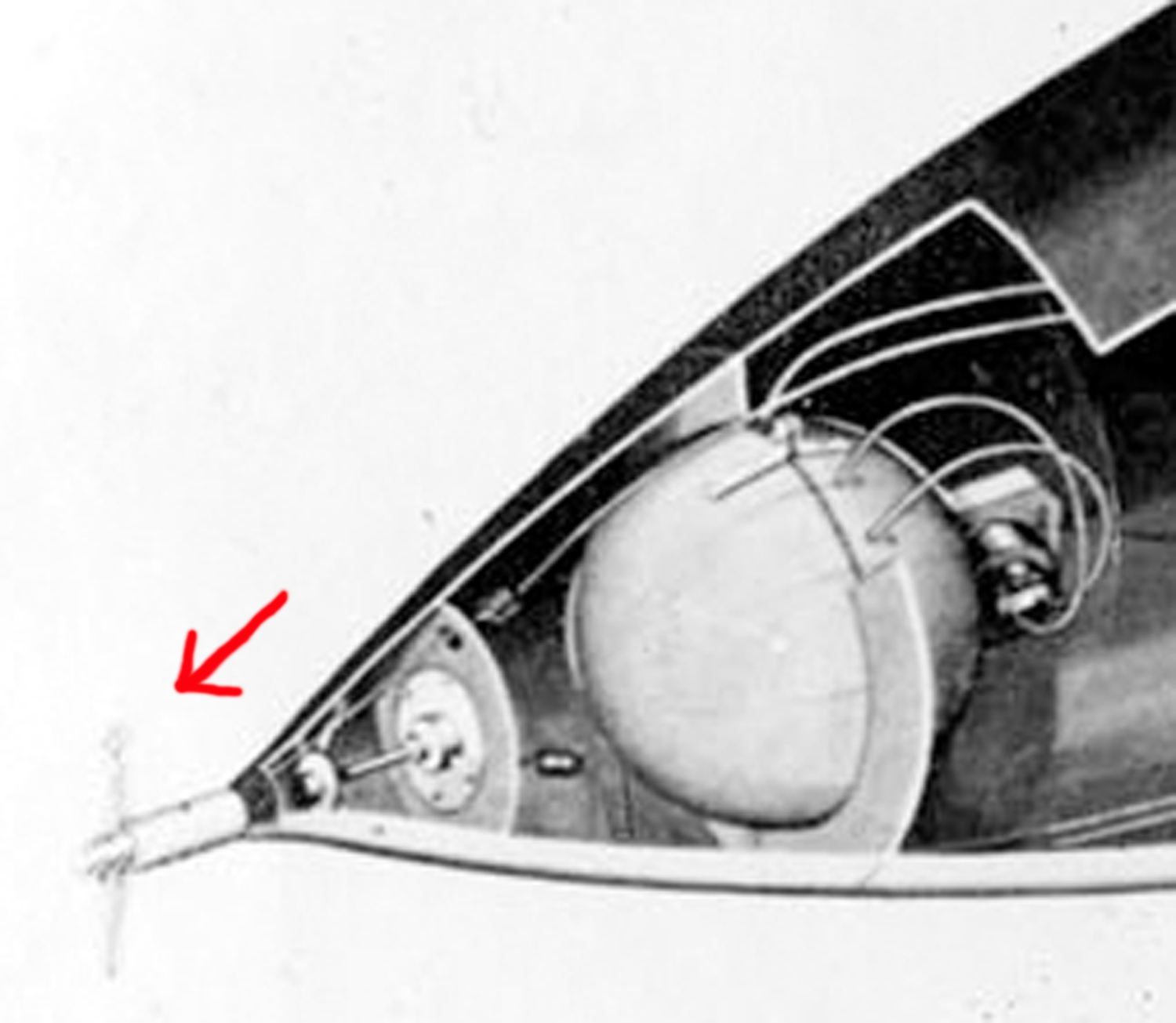
Here is the very tip of
the nose from a V1 which would house the rewind mechanism
for the range control . 100% original complete and in very
good condition and of course very rare.
Click on pictures to enlarge
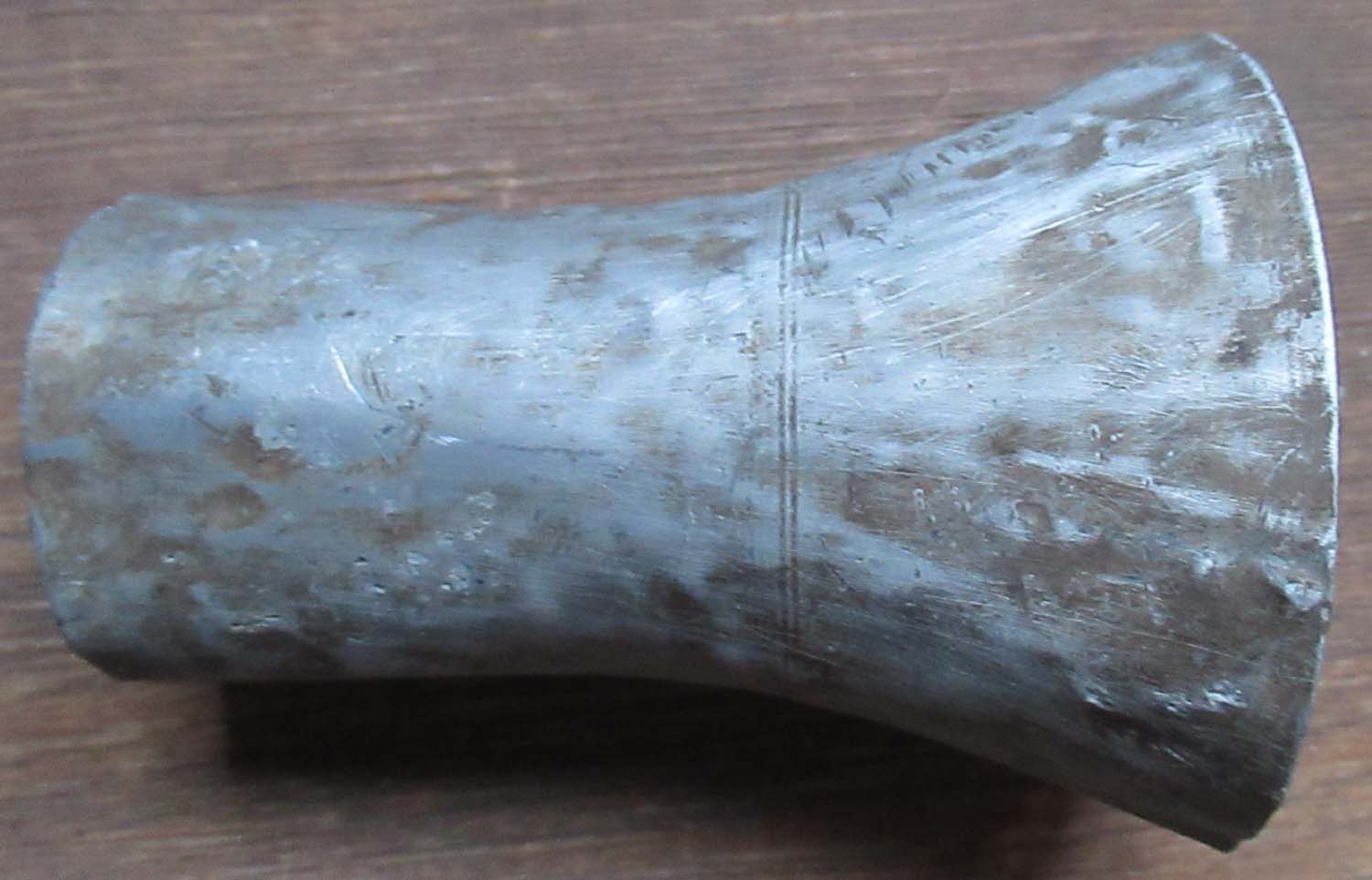
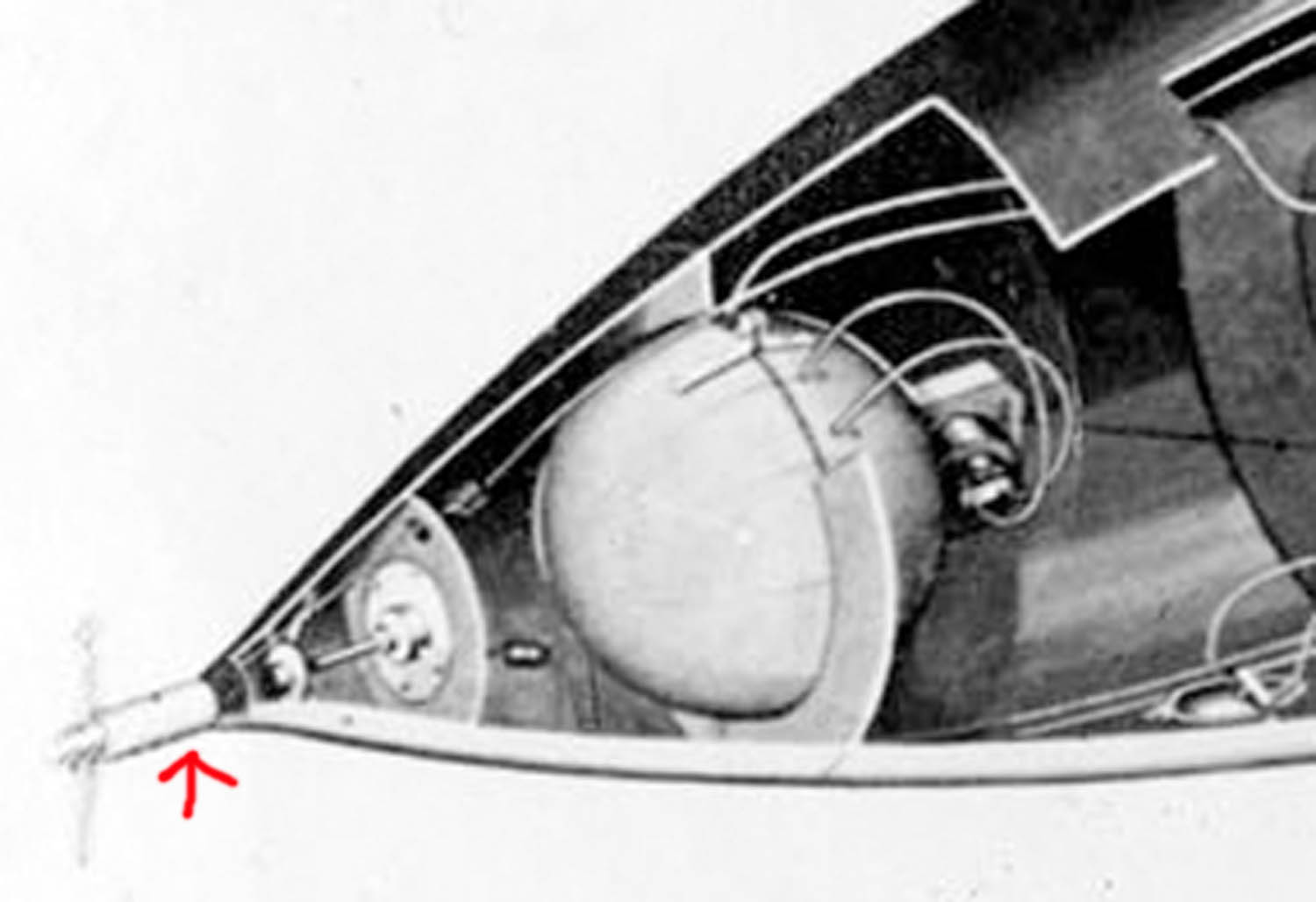
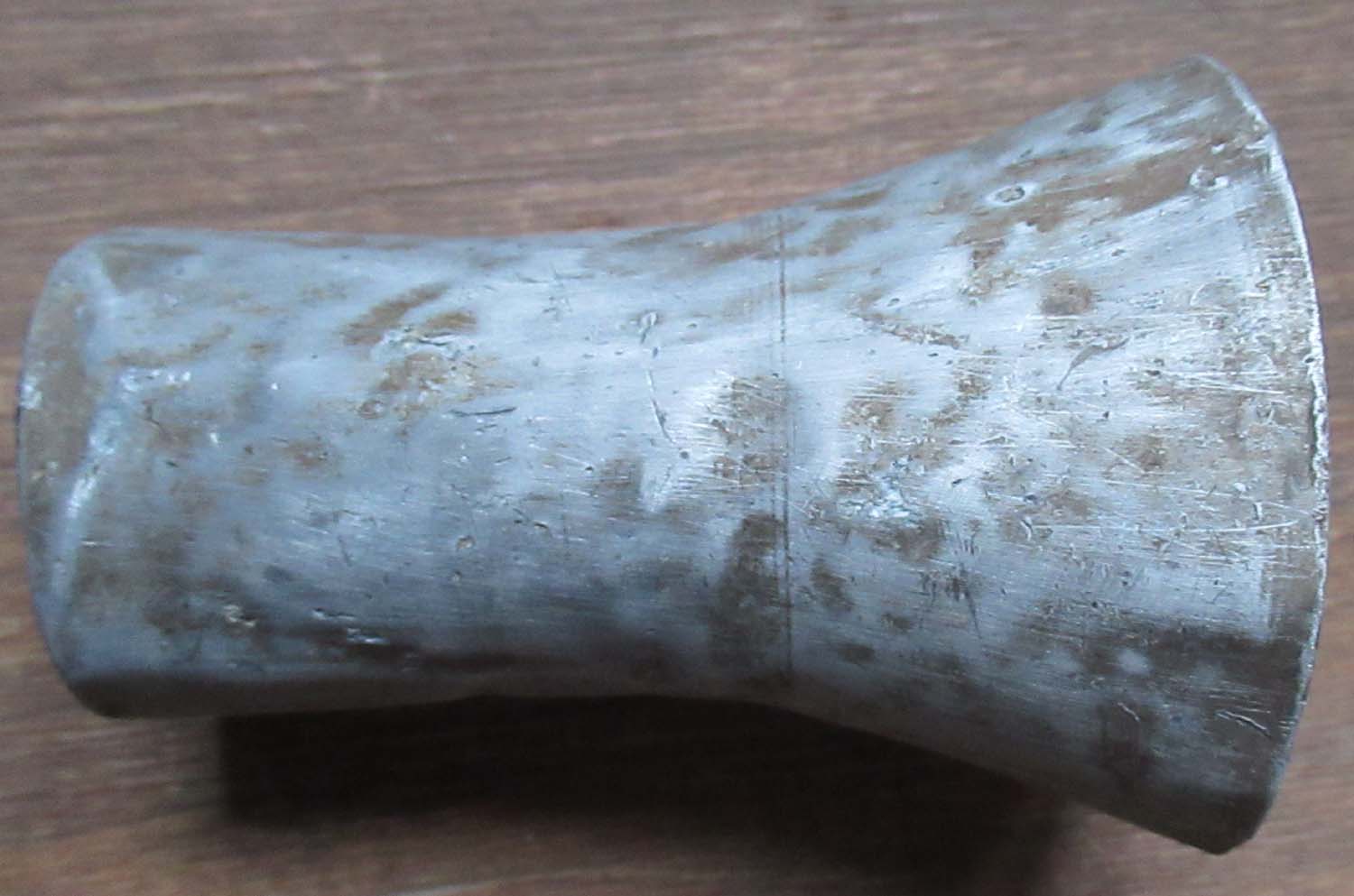
Seen above in
the nose of the V1
£395


|
|
Click on pictures to enlarge
 |
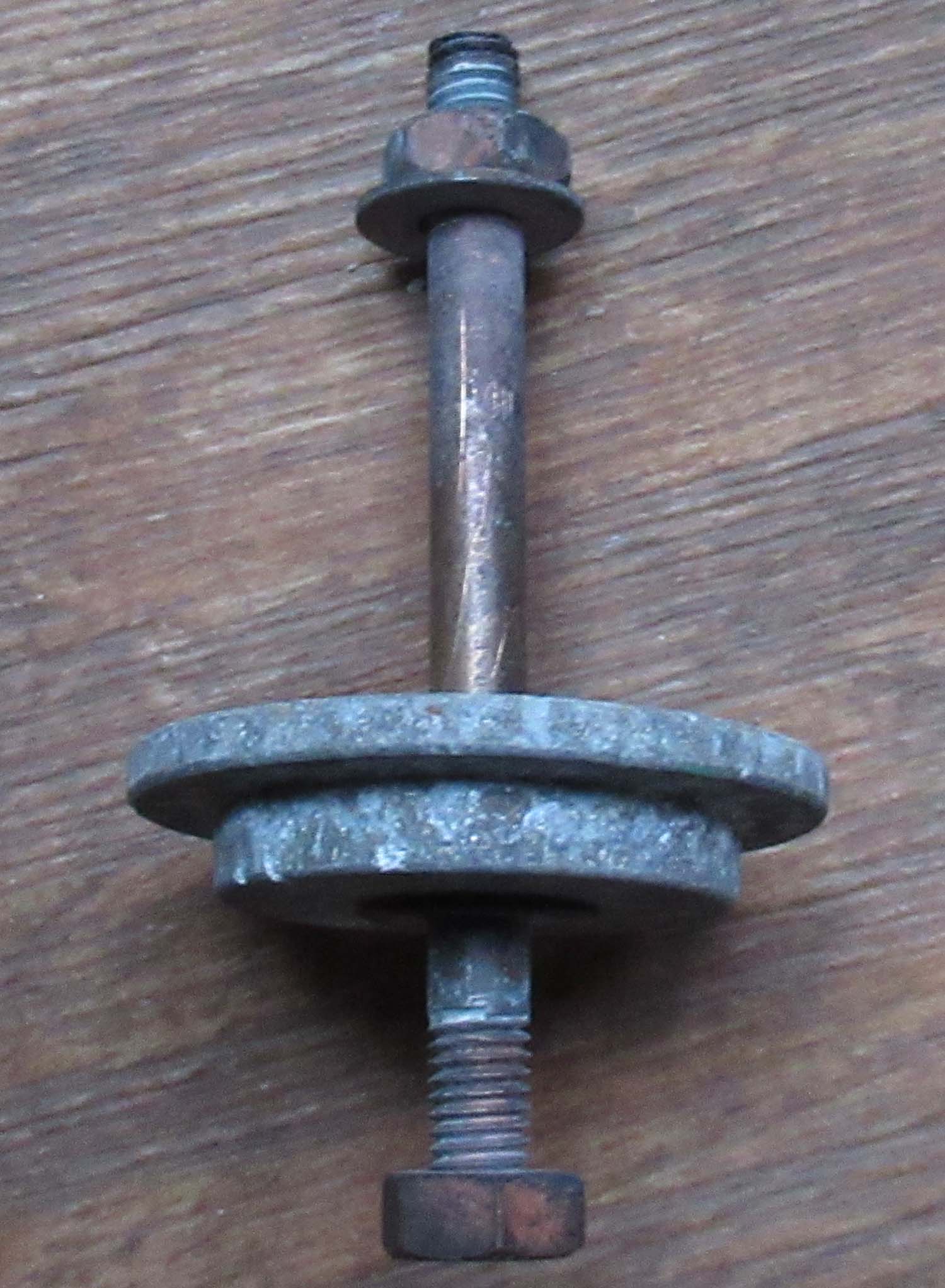
V1 Gyro Compass
Component (Pg1 Rocket)
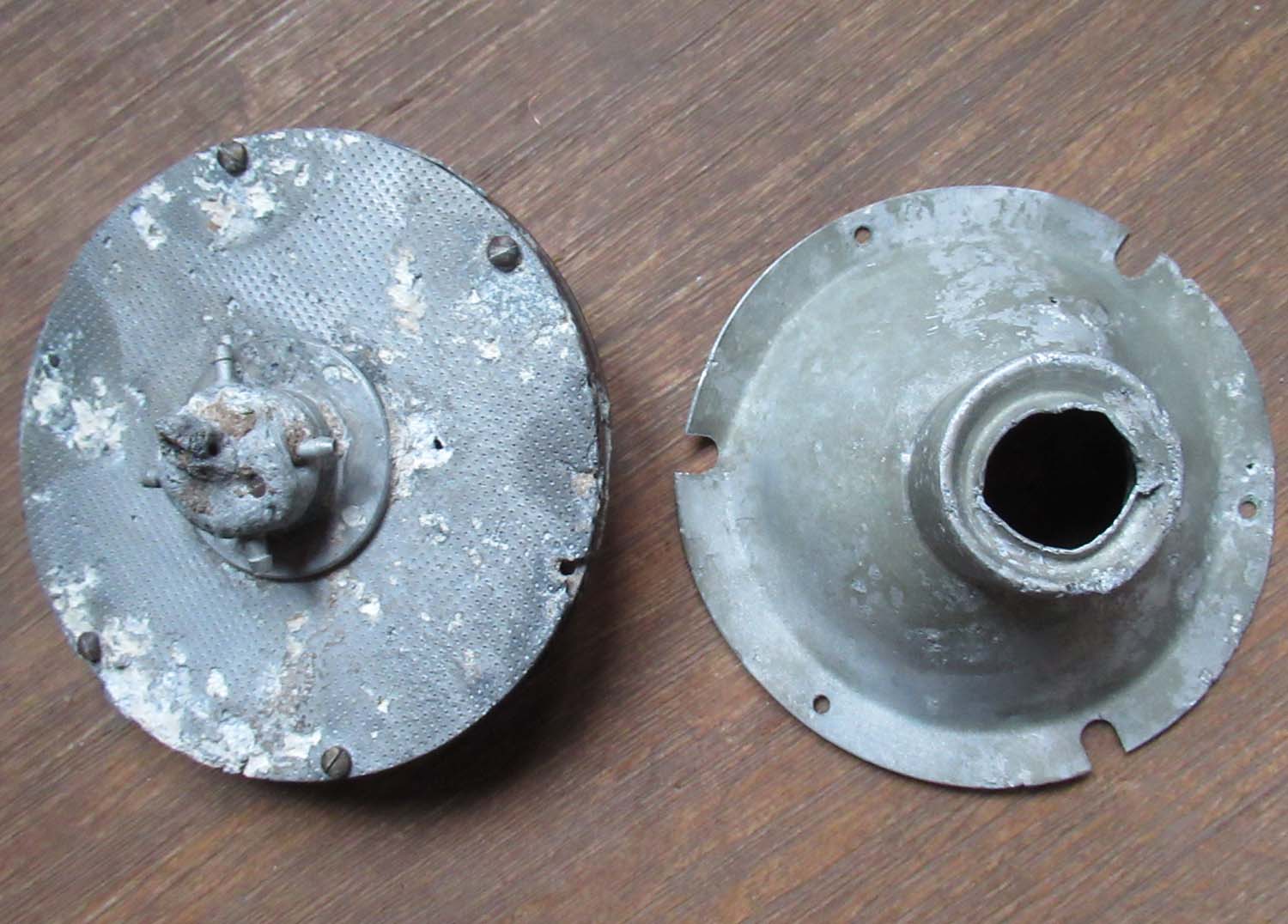
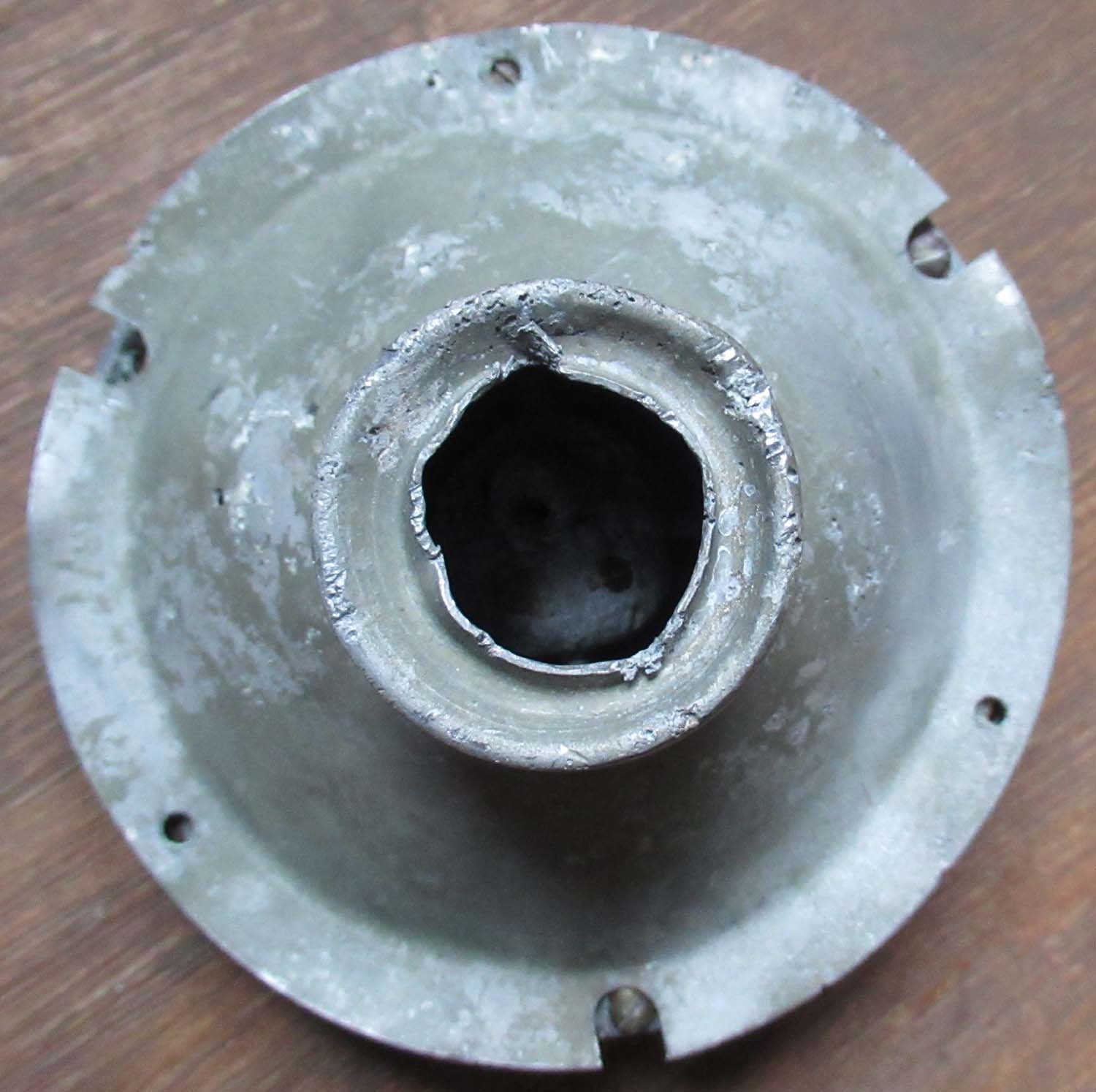
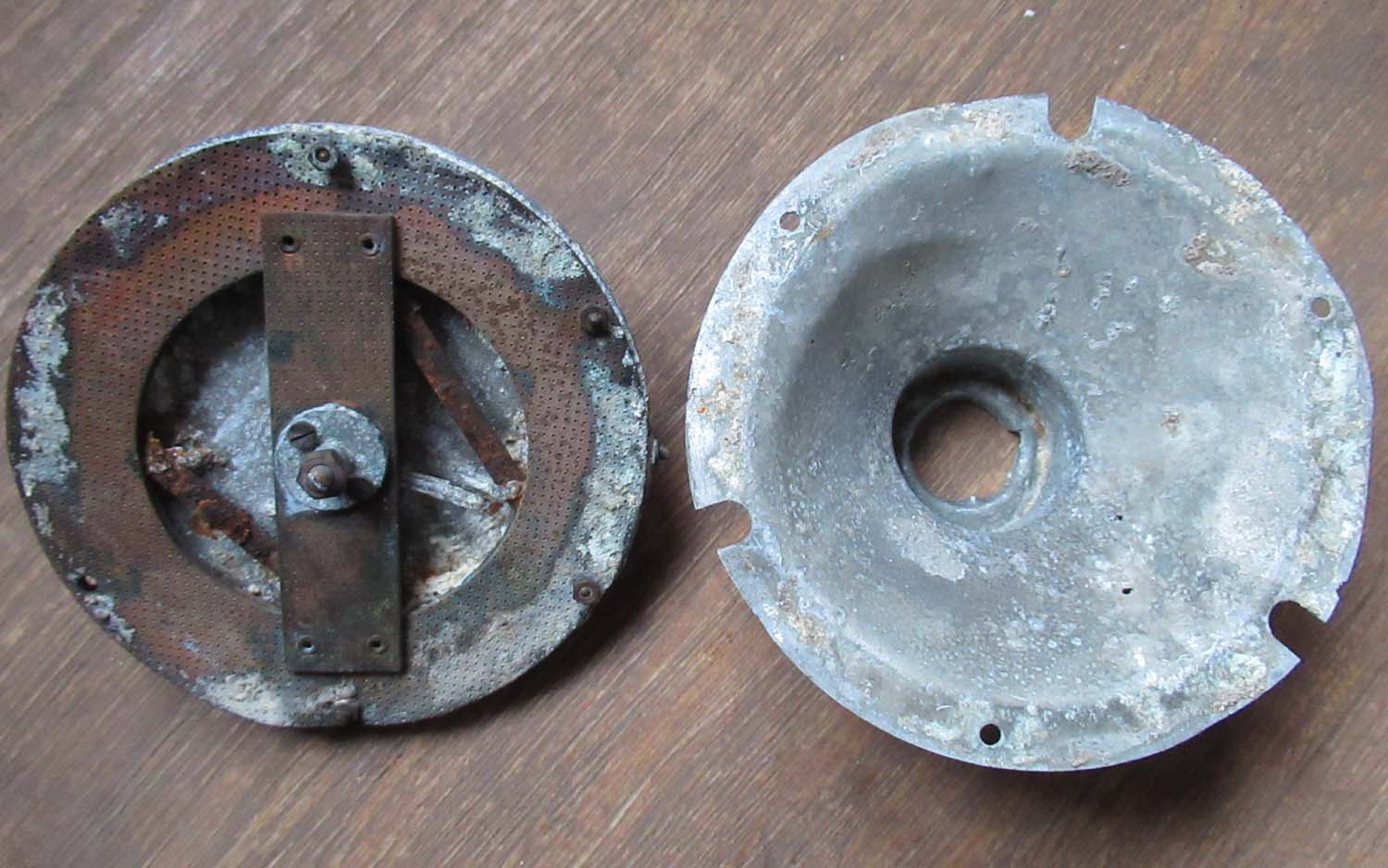
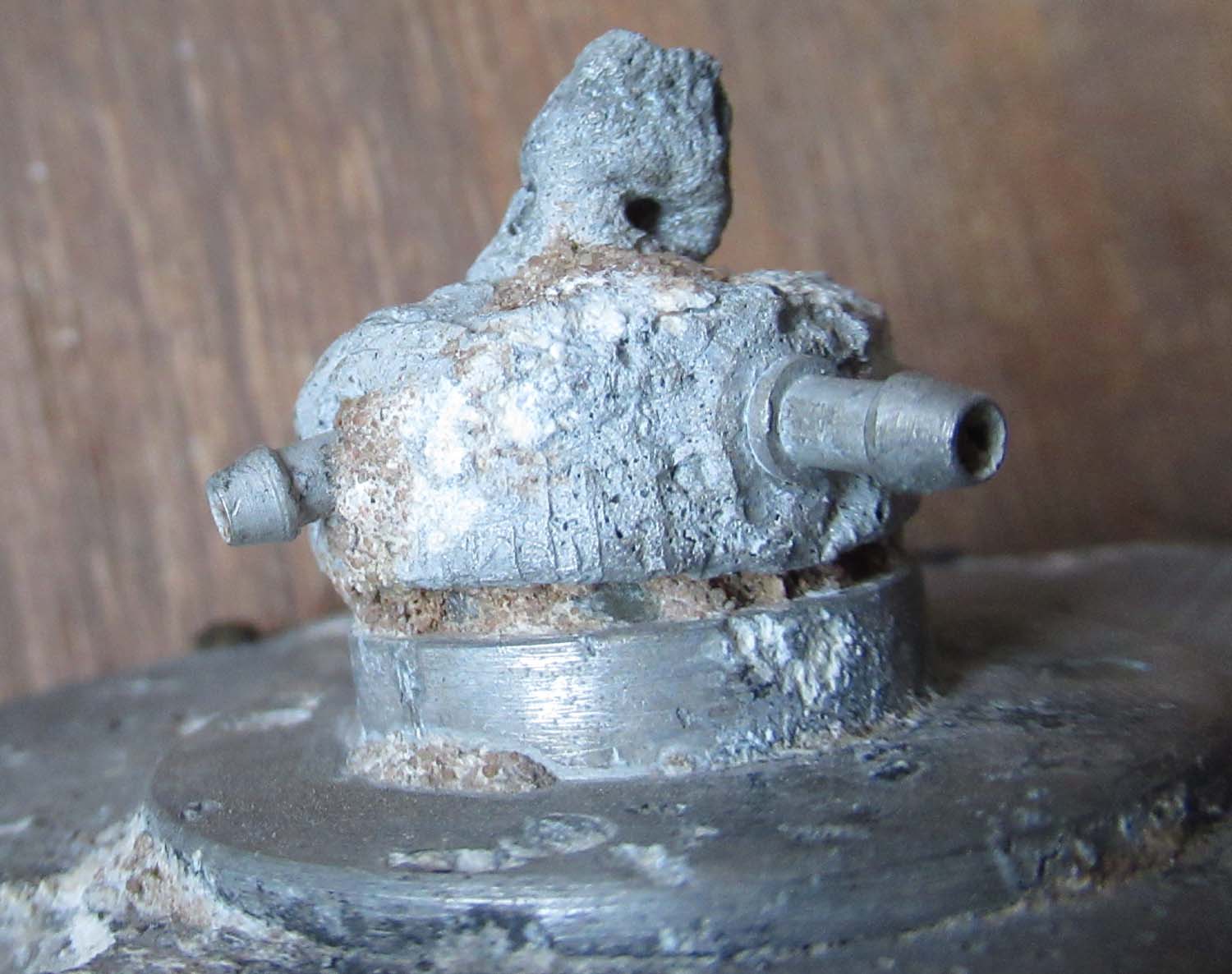
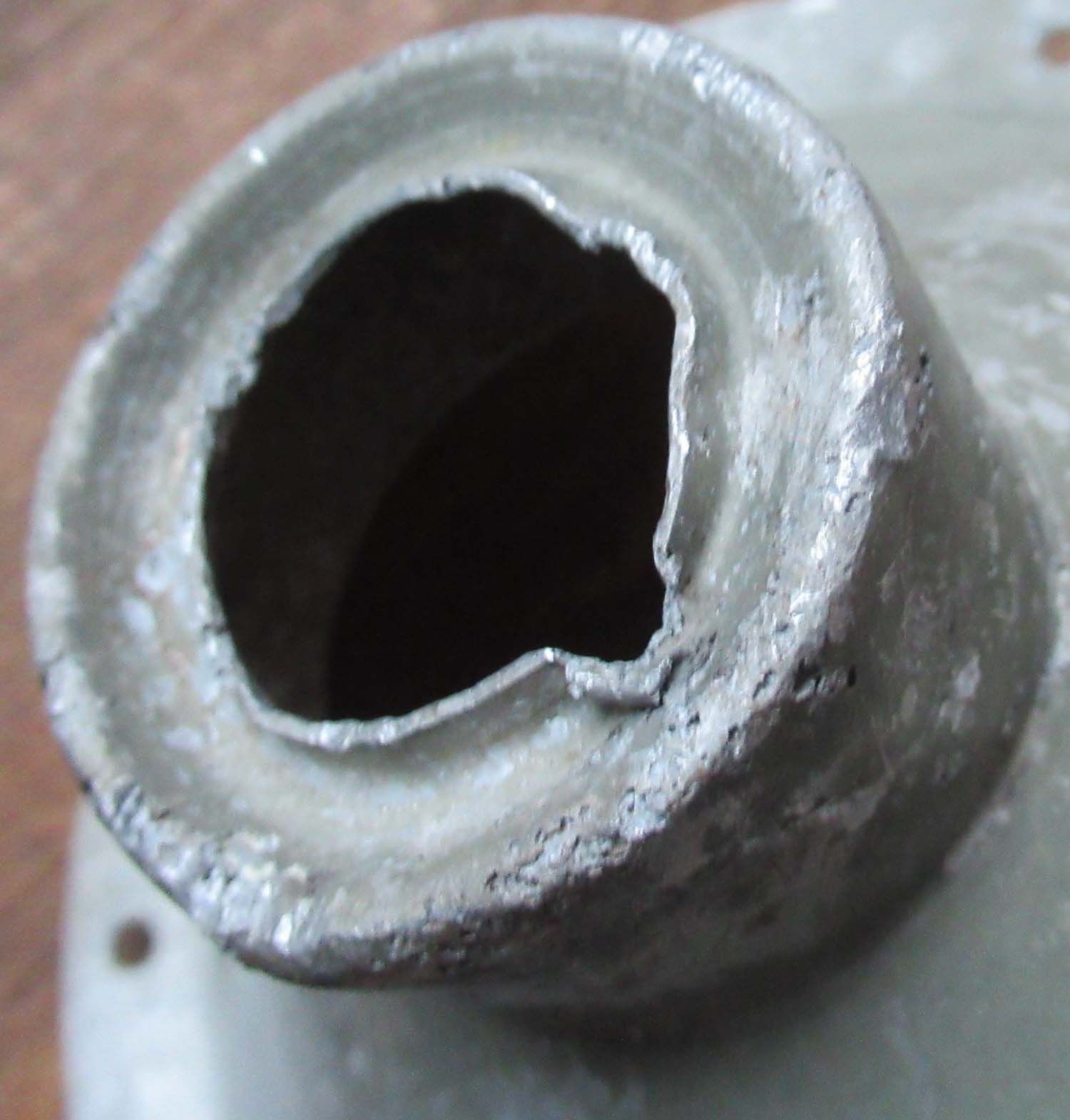
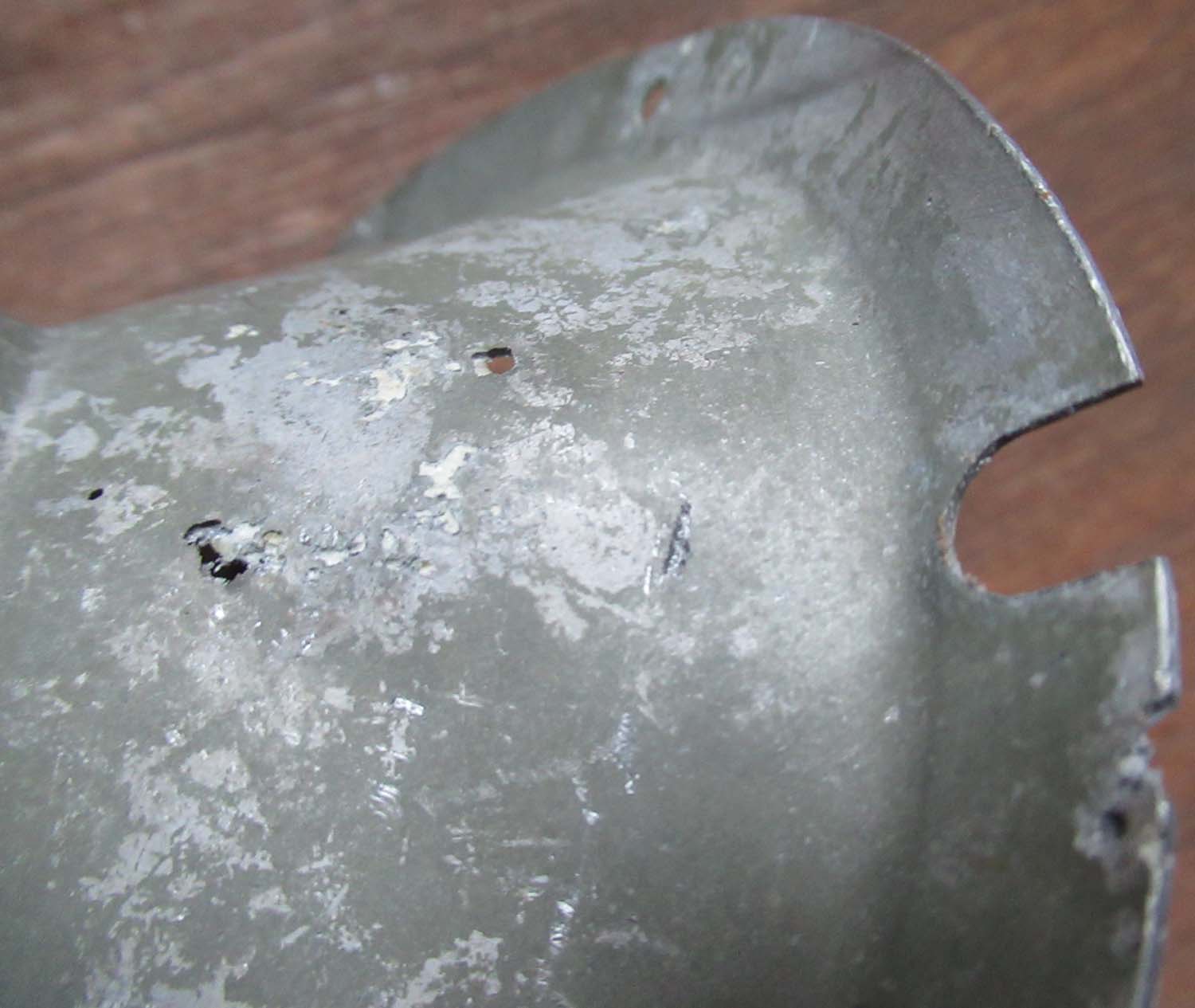
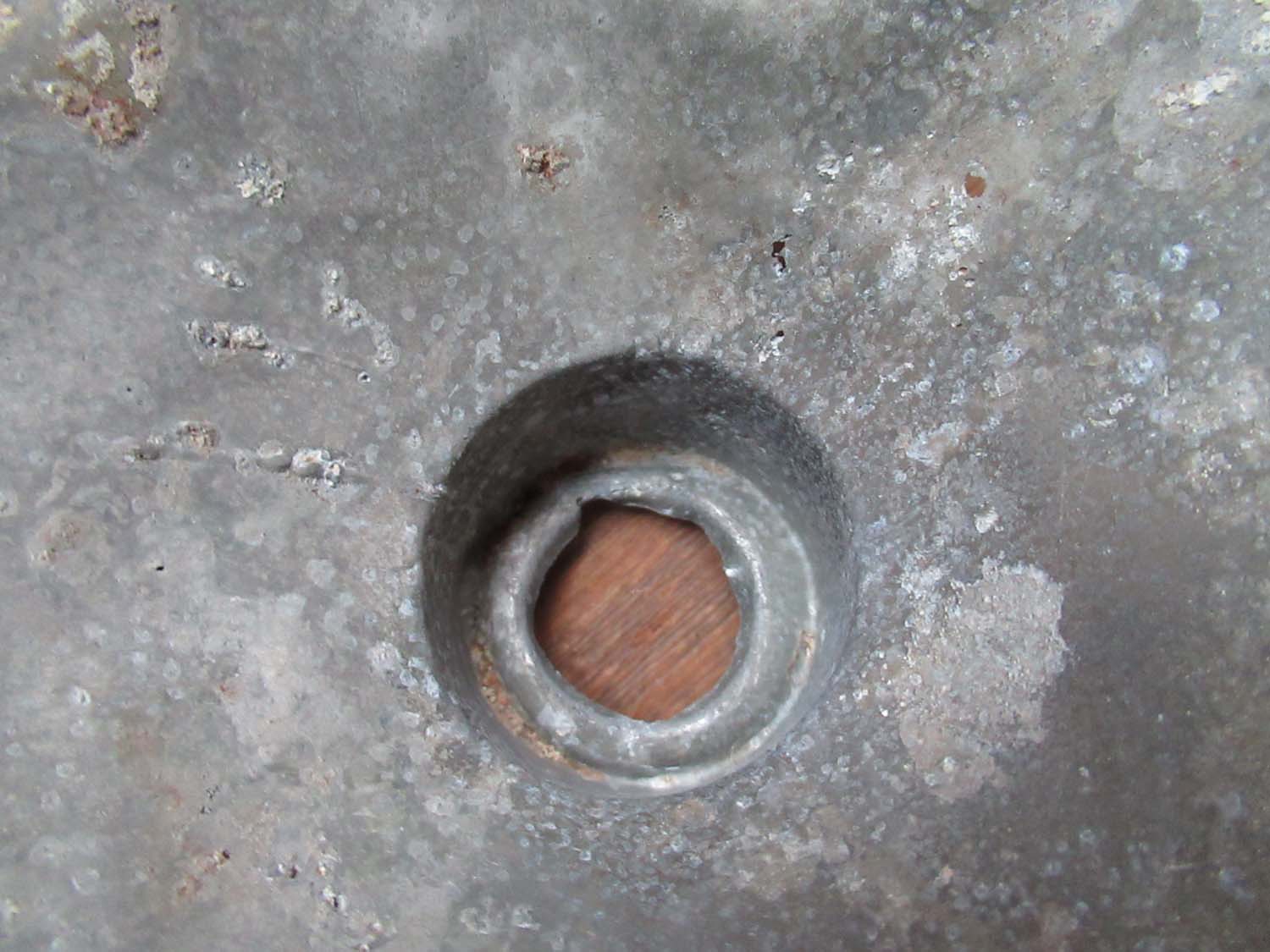
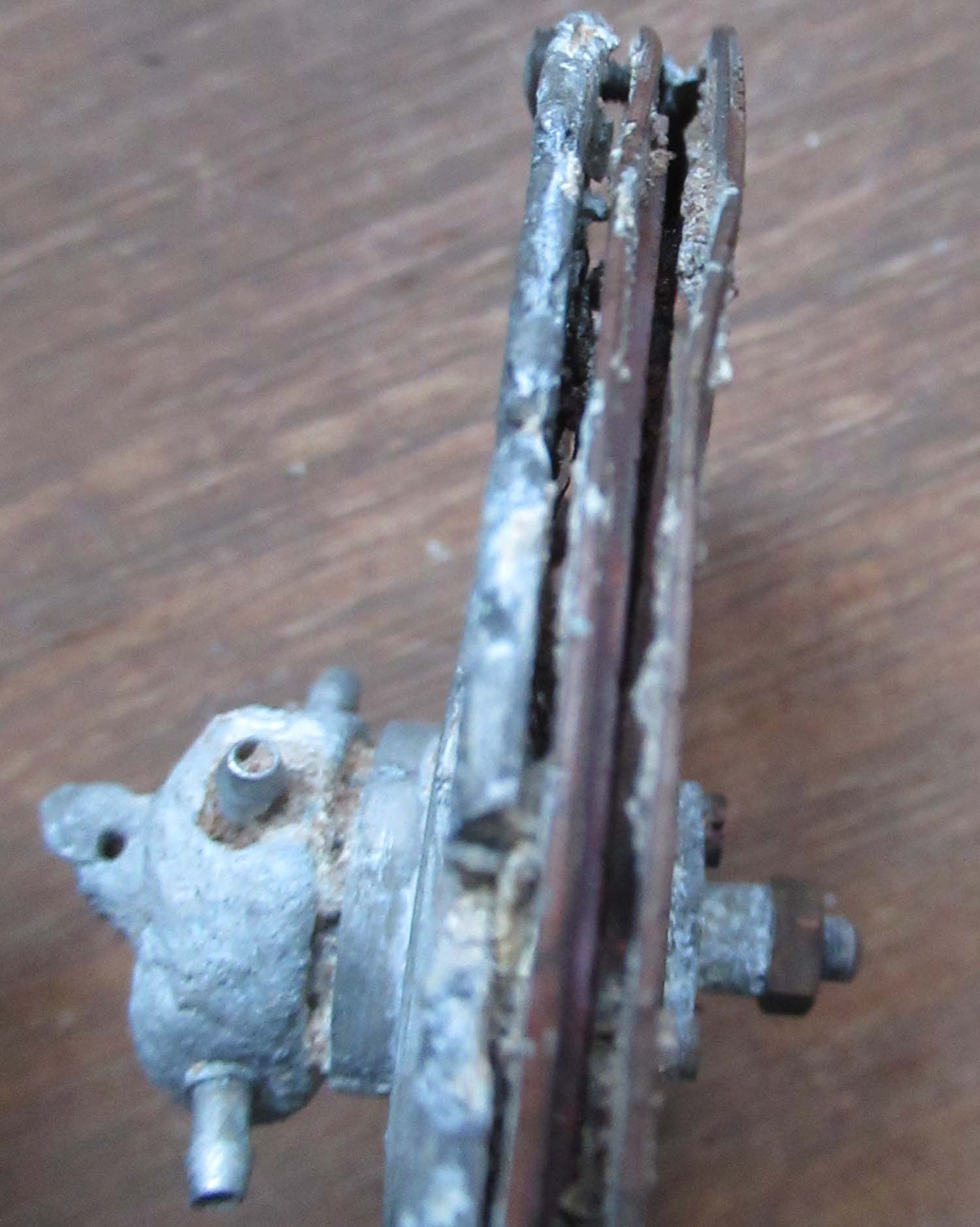
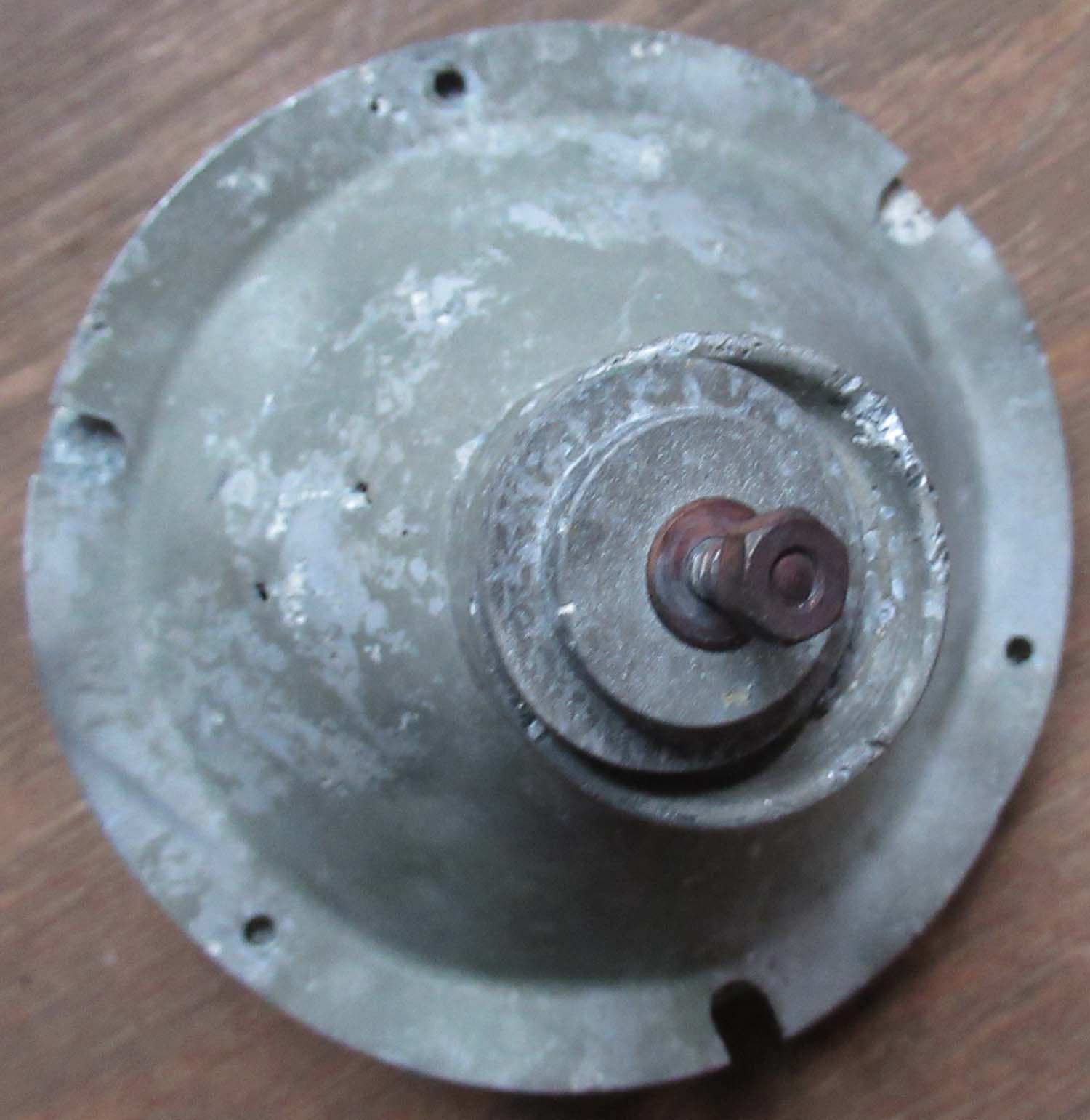
Here is another incredible
rare find from a V1. It is the Gyro compass system that sits
inside the wooden ball and is part of the flying and guidance system of
the V1.
Click on pictures to enlarge
£595
|
|
Click on pictures to enlarge
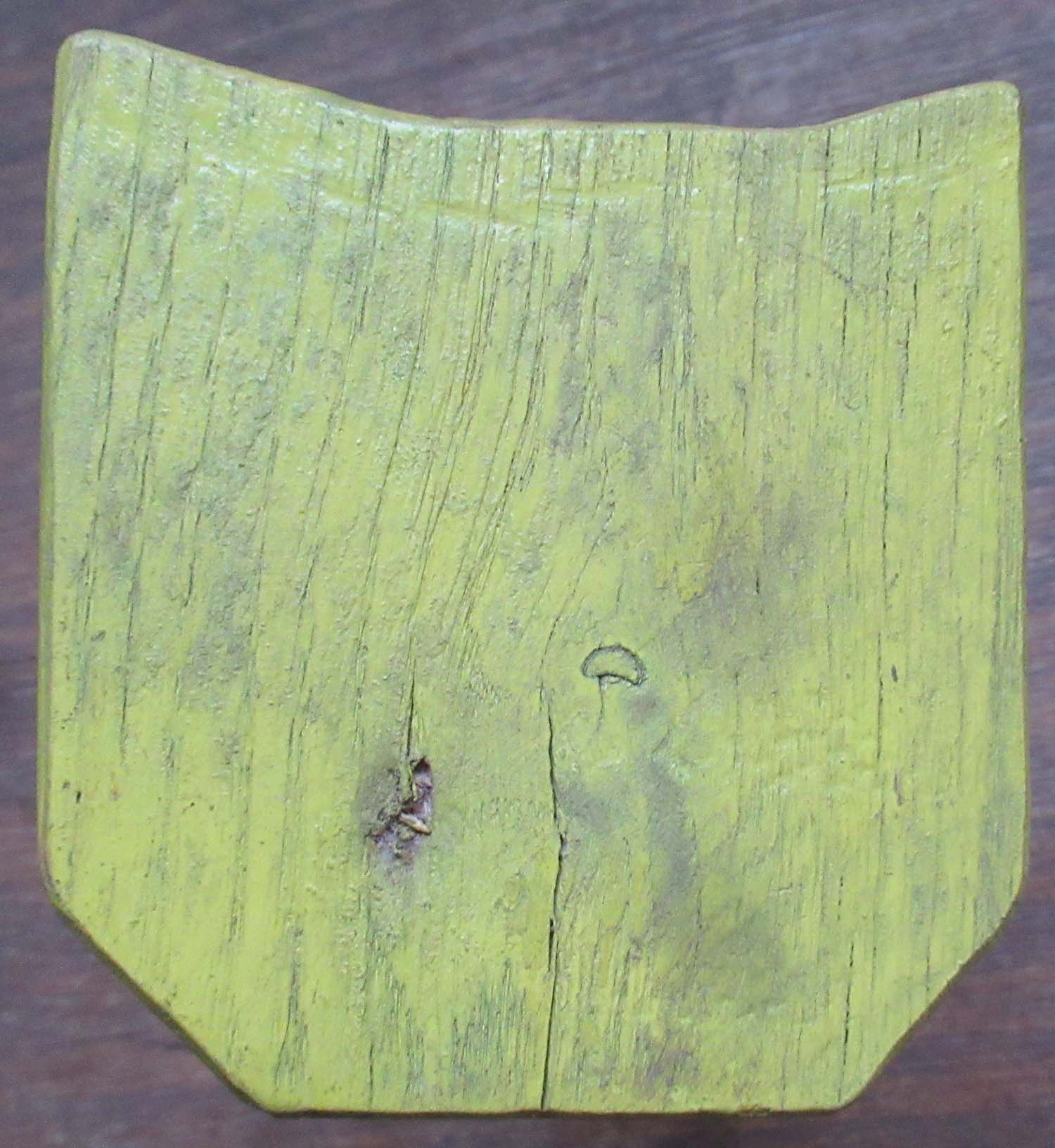 |
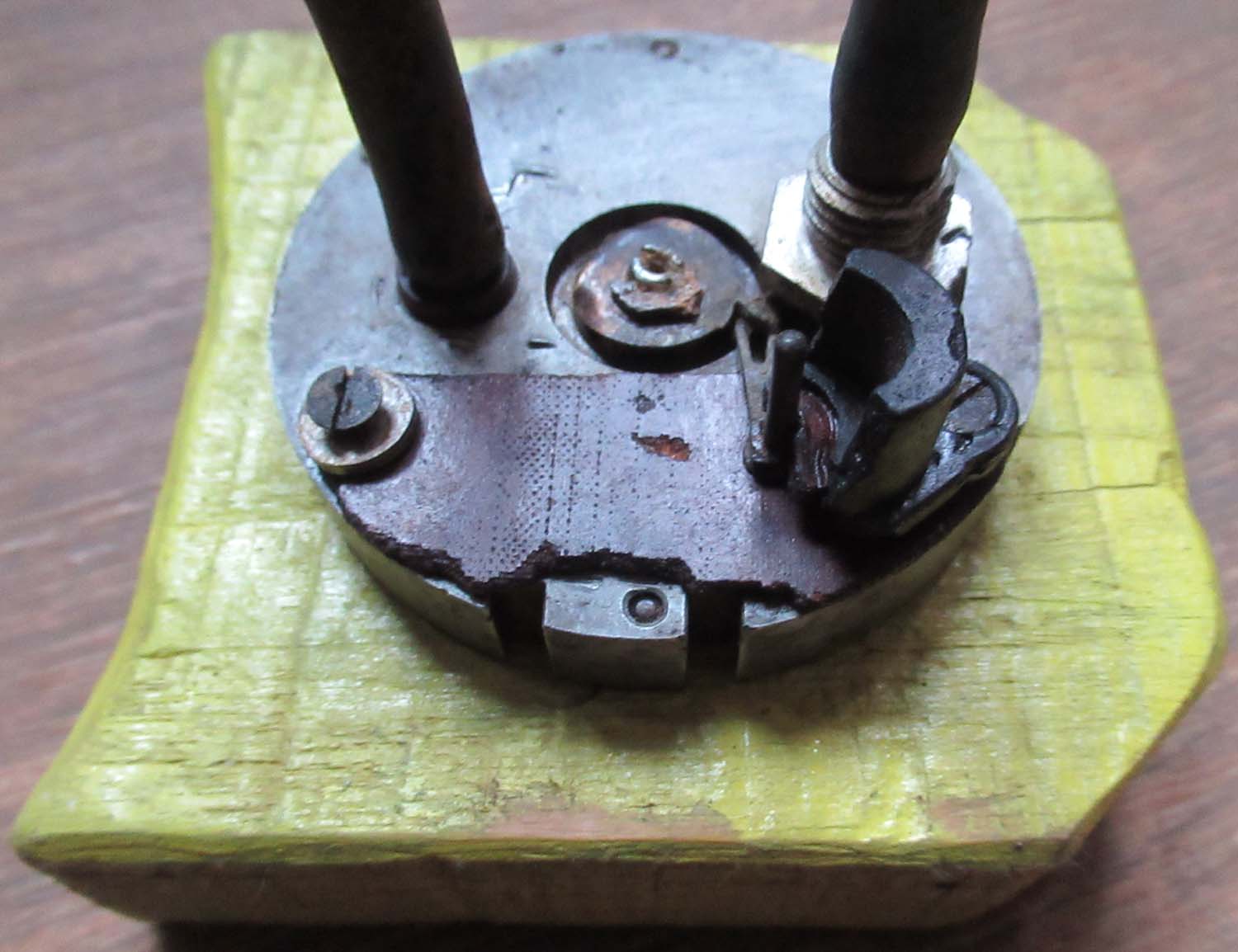
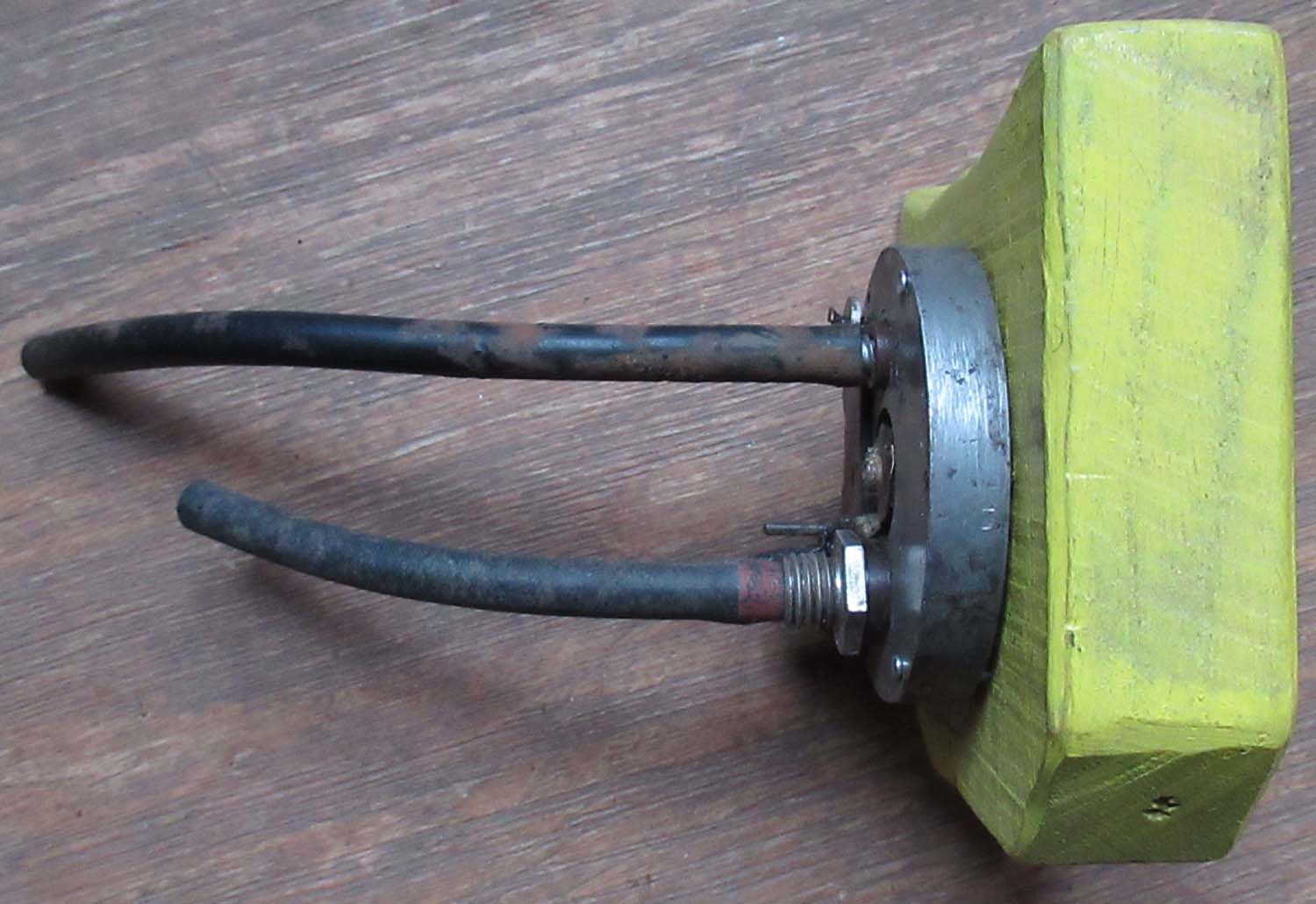
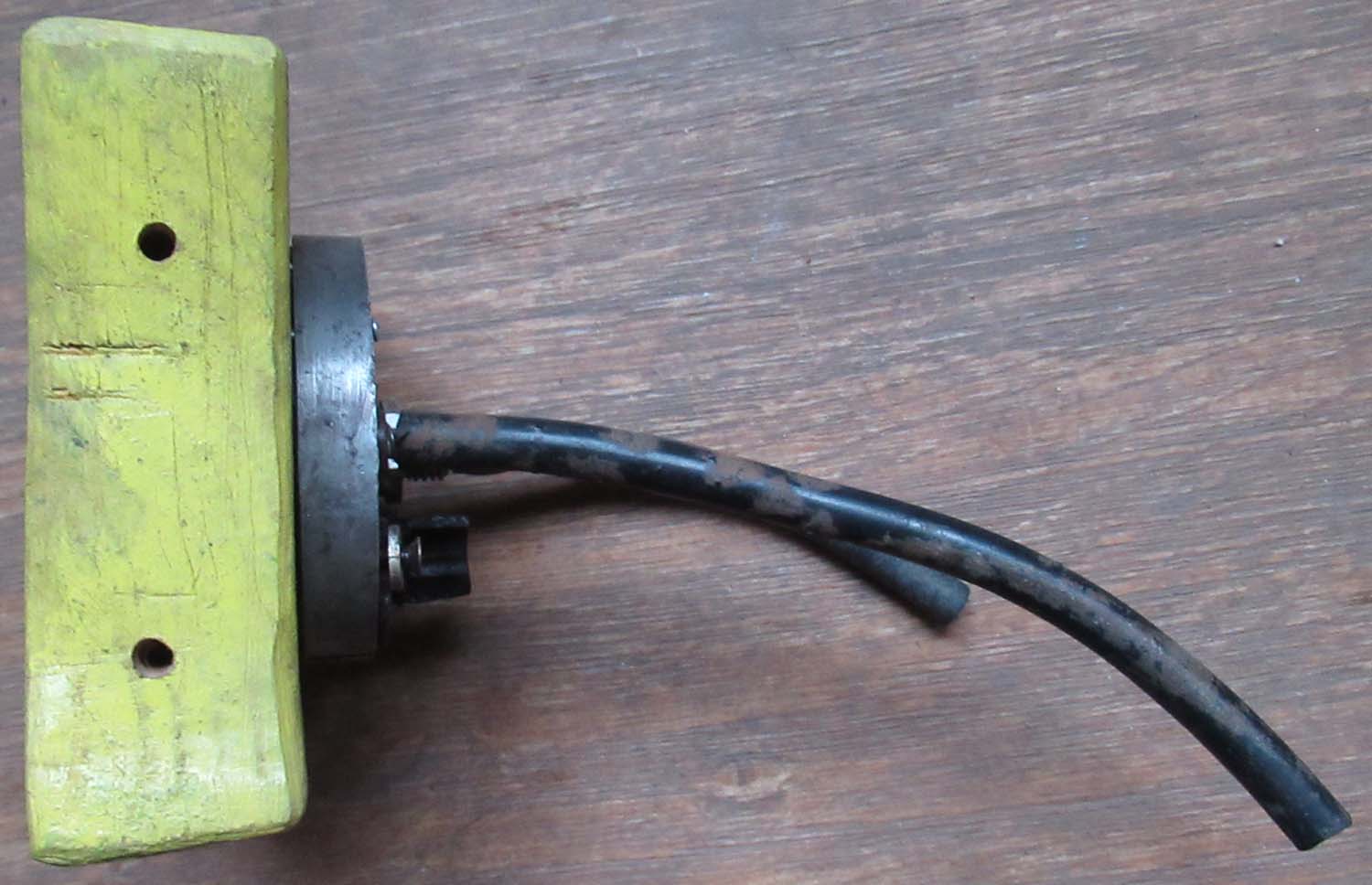
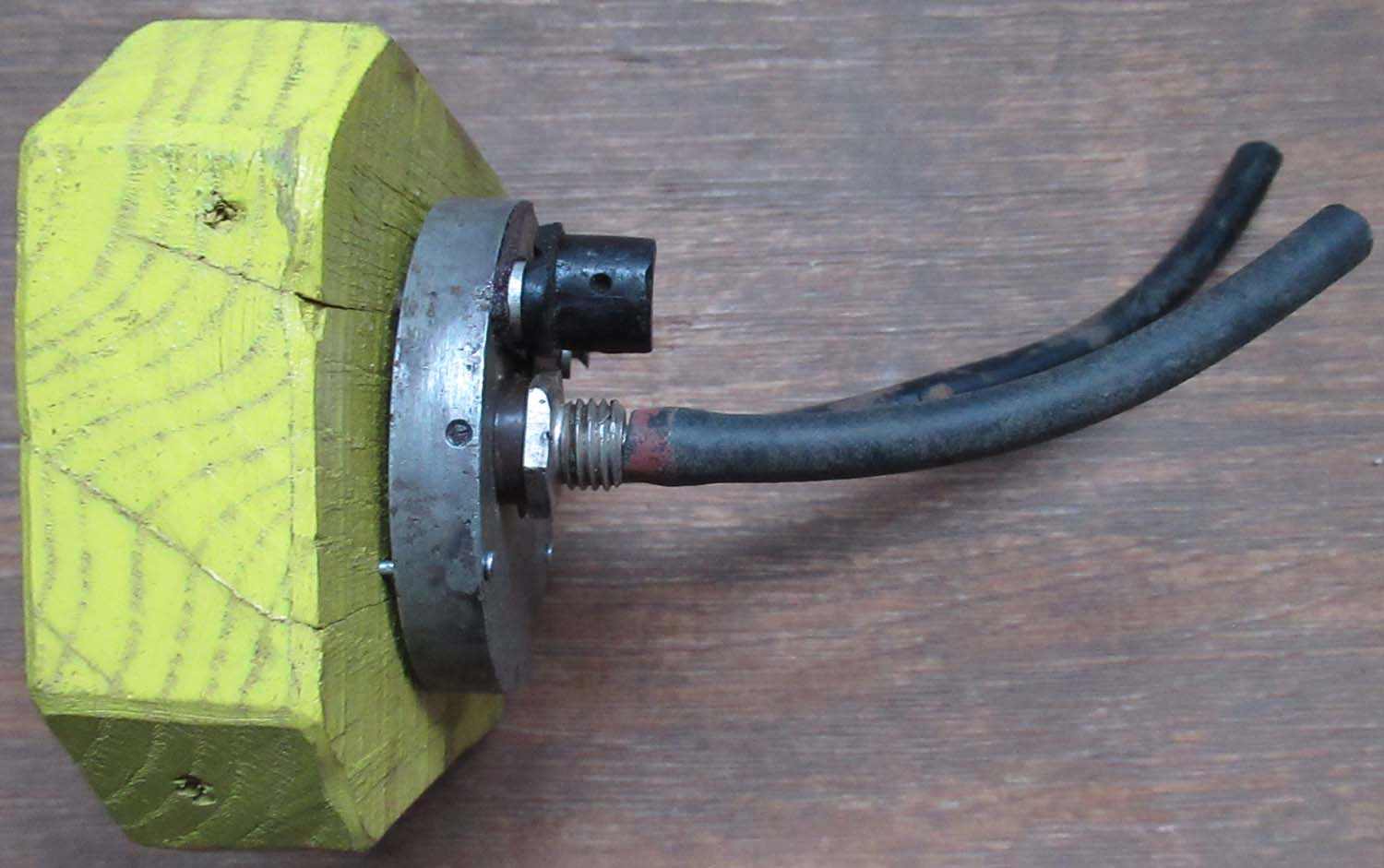
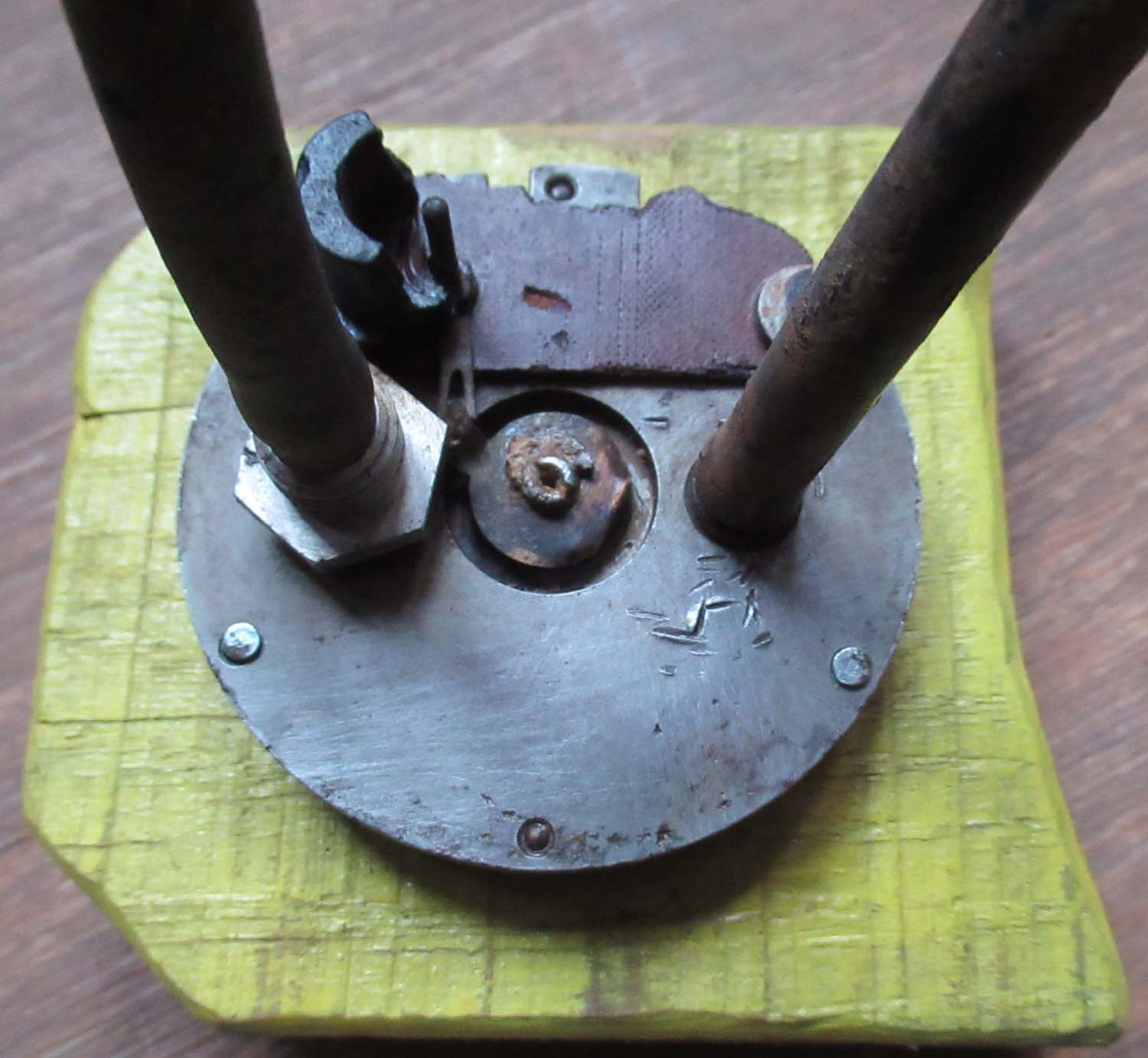
V1 compressed air intake(Pg1 Rocket)
This is a compressed air
intake from a V1, compressed air control the flying surfaces
on the V1 using the Gyro and a compressed air tank.
Again this is in superb
condition for a part from a V1 .
Click on pictures to enlarge
£395
|
|
Click on pictures to enlarge
|
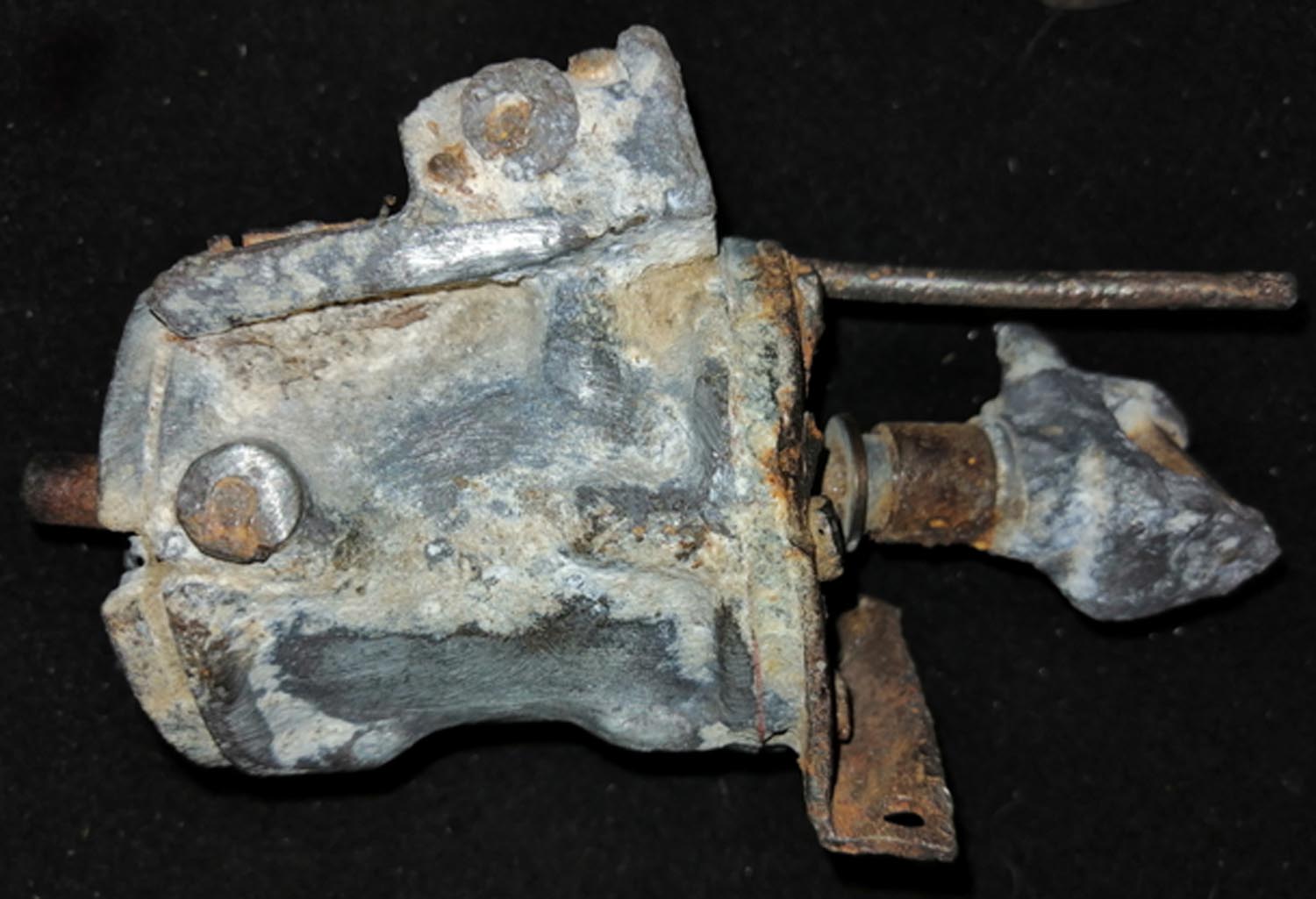
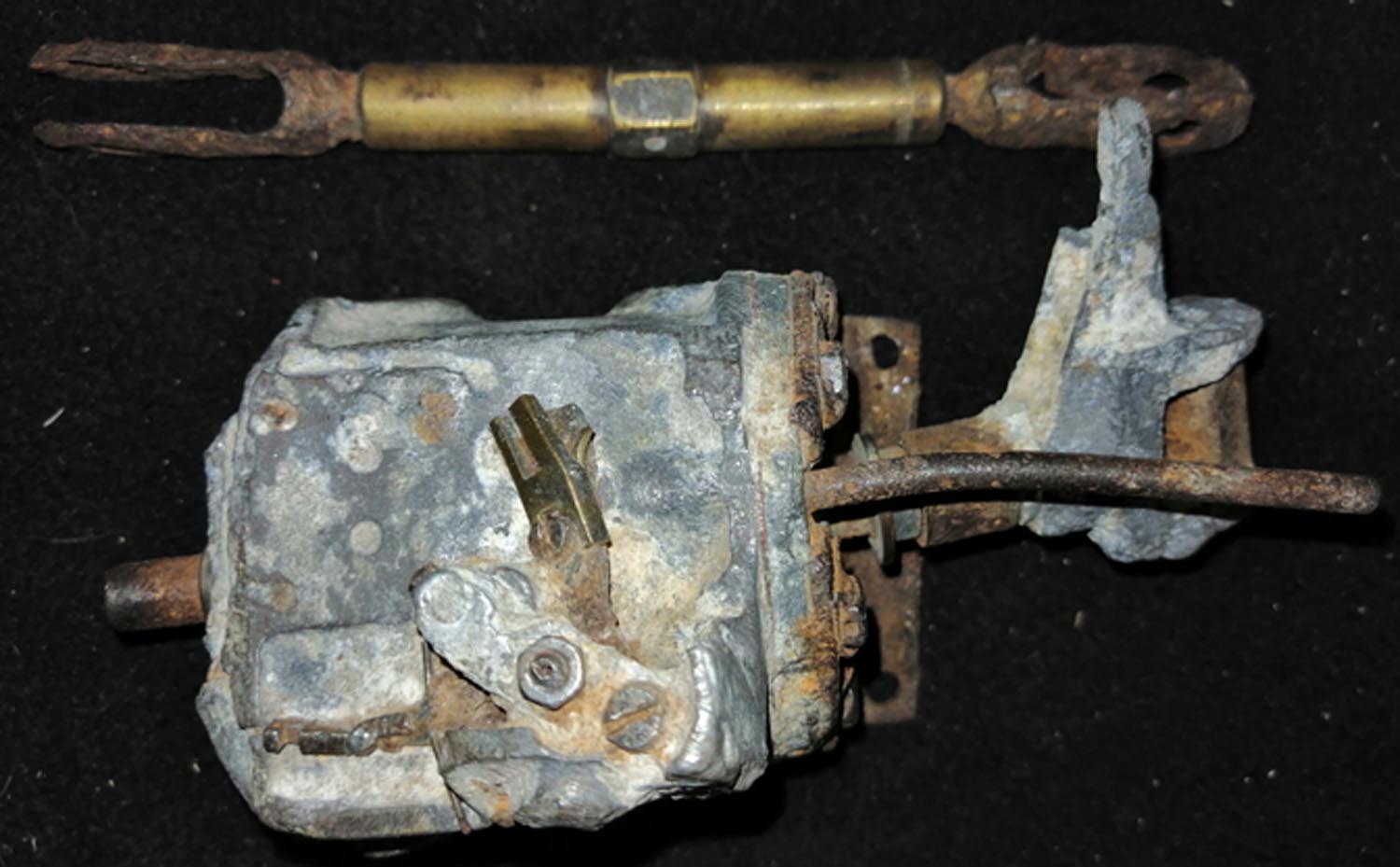
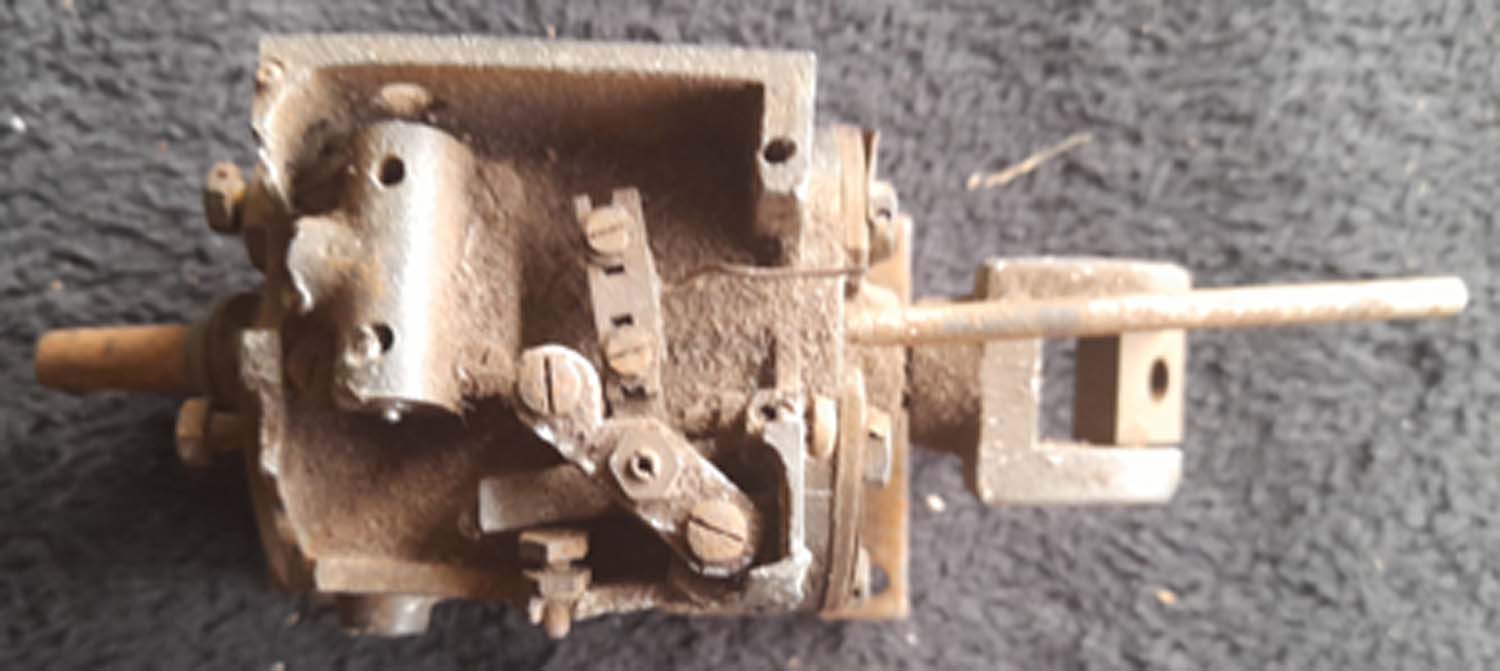
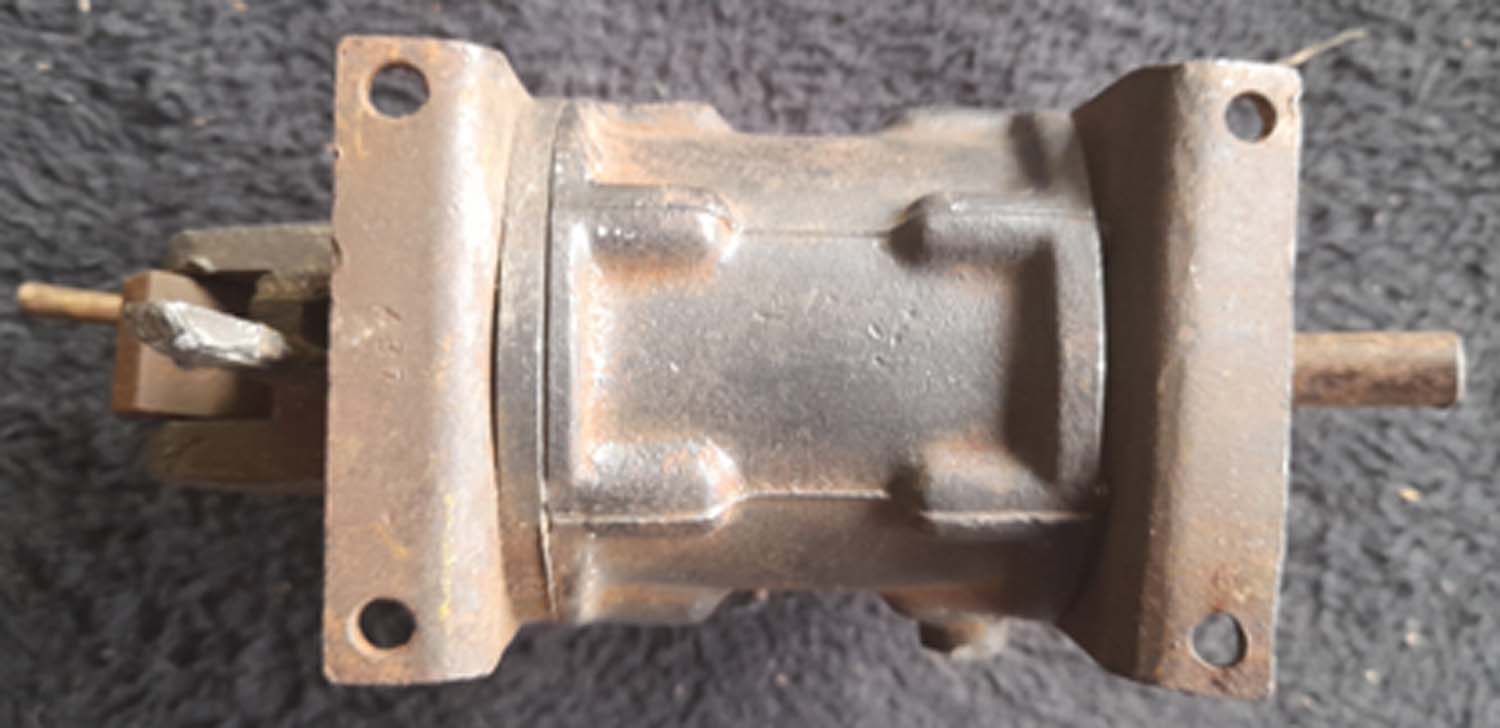
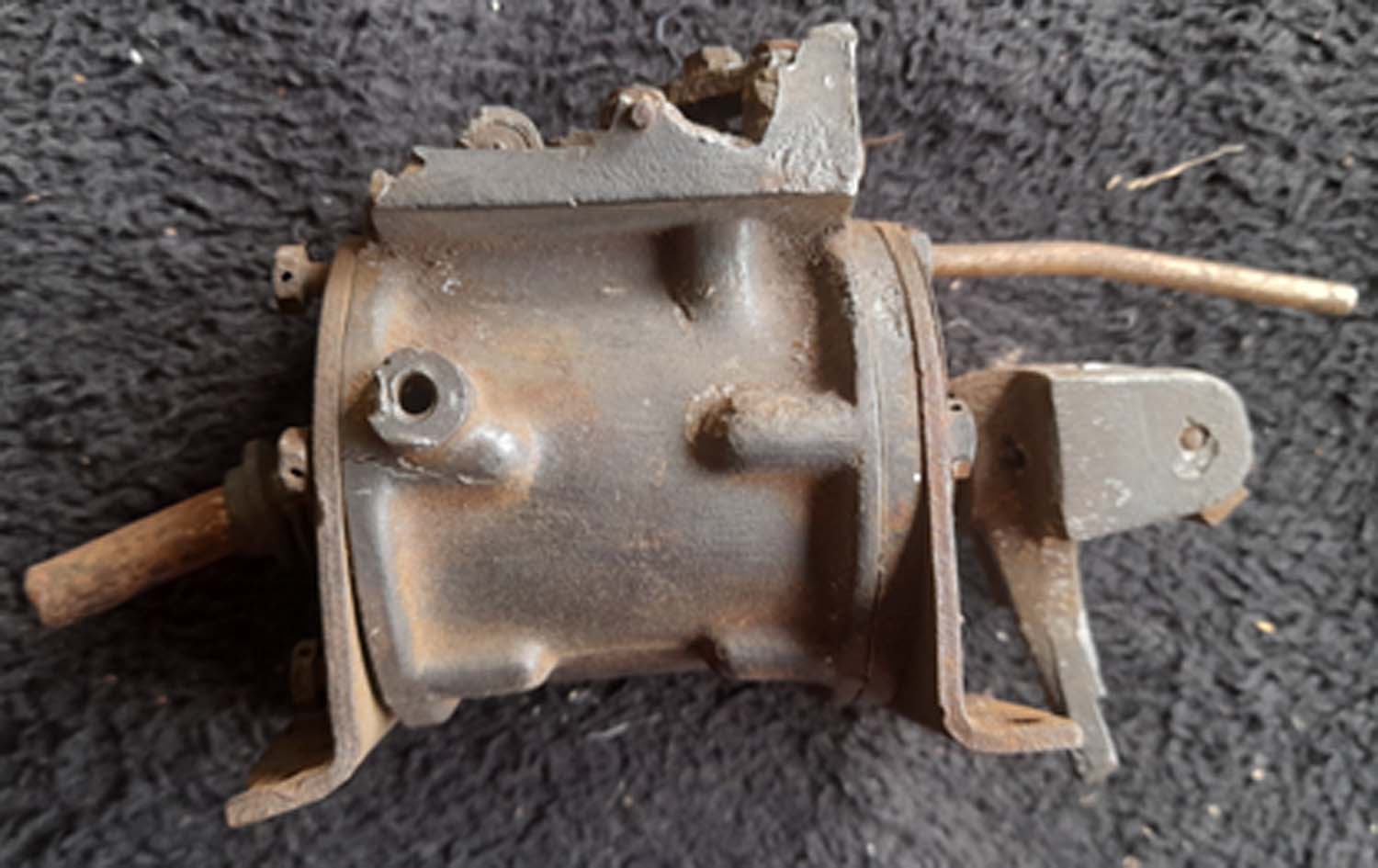
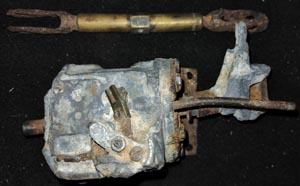
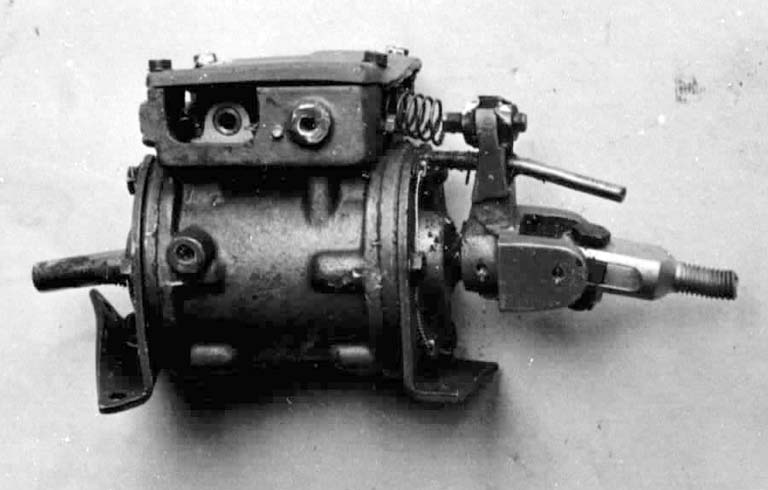
VI Rudder Servo (pg1 Rocket)
This is a servo from a VI
flying bomb this particular piece was a servo which
controlled the rudder or elevator. The picture on the left
shows a piece in better condition. Clearly this has been in
the ground for a number of years but you can clearly see
what it is, it was sourced from Holland.
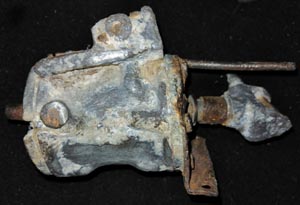
£295
|
|
Click on pictures to enlarge
|
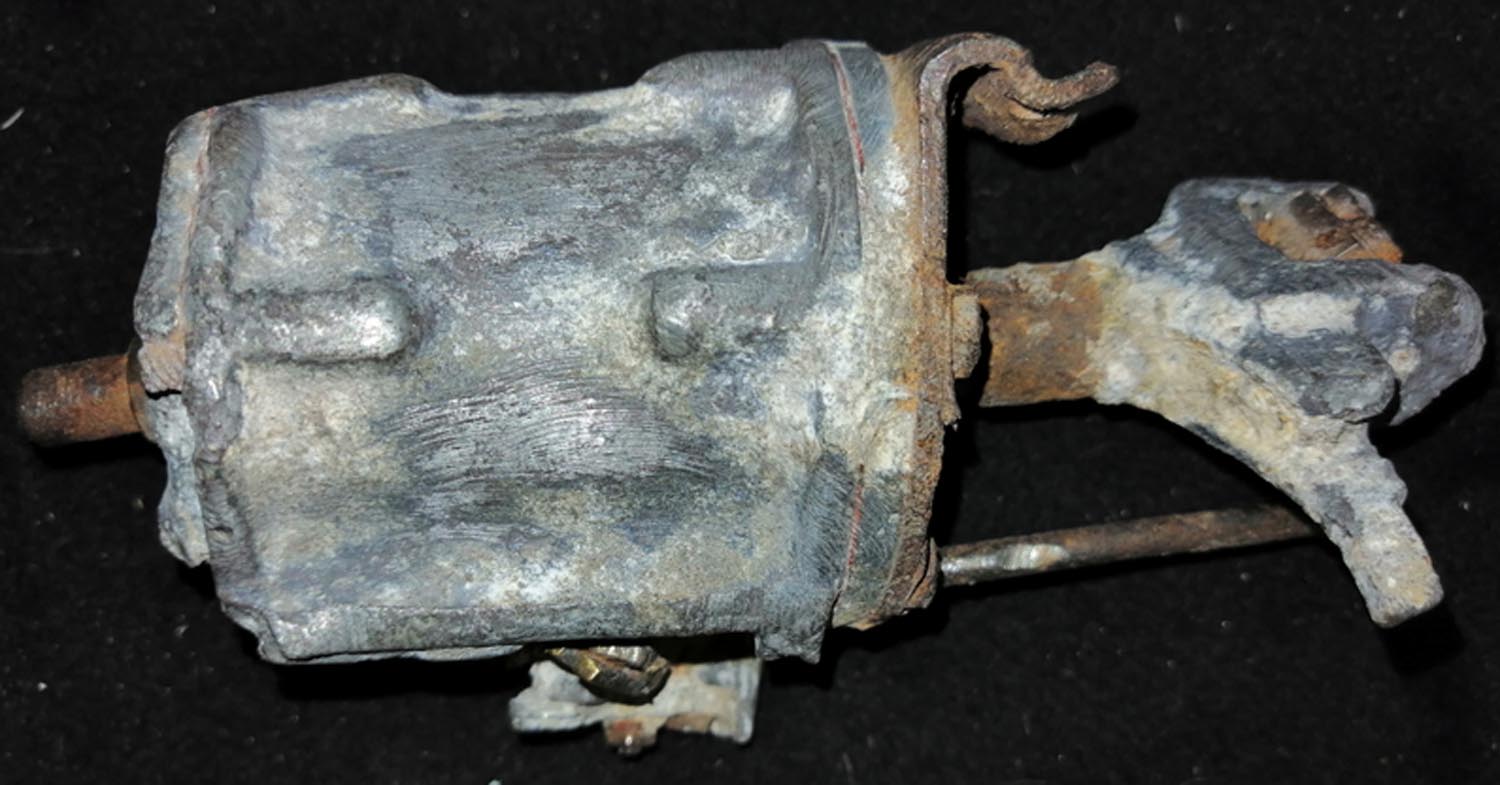
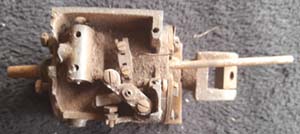
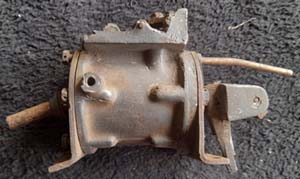
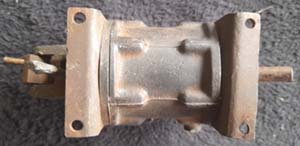
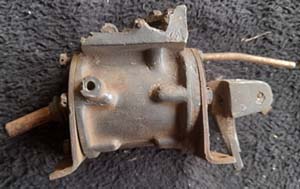
VI Rudder Servo
2 (pg1 Rocket)
This is a servo from a VI
flying bomb this particular piece was a servo which
controlled the rudder or elevator. This second example
although damaged is in better condition than the one shown
above.
Click on pictures to enlarge
£325
|
|
Click on pictures to enlarge
|
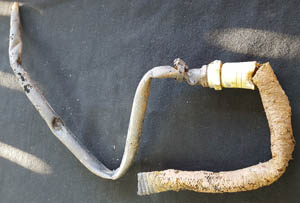
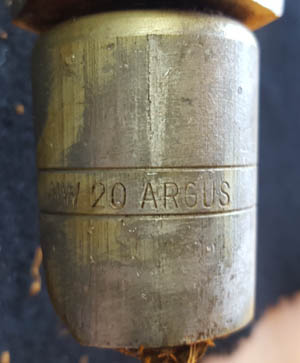
V1 Engine Pipe
(pg1 Rocket)
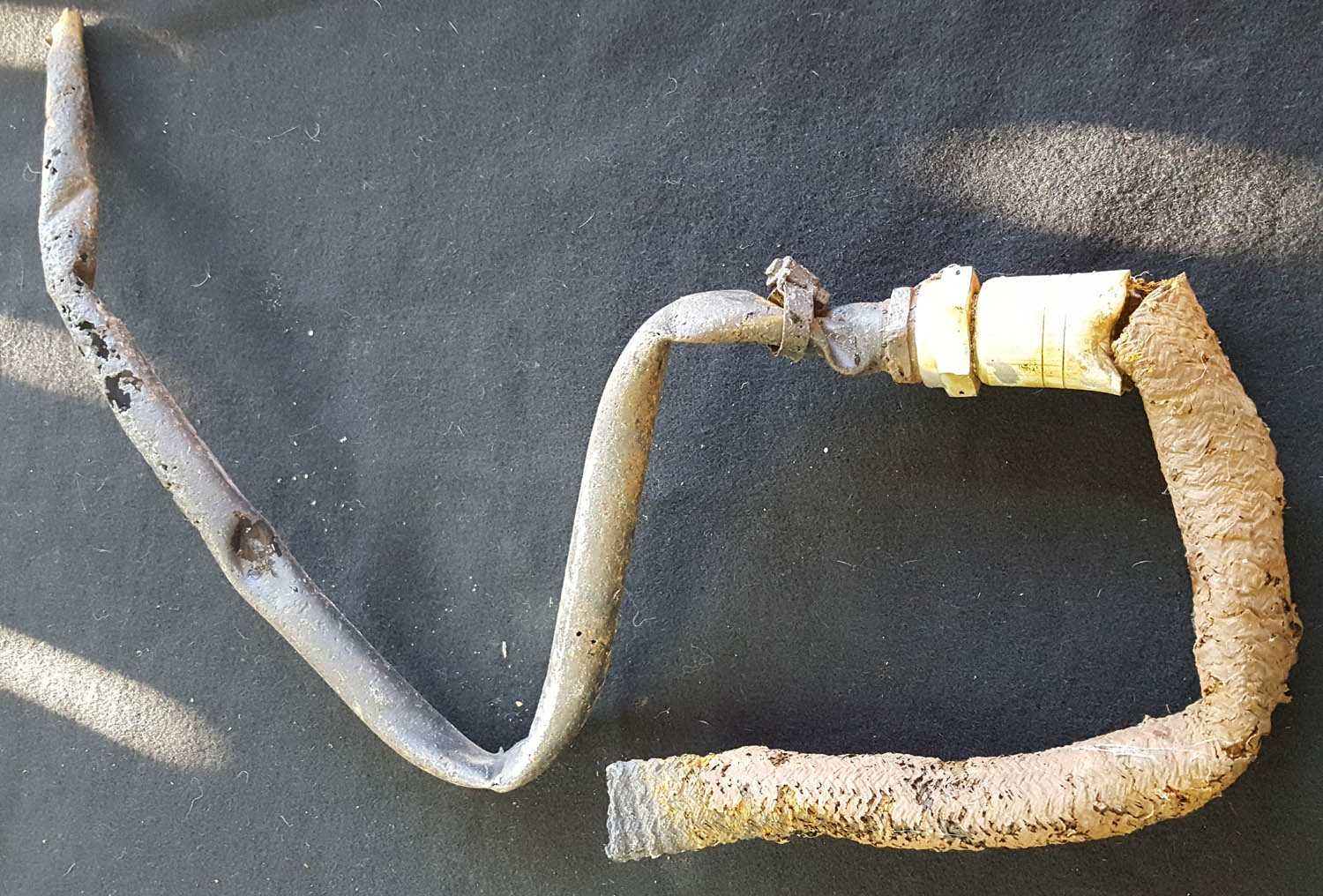
This pipe
would have been connected to the Argus Pulse Jet Engine that
powered the V1.
£125
|
|
Click on pictures to enlarge
 |
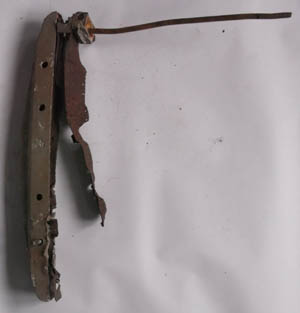
V1 Engine
Part
3 (pg1 Rocket)
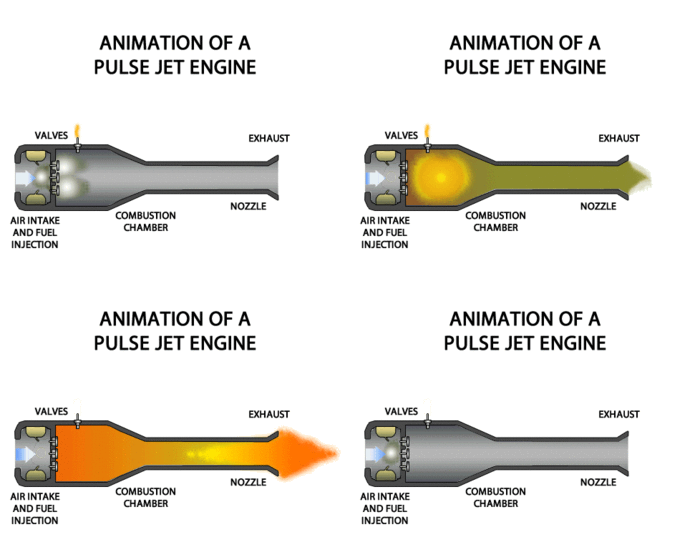
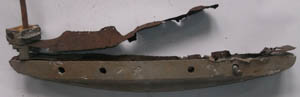
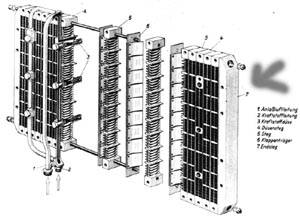
Here is a large, piece of a V1 rocket motor. This
piece forms the side of the motor as seen in the diagram.
Out of stock more wanted
contact me |
|
Click on picture to enlarge
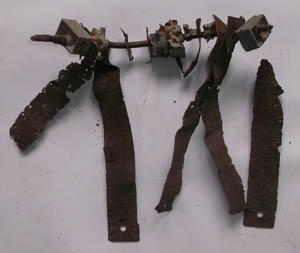
This is the remains of the
V1 rocket motor that holds the intake grills
|
V1 Engine
part 4 (pg1 Rocket)
£125
|
|
Click on picture to enlarge
 |
V1 Engine
Fuel System Part (pg1 Rocket)
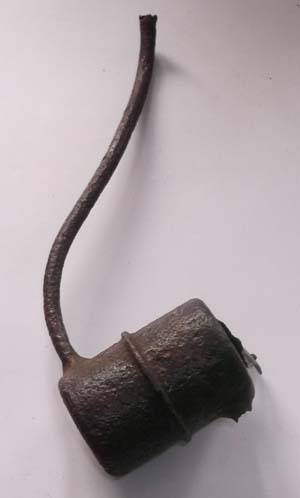
This piece is
from the V1 fuel system. it has something to do with the fuel
and air mixing.
£85
|
|
Click on pictures to enlarge
£175
|
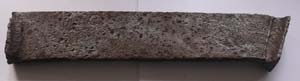
V1 Pressed
Steel Wing Rib (pg1 Rocket)
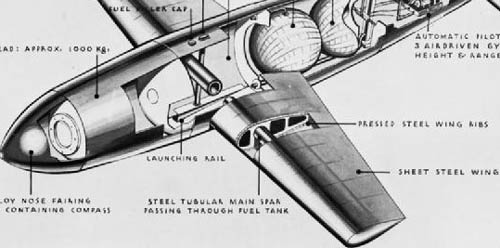
This piece is
from the V1 wing and is the up right part of the pressed steel rib.
Seen in
situ under.
|
|
Click on pictures to enlarge
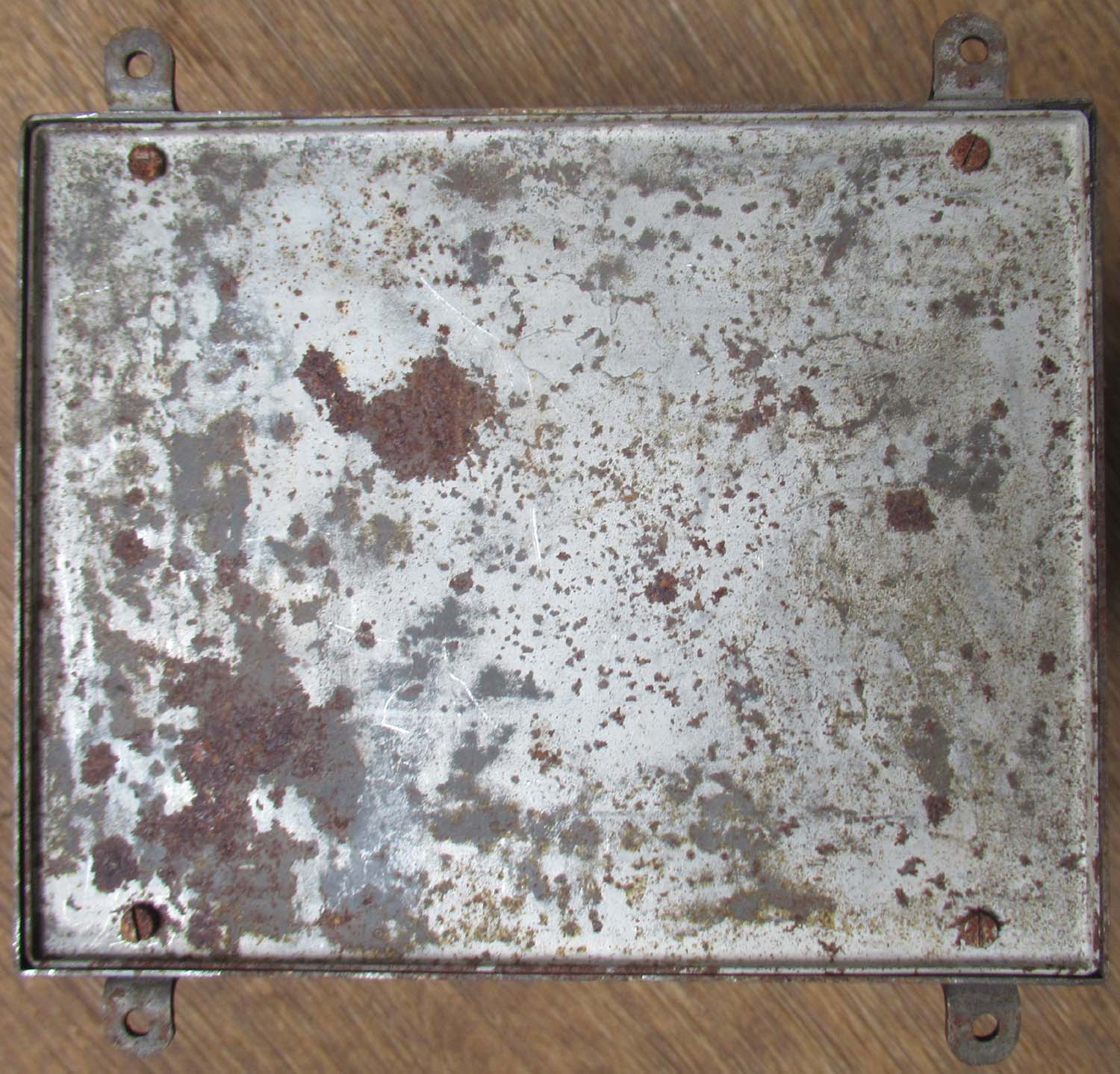 |
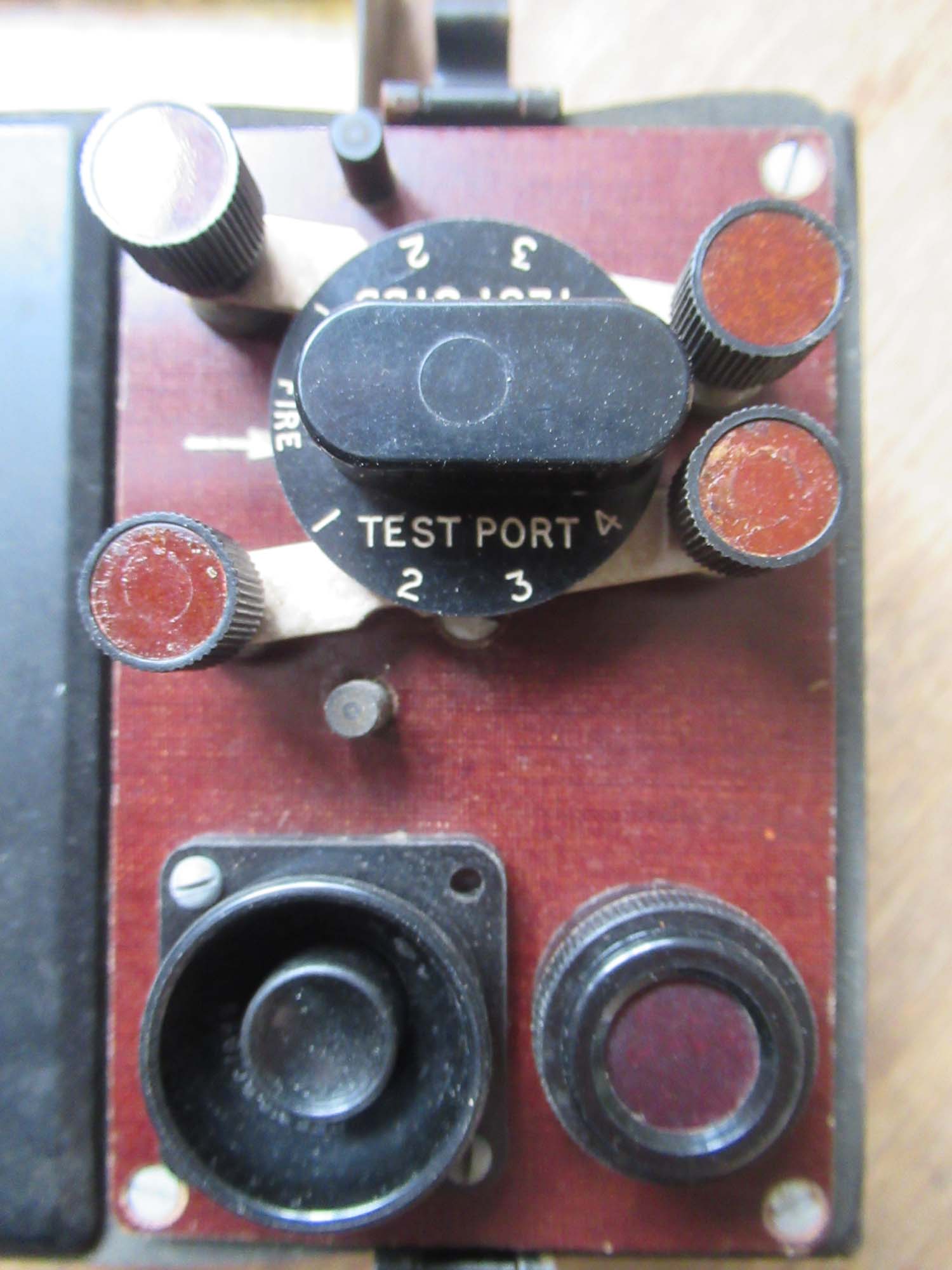
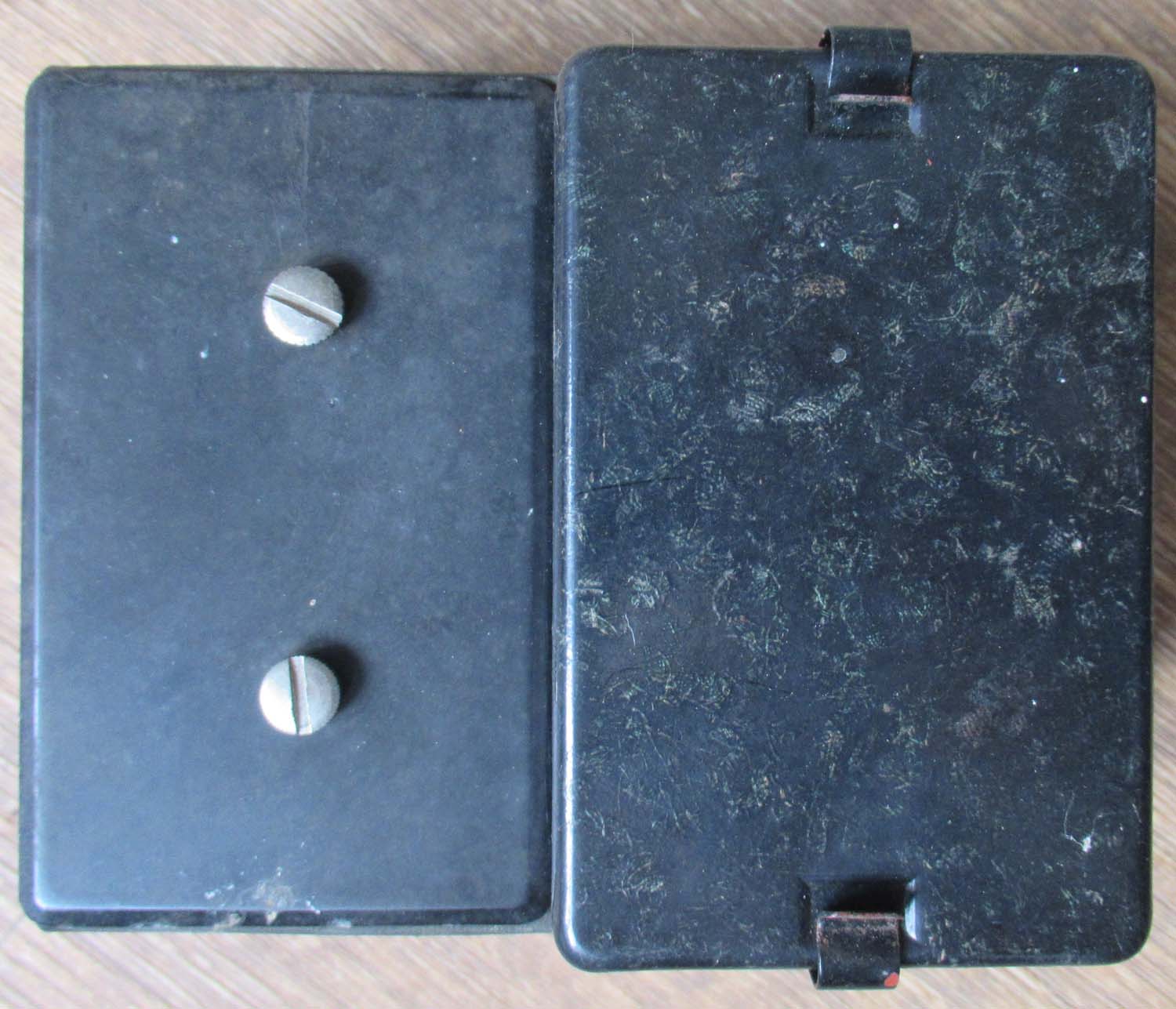
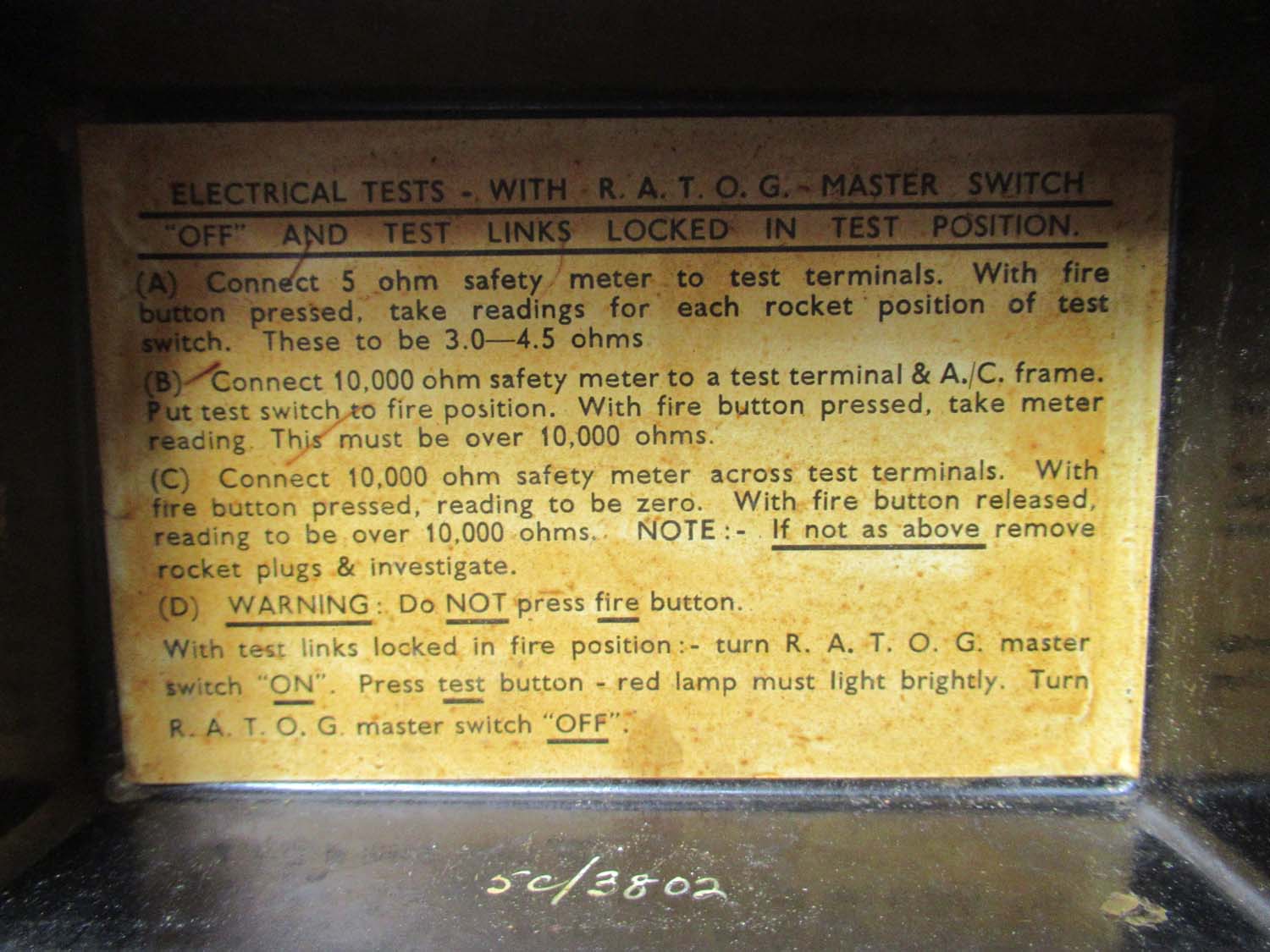
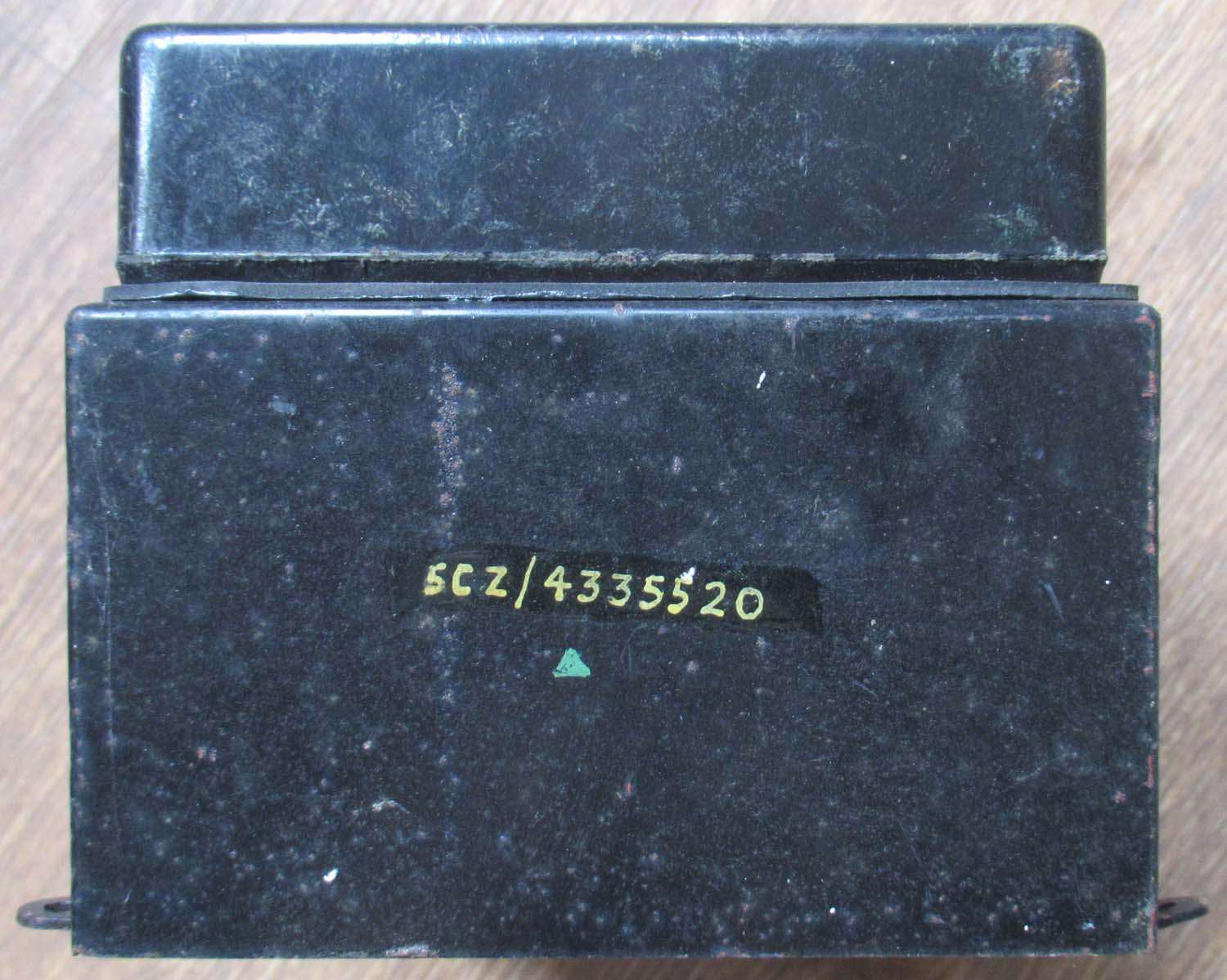
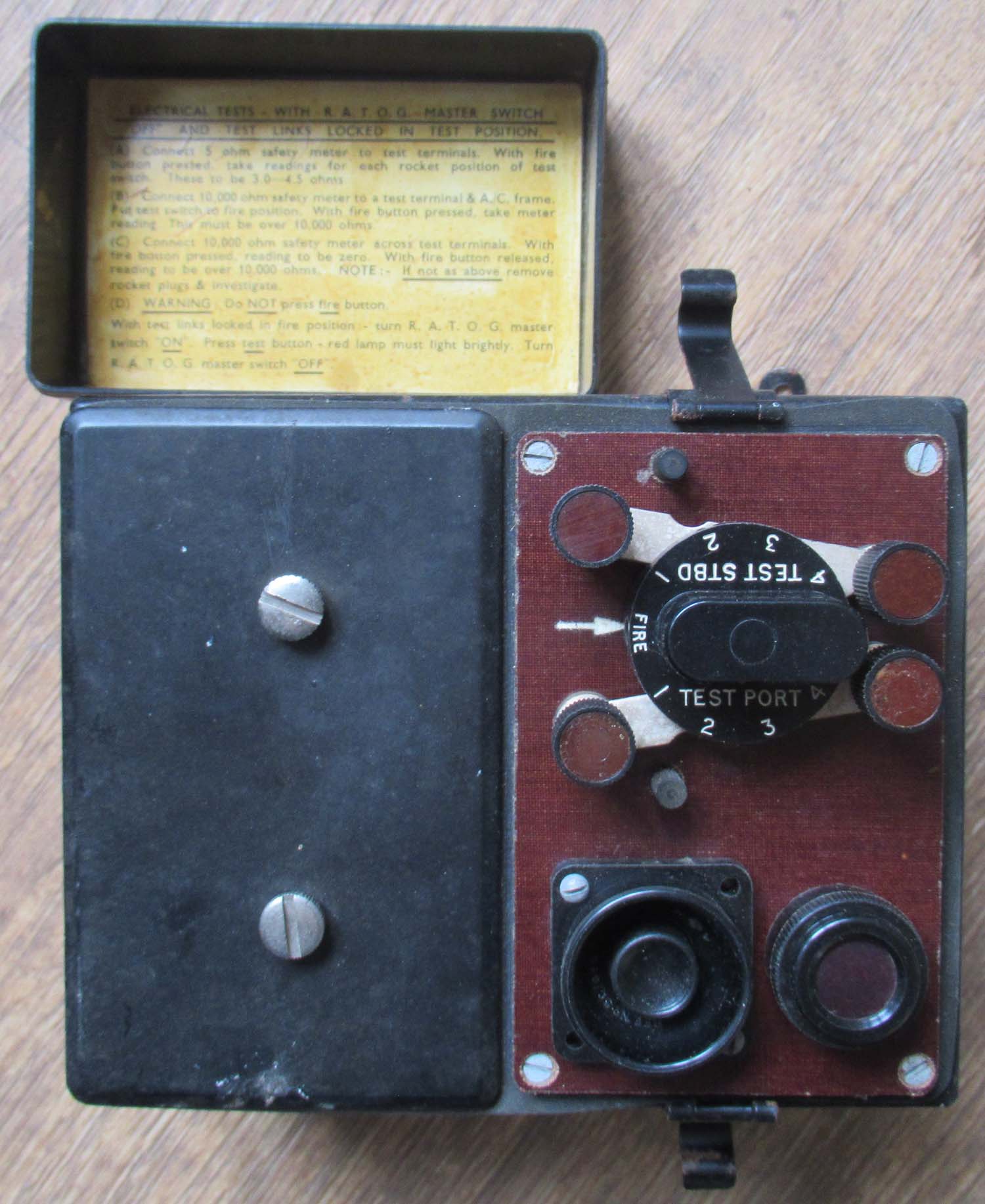
RATOG Master Switch
From the
Royal Naval Aircraft Workshop in Perth.
This is the master switch
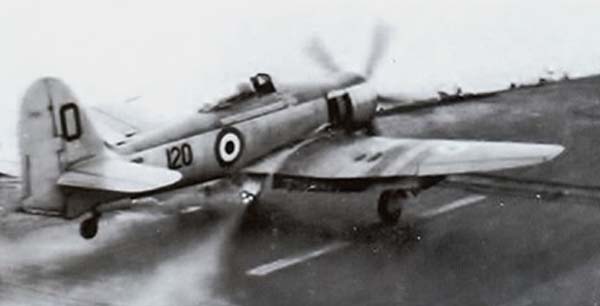
for RATOG which is Rocket assisted Take Off Gear. These were
used on Carriers for a variety of aircraft to assist take
off in light winds with heavy loads.
To fly, a Sea Fury needs 90 knots of airflow
over the wings. So with the ship doing 22 knots in calm air
you would just about have enough airflow over the wings to
get airborne. The ship always turned into wind to launch and
recover aircraft.
With 1000lb bombs mounted more like 95 knots was needed so
RATOG,
(rocket assisted take off), was used instead of the
catapult. Rockets were attached to the underside of the
aircraft and the take off run was started from the stern of
the ship.
At a predetermined point on the take-off run you would fire
the rockets and you hopefully found yourself up in the air.
The rocket carriers were jettisoned after take-off.
5CZ/4335520
5C/3802
Click on pictures to enlarge
Find this
in Undercarriage
|
|
Click on pictures to enlarge
|
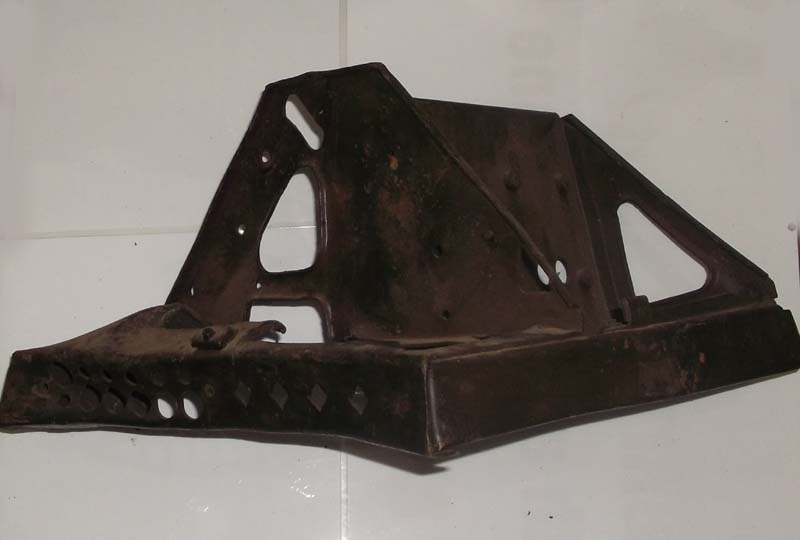
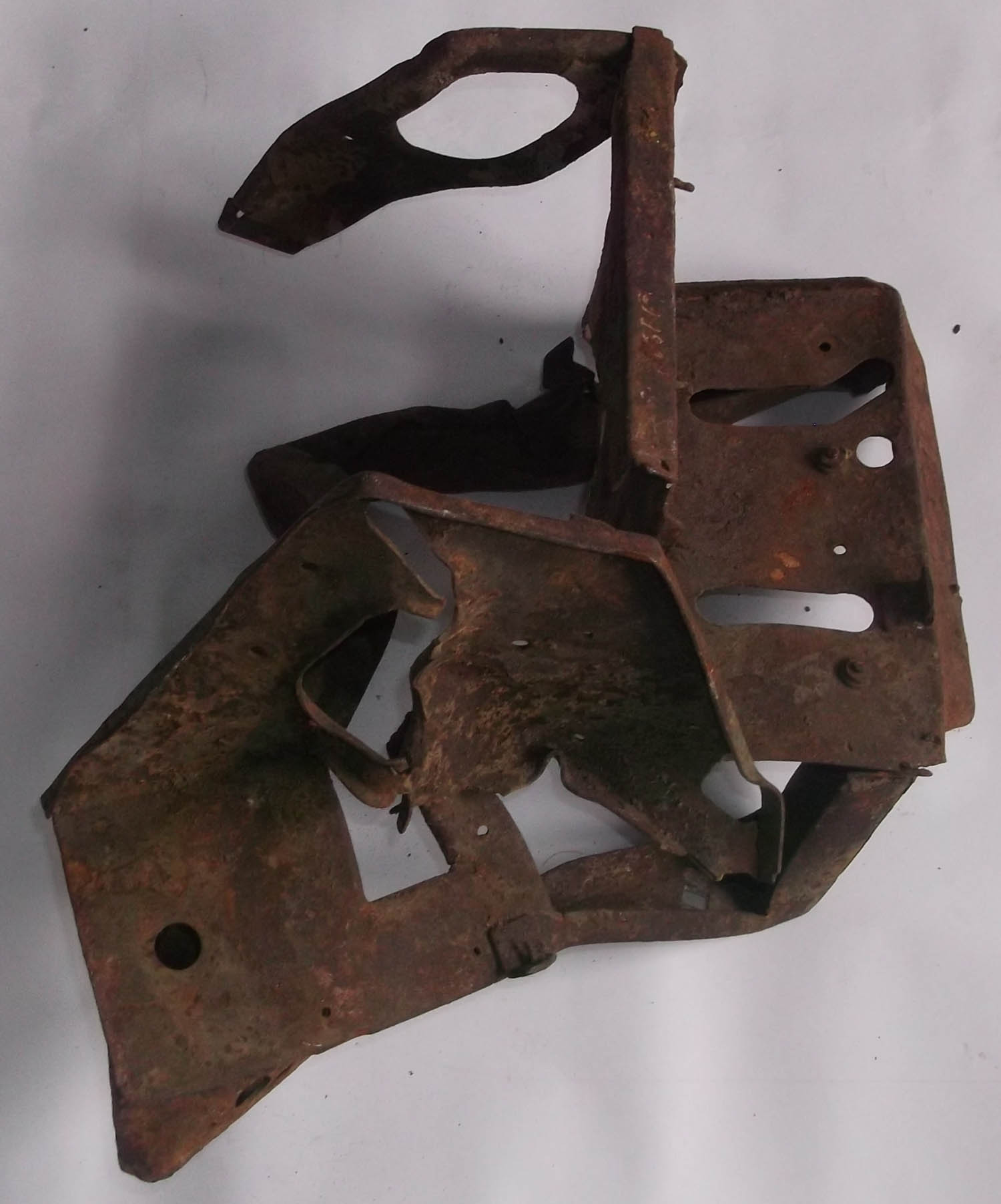
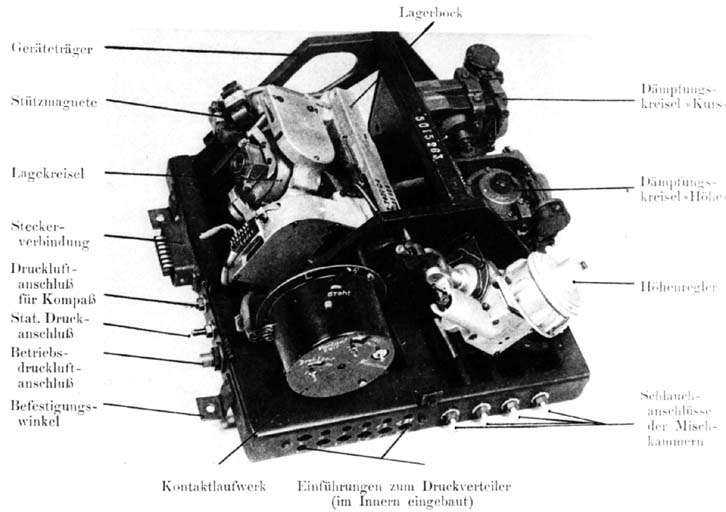
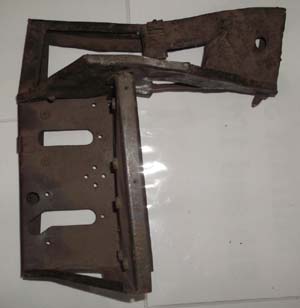
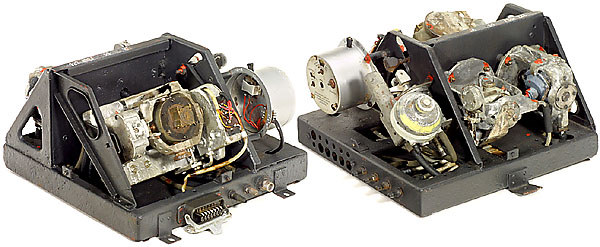
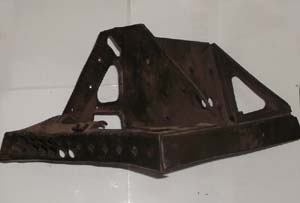
V1 Giro Auto Pilot
Mounting Tray (Pg1 rocket)
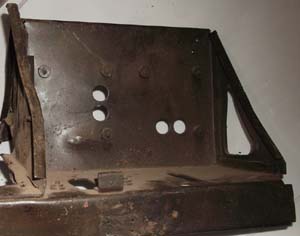
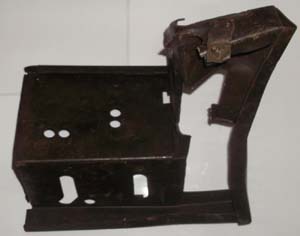
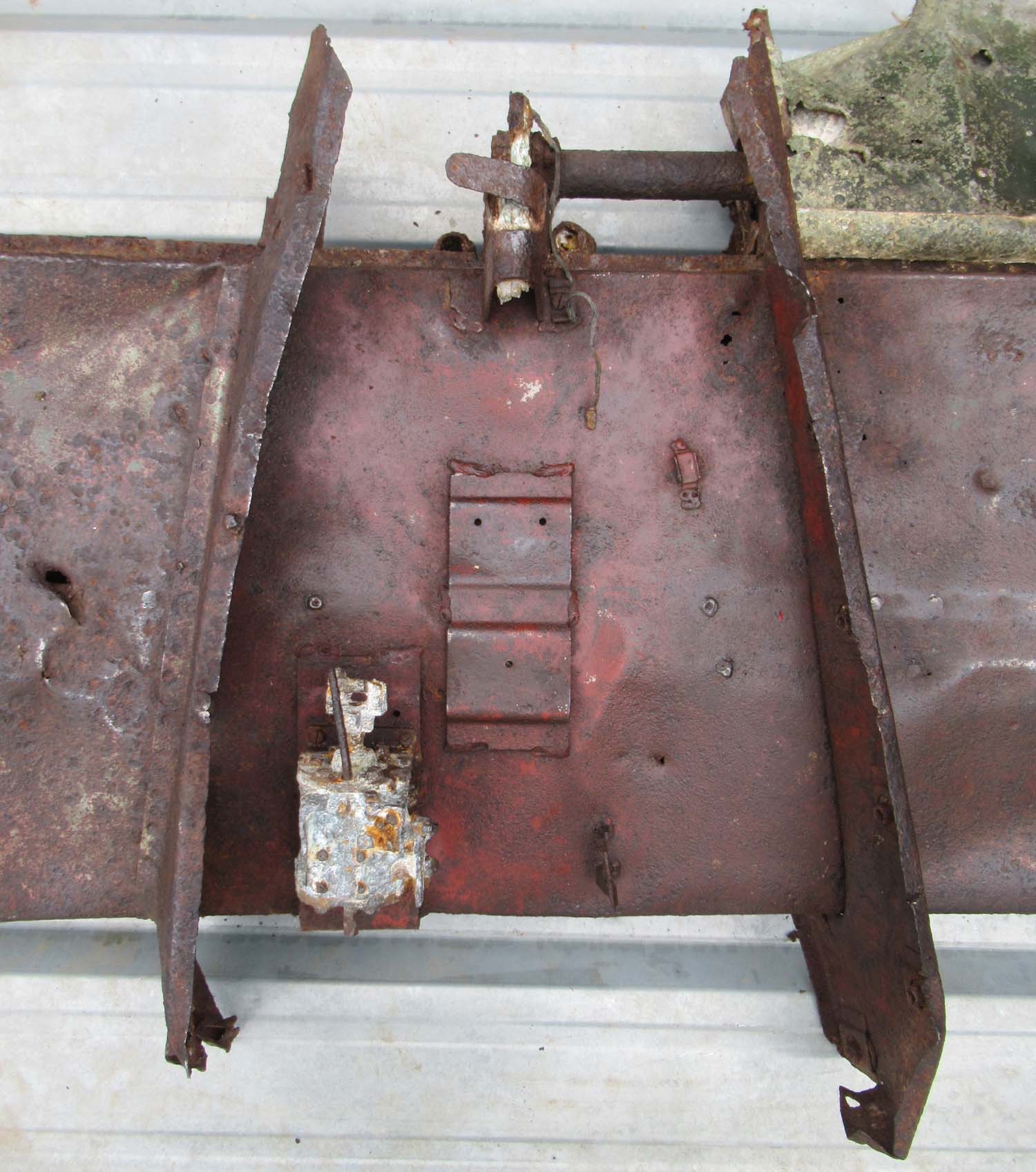
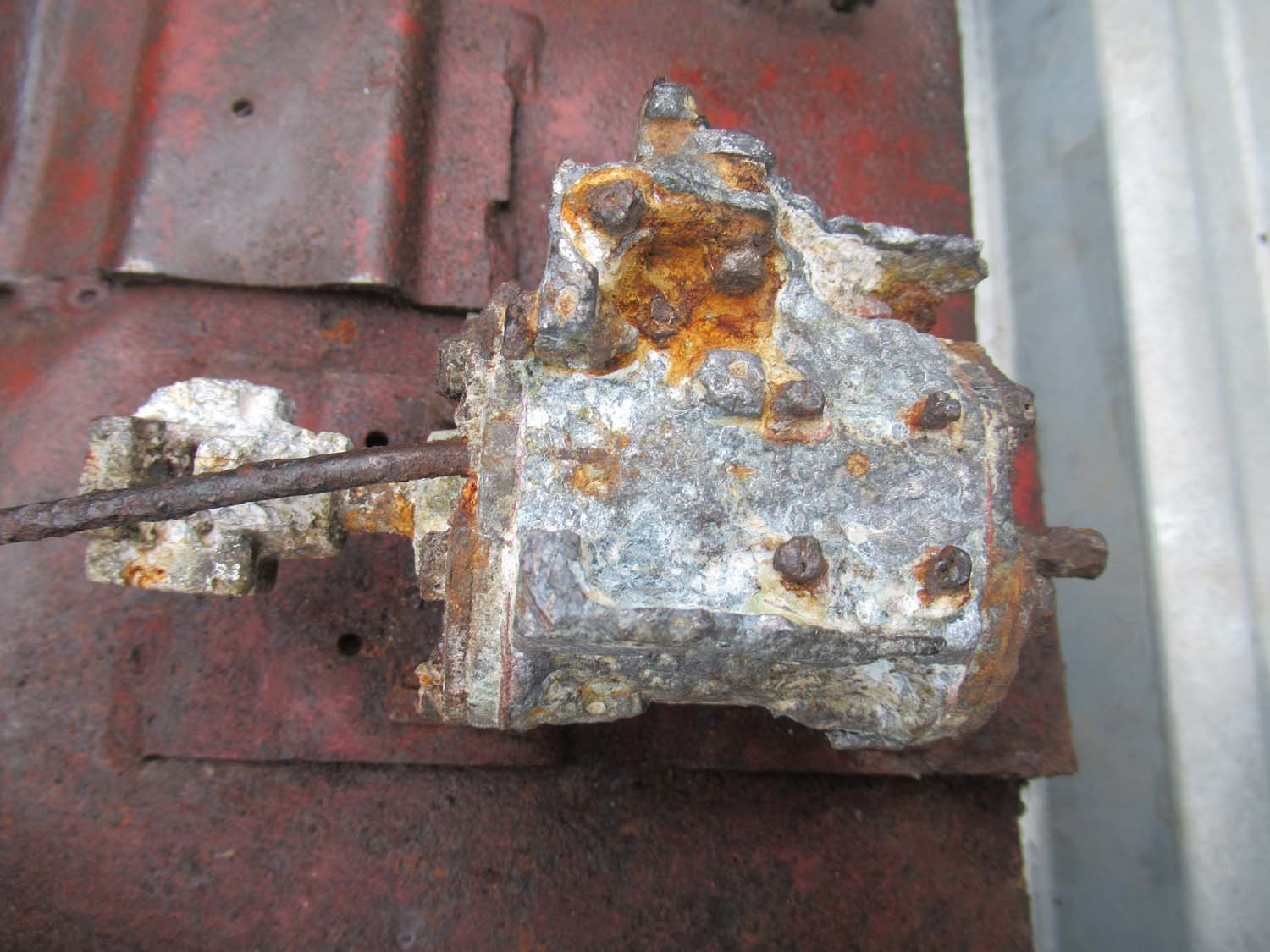
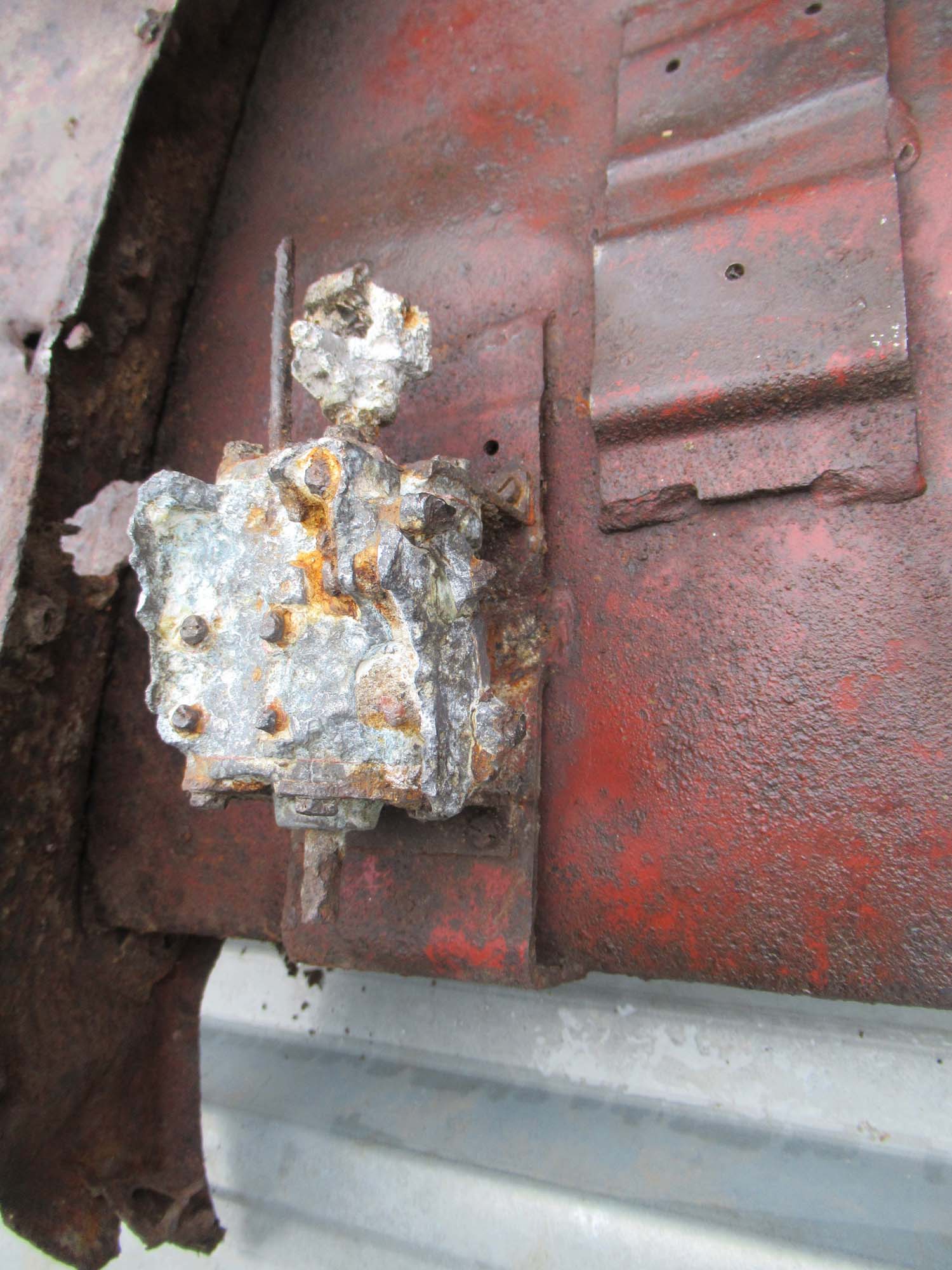
This is the heart of the V1.
It holds the giro auto pilot that keeps the V1 flying. RAF
fighters tried to destabilise this giro by flipping the
wing tips of the V1, sending them crashing into the ground
before reaching their target.
In good original condition kit
has some damage but is not heavily corroded and should be
repairable if required.
An example seen under with the giro:
Click on picture
below to enlarge
Out of stock
more wanted please
contact me |
|
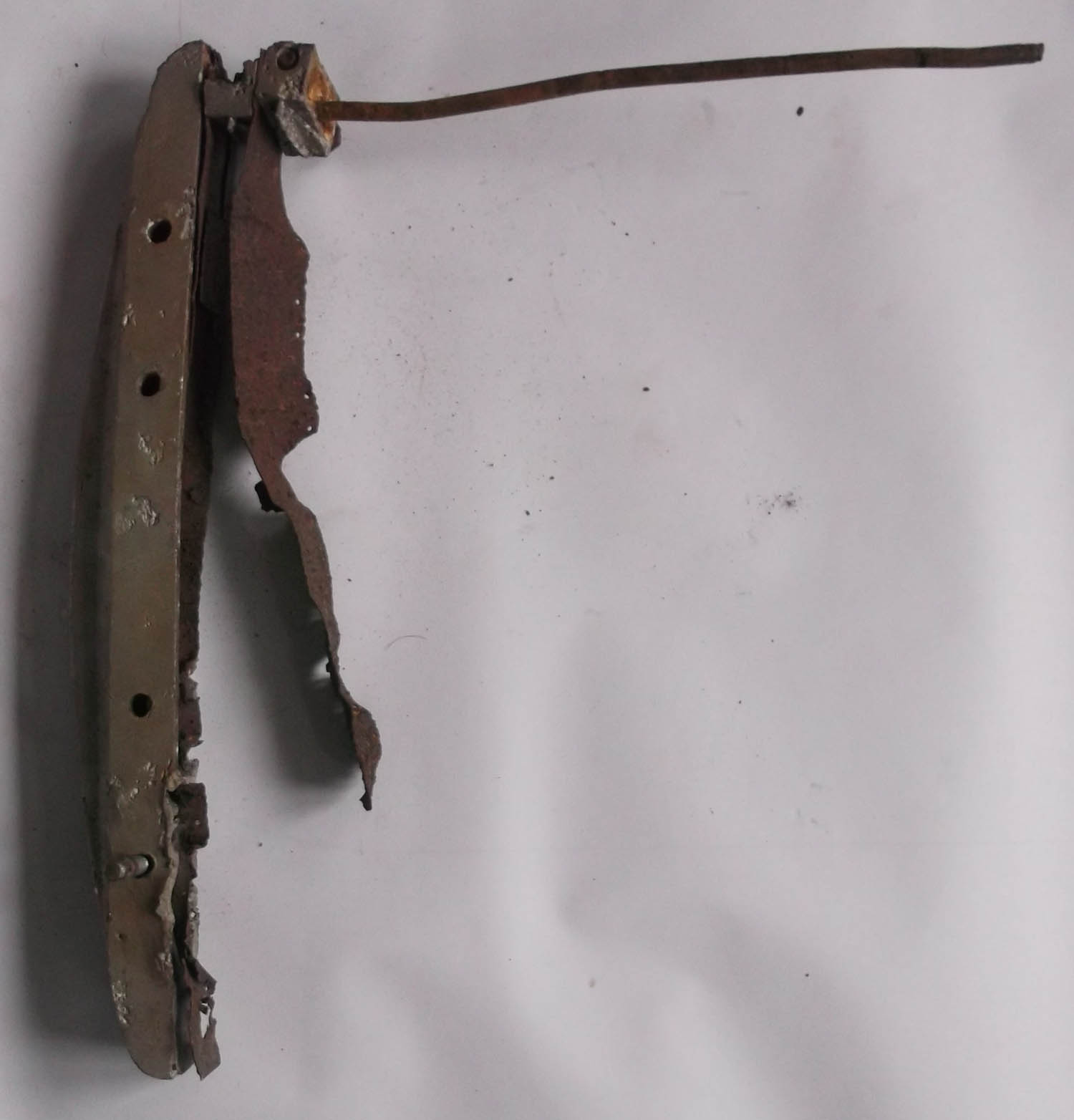
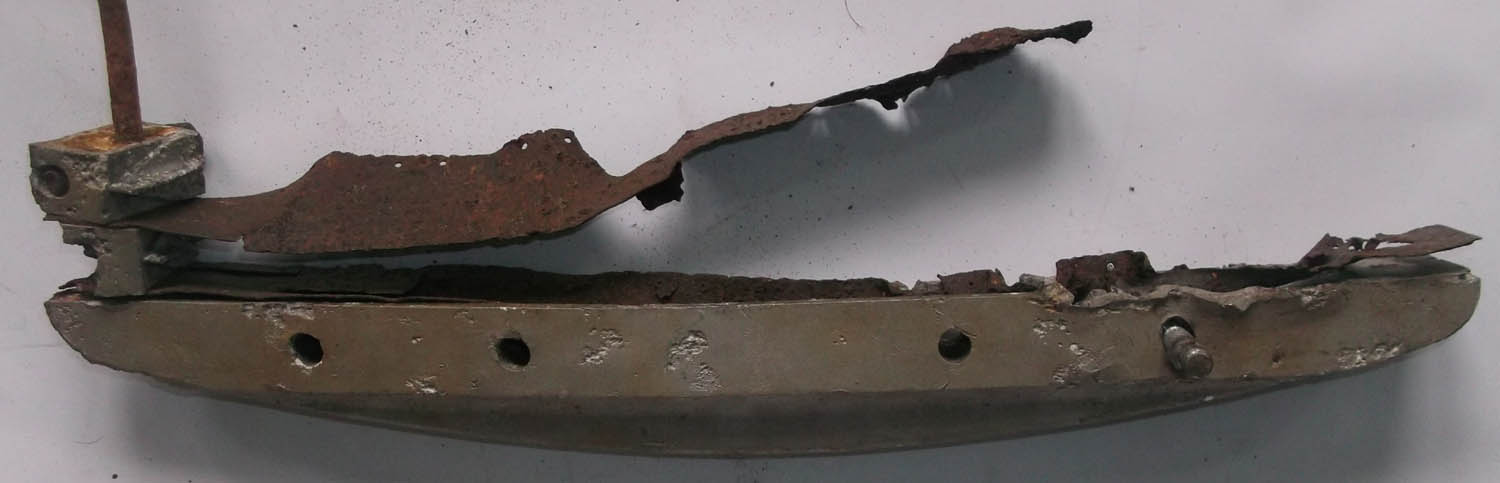
V1 Engine
part 2 (pg1 Rocket)

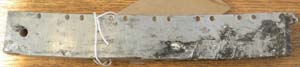
This is a piece of the
side of the engine and is 280mm long.
V1 Engine
part 2 (pg1 Rocket)
Out of stock
more wanted please
contact me |
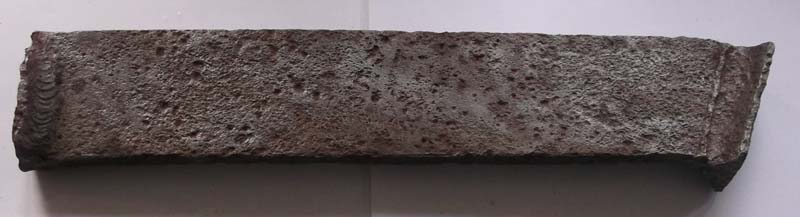
V1 Engine part
2 (pg1 Rocket)
Here is a large, (230mm ) piece of a V1 rocket motor, this
piece forms the side of the motor as seen in the diagram
left.
Front view of
the V1 rocket motor
|
|
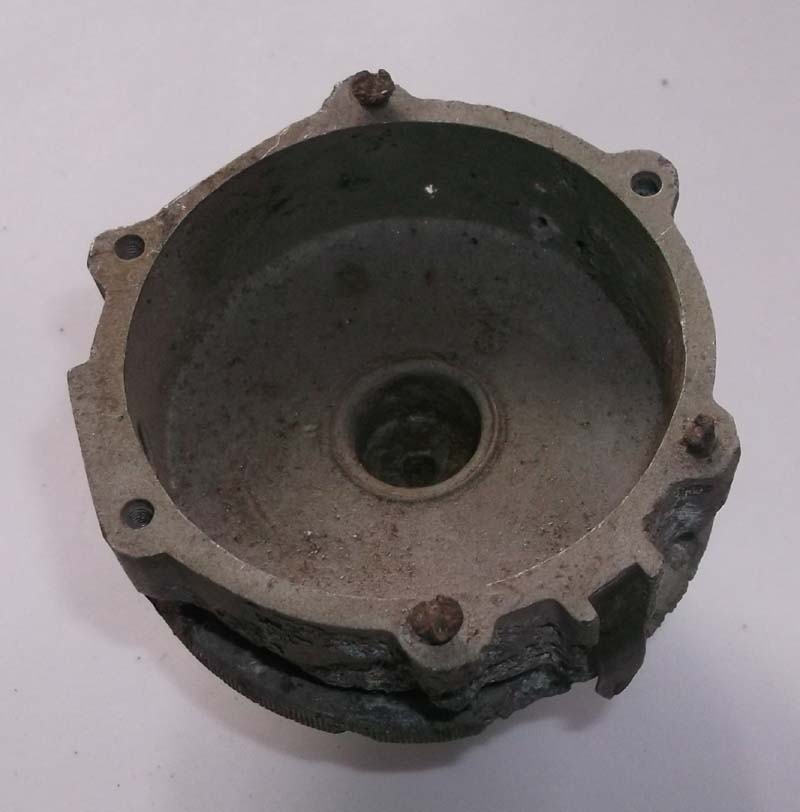
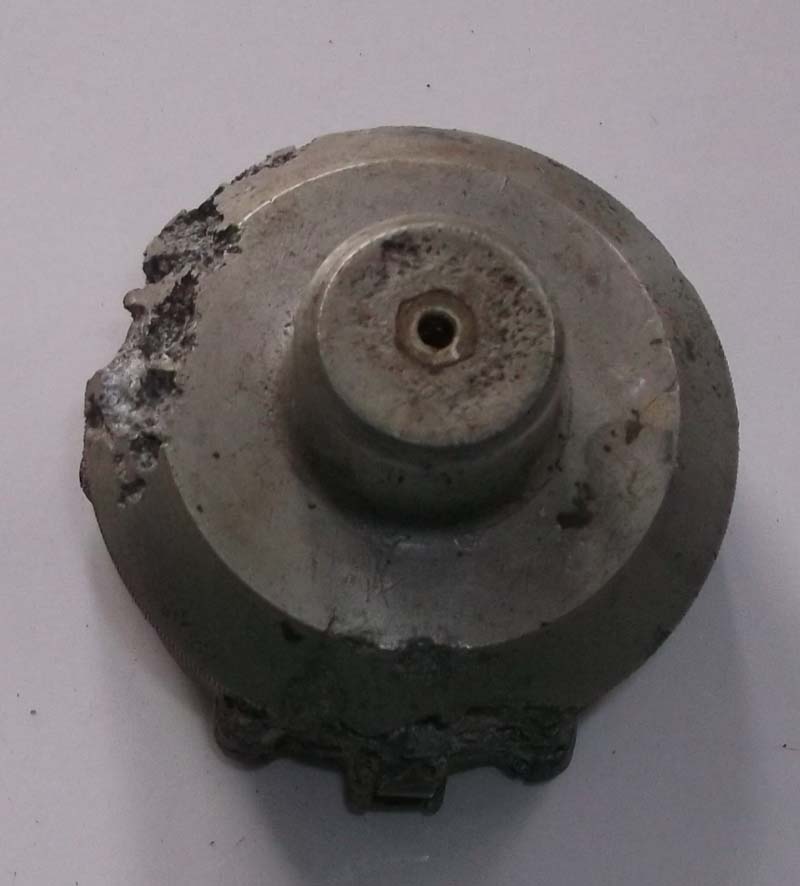
This is a sender unit from the
fuel system of a V2 rocket.
 |
V2 sender unit 1 (pg1 Rocket)
V2 sender
unit 1 (pg1 Rocket)
Out of stock more wanted please
contact me
|
Click on the
picture to enlarge.
|
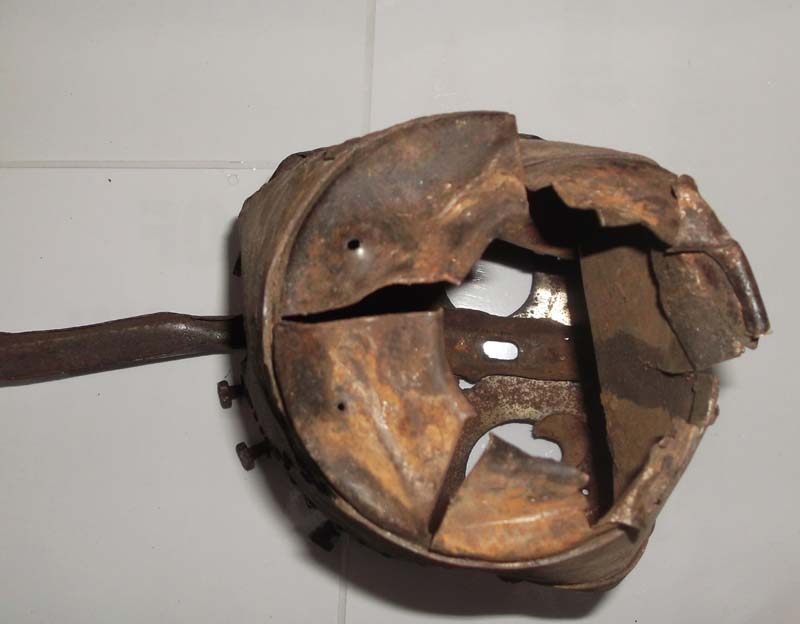
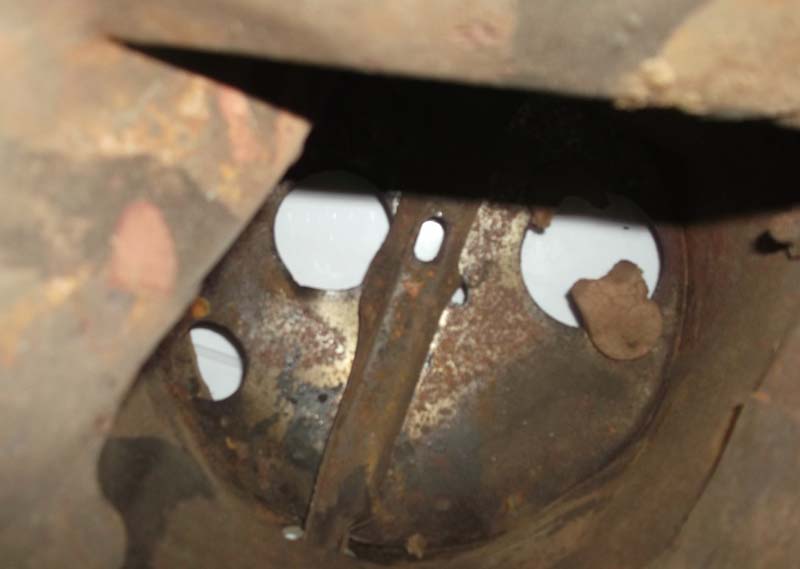
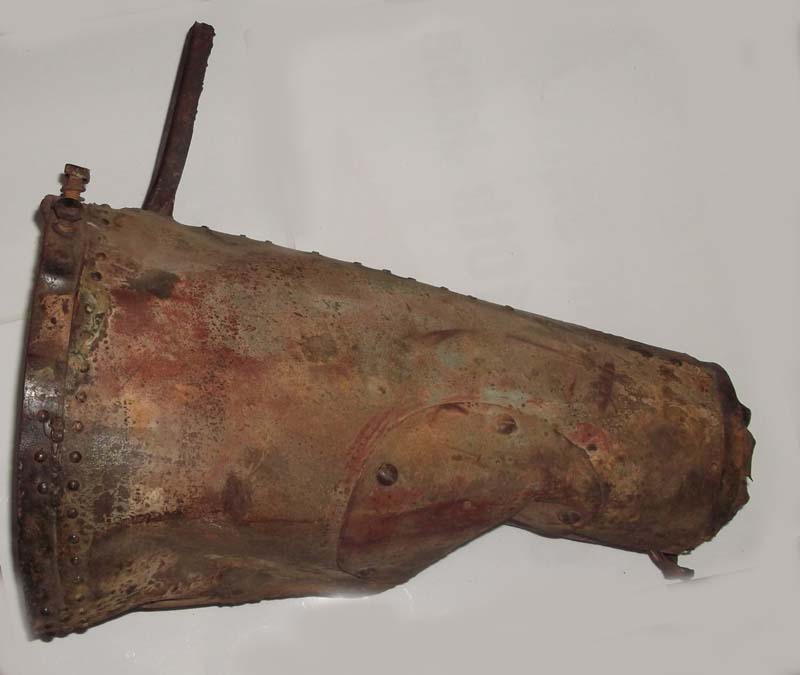
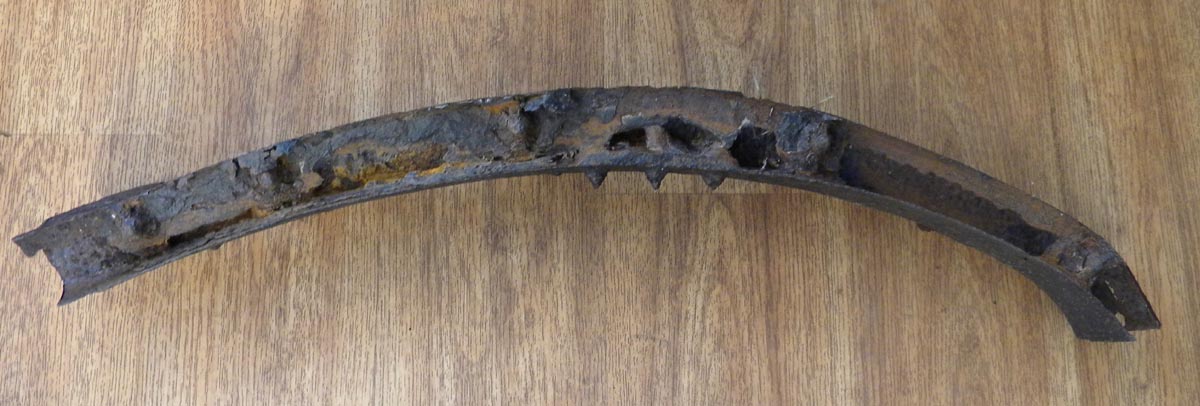
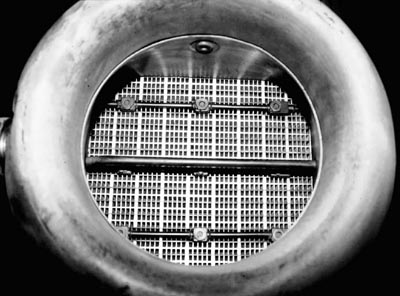
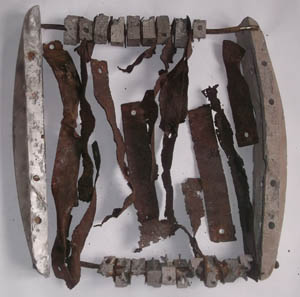
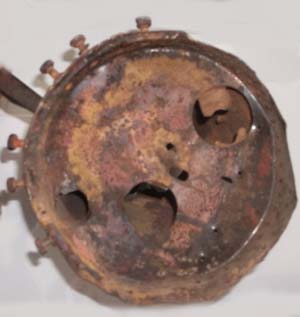
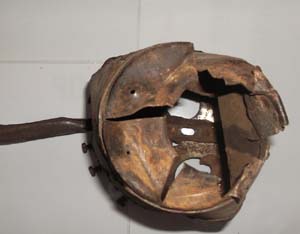
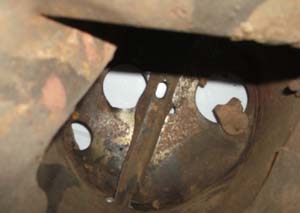
V1 Rocket motor intake (pg1 Rocket)
This is a substantial
piece from the V1 it is an almost complete intake with the
shutters, clearly in relic condition but a nice restoration
project or display item for the rocket collector.
Out of stock
more wanted please
contact me |
Click on the
pictures to enlarge them.
|
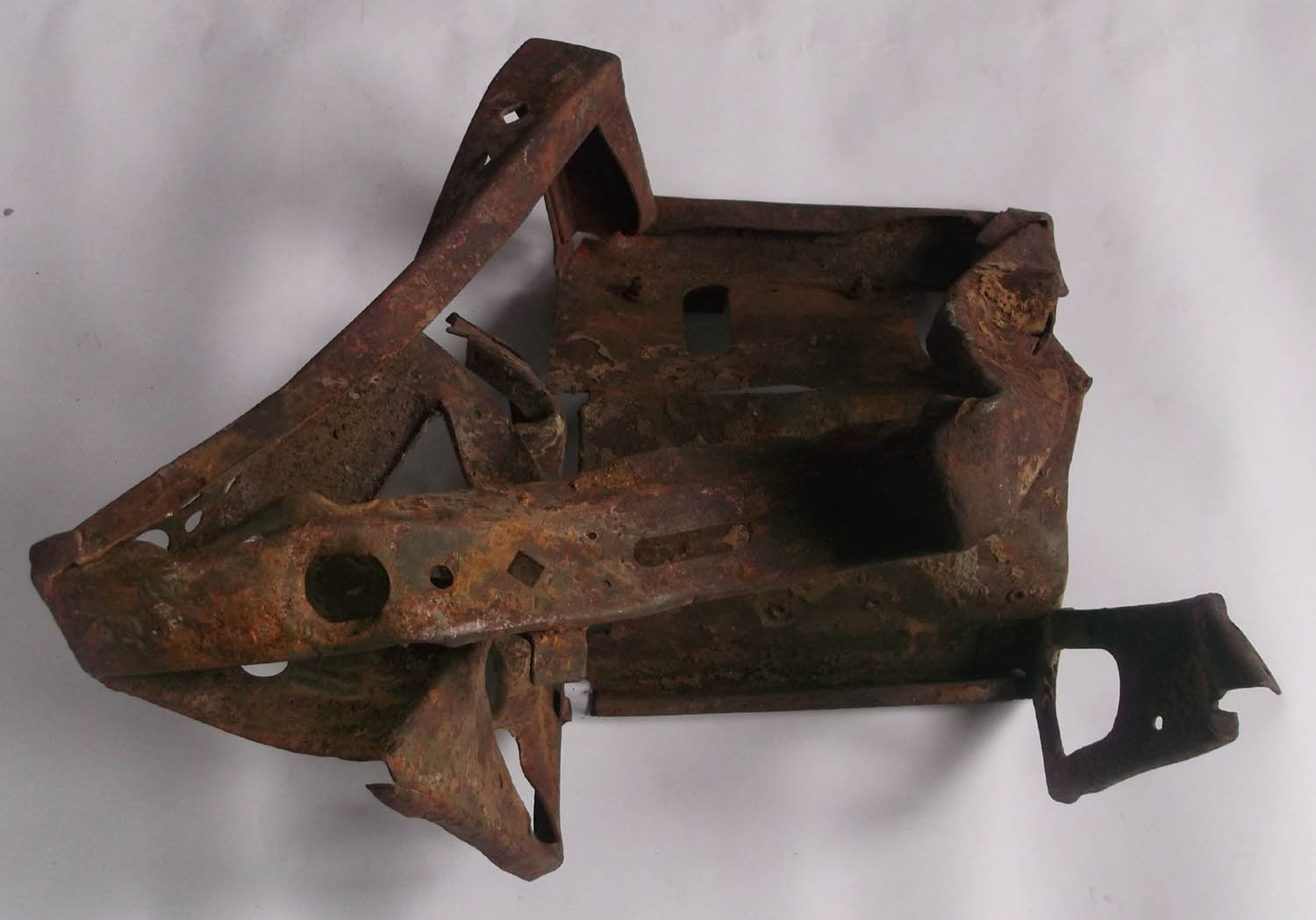
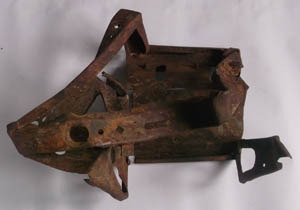
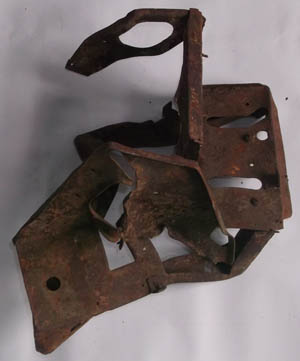
V1 Giro auto pilot mounting tray 2 (Pg1 rocket)
This is the heart of the V1
it holds the giro auto pilot that keeps the V1 flying RAF
fighters tried to de stabilise this giro by flipping the
wing tips of the V1 sending them crashing into the ground
before reaching their target. Clearly this has considerable
damage but could possibly be straightened with some work.
An example seen under with the giro
Out of stock
more wanted please
contact me |
|
Click on the
pictures to enlarge them
Out of stock more wanted
please contact me |
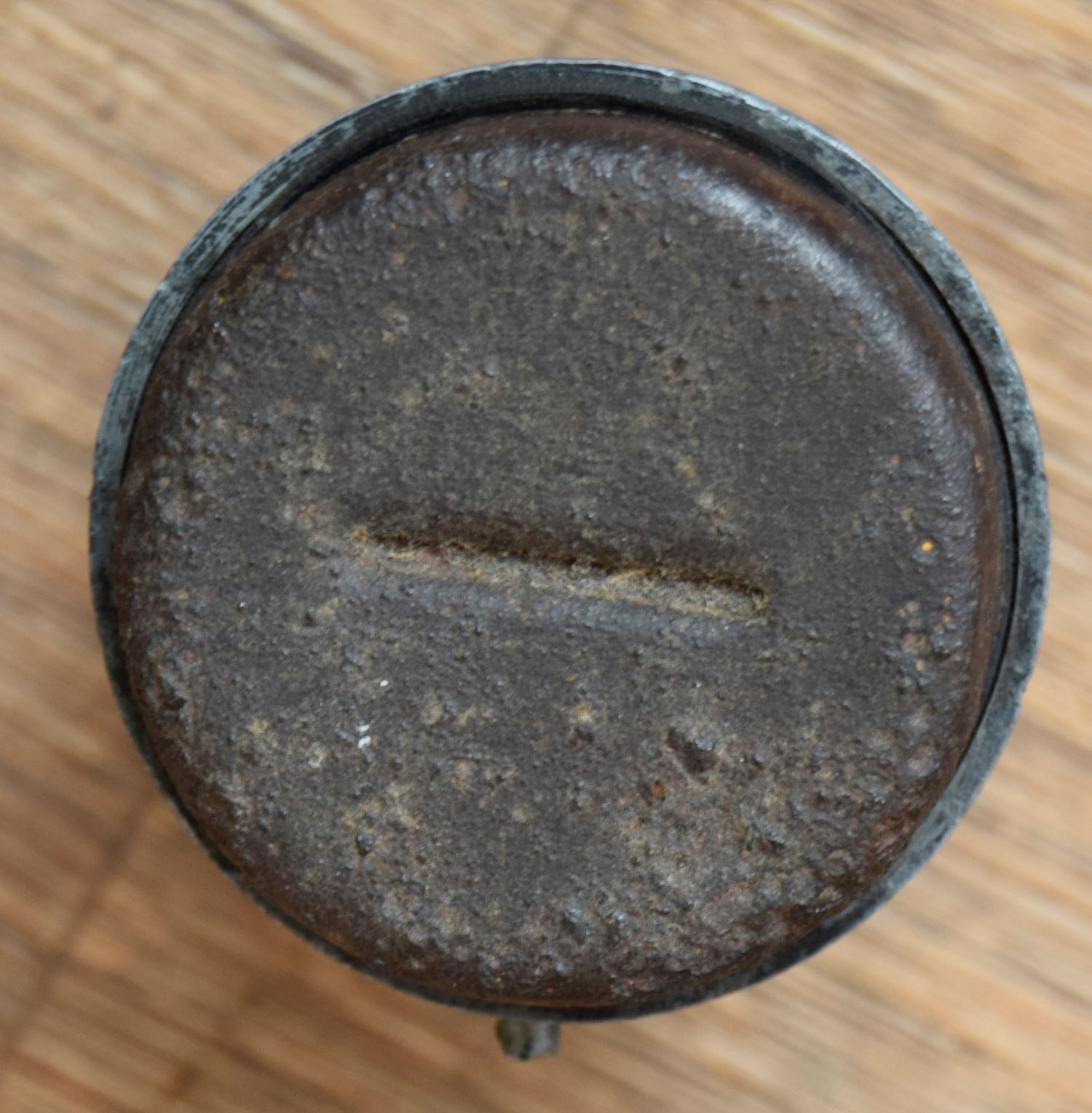
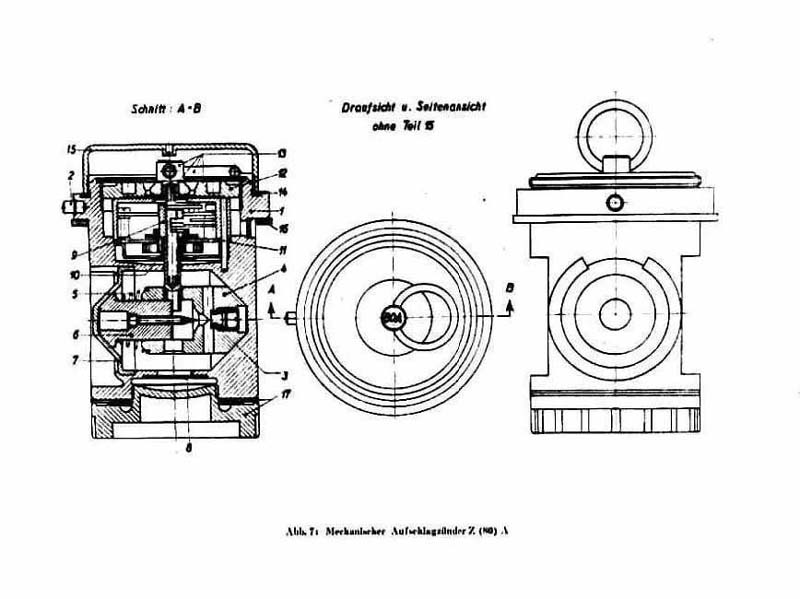
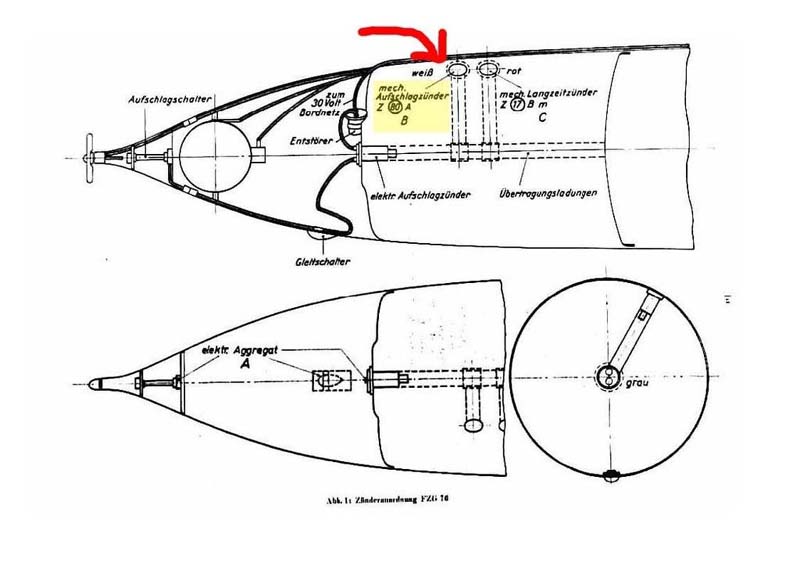
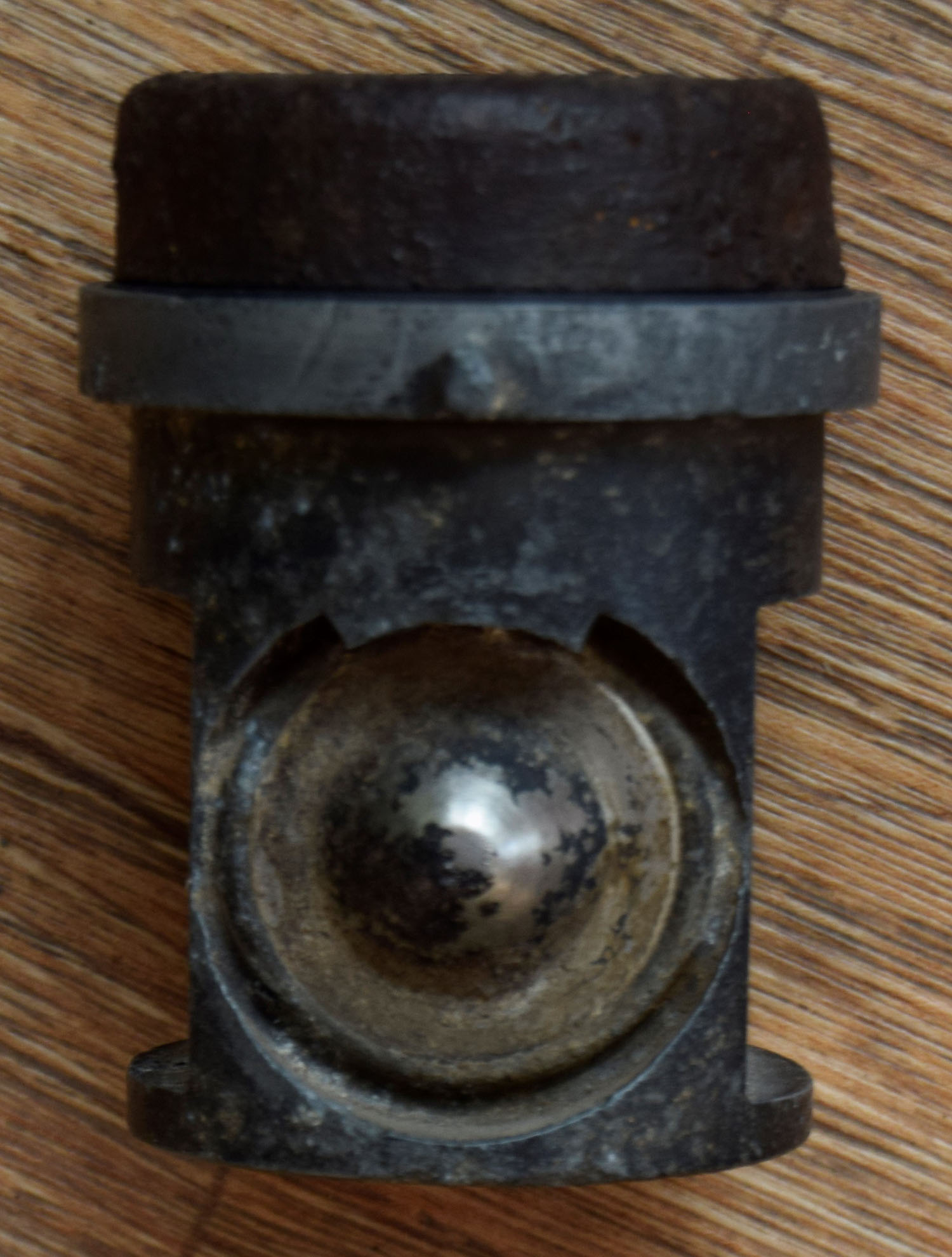
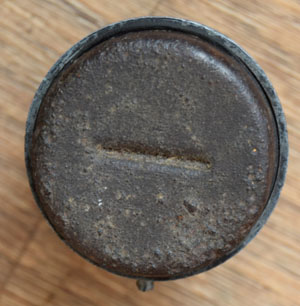
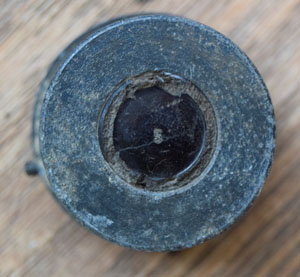
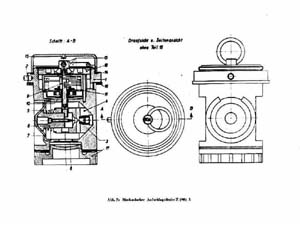
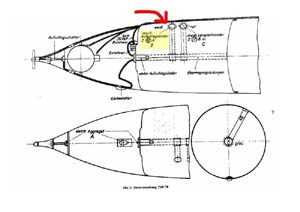
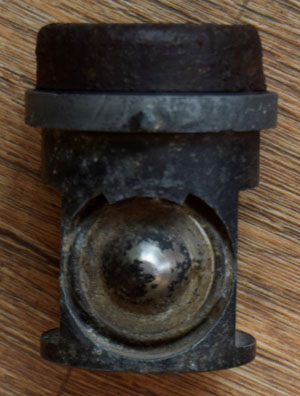
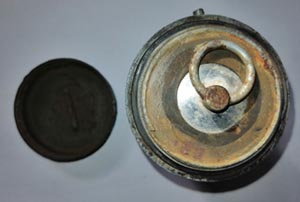
V1 Mechanical Impact Fuse (Pg1 Rocket) Here is
a very rare Mechanical Impact Fuse
from a V1 purchased during our trip
to Arnhem.
It was used as a safety
fuse if the actual detonator failed.
See the Diagrams Below
Click on the
pictures to enlarge them
|
|
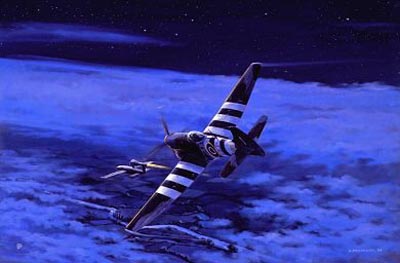
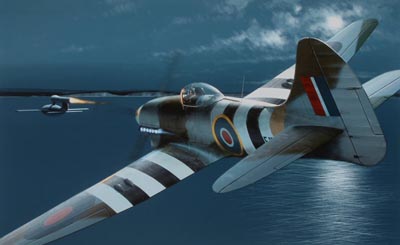
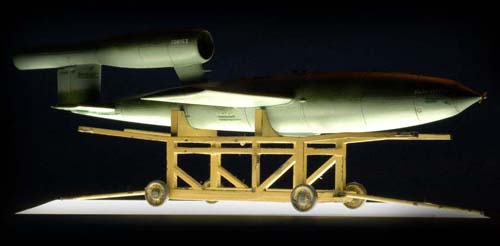
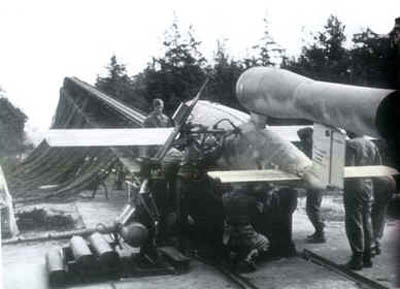
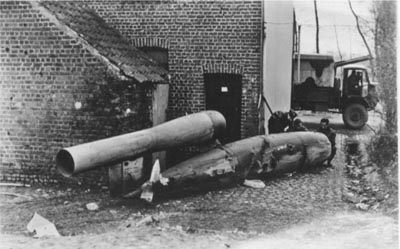
A rare site an unexploded doodle bug VI flying bomb
|
Shell case fragments from VI strike at Wickford Essex (pg1 Rocket)

38 cm long
These are fragments of a V1 that
came down in Wickford in Essex, on this
link ,
link 2 is a childhood memory of the VI hitting the
Town.
Shell case
fragments from VI strike at Wickford Essex 4 (pg1 Rocket)
This is solid steel and heavy
Out of stock
more wanted please
contact me |
Click on the pictures to
enlarge them.
 |
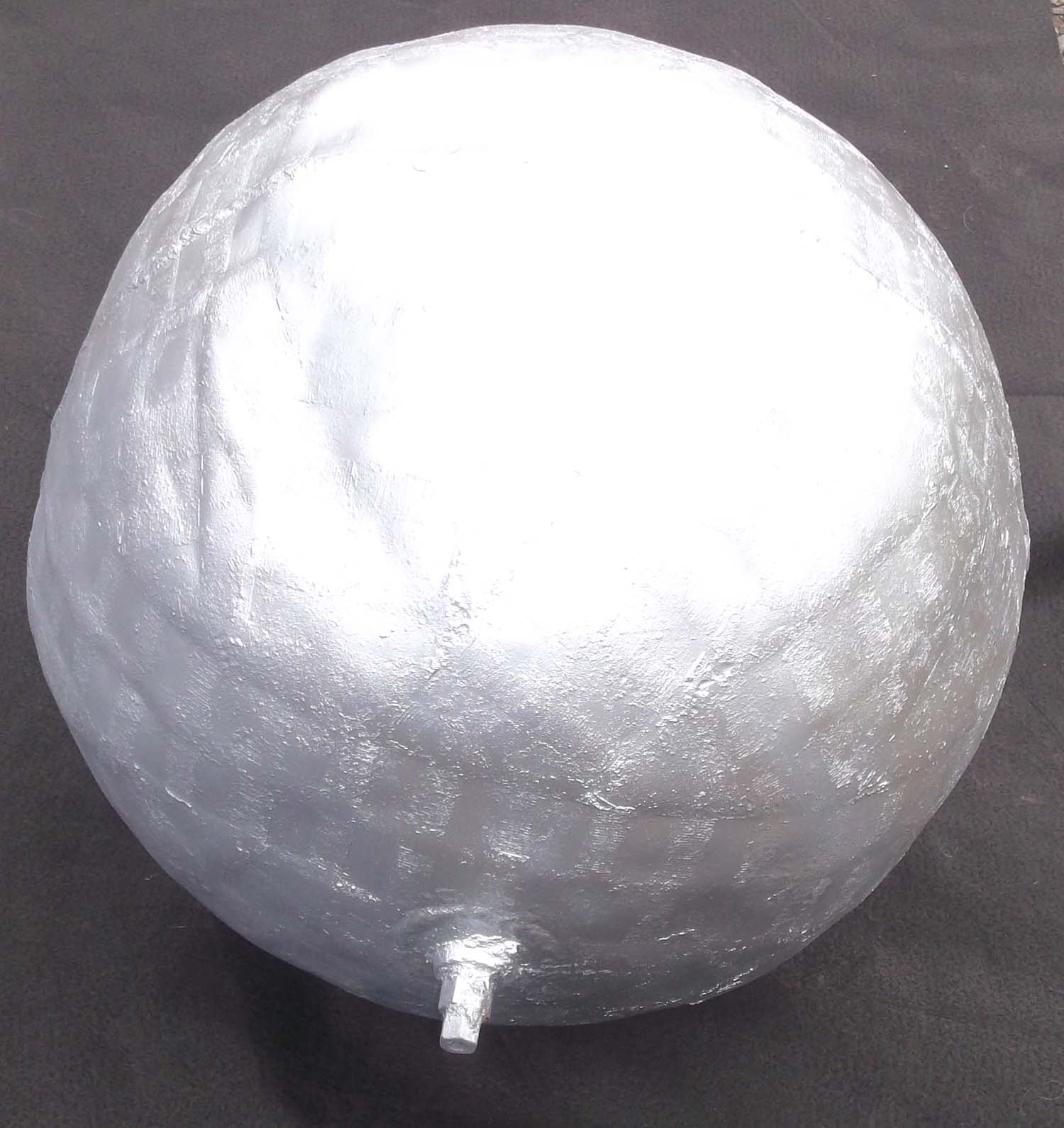
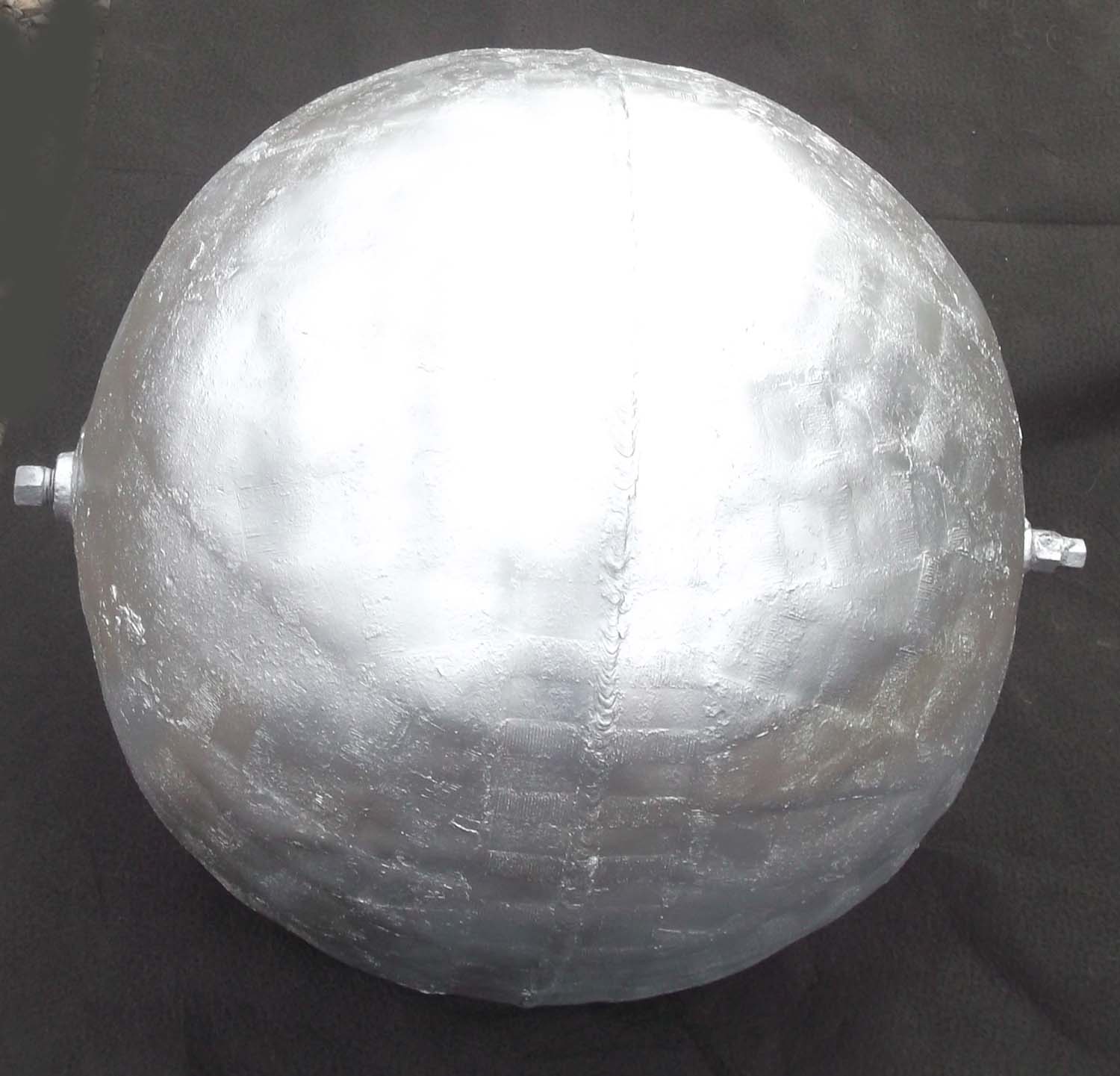
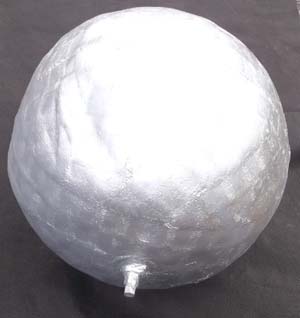
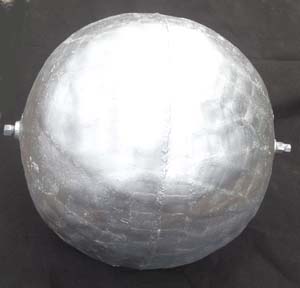
V1 Compressed Air tank (pg1 Rocket)
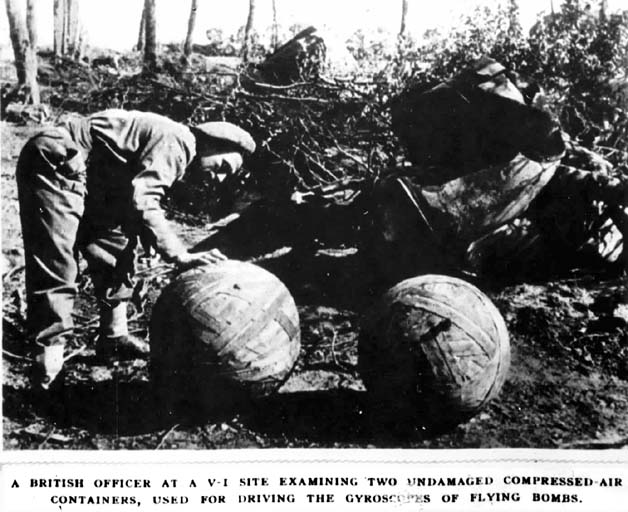
Here is a superbly rare and
substantial original piece from a V1. The V1 contained two
compressed air bottles of which this is one. They powered
the gyroscope's that kept the V1 flying.
The tank was originally
covered in layers of spring steel but this had corroded and
was a real hazard so we removed the remains of the wire then
removed any corrosion and painted the tank with etch primer
to preserve it.
The steel is still thick
and healthy and is not at all delicate.
Finding the correct
original colour of the tank is not an easy process as nearly
all original pictures are in black and white. The colour
pictures I have seen showed the tanks as red, orange
grey and silver. We went with a silver finish but this can
easily be re painted .
Click on the pictures
to enlarge them.
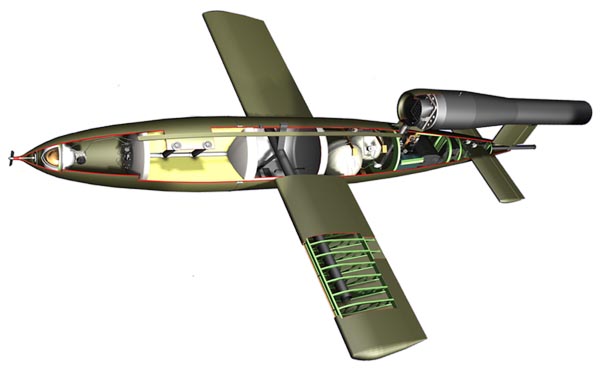
You can see the tanks in situ just
behind the wing trailing edge.
Out of stock
more wanted please
contact me |
|
|
V1 Rocket Relics from our Trip to
Arnhem |
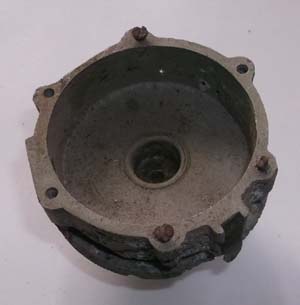
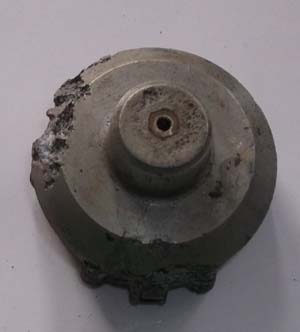
Click on the
pictures to enlarge them
|
V1 Height
Controller (pg1 Rocket)
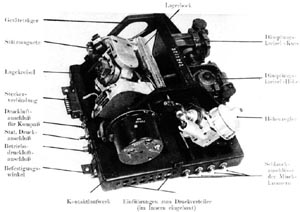
This is a
height Controller From the Control Panel of the V1
It was used
in the Elevator Actuator System
Seen in
Situ Under
Out of stock
more wanted please
contact me |
Click on the
pictures to enlarge them
|
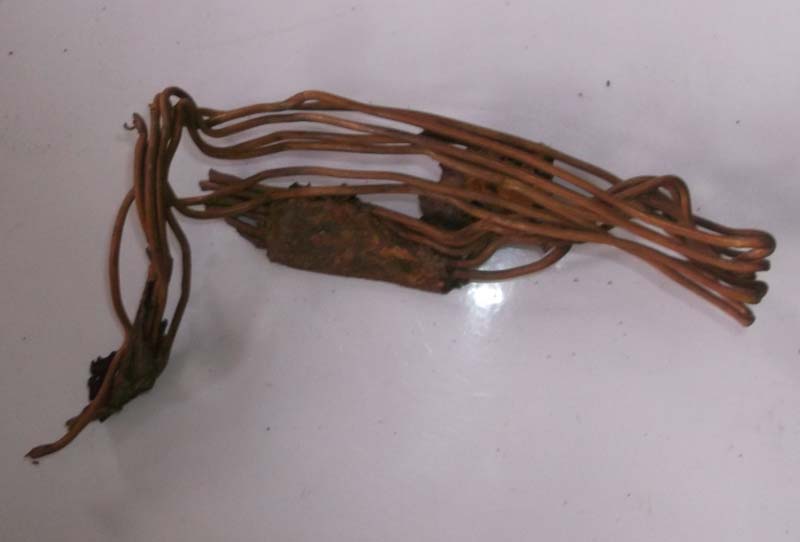
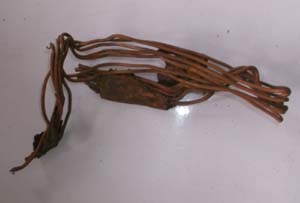
V1 Wiring (pg1 Rocket)
Electrical
Wiring from a V1
Out of stock
more wanted please
contact me |
|
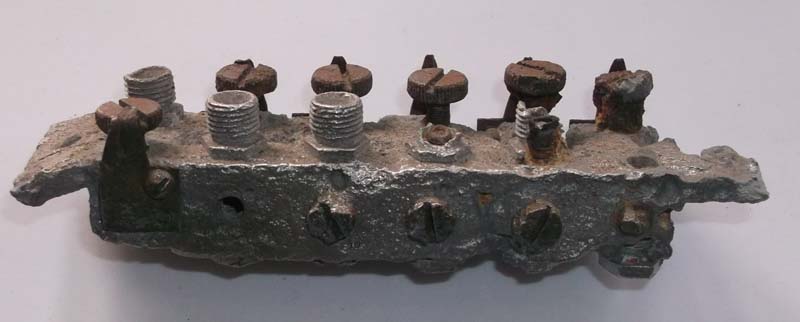
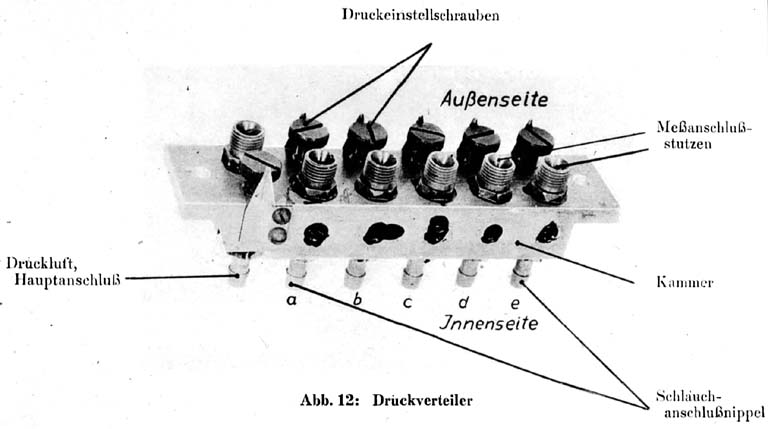
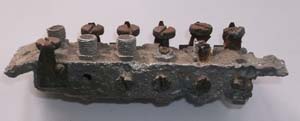
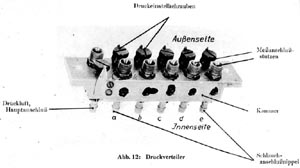
V1
Pressure Distributor 2(pg1 Rocket)
This is In Relic Condition
Out of stock
more wanted please
contact me
|
Click on the
pictures to enlarge them
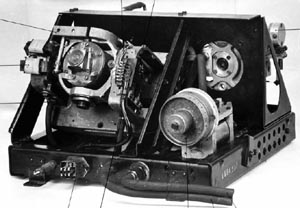
|
V1 Height
Setting (pg1 Rocket)
This is part of the
Autopilot. It was used for setting the Altitude that the
rocket would travel at.
Seen in Situ on the left
Out of stock
more wanted please
contact me |
Click on the
pictures to enlarge them
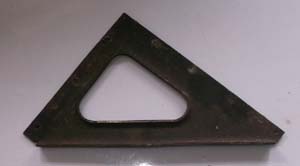
|
V1 Tray Piece (pg1 Rocket)
This is a piece from the autopilot
tray from a V1
Out of stock
more wanted please
contact me
|
Click on the
pictures to enlarge them
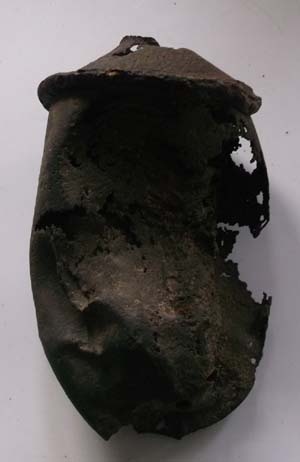
|
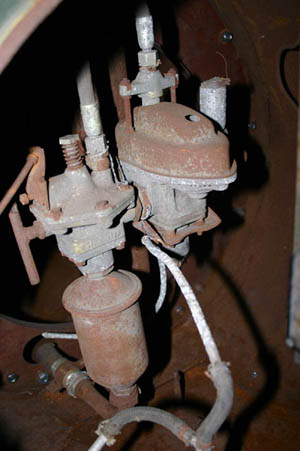
V1 Fuel Filter
(pg1 Rocket)
Here is a fuel filter as used in
the V1 see below in situ this piece is in relic condition
see picture.
Out of stock
more wanted please
contact me |
Click on the
pictures to enlarge them
|
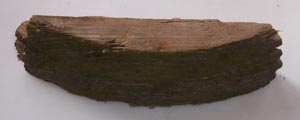
V1 Wooden Nose
Cone Cover Fragment
(pg1 Rocket)
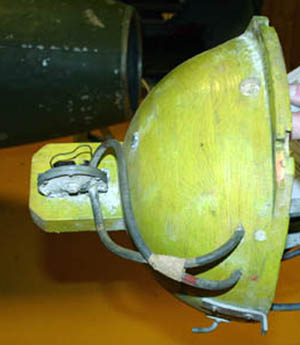
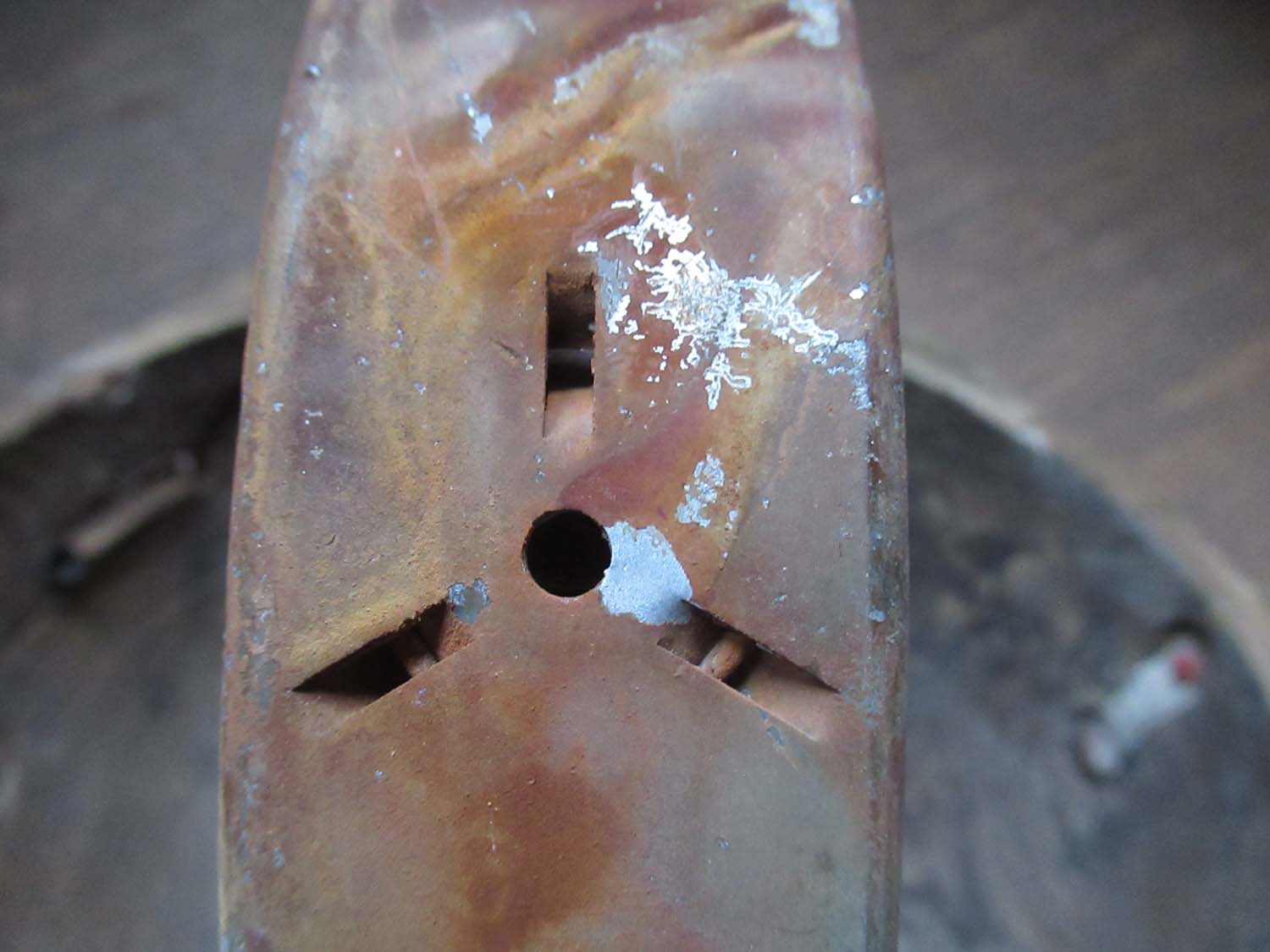
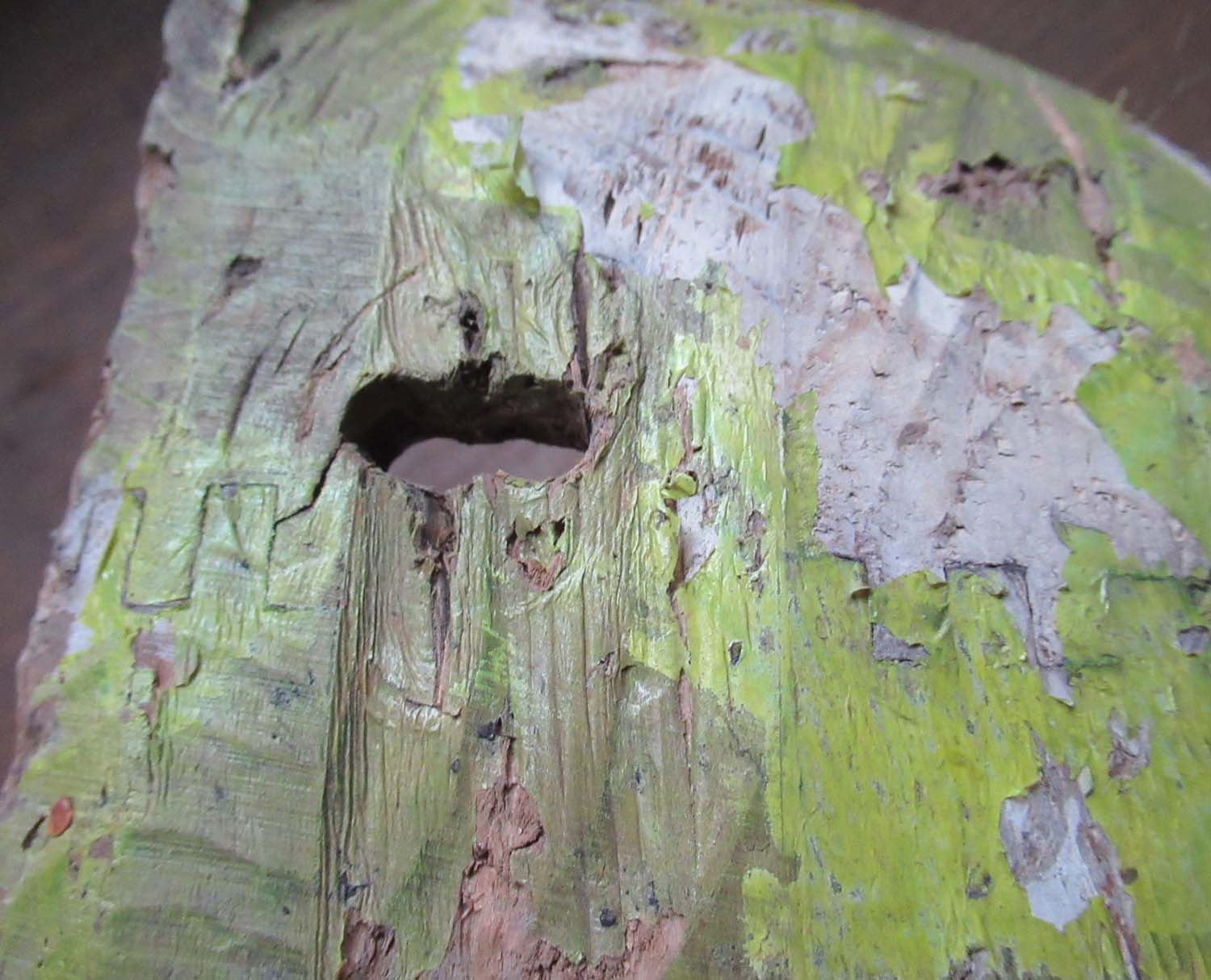
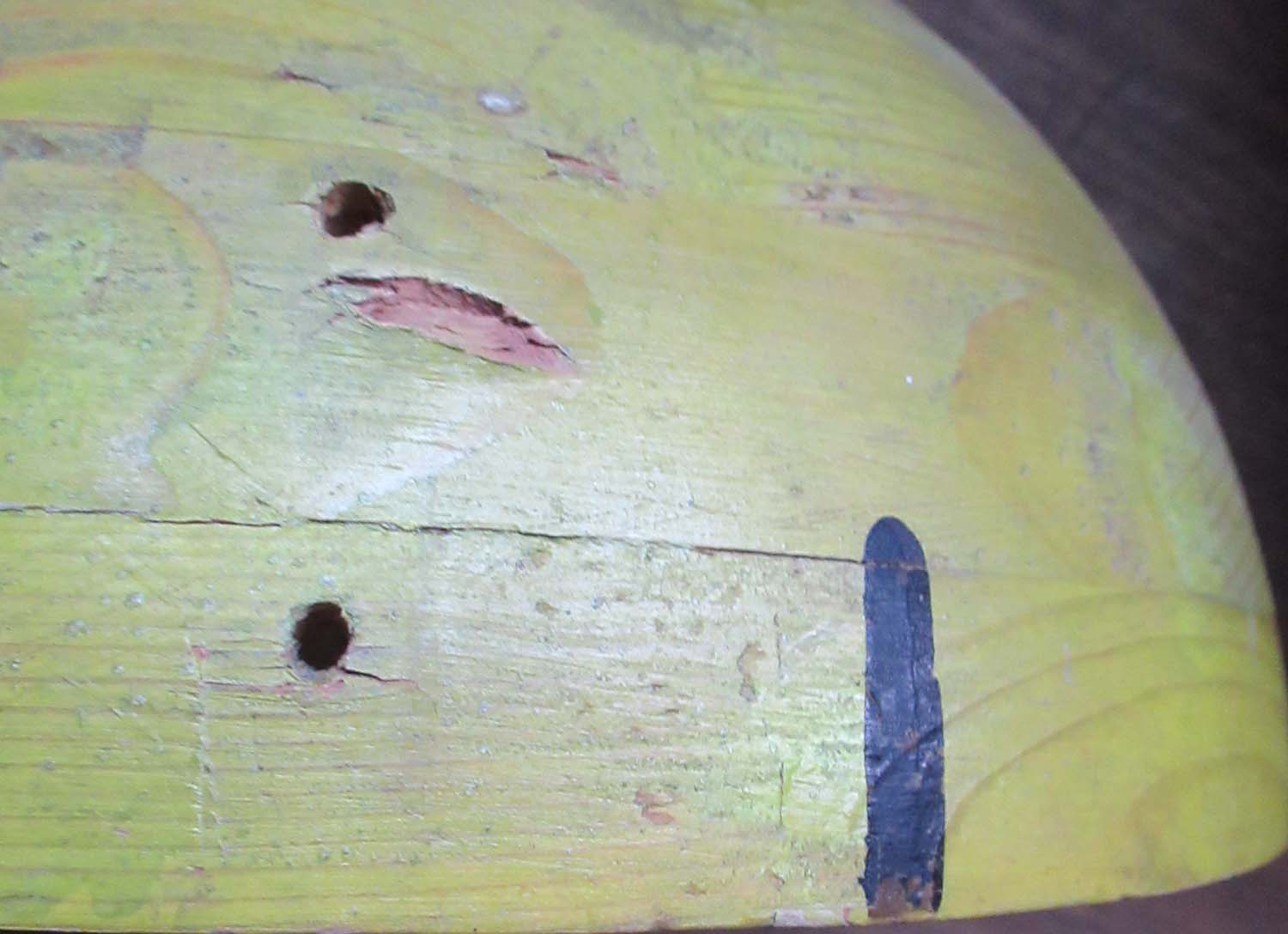
This is a fragment of the
wooden nose cone used to cover the compass of the V1.
It still has yellow
paint on it and is extremely rare as the wooden parts almost
never survive impact.
The complete original nose
cone is shown left.
Out of stock
more wanted please
contact me
|
Click on the
pictures to enlarge them
|
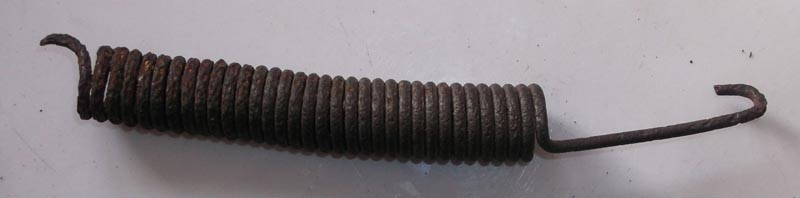
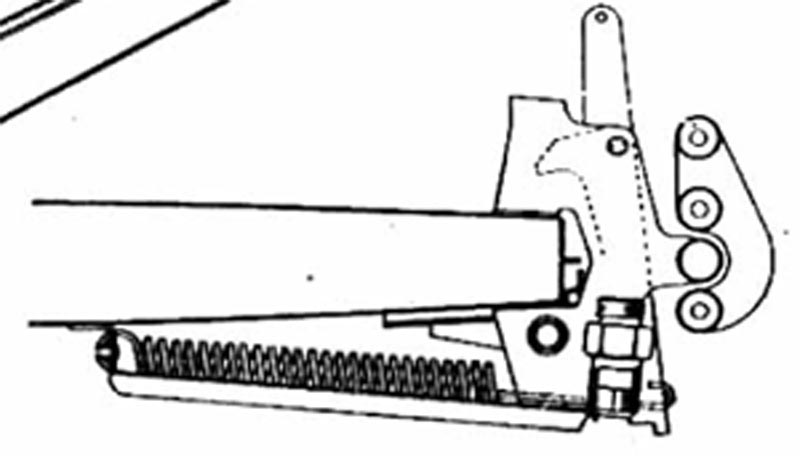
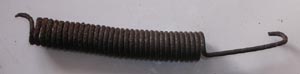
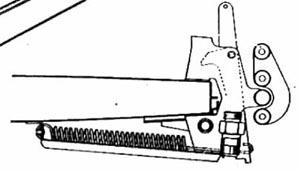
V1 Aileron
Spring (pg1 Rocket)
This is a spring used in
the control of the aileron of the V1 seen to the left in
situ
Out of stock
more wanted please
contact me |
Click on the
pictures to enlarge them.
|
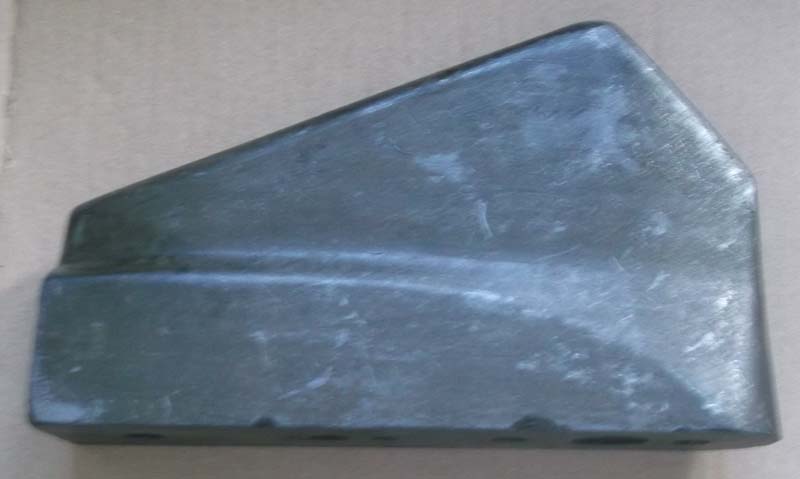
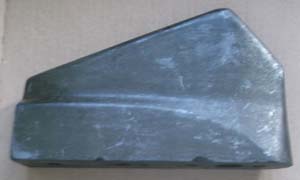
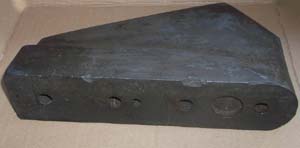
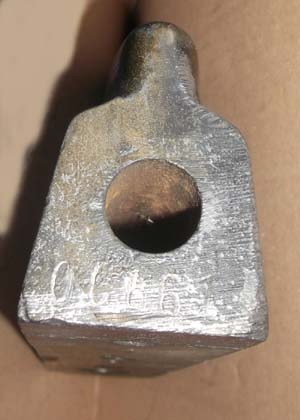
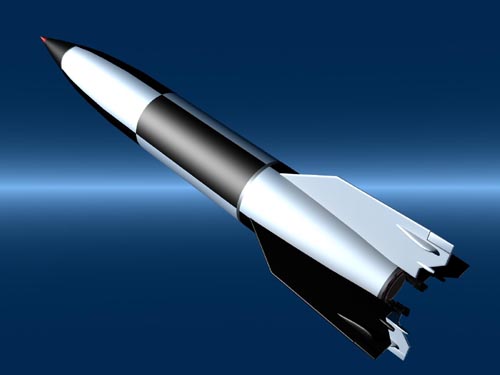
V2 A5 Rocket rudder (pg1 Rocket)
Graphite rudder from the A5
V2 rocket. As engines were not able to gimble at this
time this was mounted in the combustion chamber to deflect
the plume and hence subject to intense heat. In excellent
condition.
Under a V2
rocket
Out of stock
more wanted please
contact me |
|
Click on the
pictures to enlarge them.
|
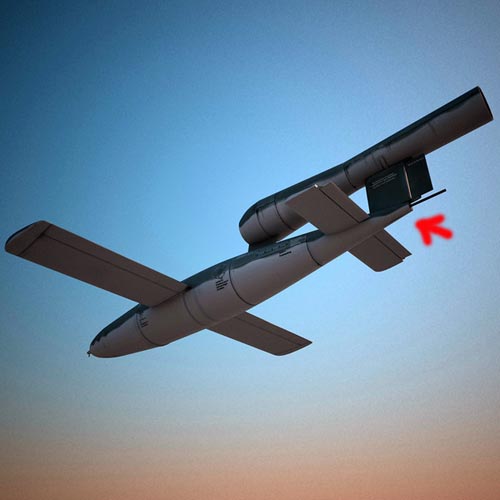
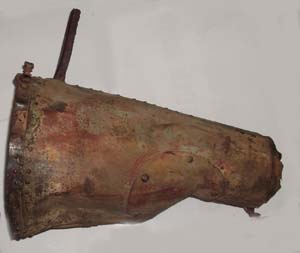
V1 tail unit (pg1 Rocket)
This is a fantastic piece, a
complete tail from a V1 flying bomb 100% original it is
obviously damaged but still a very rare large substantial
and recognisable piece of the V1.
Amazingly this tail unit was
sometimes packed with German propaganda leaflets here is a
link to a site covering the propaganda carried in
the V1 tail.
Under a V1
rocket
Out of stock
more wanted please
contact me |
 Click
on the pictures to enlarge them
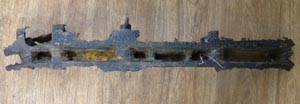
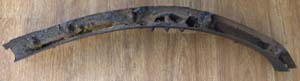
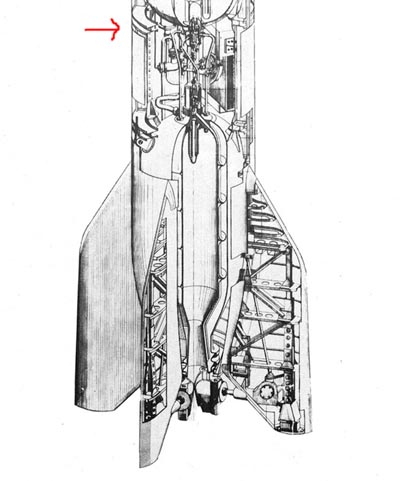
This a big piece its part of the
lower structure of the V2 a ring which forms the shell and
framework of the V2 its very heavy and is 850mm long.
Out of stock
more wanted please
contact me
|
V2 ring structure (pg 1Rockets)
 |
Out of stock
more wanted please
contact me |
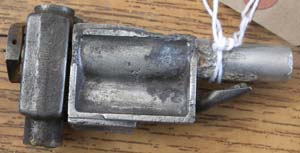
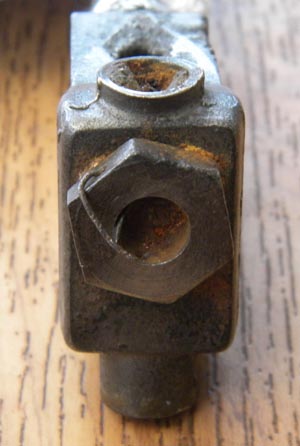
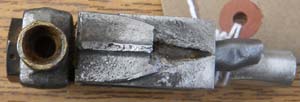
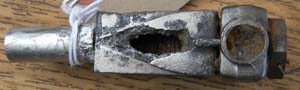
V1 Fuel pressure pick up point (pg1 Rocket)
This piece sits in the front of
the V1 motor and acts as a starter in the fuel system. Seen
in situ under.
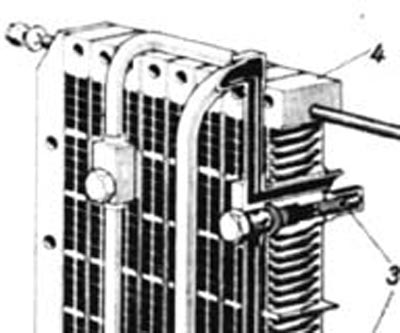
 |
|
Click on pictures to enlarge
|
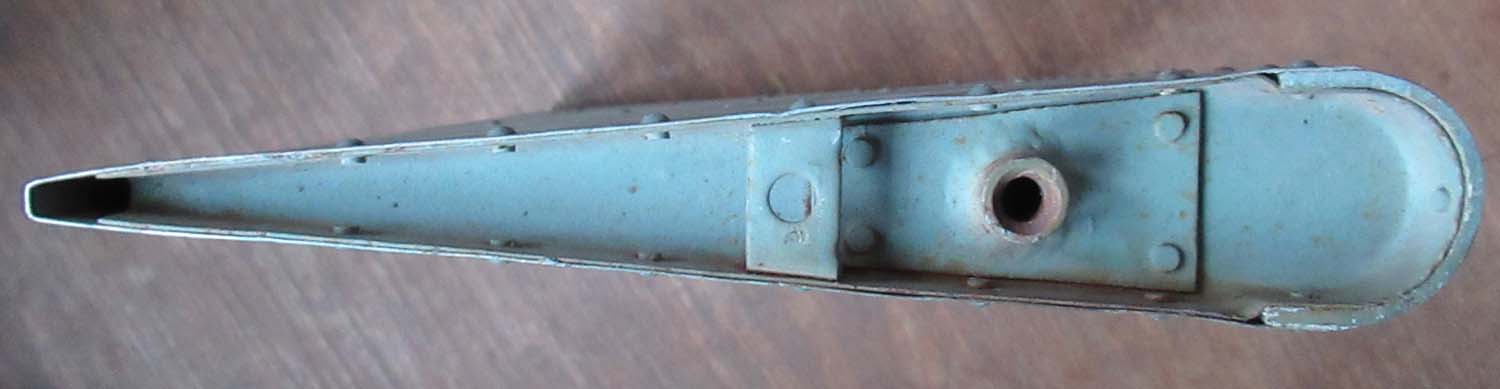
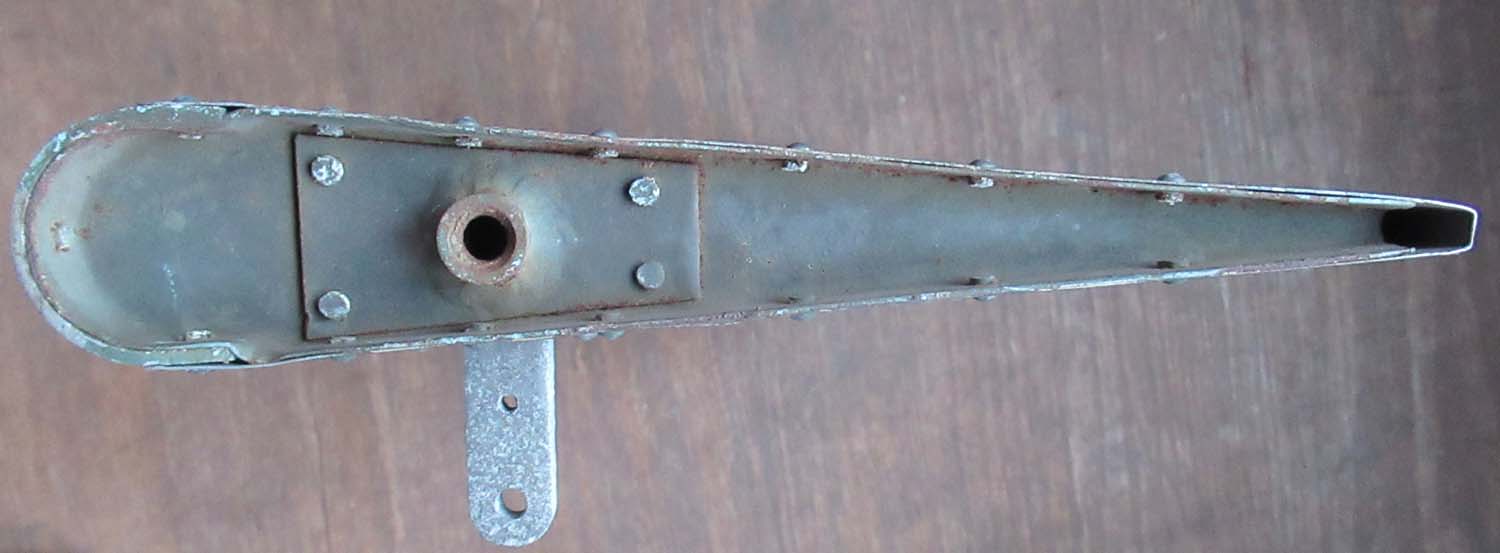
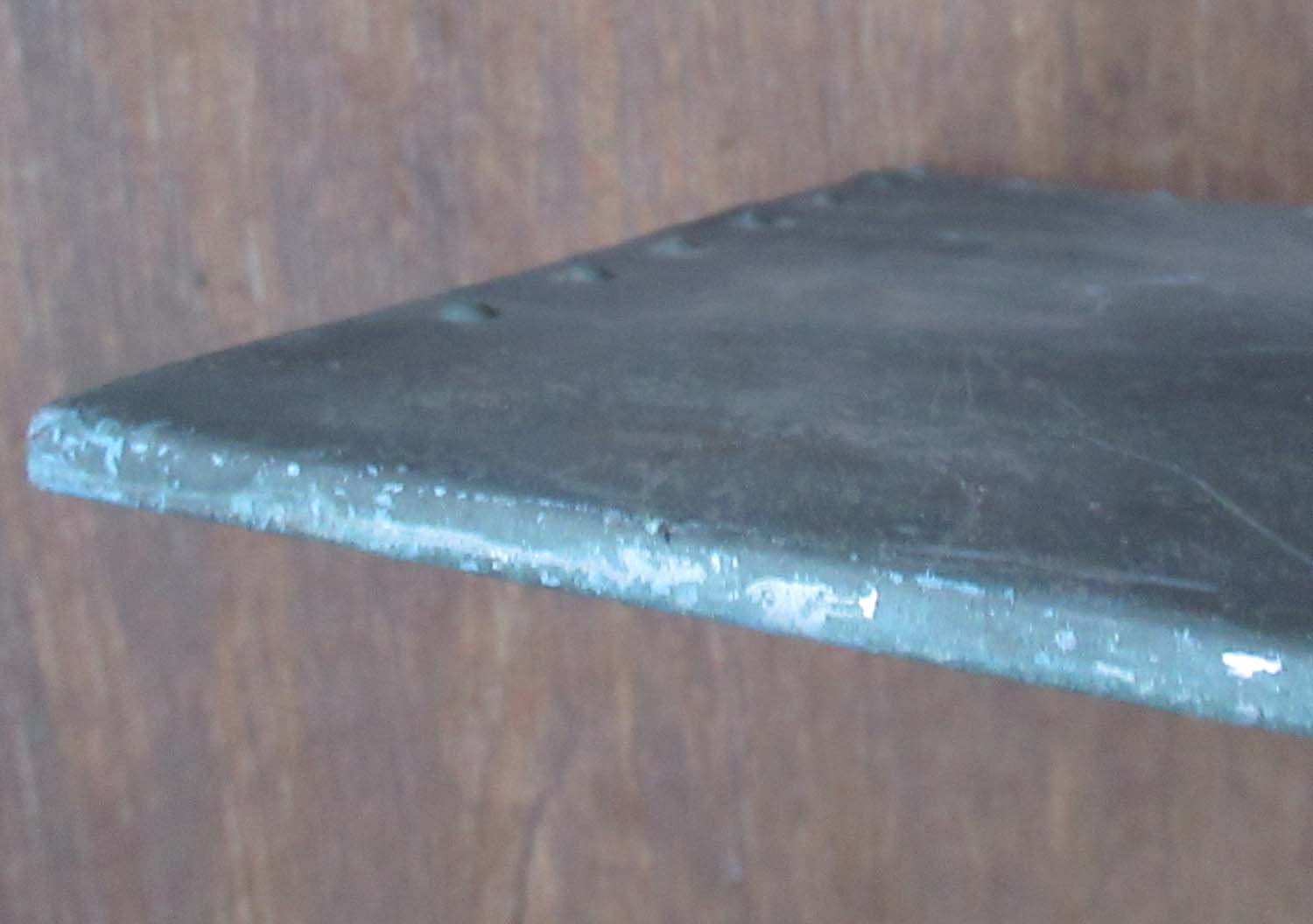
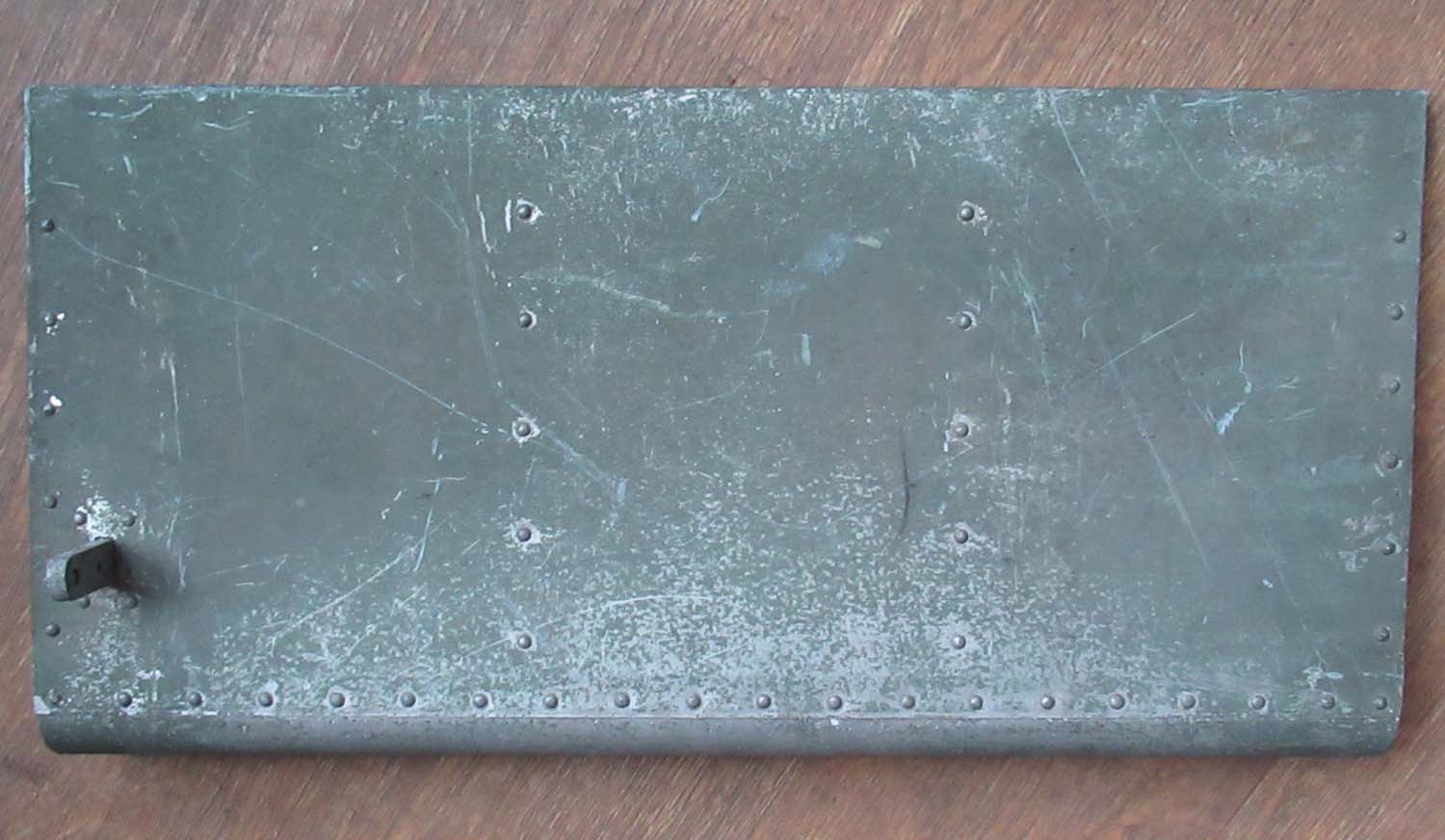
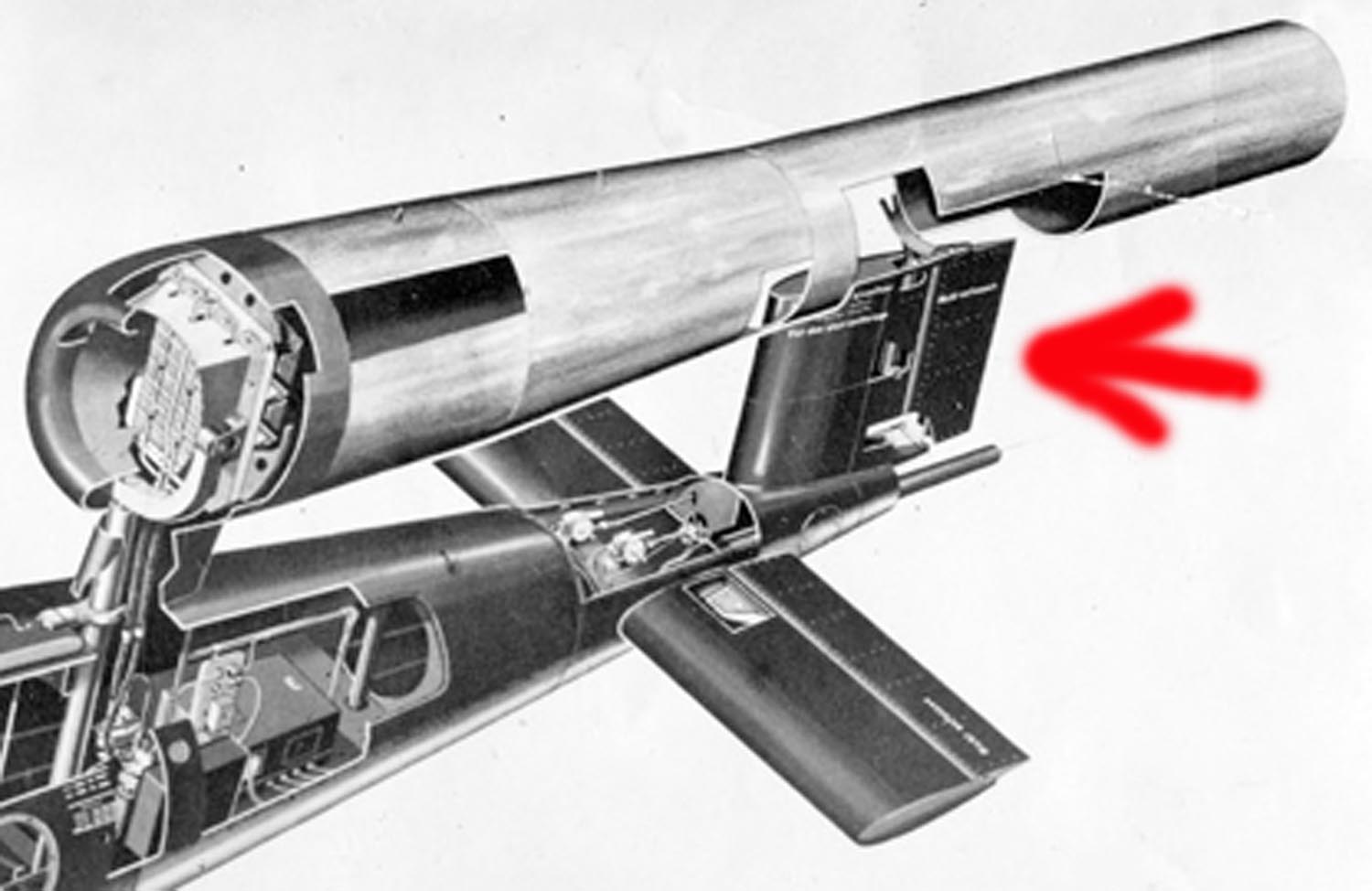
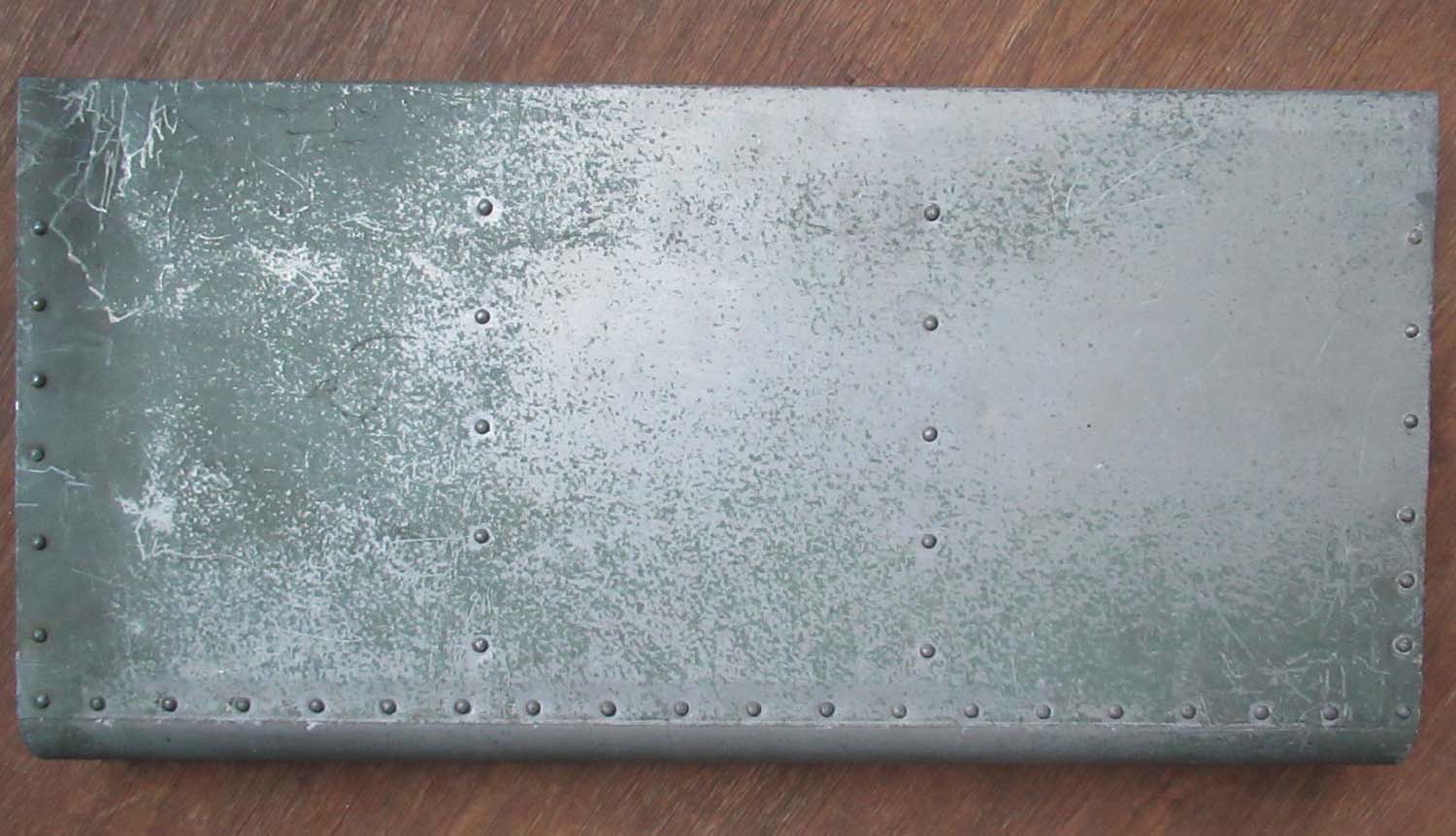
V1 Rudder (Pg1 Rocket)
This is a the rudder from
a V1, 100% original and in just superb condition no
corrosion or damage and still has the connecting to the
servo intact, I would say it would fly again but hopefully
we wont see these droning overhead ever again. This is of
coarse a super rare piece and in this condition possibly
unique.
Click on pictures to enlarge
Seen above in
the nose of the V1
Out of stock more wanted please
contact me
|
|
Click on pictures to enlarge

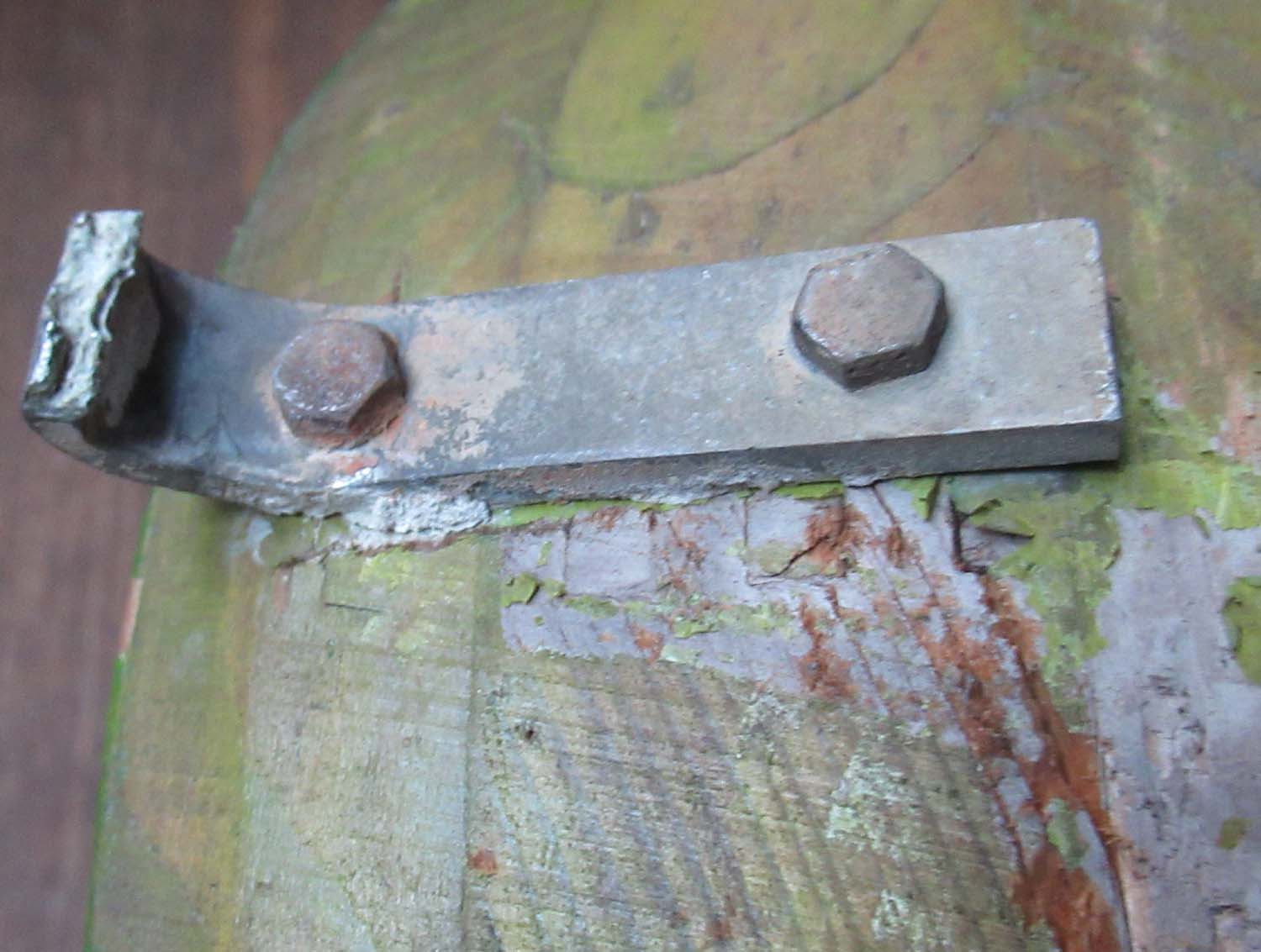 |
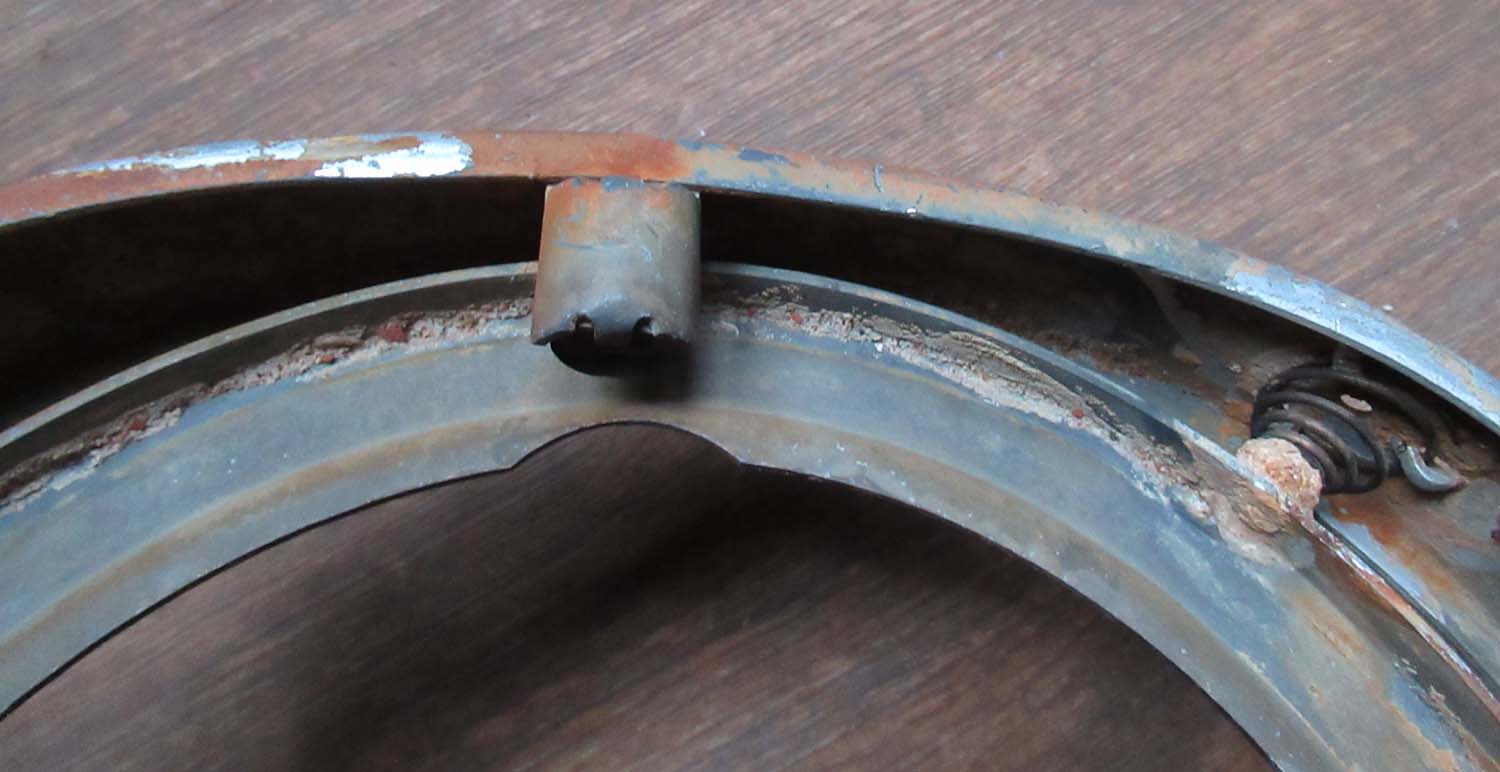
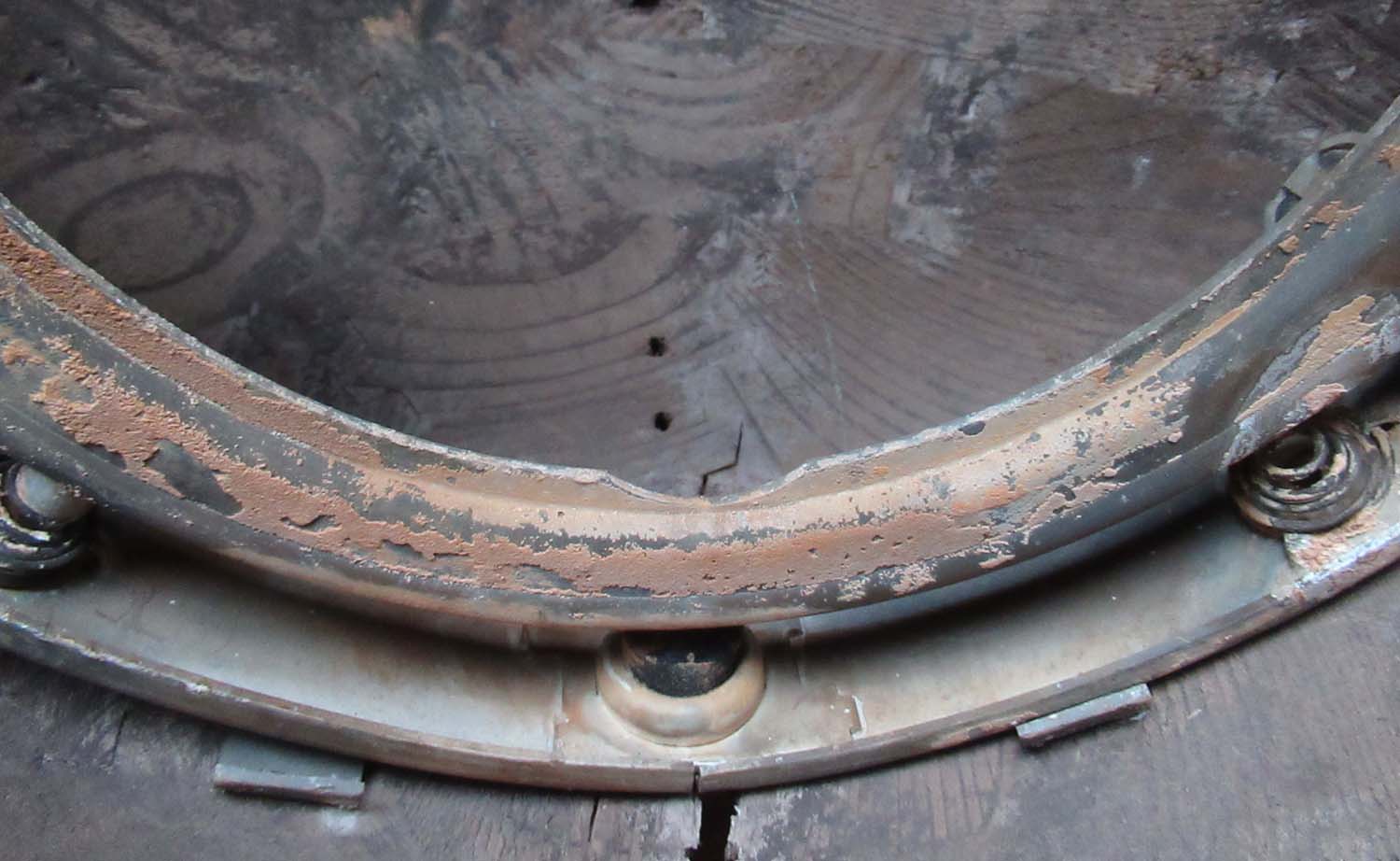
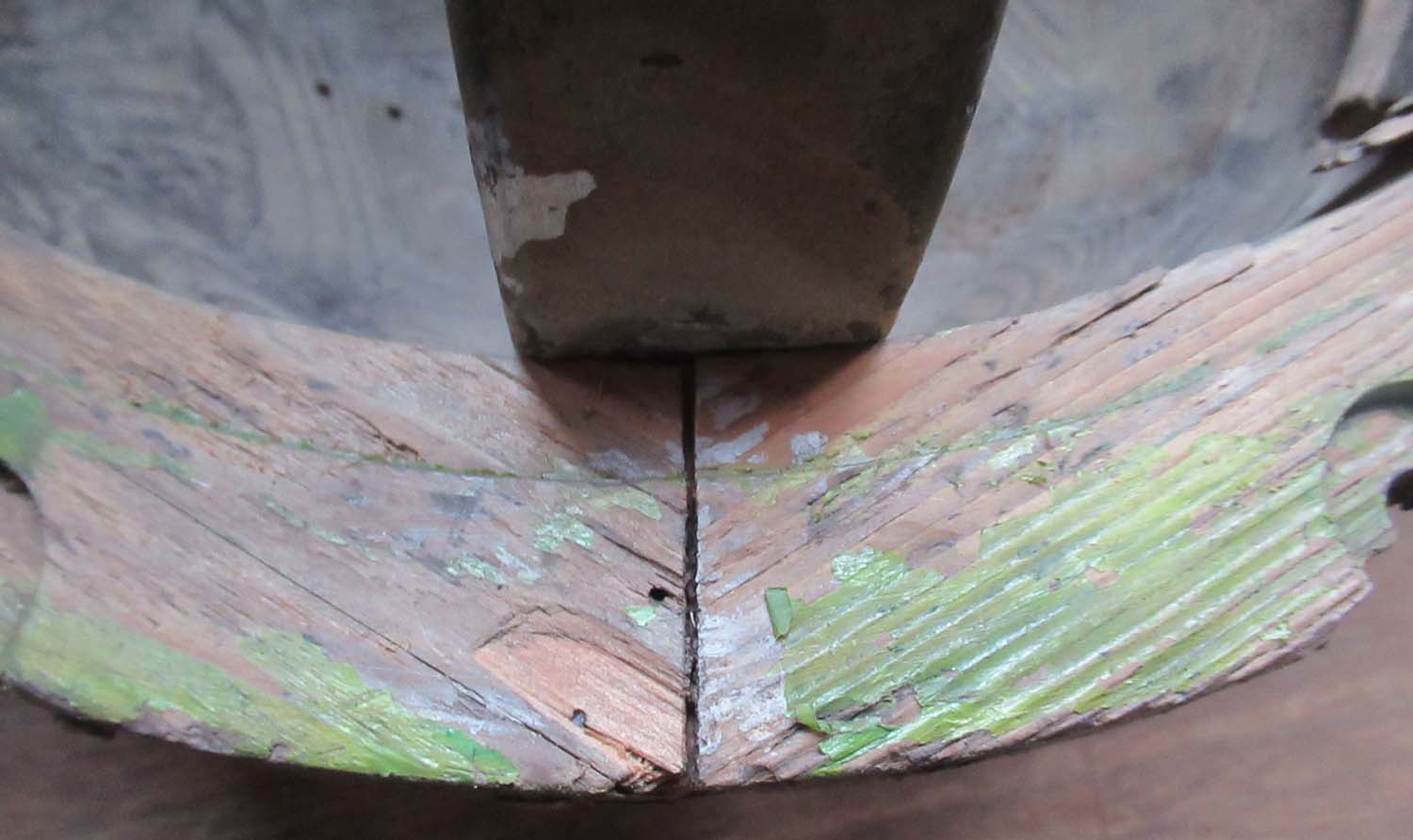
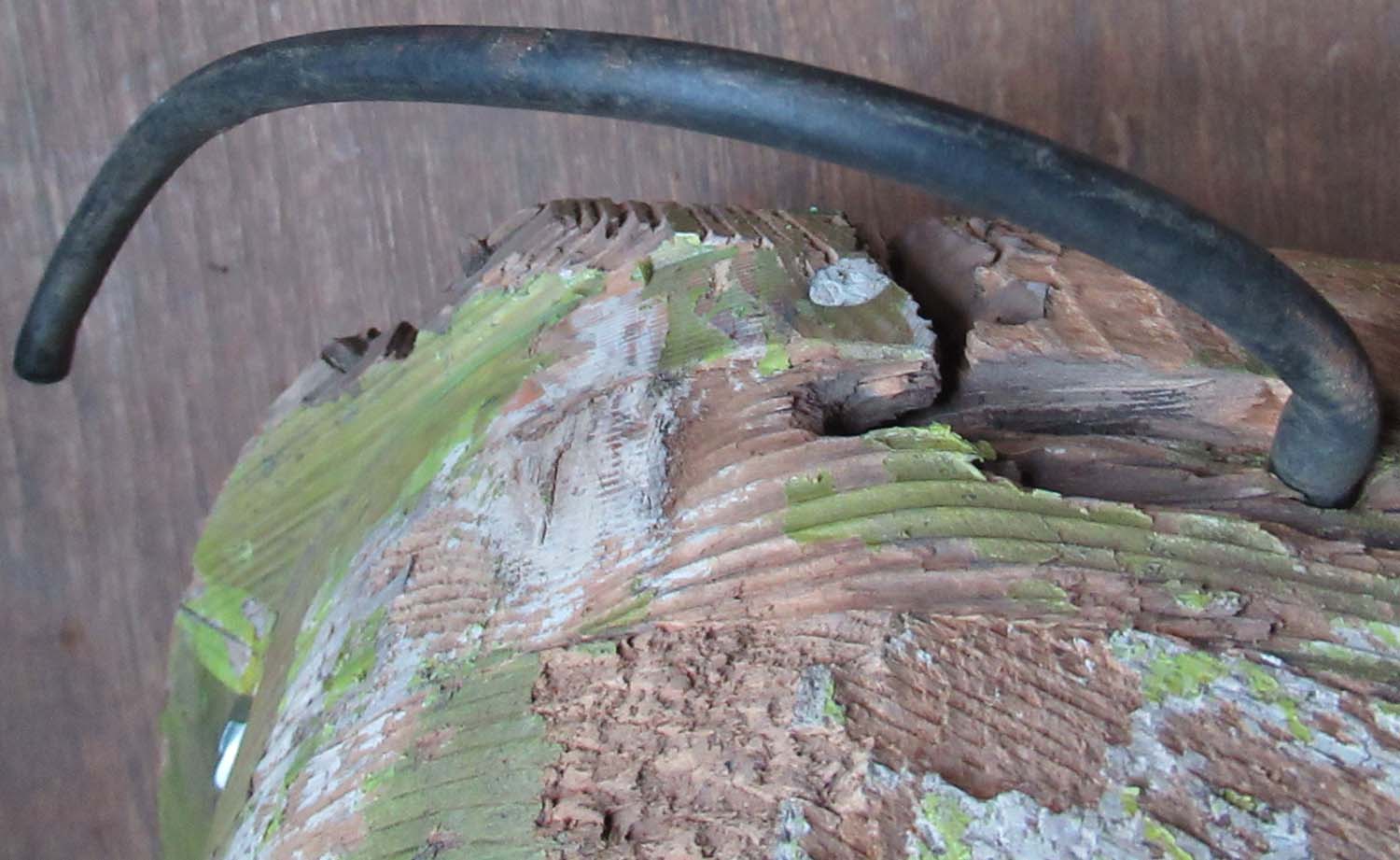
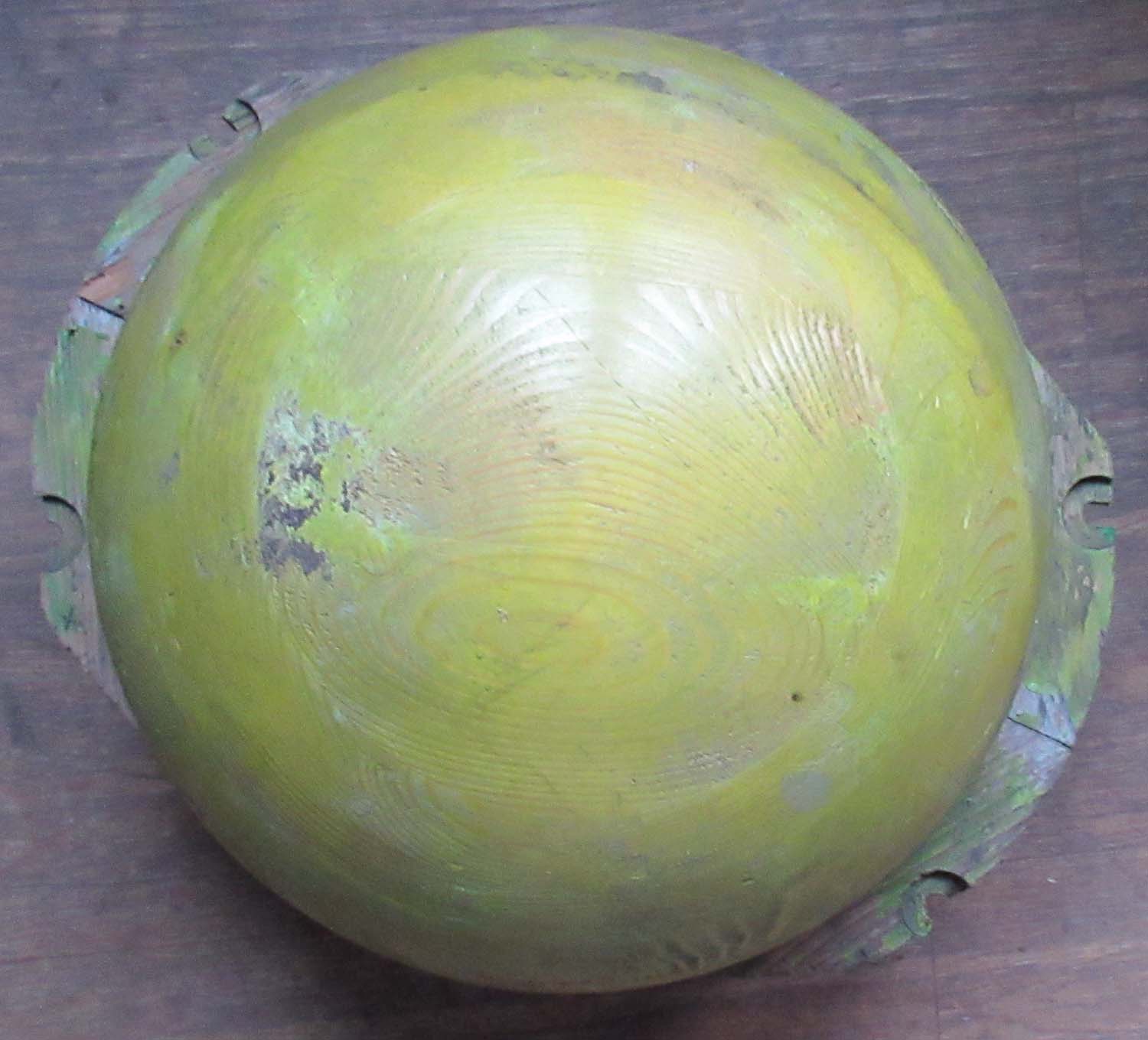
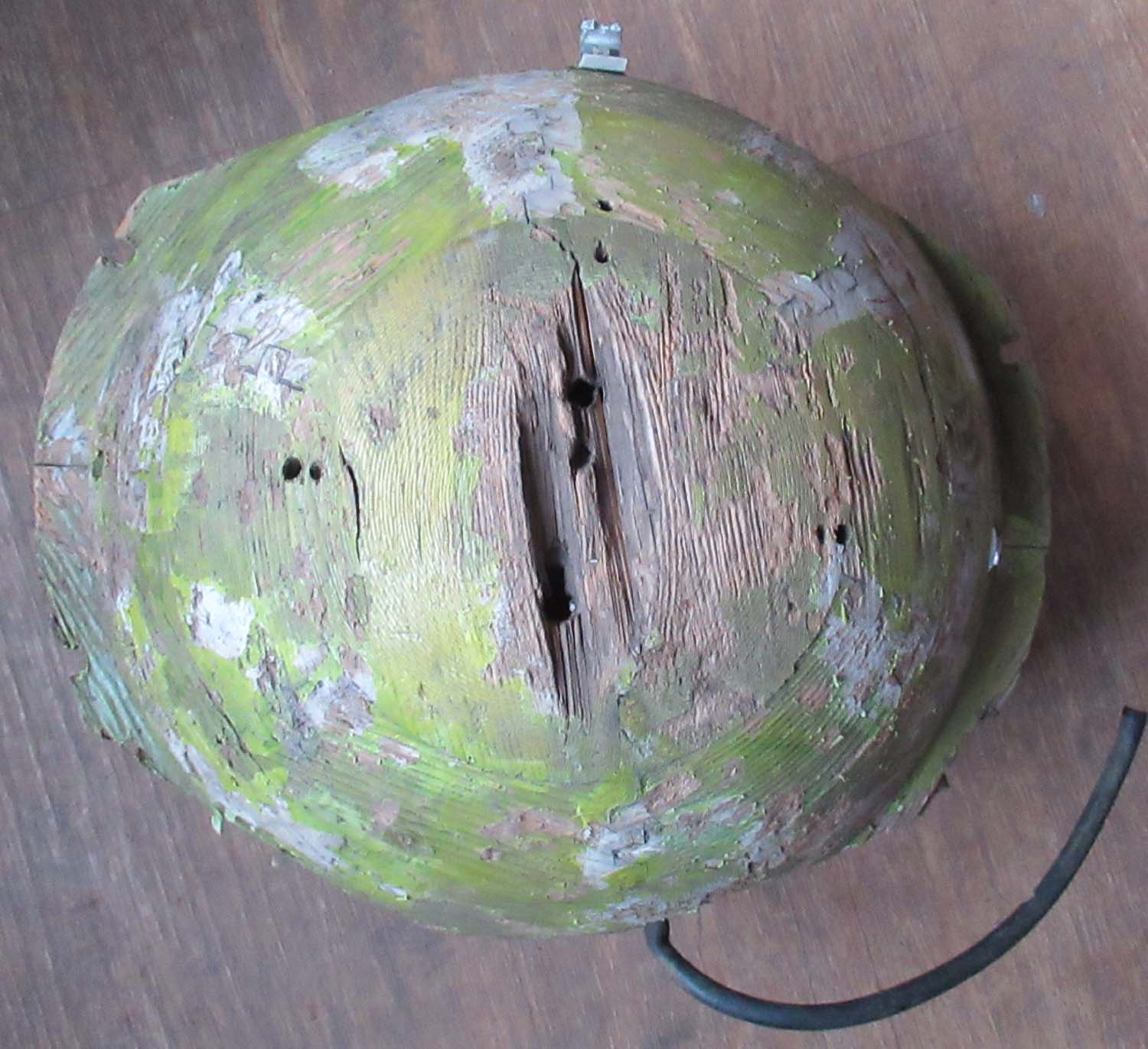
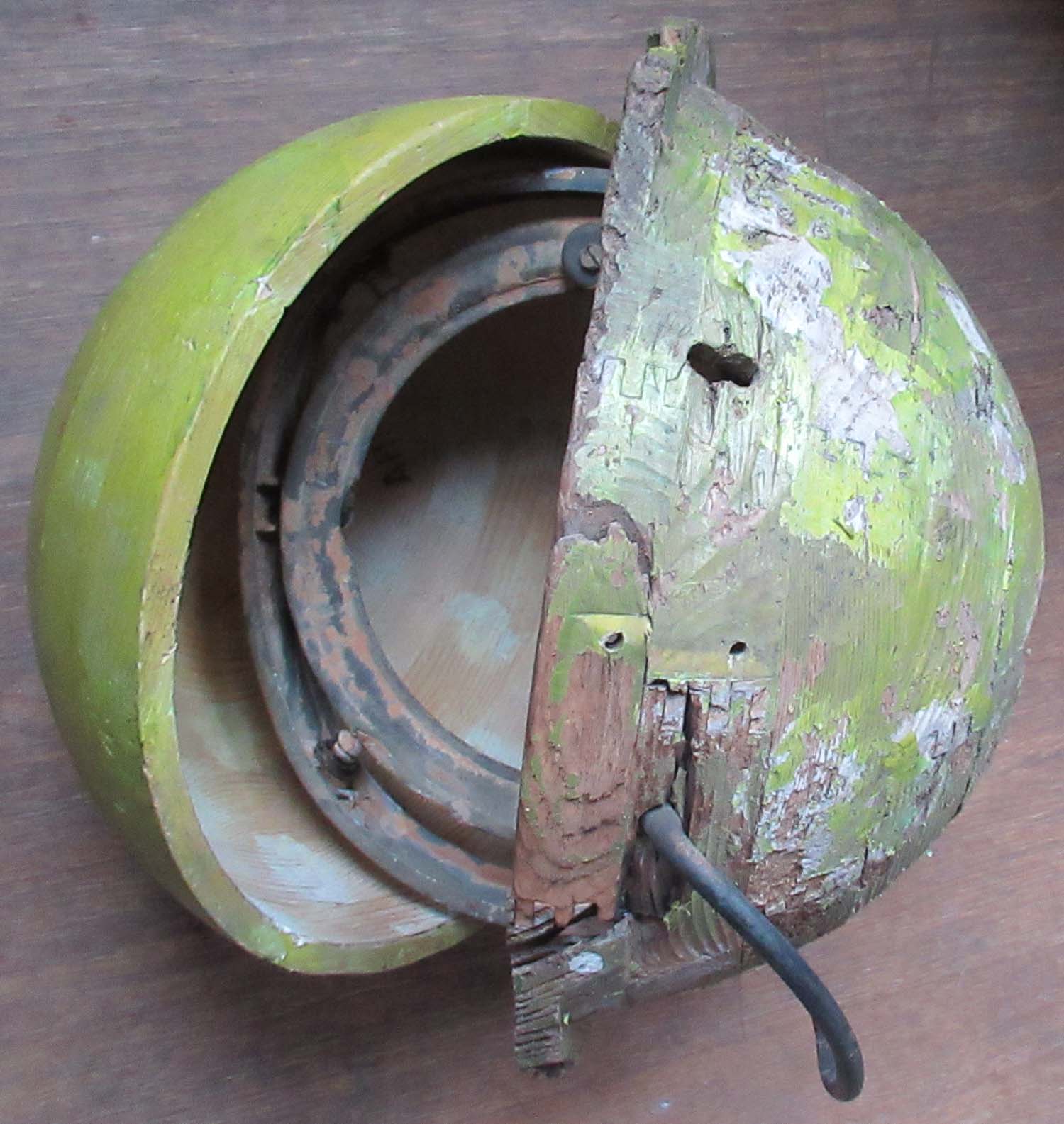
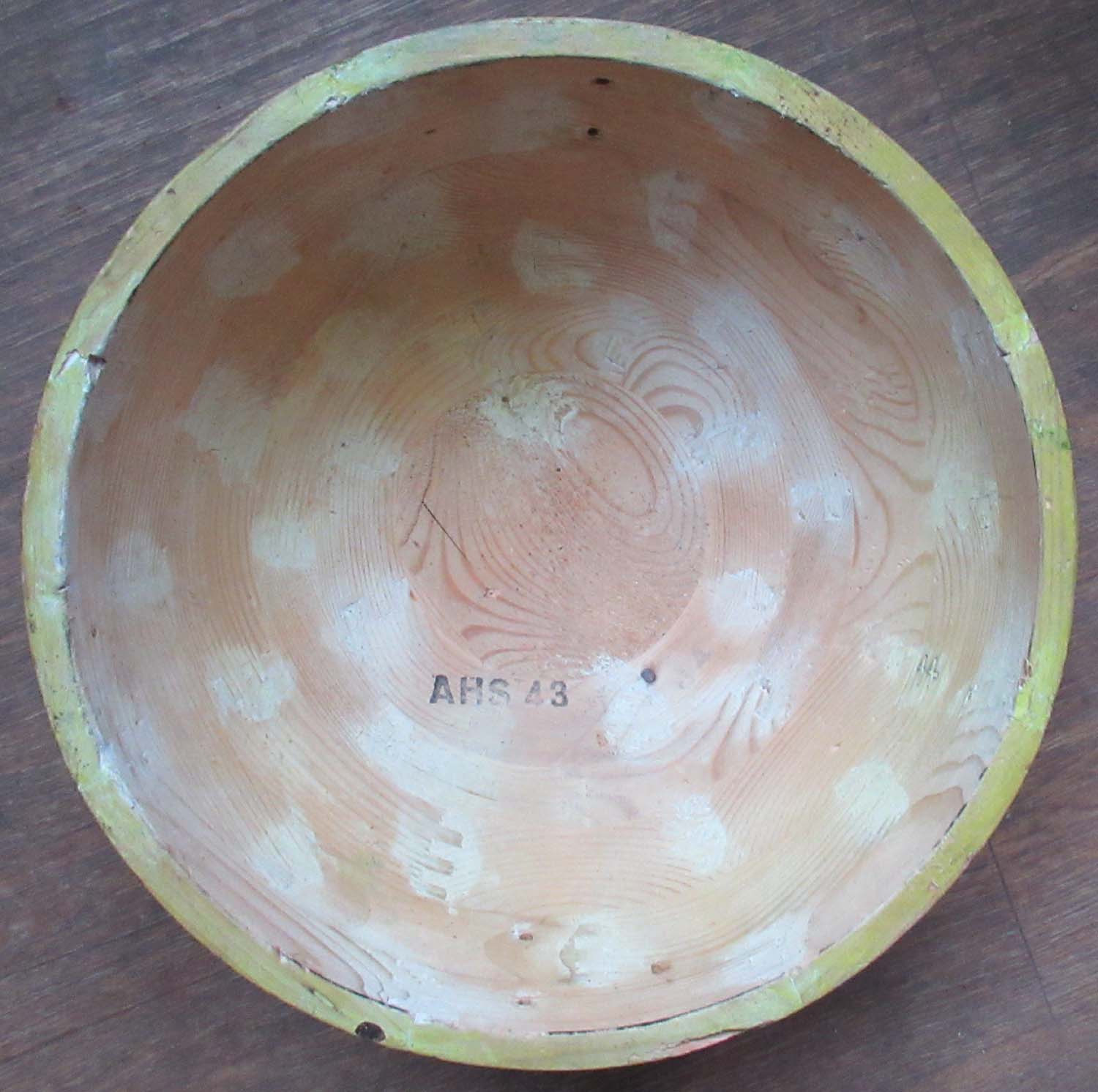
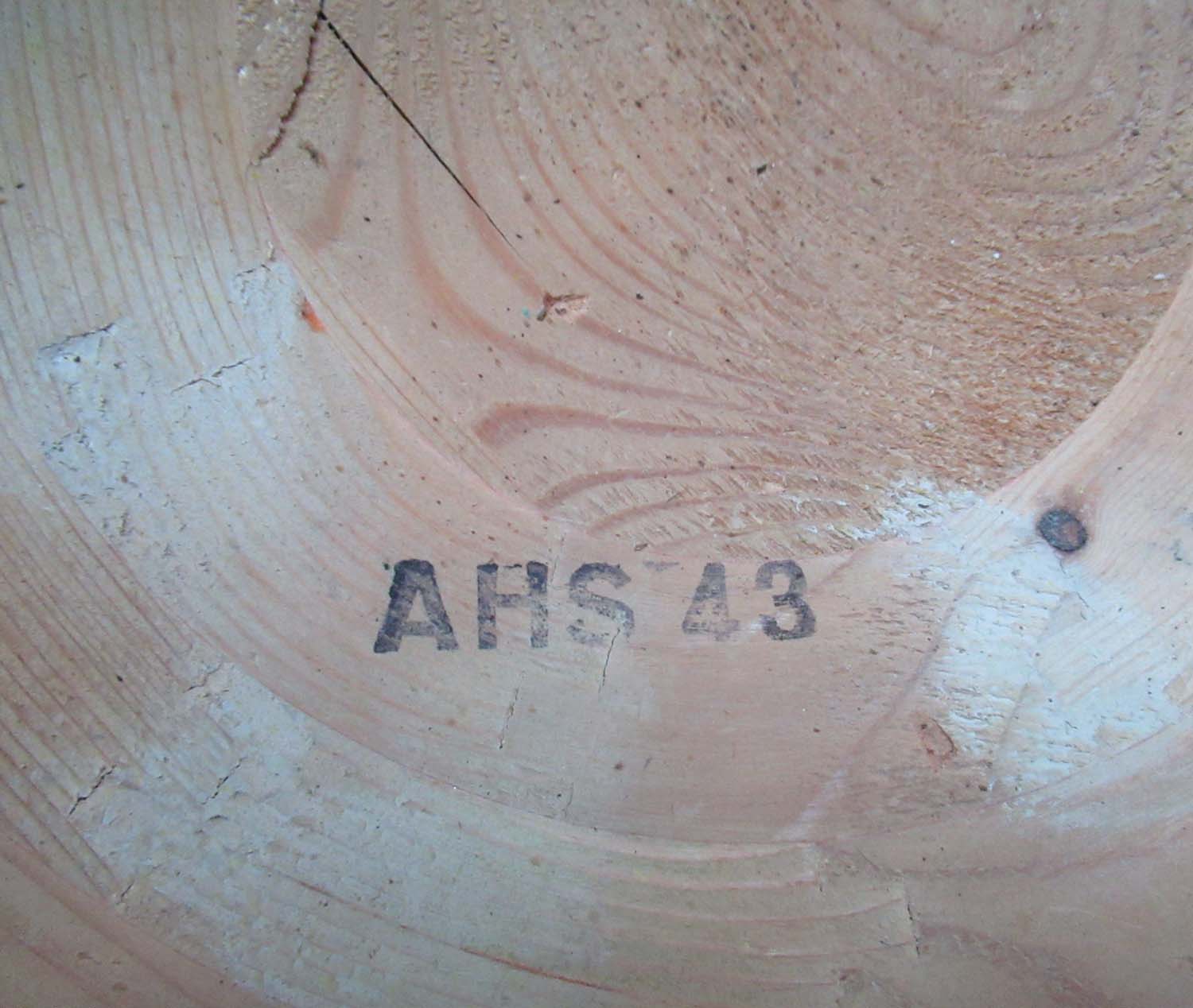
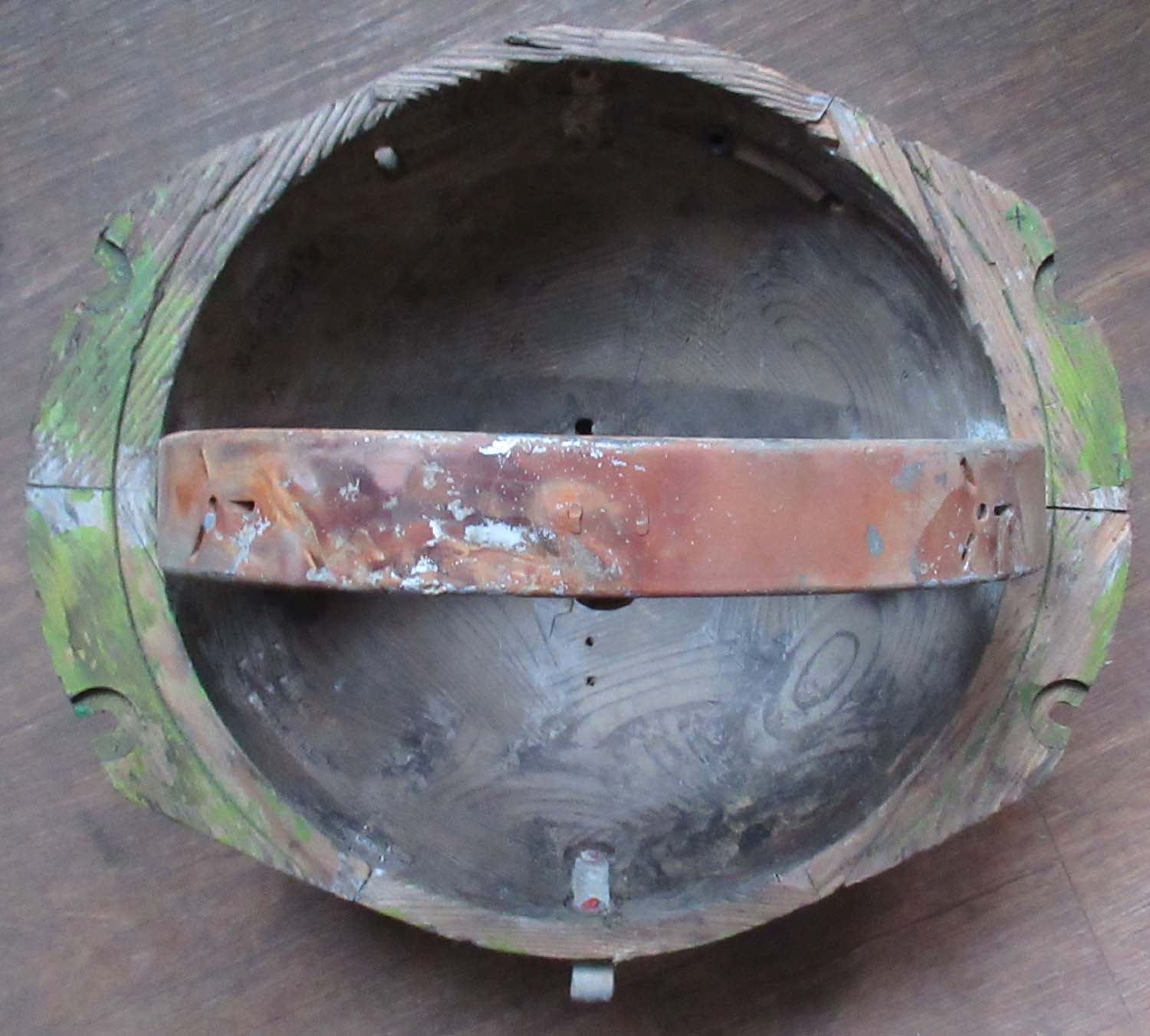
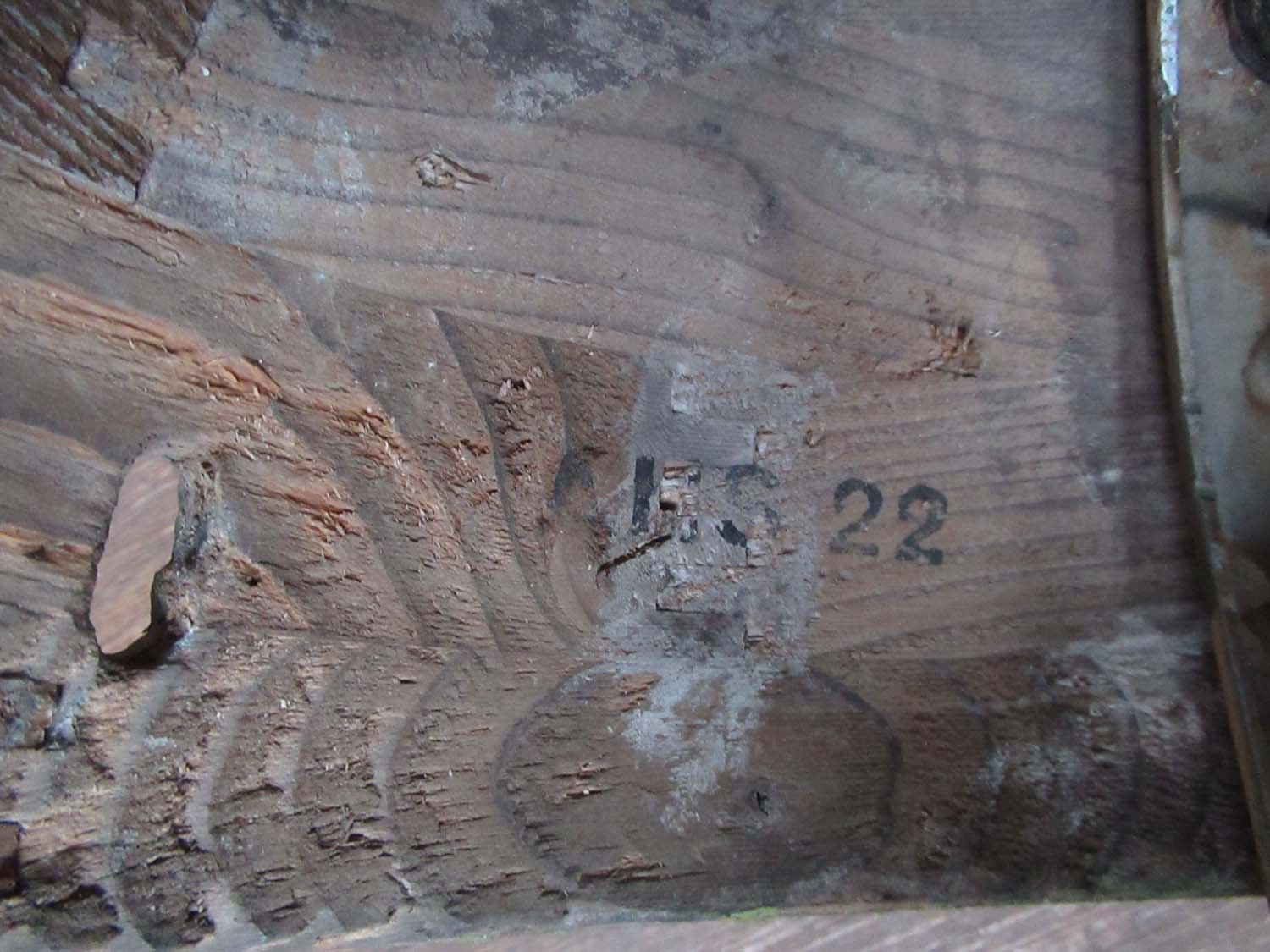
V1 wood compass casing (Pg1 Rocket)
This is just an incredible
find I have only seen fragments of these before. It is the
wooden ball that contained the compass in a V1 flying bomb, it
is almost completely intact and even has the mounting for
the compass.
Its incredible that
this has survived in this condition not only because the V1
only went on a one way trip but the fact it is made of wood.
It was made of wood so as
not to upset the delicate compass that flew and steered the V1.
There cannot be many survivors in this condition and Ii
would say almost unique. It was mounted in the nose of the
V1 .
Click on pictures to enlarge
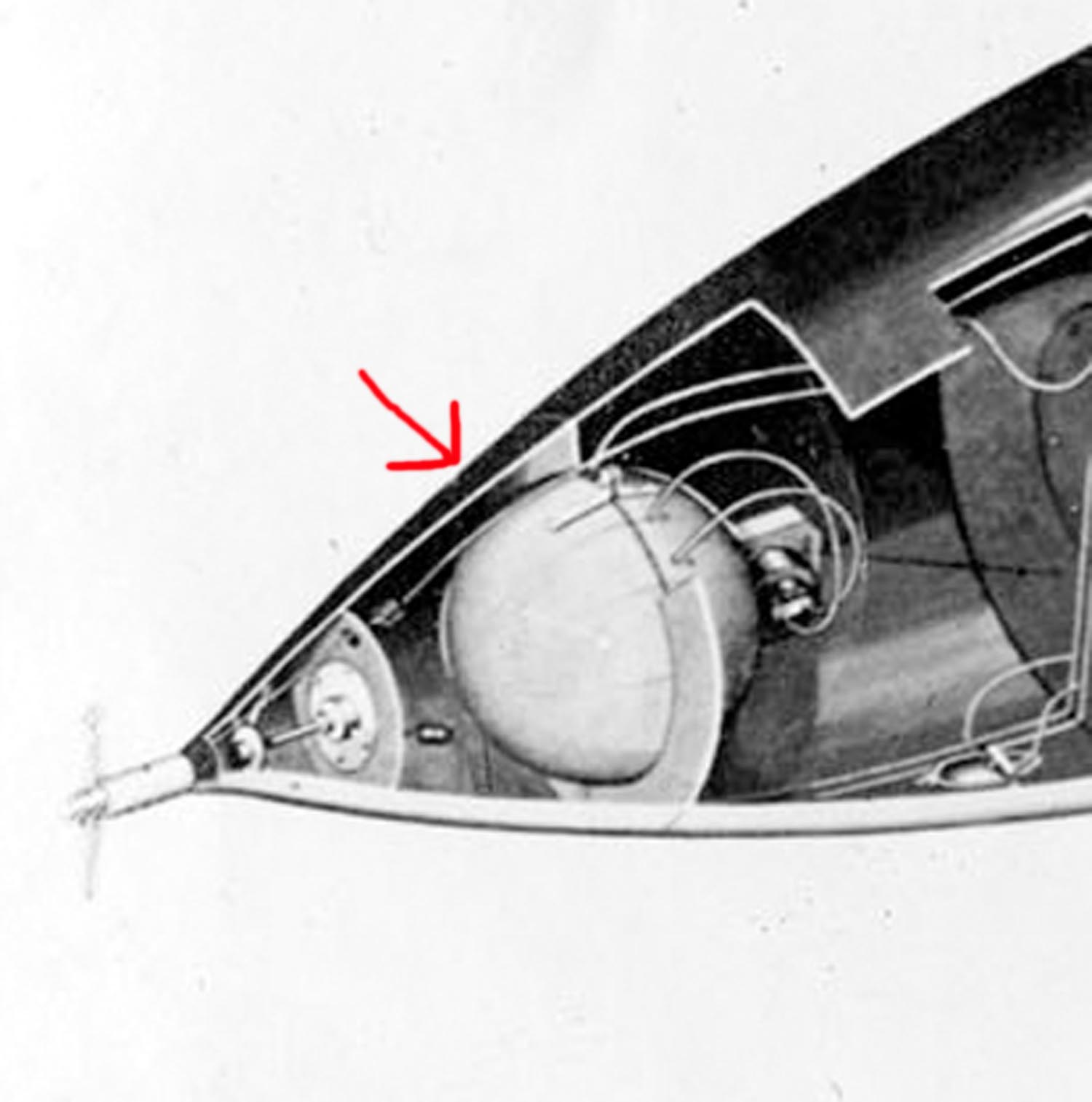
Seen above in
the nose of the V1
Out of stock more wanted please
contact me |
|
Click on pictures to enlarge
 |
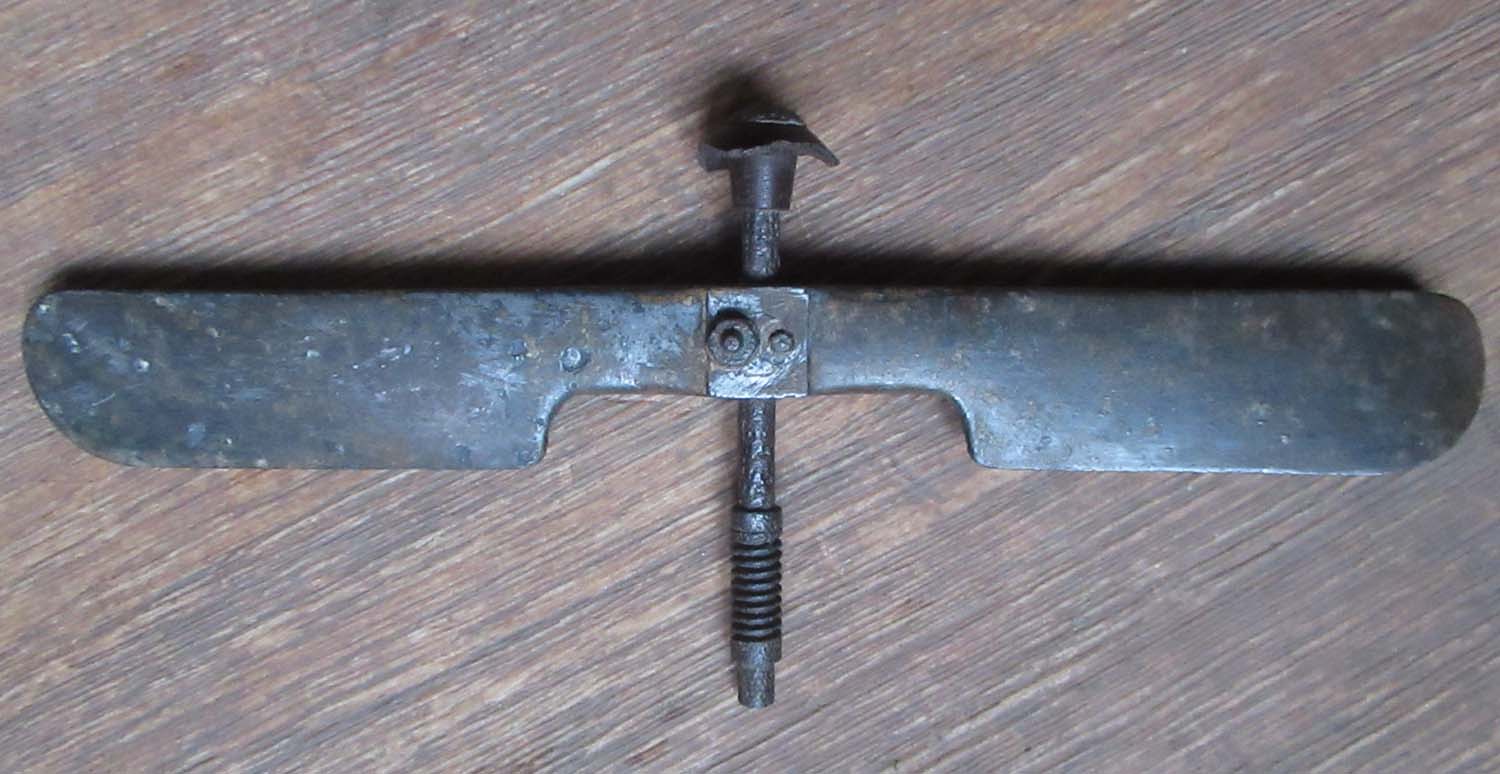
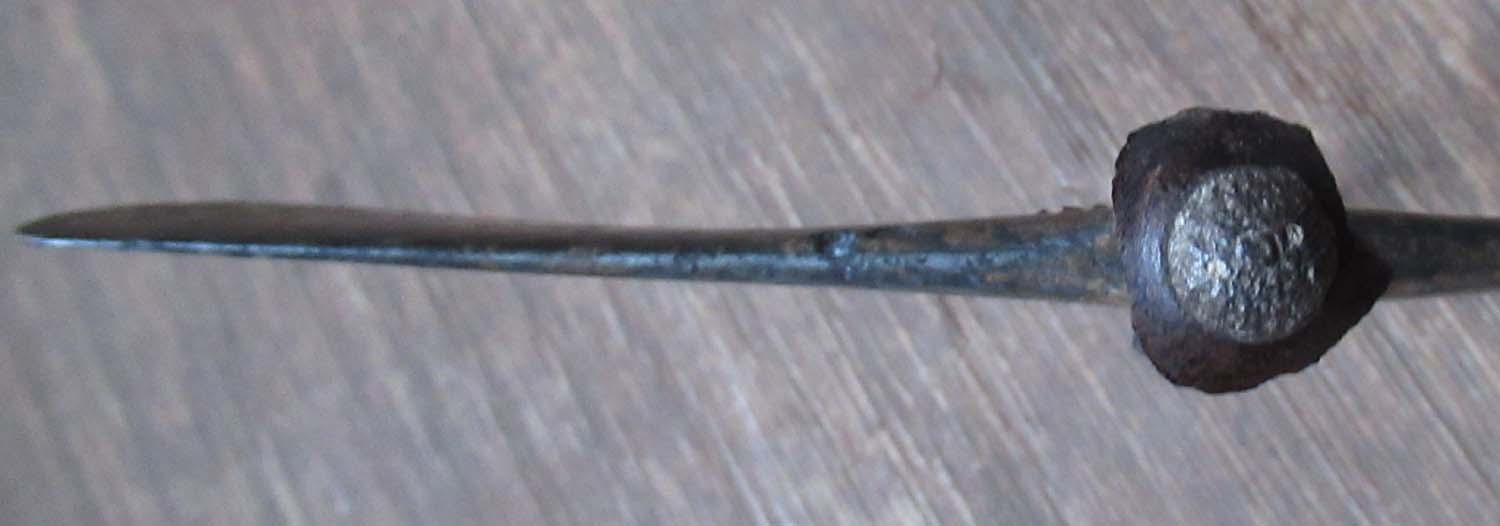
V1 nose propeller (Pg1 Rocket)
This is a superb piece in
amazing original condition, one of the rarest parts on the Website and the first one I
have seen in over 20 years of collecting. Its an original
propeller from the nose of a V1 Doodlebug or Buzz bomb. The
prop purpose was to control the point at where the engine
cut out by turning off the fuel supply, a very basic form of setting the range on the V1 .
V1s being flying bombs means there is usually very little to
be found after impact and this prop would never survive so
must have come from a captured V1.
Click on pictures to enlarge
Out of stock
more wanted please
contact me |
|
Click on the
pictures to enlarge them.
|
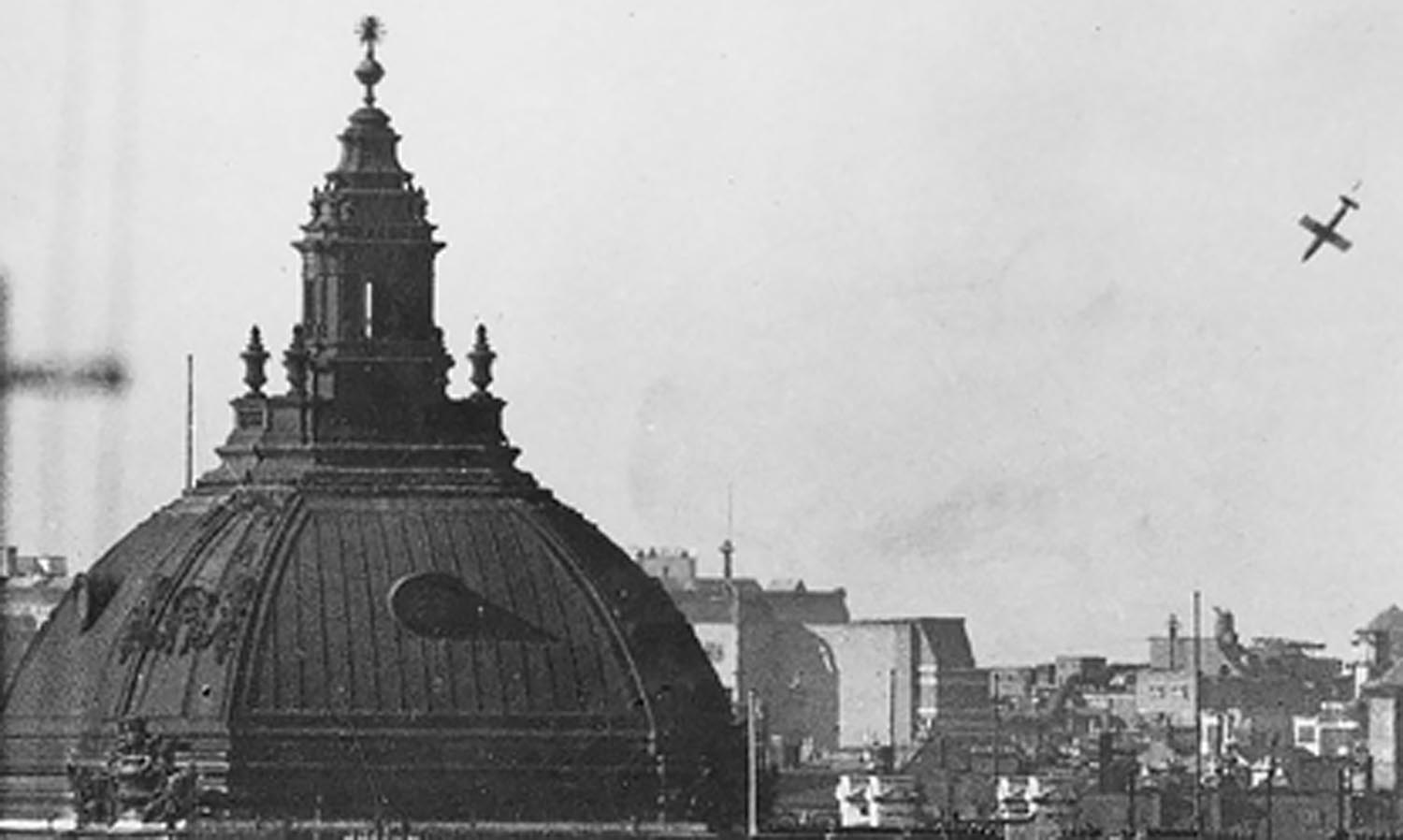
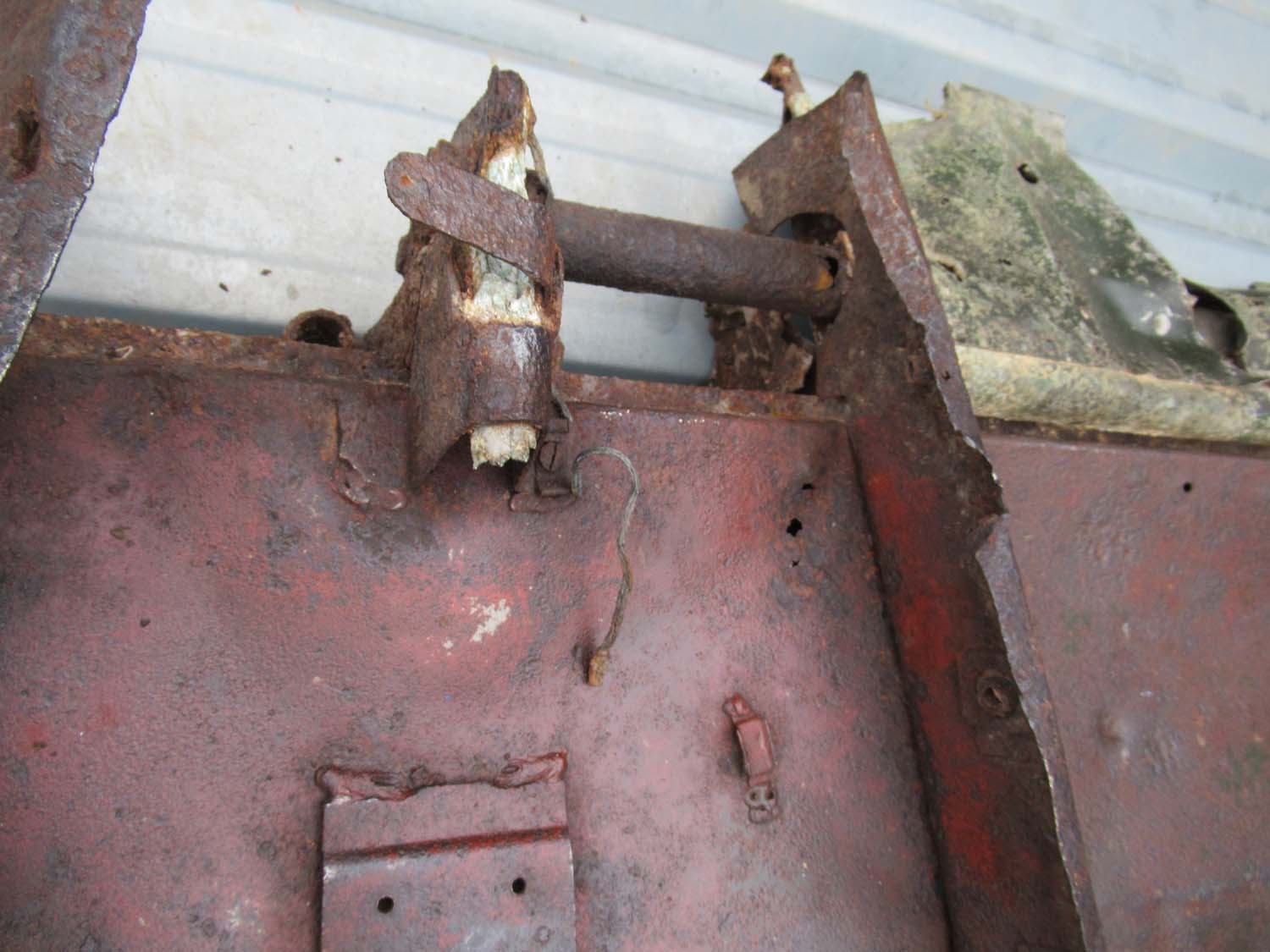
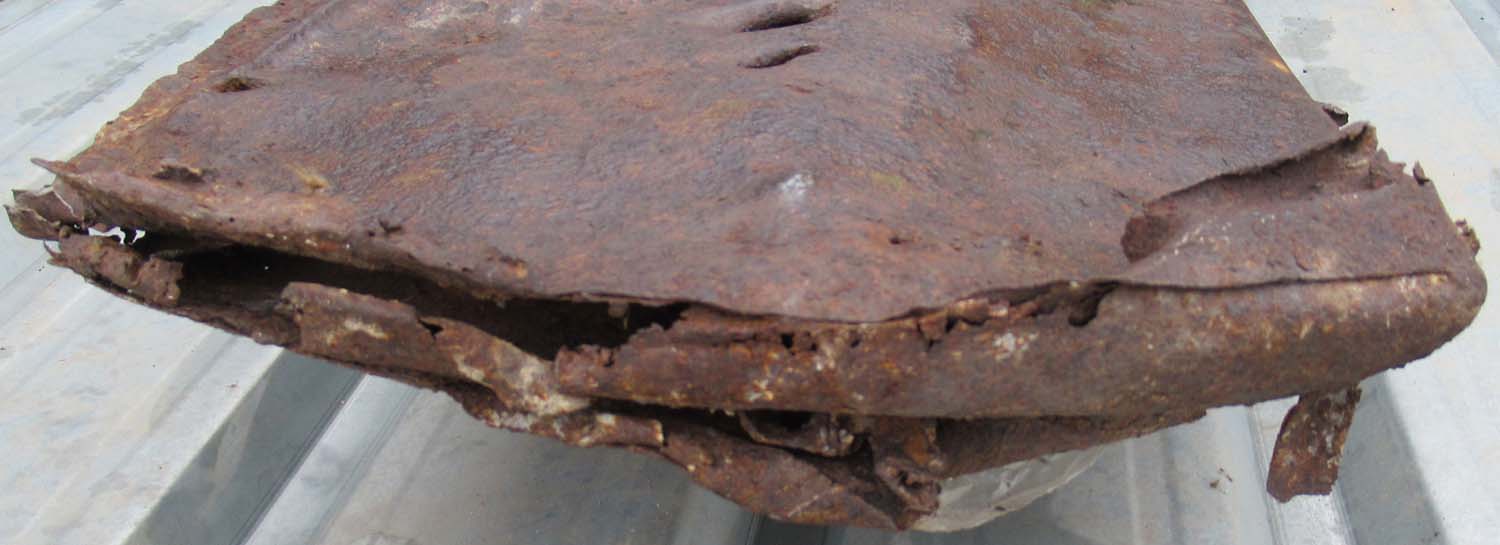
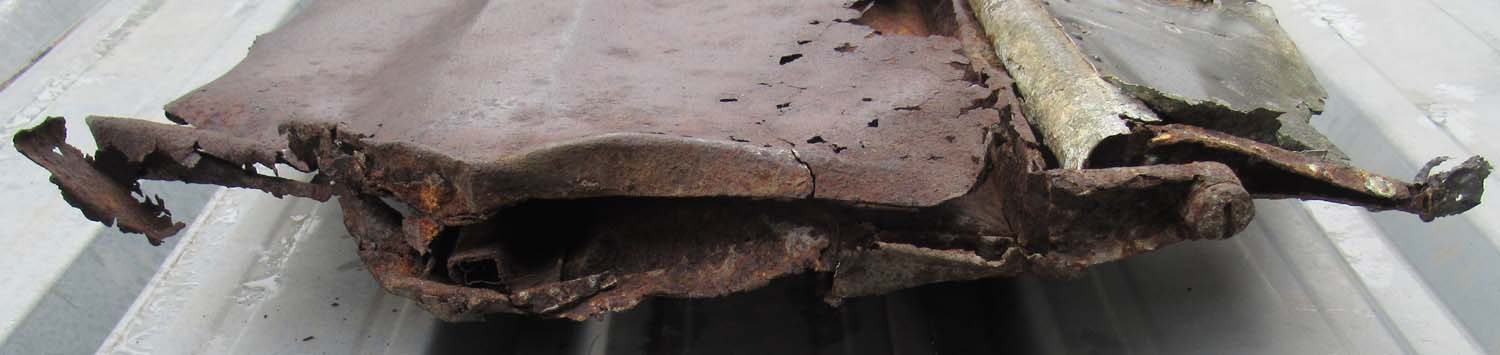
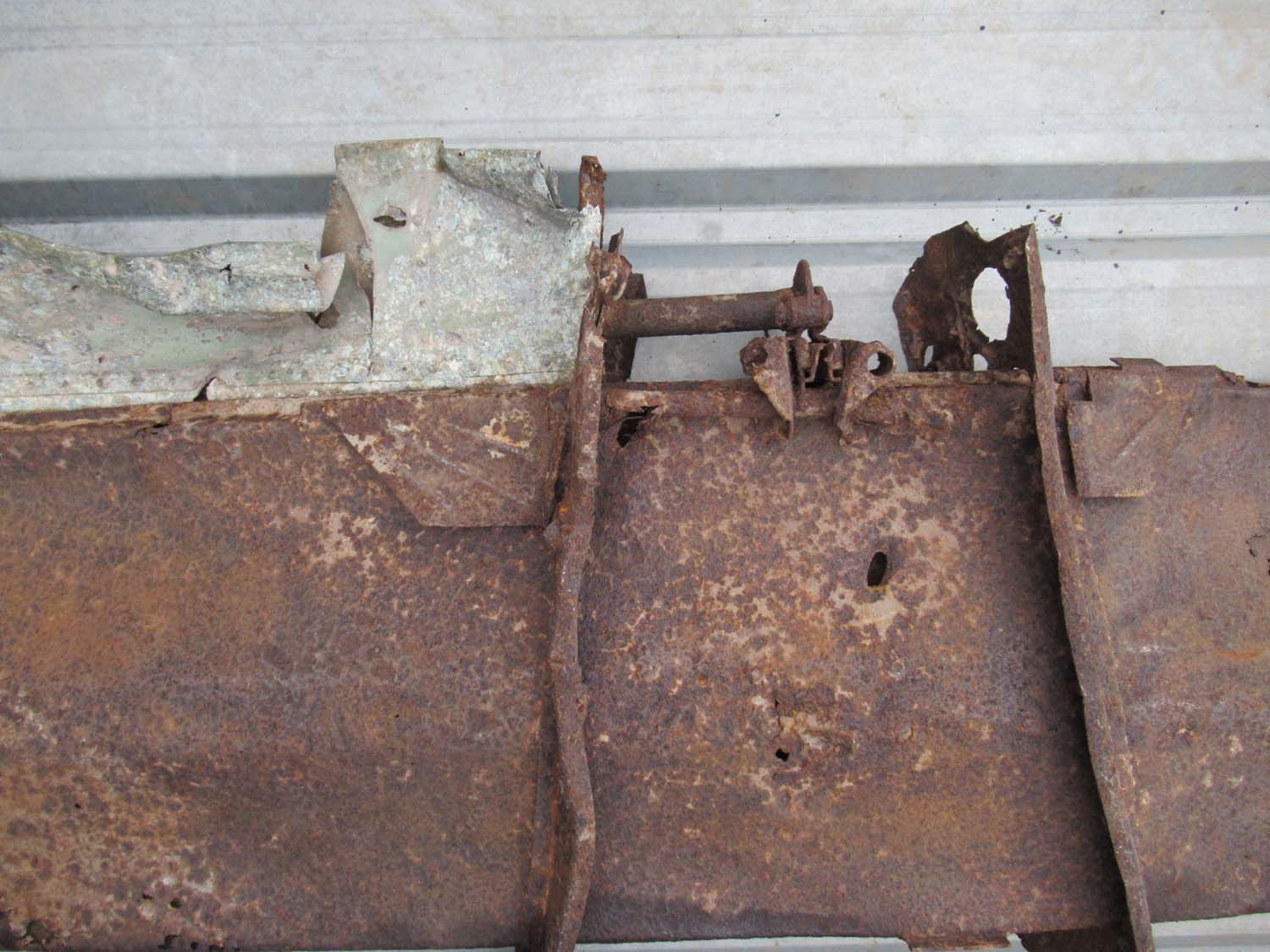
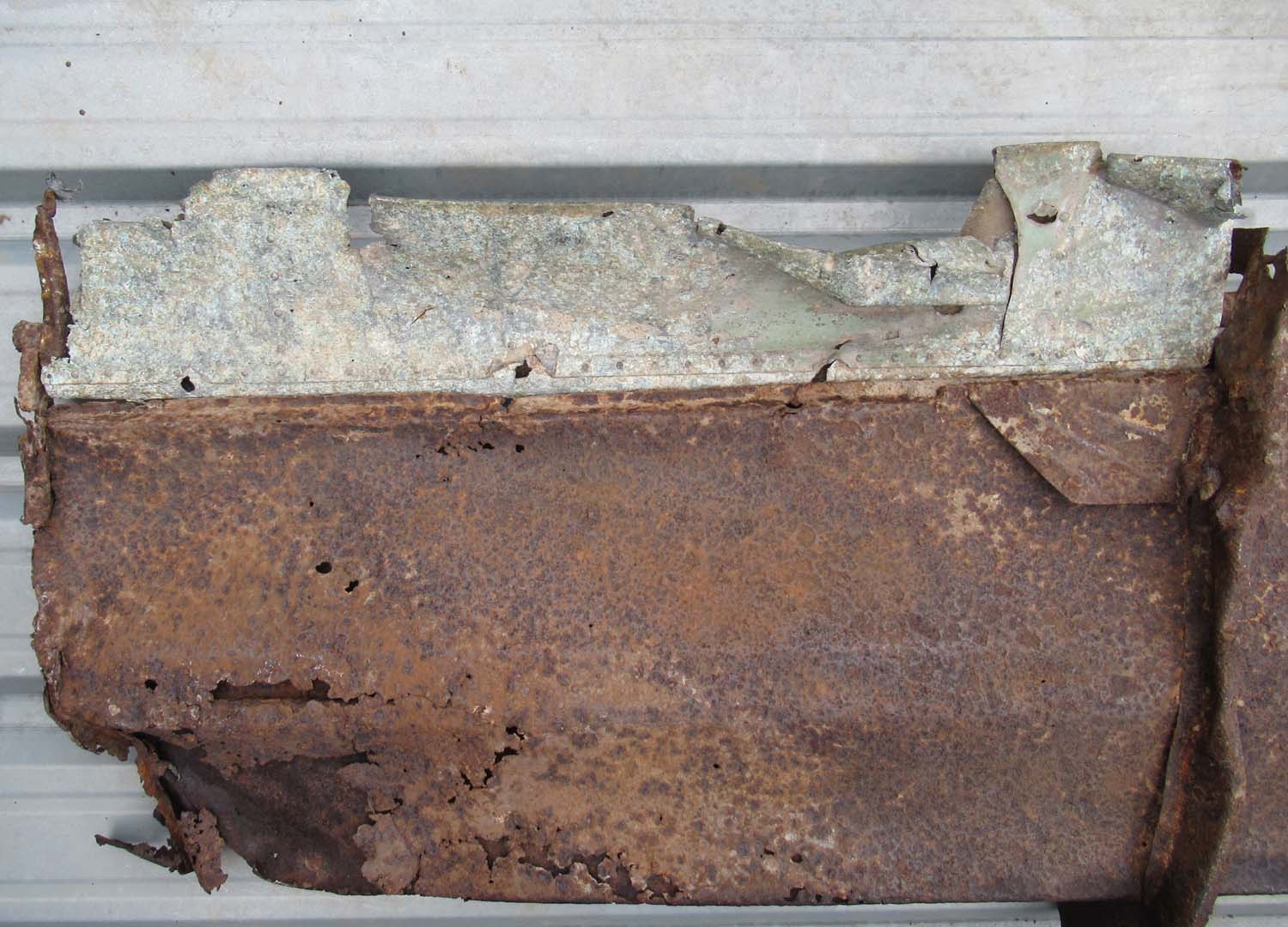
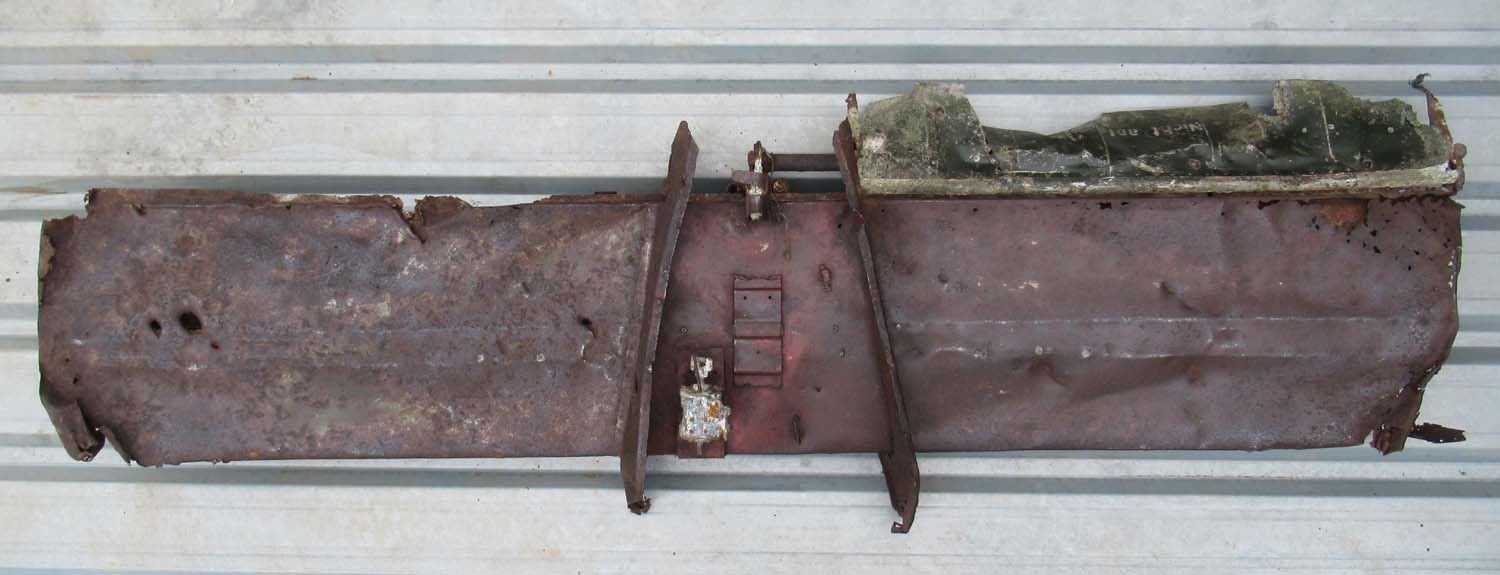
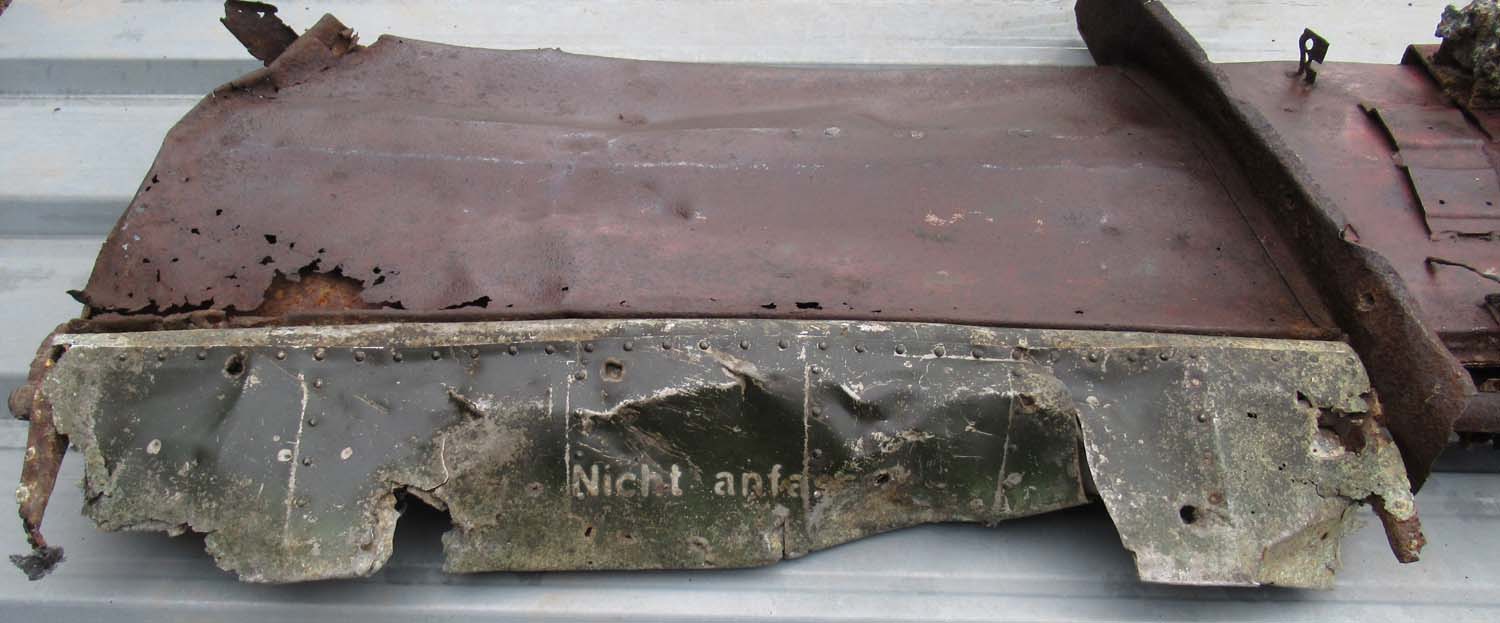
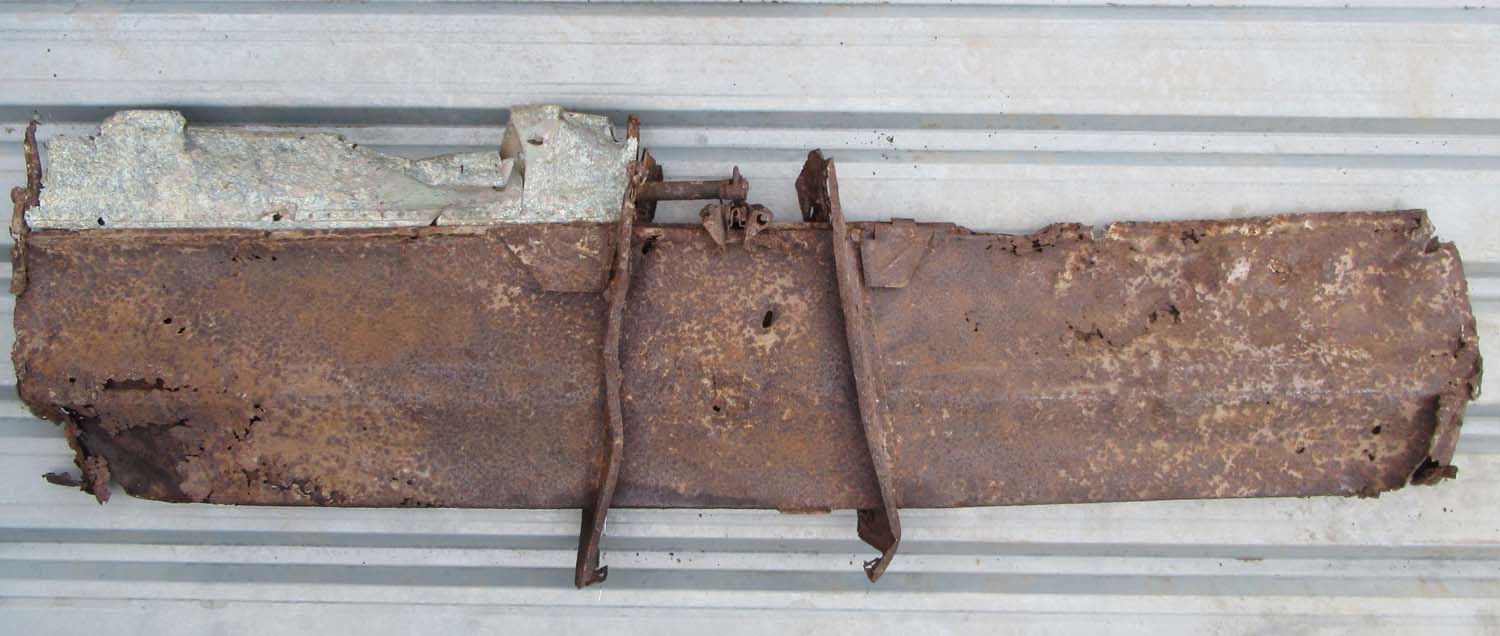
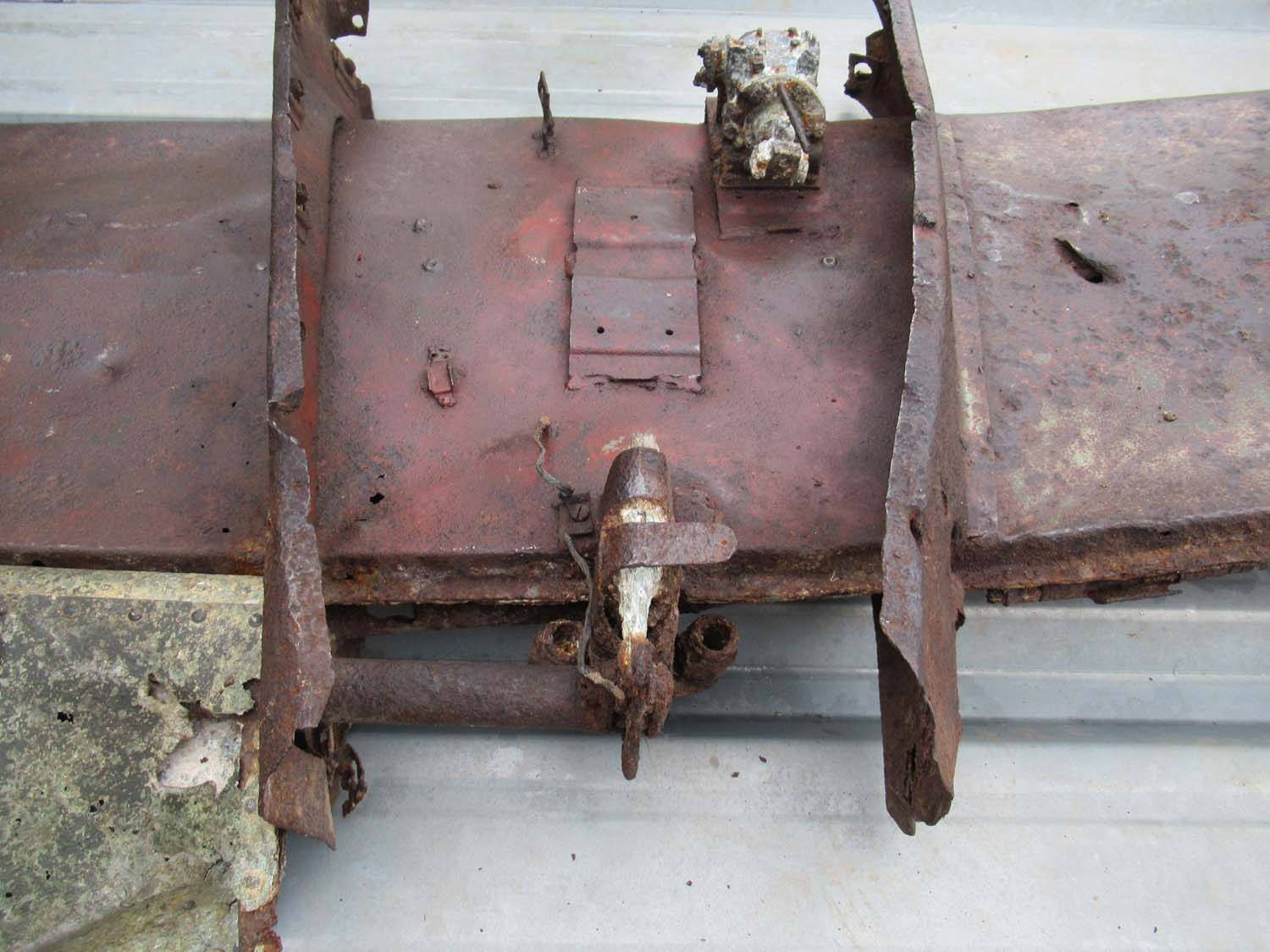
VI Rudder Tail (pg1 Rocket)
This is just an incredible
peace , the complete tail from a VI doodlebug flying bomb.
Its the biggest surviving peace I have ever had for sale. It
has the remains of one of the actuators and one of the
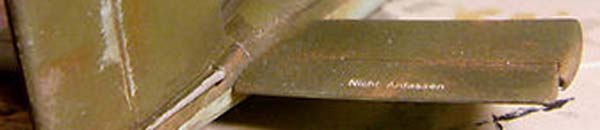
elevators marked with the words Don't touch. The elevator
has some original paint and apart from the damage seen in
the pictures the tail is complete. Flying bomb parts are
pretty much the rarest of peaces and by their very nature
they are usually completely destroyed on impact.
Click on the
pictures to enlarge them.
Measures
approximately 2m by 0.65m
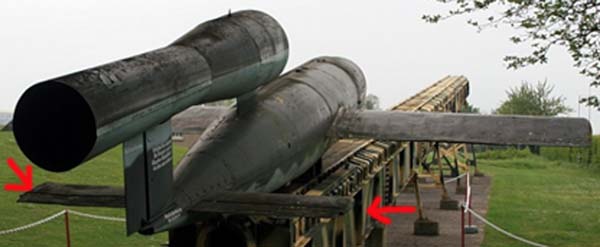
The V1 Flying Bomb, also known as a 'buzz
bomb' or 'doodlebug', was one of the most fear-inducing
terror weapons of the Second World War. In the face of
relentless Allied bombing of German cities, Hitler created
its 'revenge weapons' (Vergeltungswaffen) in an attempt to
terrorise British civilians and undermine morale.
Out of stock more wanted
please contact me |
|
Click on the
pictures to enlarge them.
|
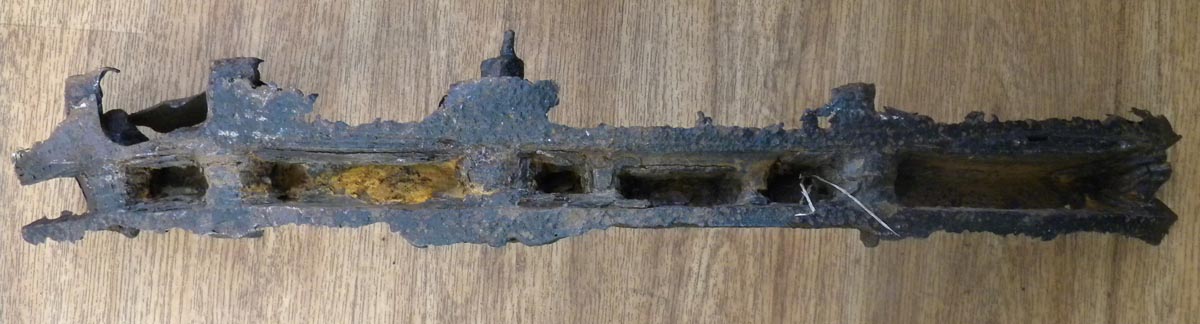
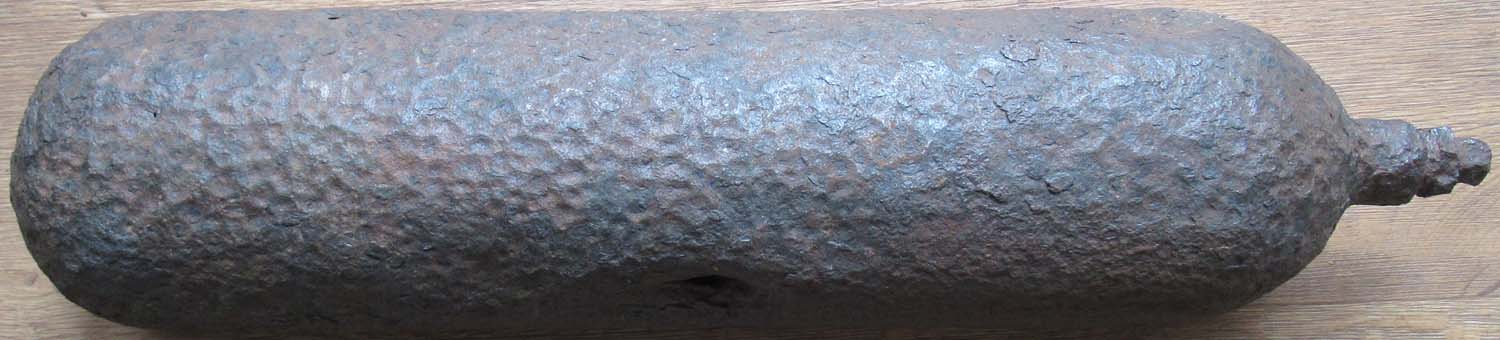
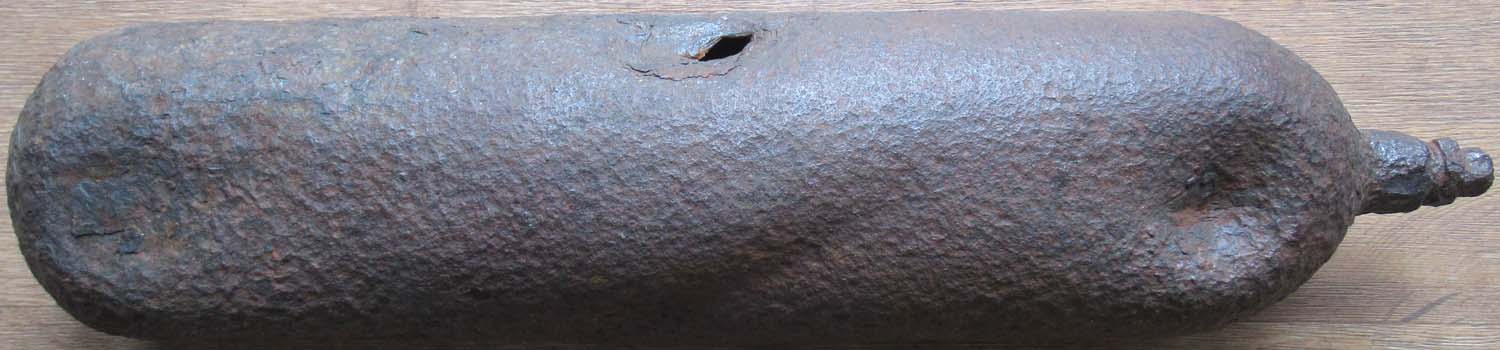
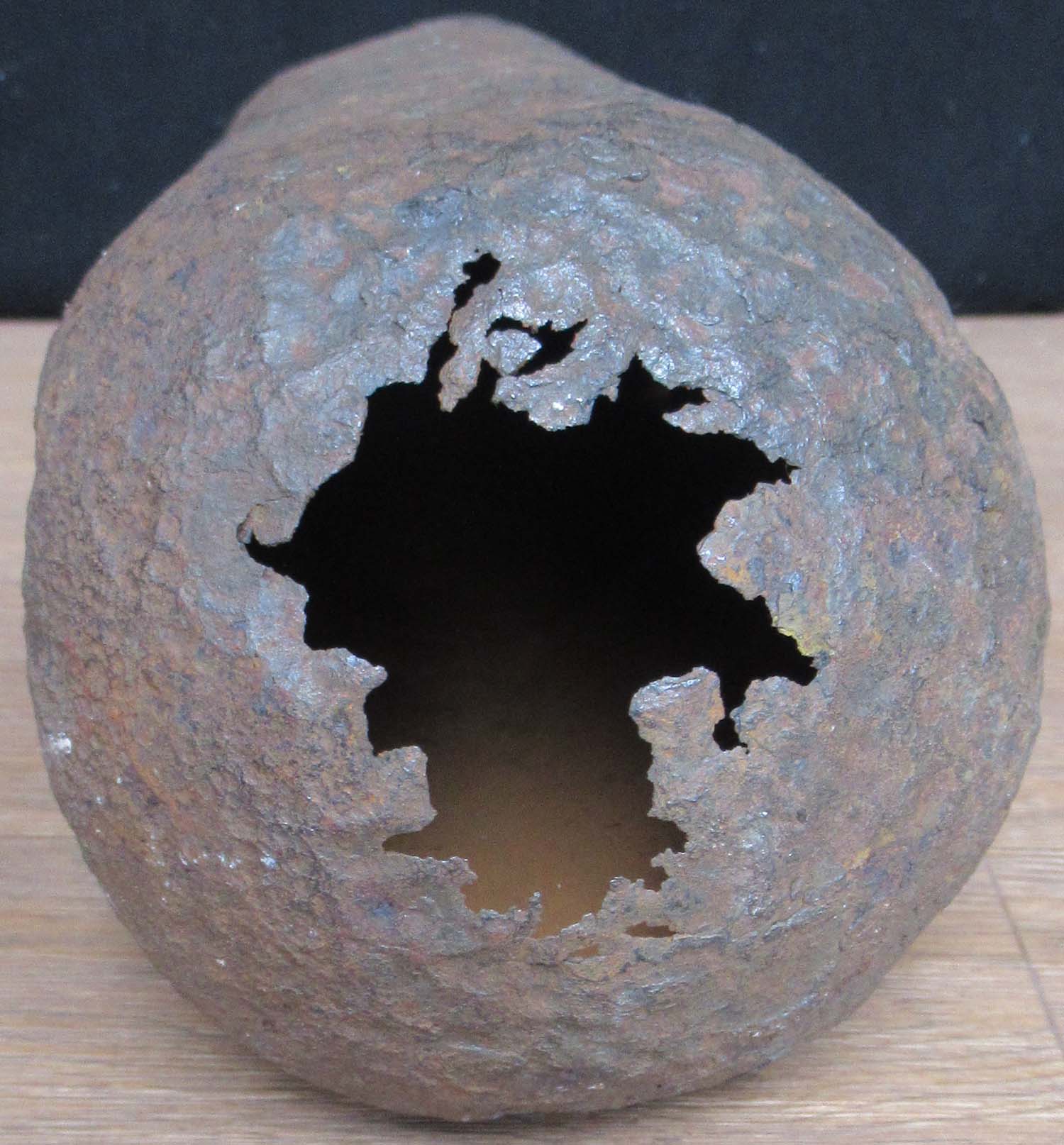
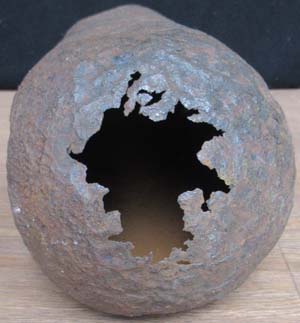
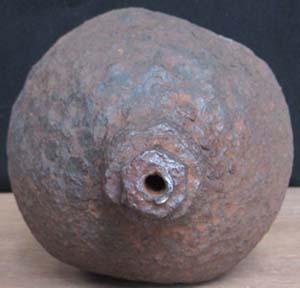
V2 Air Bottle (pg1 Rocket)
This is a an air bottle from
a V2 rocket it has an overall length of approximately 62cm.
It has evidence of shrapnel damage. It was purchased from
Ciney in Belgium.
Once air born they were
impervious to attack so any that were destroyed was as a
result of ground fire or attacks by aircraft whilst still on
their launch pads. The only Pilot I have ever heard of to
actually fire at one whilst in the air was the wing man of
Raymond Baxter most well known for presenting the Tomorrows
World program in the 60s and 70s.
On 18 March 1945,
Baxter took part in a daylight raid on the Shell-Mex
building in The Hague, which was then the German
headquarters for V-1 and V-2 rocket attacks on southern
England. The commander of the raid, Max Sutherland, received
a bar to his DFC and Baxter, along with the three other
pilots, was again mentioned in dispatches.
In an interview about his wartime career, Baxter described
flying over a V-2 site during a launch on 14 February 1945,
and his wingman firing on the missile: "I dread to think
what would have happened if he'd hit the thing!"
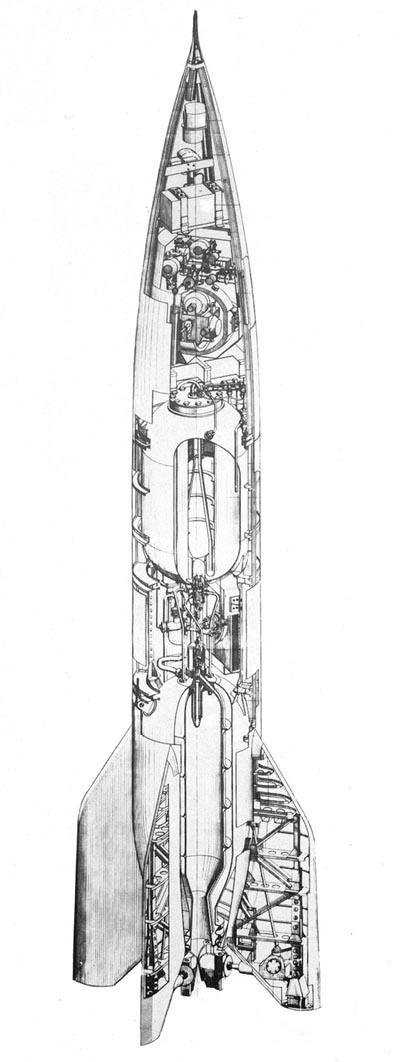
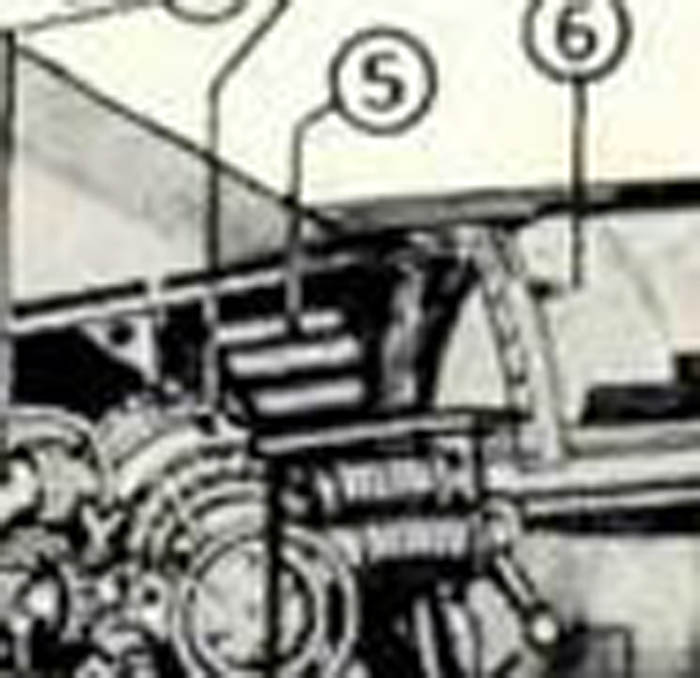
Shown in situ
in the drawing under marked as number 5
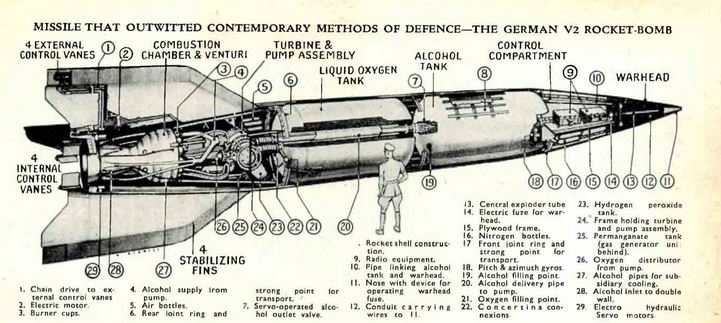 
The air bottles in the V1
were used to operate the guidance system and i suspect the
same was true of the V2 using compressed air to operate
actuators and the internal control vanes.
Out of stock
more wanted please
contact me |
|
|
|